Are you wondering what kind of floor cleaner is best for your vinyl plank flooring? Choosing the right cleaner can make a big difference in keeping your floors looking shiny and new.
Using the wrong product might damage the surface or leave behind streaks. You’ll discover simple, effective cleaning options that protect your floors and make them easy to maintain. Keep reading to find out how to keep your vinyl planks spotless without any hassle.
Types Of Vinyl Plank Flooring
Vinyl plank flooring comes in several types. Each type has unique features and care needs. Knowing the type helps pick the right cleaner. Cleaners that work on one type may harm another. Understanding the different types of vinyl plank flooring is important for maintenance.
Luxury Vinyl Planks
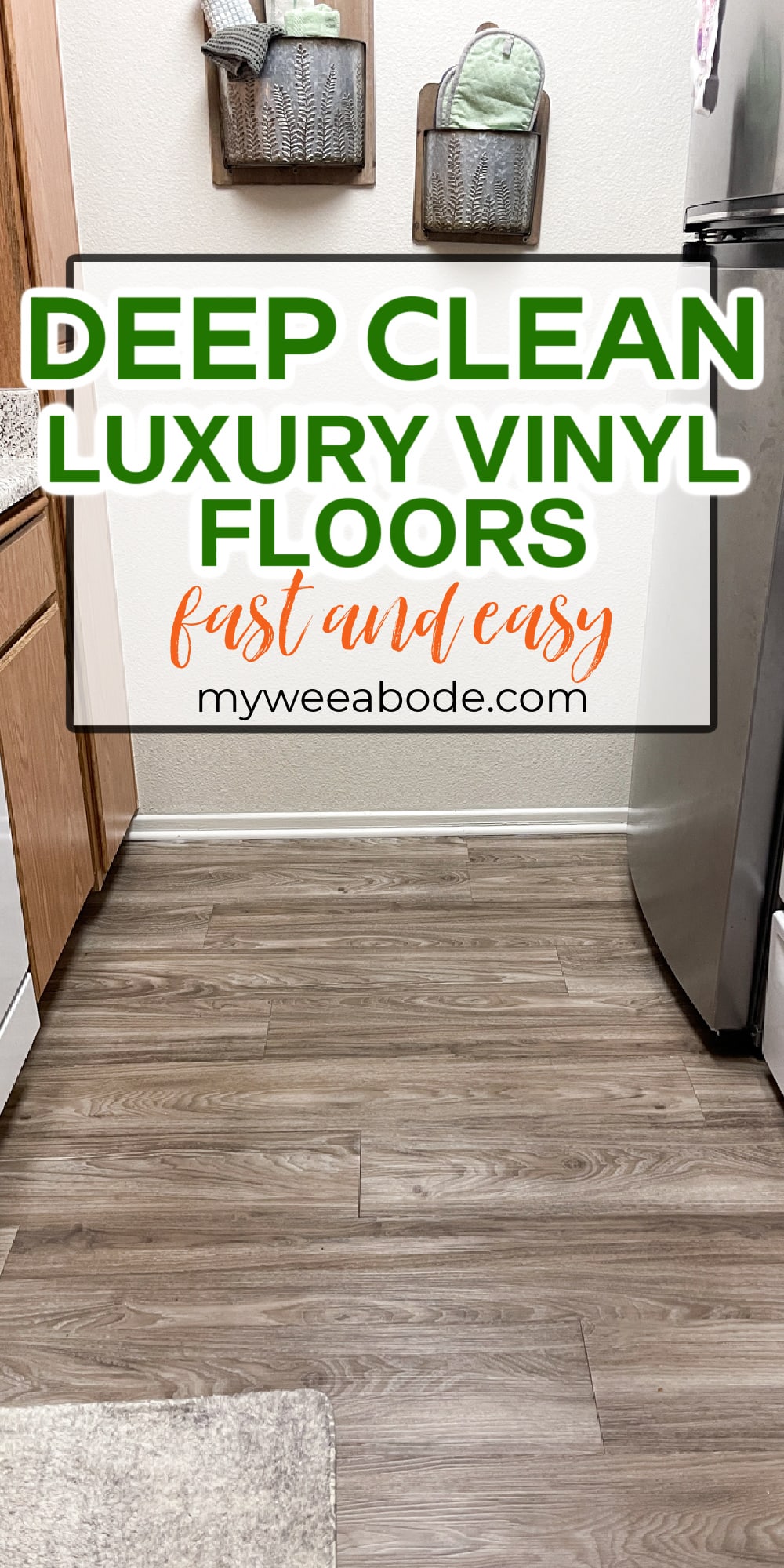
Luxury vinyl planks look like real wood or stone. They have a thick wear layer for protection. This layer makes them durable and scratch-resistant. They are easy to clean with gentle, pH-neutral cleaners. Avoid harsh chemicals that can damage the surface.
Rigid Core Vinyl
Rigid core vinyl has a firm core for extra strength. It resists dents and heavy foot traffic well. This type handles moisture better than others. Clean with mild soap and water to keep it safe. Strong cleaners can wear down the protective layer.
Flexible Vinyl Sheets
Flexible vinyl sheets are thin and bendable. They cover large areas without seams. These sheets are softer and can scratch easily. Use gentle, non-abrasive cleaners to protect the finish. Avoid soaking the floor with water during cleaning.
Common Floor Cleaner Options
Choosing the right cleaner helps keep vinyl plank floors bright and damage-free. Some cleaners are gentle and safe, while others are specially made for vinyl. Knowing the common options makes cleaning easier and more effective.
Water And Mild Soap
Plain water with a little mild soap is a simple way to clean vinyl floors. Use a soft mop or cloth to avoid scratching. This mix removes dirt without harming the floor’s surface. Avoid harsh soaps that can leave a sticky layer.
Commercial Vinyl Cleaners
Many stores sell cleaners made just for vinyl floors. These products clean deeply and protect the finish. They often control shine and stop slipping. Follow the label instructions to get the best results and keep floors safe.
Homemade Cleaning Solutions
Simple home mixes can work well too. A mix of vinegar and water cleans and disinfects gently. Avoid strong acids or ammonia, which can damage vinyl. Always test a small spot first to check for any reaction.
Cleaning Products To Avoid
Choosing the right cleaner for vinyl plank flooring is important. Some products can damage the surface or make it look dull. Avoiding certain cleaning products keeps your floor safe and shiny. Here are the main types of cleaners to stay away from.
Abrasive Cleaners
Abrasive cleaners contain rough particles. These can scratch vinyl planks and ruin the finish. Avoid powders or scrubs with hard granules. Use soft cloths or mops with gentle cleaners instead.
Wax And Oil-based Products
Wax and oil-based cleaners leave a sticky layer on vinyl floors. This layer attracts dirt and dust quickly. It also makes the floor slippery and dull over time. Choose water-based cleaners for a clean, natural shine.
Ammonia And Bleach
Ammonia and bleach are harsh chemicals. They can break down the protective layer on vinyl planks. This damage causes discoloration and weakens the floor. Use mild, pH-neutral cleaners for safe cleaning.
Best Practices For Cleaning
Maintaining vinyl plank flooring requires simple and careful cleaning habits. Proper cleaning keeps floors looking new and extends their life. Follow these best practices for daily care and deeper cleaning.
Regular Sweeping And Vacuuming
Remove dust and dirt daily. Use a soft-bristle broom or a vacuum without a beater bar. This prevents scratches and keeps the floor smooth. Clean corners and under furniture often.
Damp Mopping Techniques
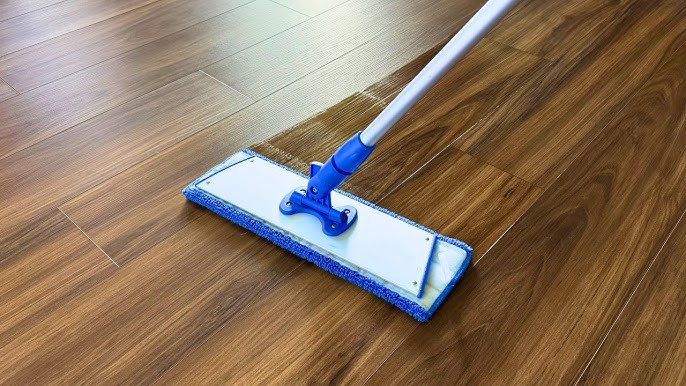
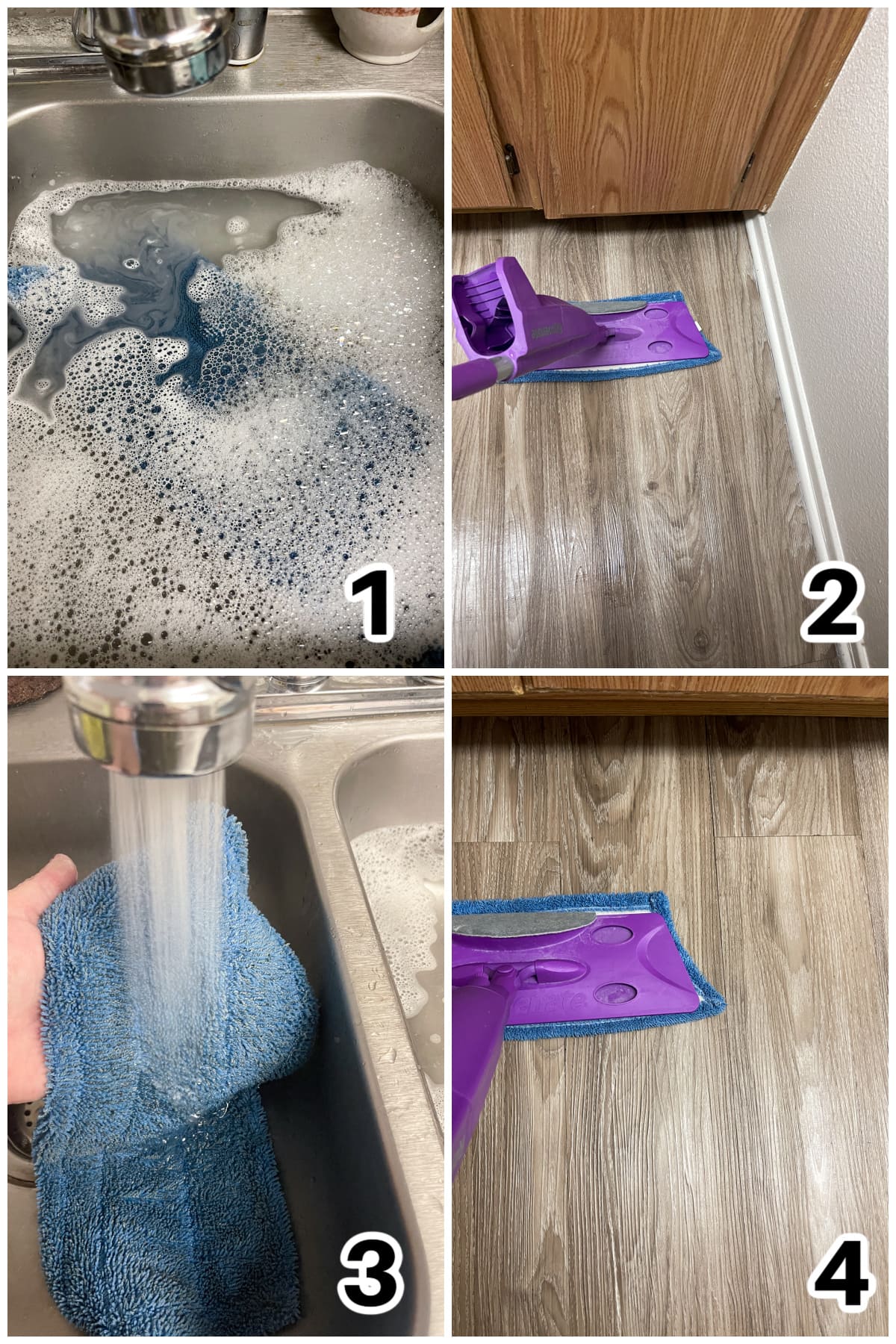
Use a damp mop with warm water and a mild cleaner made for vinyl floors. Avoid soaking the floor with water. Wring the mop well before use. Mop in small sections and dry quickly with a soft cloth.
Spot Cleaning Tips
Clean spills immediately to avoid stains. Use a soft cloth and gentle cleaner. For tough spots, a mixture of water and vinegar works well. Avoid abrasive scrubbers that can damage the surface.
Maintaining Shine And Durability
Maintaining the shine and durability of vinyl plank flooring requires careful care and the right cleaning methods. Using the proper floor cleaner helps keep the surface looking fresh and protects it from damage. Consistent care extends the life of your flooring and keeps it attractive over time.
Using Protective Mats
Place protective mats at entrances and high-traffic areas. Mats catch dirt and grit that can scratch the floor. They also reduce wear from heavy foot traffic. Choose mats with a soft backing to avoid damaging the vinyl.
Avoiding Excess Water
Vinyl plank floors do not like too much water. Excess water can seep into seams and cause swelling. Use a damp mop, not a soaking wet one. Wring out the mop well before cleaning. Dry the floor quickly after mopping to prevent water damage.
Periodic Deep Cleaning
Regular deep cleaning removes built-up dirt and grime. Use a cleaner made for vinyl floors to avoid damage. Follow the instructions on the cleaner’s label carefully. Deep cleaning every few months keeps the floor looking new and shiny.
Eco-friendly Cleaning Alternatives
Choosing eco-friendly cleaning alternatives for vinyl plank flooring helps protect your home and the environment. These options avoid harsh chemicals that may damage your floor or cause health issues. Simple natural ingredients work well and keep your floor clean without leaving harmful residues.
Vinegar And Water Mix
A vinegar and water mix is a popular natural cleaner for vinyl floors. Use one cup of white vinegar in one gallon of warm water. This solution removes dirt and grime without harming the floor’s surface. Avoid using undiluted vinegar, as it can dull the finish over time.
Baking Soda Applications
Baking soda acts as a gentle scrubber for tough spots on vinyl planks. Sprinkle a small amount on a damp cloth or sponge. Rub gently on stains or marks. Rinse the area with clean water to remove any residue. Baking soda helps lift dirt without scratching the floor.
Essential Oils For Freshness
Essential oils add a pleasant scent to your cleaning routine. Add a few drops of oils like lavender or lemon to your vinegar and water mix. These oils also have natural antibacterial properties. They leave your vinyl plank flooring smelling fresh and clean.
Choosing The Right Cleaner For Your Vinyl
Choosing the right cleaner for your vinyl plank flooring is important to keep it looking fresh and lasting longer. The wrong cleaner can damage the surface or leave it dull. Using a cleaner made for vinyl floors helps protect the finish and removes dirt effectively.
Consider the type of finish on your floor, how often you clean, and your budget. These factors help you pick the best cleaner. This way, your vinyl floors stay shiny and in good shape.
Considering Floor Finish
Vinyl planks have different finishes like matte, glossy, or satin. Some cleaners work better on certain finishes. A gentle, pH-neutral cleaner suits most finishes. Avoid harsh chemicals or abrasive cleaners that can damage the floor. Test any cleaner on a small spot first.
Assessing Cleaning Frequency
Daily cleaning needs a mild cleaner to avoid buildup. For occasional deep cleaning, stronger products can help but use them sparingly. Frequent use of harsh cleaners can wear out the floor finish. Choose a cleaner that matches how often you clean.
Budget And Availability
Vinyl floor cleaners vary in price from budget to premium. Many affordable options work well and are easy to find in stores. Check the labels to ensure they are safe for vinyl floors. Choosing a cleaner that fits your budget and is easy to buy keeps your routine simple.
Frequently Asked Questions
What Type Of Cleaner Is Safe For Vinyl Plank Flooring?
Use a pH-neutral, non-abrasive cleaner for vinyl plank floors. Avoid harsh chemicals like bleach or ammonia. These can damage the surface and reduce the floor’s lifespan.
Can Vinegar Be Used To Clean Vinyl Plank Flooring?
Yes, diluted vinegar is effective for vinyl plank floors. Mix one cup of vinegar with a gallon of warm water. It cleans well without leaving residue or causing damage.
How Often Should Vinyl Plank Floors Be Cleaned?
Clean vinyl plank floors weekly with a gentle cleaner. Spot clean spills immediately to prevent stains. Regular maintenance keeps floors looking new and extends their durability.
Are Steam Cleaners Safe For Vinyl Plank Flooring?
Avoid steam cleaners on vinyl plank floors. Excessive heat and moisture can cause warping or lifting. Stick to damp mopping with approved cleaners for best results.
Conclusion
Choosing the right cleaner keeps vinyl plank floors shiny and strong. Use gentle, pH-neutral products to avoid damage. Avoid harsh chemicals that can dull or crack the surface. Regular cleaning with proper solutions helps maintain beauty and durability. Simple care routines save money and time in the long run.
Clean floors create a fresh, welcoming home environment. Remember, gentle cleaning protects your investment well.