Are you confused about choosing the right chair for your workspace? You might have heard about task chairs and office chairs but aren’t sure how they differ or which one suits your needs best.
Picking the wrong chair can lead to discomfort, poor posture, and even back pain. But don’t worry—this article will clear up the confusion and help you understand exactly what sets a task chair apart from an office chair. By the end, you’ll know which chair fits your work style and keeps you comfortable all day long.
Keep reading to make an informed choice that supports your productivity and well-being.

Task Chair Features
Task chairs have special features that make them useful for work. These chairs focus on comfort and support for people who sit for long times. Understanding their features helps you choose the right chair for your workspace.
Each feature is designed to improve your sitting experience and reduce tiredness. Let’s explore the main features of task chairs.
Design And Size
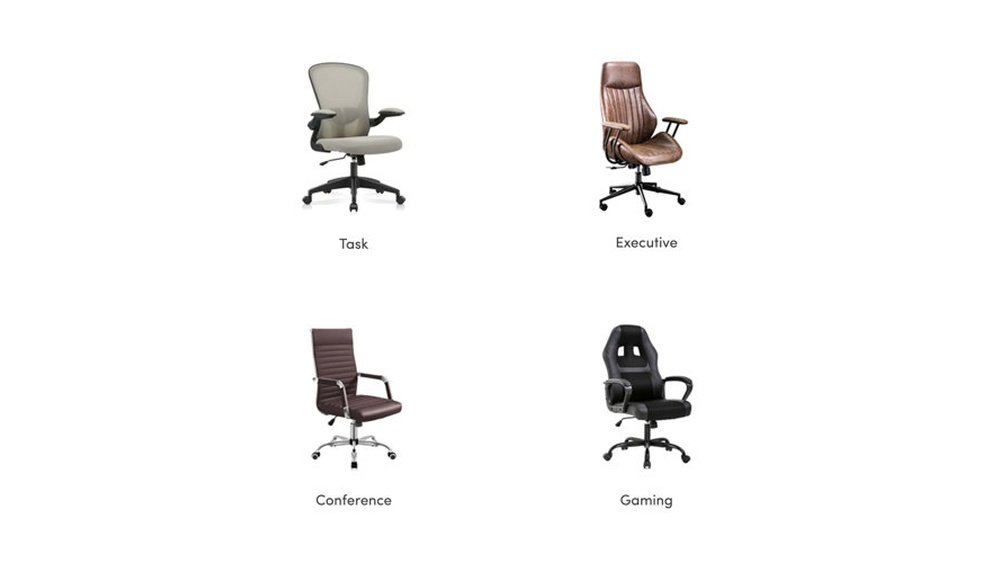
Task chairs are usually smaller and lighter than office chairs. Their simple design fits well in small spaces. The compact size makes it easy to move the chair around. Task chairs often have a low back or mid-back design. This helps keep the chair less bulky but still supportive.
Adjustability Options
Task chairs offer many ways to adjust for comfort. You can change the seat height to fit your desk. Some models let you tilt the backrest or lock it in place. Armrests may be adjustable or fixed. These options help you find a good sitting position. The adjustability supports different body types and tasks.
Ergonomic Support
Task chairs provide basic ergonomic support for your back. They usually have a curved backrest to support the lower spine. The seat often has padding for comfort. Some task chairs include lumbar support to reduce back strain. Good ergonomics help prevent pain and improve posture during work.
Intended Use
Task chairs are made for short to medium sitting periods. They suit tasks like typing, writing, or phone work. These chairs are common in offices, homes, and schools. They are not ideal for very long hours at a desk. Task chairs focus on flexibility and ease of use for many activities.

Office Chair Characteristics
Office chairs have distinct traits that set them apart from task chairs. They focus on style, comfort, and functionality. These features suit long hours at a desk and various office settings. Below is a breakdown of their key characteristics.
Design And Style
Office chairs often have a formal and polished look. They use leather or high-quality fabric to create a professional feel. Their design matches most office decors. Many have high backs and armrests for a classic appearance.
Comfort And Padding
These chairs offer thick padding on the seat and back. The cushioning supports the body during long work hours. Many models include lumbar support to protect the lower back. Comfort is a priority to reduce fatigue.
Mobility And Swivel
Office chairs usually come with wheels for easy movement. They have a 360-degree swivel for flexibility. This helps users reach different areas without standing up. The mobility adds to work efficiency.
Usage Environment
Office chairs fit well in formal office spaces and meeting rooms. They are ideal for desk jobs and computer work. Their style suits corporate and professional settings. They are less common in casual or creative workspaces.
Comparing Task Chairs And Office Chairs
Task chairs and office chairs serve similar purposes but differ in design and features. Both support long hours of sitting but target different user needs. Comparing these two chair types helps find the best fit for your workspace.
Comfort Levels
Task chairs usually have a simple design with basic padding. They offer moderate comfort for short to medium use. Office chairs often come with extra cushioning and ergonomic support. They focus on comfort during long work hours.
Adjustability And Flexibility
Task chairs provide limited adjustments, like seat height and swivel. Office chairs offer more options, including lumbar support, tilt, and armrest adjustments. This flexibility helps maintain good posture and reduces strain.
Durability And Build
Task chairs are made for lighter use and may wear out faster. Office chairs use stronger materials for heavy, daily use. The build quality in office chairs is usually higher for long-term durability.
Price Range
Task chairs are more budget-friendly and cost less. Office chairs tend to be pricier due to extra features and durability. The price difference reflects the chair’s intended use and quality.
Choosing The Right Chair
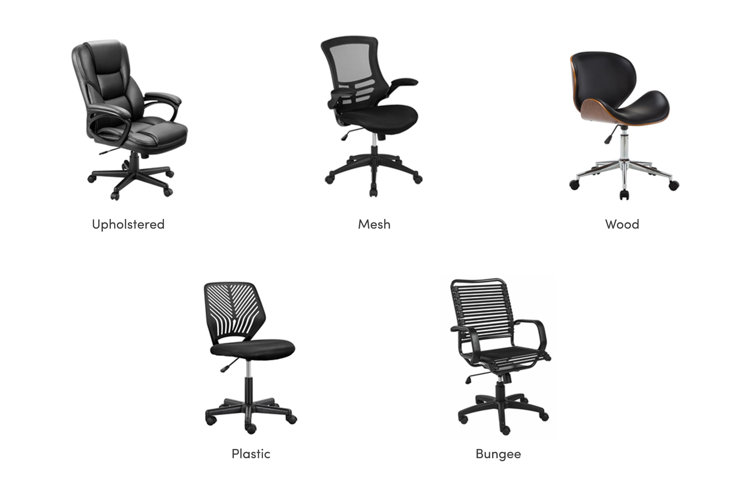
Choosing the right chair is important for comfort and productivity. The right chair supports your body during work hours. It helps avoid pain and tiredness. Different chairs suit different needs and spaces. Understanding key factors makes the choice easier.
Work Needs And Duration
Task chairs fit short work periods. They offer basic support and mobility. Office chairs suit longer work sessions. They provide better cushioning and adjustability. Think about how long you sit each day. Choose a chair that matches your work style.
Space Constraints
Task chairs are usually smaller and lighter. They work well in tight spaces. Office chairs need more room for movement. Measure your workspace before buying. Pick a chair that fits comfortably without crowding.
Budget Considerations
Task chairs are often more affordable. They cover essential features without extra cost. Office chairs tend to be pricier with more adjustments. Set a budget and find the best option within it. Balance cost with comfort and quality.
Health And Posture
Office chairs often include lumbar support and armrests. They help maintain good posture. Task chairs may lack advanced support features. Choose a chair that supports your back and neck. Good posture reduces pain and boosts focus.
Frequently Asked Questions
What Distinguishes A Task Chair From An Office Chair?
A task chair is designed for short-term, focused work with simple features. An office chair offers more comfort and adjustability for long hours.
Are Task Chairs More Ergonomic Than Office Chairs?
Task chairs provide basic ergonomics for quick tasks. Office chairs usually have advanced ergonomic features for better support during extended use.
Which Chair Is Better For Home Office Use?
Office chairs are better for home offices if you work long hours. Task chairs suit occasional or short-duration tasks.
Do Task Chairs Cost Less Than Office Chairs?
Yes, task chairs generally cost less due to simpler design and fewer features. Office chairs tend to be pricier with more adjustments.
Conclusion
Task chairs and office chairs serve different needs in workspaces. Task chairs focus on mobility and light support for short tasks. Office chairs offer more comfort and features for long hours. Choosing the right chair helps improve posture and productivity.
Think about your daily work style before deciding. Both chairs have unique benefits to fit your space. Comfort and function matter most for a good workday. Pick the chair that matches your tasks and body well.