Choosing the best food for your dog can feel overwhelming. You want to give your furry friend the healthiest, tastiest meals possible.
But with so many options on the market, how do you know what truly suits your dog’s needs? You’ll discover simple, clear answers to help you make the right choice. By the end, you’ll feel confident about feeding your dog food that supports their health and happiness every day.
Keep reading to find out what your dog really deserves!
:strip_icc()/best-dog-food-brands-4843452-288291ec7574447fa5bcb360f5ea6918.jpg)
Essential Nutrients For Dogs
Dogs need many nutrients to stay healthy and strong. These nutrients help their bodies work well every day. A balanced diet with the right nutrients supports energy, growth, and a shiny coat. Knowing the essential nutrients helps you pick the best food for your dog.
Proteins And Amino Acids
Proteins build muscles, skin, and fur. Dogs need good quality proteins from meat, fish, or eggs. Amino acids are the building blocks of proteins. Some amino acids are essential and must come from food. They help repair tissues and keep the immune system strong.
Healthy Fats
Fats give dogs energy and help absorb vitamins. Healthy fats come from fish oils and animal fats. Omega-3 and Omega-6 fats improve brain function and reduce inflammation. These fats also keep the skin soft and the coat shiny.
Carbohydrates And Fiber
Carbohydrates provide energy for daily activities. Dogs digest carbs from grains, vegetables, and fruits. Fiber helps digestion and prevents constipation. It also supports healthy gut bacteria, which aids nutrient absorption.
Vitamins And Minerals
Vitamins keep the body’s systems working well. Vitamins A, D, E, and K support vision, bones, and skin. Minerals like calcium and phosphorus build strong teeth and bones. Iron helps carry oxygen in the blood. A mix of vitamins and minerals is vital for overall health.
Types Of Dog Food
Choosing the right food is key to your dog’s health. Dogs need balanced meals with good nutrients. Different types of dog food offer various benefits. Understanding these types helps you pick the best option for your pet.
Dry Kibble Benefits
Dry kibble is the most common dog food. It stays fresh longer and is easy to store. Kibble helps clean dogs’ teeth by reducing plaque. It is usually more affordable than other types. Many brands offer formulas for different dog needs.
Wet Food Advantages
Wet food has more moisture than dry kibble. It tastes great and is easier to chew. This food type helps keep dogs hydrated. Wet food often contains higher protein levels. It suits older dogs or those with dental issues.
Raw And Homemade Options
Raw and homemade diets are natural and fresh. They include raw meats, vegetables, and grains. Many owners prefer this to control ingredients. Careful preparation is important to avoid bacteria. These diets may need advice from a vet.
Specialty Diets
Specialty diets target specific health problems. These include grain-free, hypoallergenic, and weight control foods. Dogs with allergies or sensitivities benefit from these options. Veterinary guidance helps choose the right specialty diet. They support your dog’s unique health needs.
Top Nutritious Ingredients
Choosing the right ingredients is key to healthy dog food. Nutritious ingredients help dogs stay strong and energetic. They support good digestion, shiny coats, and a healthy heart. Here are some of the best ingredients to include in your dog’s diet.
Lean Meats And Fish
Lean meats like chicken, turkey, and beef are great protein sources. They help build and repair muscles. Fish such as salmon and sardines provide omega-3 fatty acids. These fats boost brain health and reduce inflammation. Avoid fatty cuts or processed meats to keep meals healthy.
Whole Grains And Vegetables
Whole grains like brown rice and oatmeal give dogs fiber and energy. Fiber supports digestion and keeps stools firm. Vegetables such as carrots, peas, and sweet potatoes add vitamins and minerals. They also contain antioxidants that protect cells from damage.
Fruits For Dogs
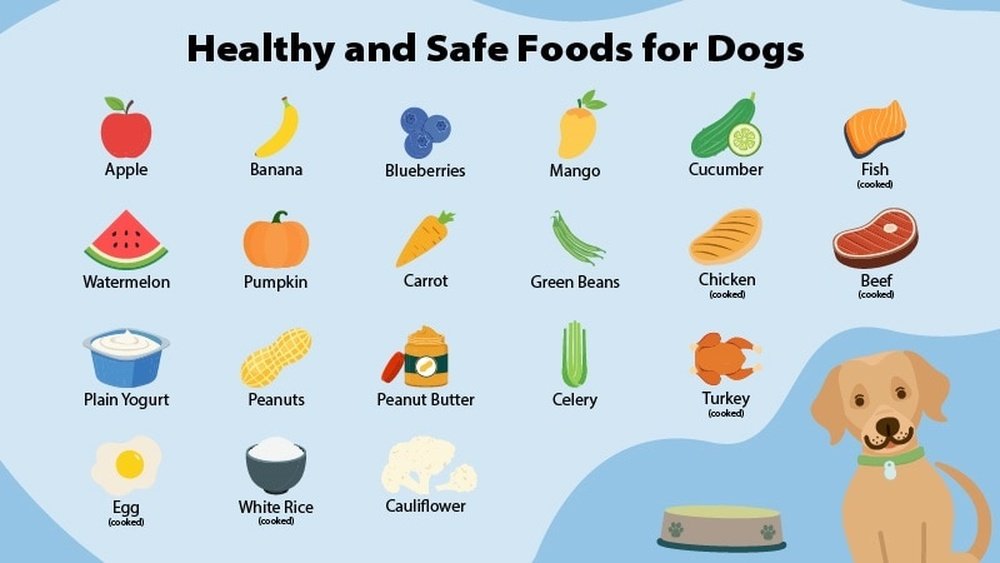
Fruits offer natural vitamins, minerals, and fiber. Apples, blueberries, and bananas are safe and tasty choices. They help with digestion and provide antioxidants. Feed fruits in small amounts to avoid stomach upset.
Supplements And Additives
Supplements like fish oil and glucosamine support joints and coat health. Probiotics improve gut health and immunity. Always choose high-quality supplements made for dogs. Consult a vet before adding any new supplements.

Choosing Food Based On Dog’s Life Stage
Choosing the right food depends on your dog’s life stage. Dogs have different nutritional needs as they grow and age. Feeding the correct diet supports their health and energy. It also helps prevent illness and supports a long life. Understanding these needs makes feeding easier and more effective.
Puppy Nutrition Needs
Puppies need food rich in protein and fat. These nutrients support fast growth and brain development. Puppy food often contains extra vitamins and minerals. Small, frequent meals suit their small stomachs. Avoid adult dog food for puppies. It lacks essential nutrients for early growth.
Adult Dog Diets
Adult dogs need balanced food to maintain weight and health. Protein should come from quality sources like chicken or fish. Carbohydrates provide energy but should not be too high. Adult dog food helps keep muscles strong. Feeding the right portion prevents obesity.
Senior Dog Food Tips
Older dogs need fewer calories but more fiber. Their metabolism slows, so excess energy leads to weight gain. Senior dog food often has joint-supporting ingredients. Soft textures may help with dental issues. Regular vet checks help adjust diet as needed.
Considerations For Pregnant Or Nursing Dogs
Pregnant and nursing dogs require extra calories and nutrients. Protein and fat needs increase significantly during this time. Feeding high-quality puppy food can meet these demands. Fresh water should always be available. Careful monitoring of weight and health is vital.
Common Food Allergies And Sensitivities
Many dogs face common food allergies and sensitivities. These can cause skin problems, itching, or stomach upset. Knowing the signs helps you keep your dog healthy and happy.
Identifying Allergens
Common allergens include beef, chicken, dairy, and wheat. Dogs may scratch, lick paws, or vomit after eating these foods. A vet can help find the allergen through tests or diet trials. Watch for changes after meals to spot triggers early.
Hypoallergenic Food Choices
Hypoallergenic foods use novel proteins like duck or venison. These proteins are less likely to cause allergies. Some dog foods use hydrolyzed proteins that break down allergens. These options support dogs with sensitive stomachs and skin.
Managing Food Intolerances
Food intolerance is different from allergies and is less severe. It may cause gas, diarrhea, or mild discomfort. Avoiding the offending food is key. Feeding simple, easily digestible meals helps reduce symptoms. Always introduce new foods slowly.
Tips For Feeding Dogs Safely
Feeding your dog safely is key to their health and happiness. Proper feeding helps avoid health problems and keeps their energy steady. Understanding safe feeding tips ensures your dog enjoys every meal without risks.
Portion Control And Feeding Schedule
Give your dog the right amount of food based on their size and age. Too much food can cause weight gain and health issues. Too little food can lead to malnutrition and low energy.
Set regular feeding times each day. Dogs thrive on routine. Feeding at the same time helps digestion and reduces begging.
Avoiding Harmful Foods
Some foods are dangerous for dogs. Chocolate, grapes, onions, and garlic can cause serious illness. Avoid giving these to your dog at all times.
Also, stay away from foods with high fat, salt, or sugar. These can harm your dog’s heart and digestion. Stick to dog-safe treats and meals.
Reading Dog Food Labels
Check the ingredients on dog food labels carefully. Choose foods with real meat listed first. Avoid products with too many fillers like corn or soy.
Look for added vitamins and minerals. These support your dog’s overall health. Avoid artificial colors, flavors, and preservatives that may cause allergies.
Top Recommended Dog Food Brands
Choosing the right food for your dog matters a lot. Dogs need balanced nutrition to stay healthy and happy. Many brands make dog food, but some stand out for quality and safety. This section shares top recommended dog food brands. These options suit different budgets and needs.
Premium Commercial Brands
Premium brands use high-quality ingredients. They often have real meat as the main source. These foods contain vitamins, minerals, and no fillers. Brands like Blue Buffalo and Orijen are popular in this group. They support strong muscles and shiny coats. Premium foods suit dogs with sensitive stomachs or allergies.
Vet-recommended Options
Veterinarians suggest brands backed by science. These foods help with specific health issues like weight, digestion, or skin problems. Hill’s Science Diet and Royal Canin are trusted choices. They offer formulas made for puppies, adults, and seniors. Vets trust these brands for balanced and safe nutrition.
Budget-friendly Choices
Good dog food does not have to be expensive. Budget-friendly brands still provide complete nutrition. Purina Dog Chow and Pedigree offer affordable options. These brands have essential nutrients for everyday health. Great for pet owners who want value without losing quality.
:max_bytes(150000):strip_icc()/11-human-foods-dogs-can-eat-and-5-they-shouldnt-color01-18549b5534c4402b8641c1c60d33b9b2.jpg)
Frequently Asked Questions
What Nutrients Should I Look For In Dog Food?
Look for protein, healthy fats, fiber, vitamins, and minerals. These nutrients support your dog’s energy, growth, and overall health. Balanced nutrition promotes a strong immune system and healthy skin.
Are Homemade Meals Good For Dogs?
Homemade meals can be healthy if well-balanced. Include protein, vegetables, and grains. Consult a vet to ensure all nutrient needs are met and avoid deficiencies.
How Often Should I Feed My Dog?
Feed adult dogs twice a day, puppies three to four times. Consistent feeding times help digestion and maintain healthy weight. Adjust portions based on activity and size.
Is Grain-free Dog Food Better?
Grain-free food suits dogs with allergies or sensitivities. However, most dogs digest grains well. Consult your vet before switching to grain-free options.
Conclusion
Choosing the best food for dogs means thinking about their health first. Good food helps dogs stay active and happy every day. Fresh ingredients and balanced nutrients give dogs the energy they need. Pay attention to your dog’s age, size, and tastes.
Each dog is unique and needs different care. Always watch how your dog reacts to new food. Healthy food leads to a longer, joyful life for your pet. Simple choices make a big difference in your dog’s well-being. Keep your dog’s diet smart and full of love.