Are you tired of dealing with slow-draining bathroom sinks that just won’t clear up? You’re not alone.
A clogged sink can disrupt your daily routine and cause unnecessary frustration. But finding the right drain cleaner can feel overwhelming with so many options available. What if you could discover the best drain cleaner that works quickly, safely, and effectively for your bathroom sink?
Keep reading, because this guide will help you unlock the secret to a clear, fresh-smelling drain without any hassle. Your sink—and your peace of mind—will thank you.
:strip_icc()/how-to-clean-a-bathroom-sink-drain-01-c728294c8bee42428afdf3e69f449279.jpg)
Common Causes Of Bathroom Sink Clogs
Bathroom sink clogs happen often. They stop water from flowing freely. Understanding what causes these clogs helps to prevent or fix them. Several common problems block bathroom drains.
Hair And Soap Residue
Hair is a major clog cause in bathroom sinks. It collects inside pipes and traps other debris. Soap residue mixes with hair and forms a sticky clog. This buildup slows down water flow.
Mineral Buildup
Hard water leaves minerals like calcium in pipes. These minerals build up over time. The buildup narrows pipes and blocks water flow. It can be tough to remove without the right cleaner.
Foreign Objects
Small objects sometimes fall into the sink drain. Items like jewelry, toothpaste caps, or cotton swabs block pipes. These objects stop water and waste from draining. Removing them quickly can prevent bigger problems.
Types Of Drain Cleaners
Bathroom sink drains can get clogged from hair, soap, and dirt. Choosing the right drain cleaner helps fix the problem fast. There are three main types of drain cleaners. Each type works differently and fits different needs. Knowing these types helps you pick the best one for your sink.
Chemical Cleaners
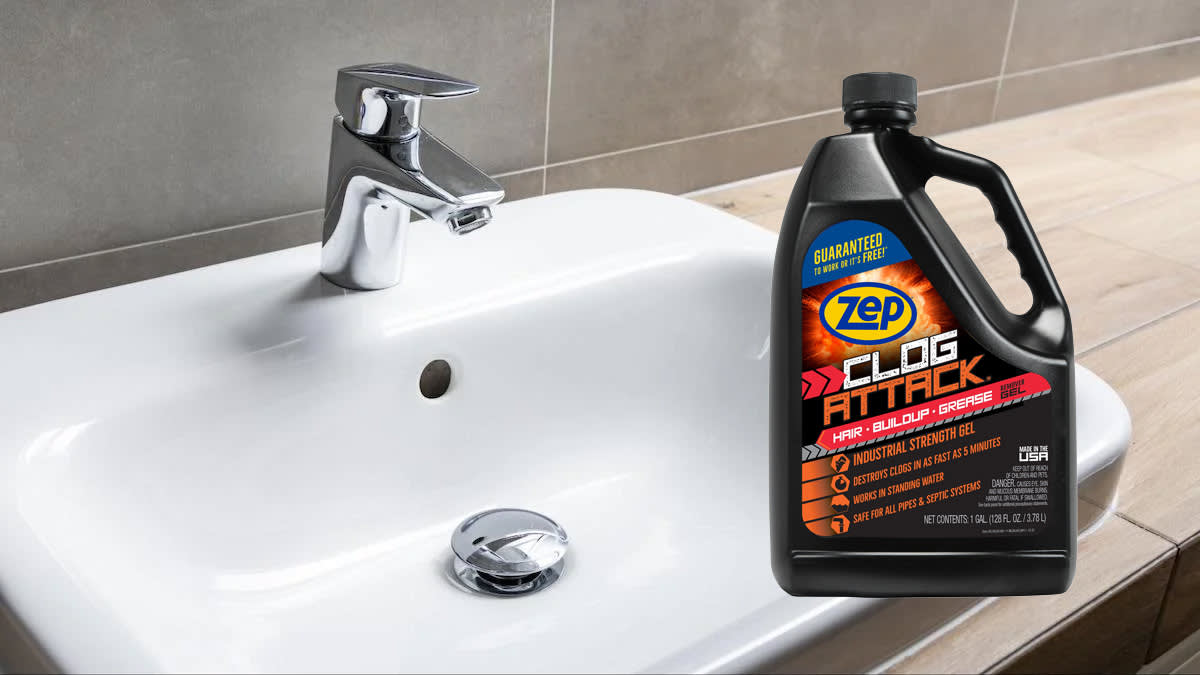
Chemical cleaners use strong acids or bases to break down clogs. They work fast and can dissolve hair and grease. Use them carefully to avoid damaging pipes or skin. Chemical cleaners are good for tough blockages but not for regular use.
Enzymatic Cleaners
Enzymatic cleaners use natural enzymes and bacteria to eat away organic material. They are safer for pipes and the environment. These cleaners take longer to work but help keep drains clean over time. Ideal for slow drains and regular maintenance.
Mechanical Tools
Mechanical tools like plungers and drain snakes physically remove blockages. They do not use chemicals and are safe for all pipes. These tools are effective for stubborn clogs and can be reused. Good for quick fixes and avoiding harsh chemicals.
Criteria For Choosing Drain Cleaners
Choosing the right drain cleaner for bathroom sinks matters a lot. It ensures your pipes stay clear without damage. You also want a product that is easy to use and safe for the environment. These points help pick the best cleaner that fits your needs.
Effectiveness
Effectiveness means how well the cleaner removes clogs and buildup. A good cleaner works fast and clears drains completely. It should handle hair, soap scum, and grime easily. Check for products that have positive reviews about their cleaning power.
Safety For Pipes
Drain cleaners must be safe for your pipes. Some harsh chemicals can cause pipe damage over time. Choose cleaners that do not corrode metal or plastic pipes. Products labeled safe for all pipe types are a better choice.
Environmental Impact
Consider how the cleaner affects the environment. Some cleaners contain toxic chemicals that harm water and soil. Opt for eco-friendly products that use natural ingredients. These are safer for your home and the planet.
Ease Of Use
Ease of use means how simple the cleaner is to apply. Look for products with clear instructions and quick action. Ready-to-use liquids or gels usually work well. Avoid cleaners that require complex steps or long waiting times.
Top Drain Cleaners For Bathroom Sinks
Bathroom sink drains often get clogged with hair, soap, and dirt. Choosing the right drain cleaner keeps your sink clear and smelling fresh. Different types of cleaners work best for various problems. Here are top options to help you pick the best one for your bathroom sink.
Best Chemical Cleaner
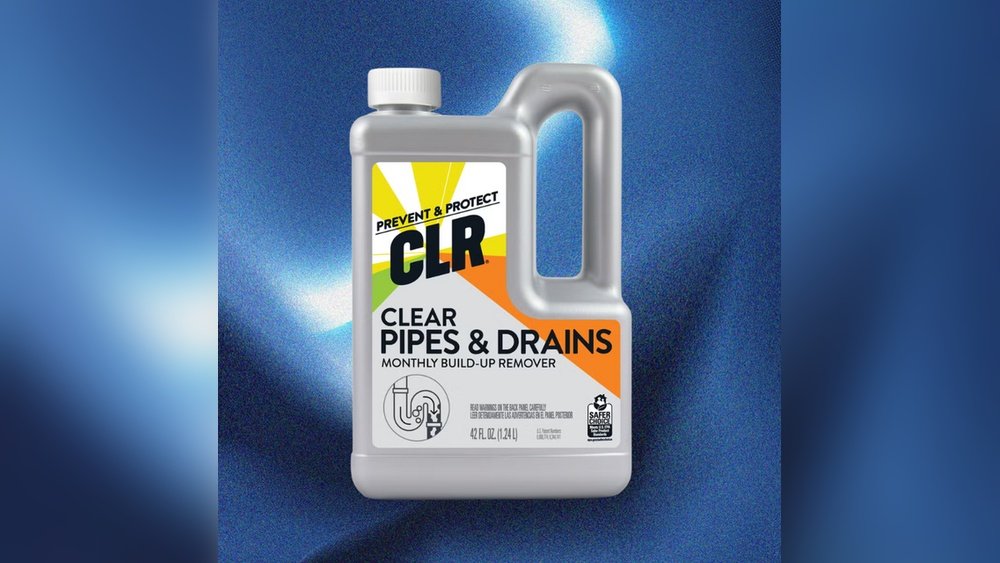
Chemical cleaners dissolve clogs quickly. They use strong ingredients like sodium hydroxide or sulfuric acid. These break down hair and grease fast. Use them with care to avoid pipe damage or skin irritation. Always follow safety instructions on the label. Chemical cleaners work well for tough blockages but are not for frequent use.
Best Enzymatic Cleaner
Enzymatic cleaners use natural enzymes to eat away organic matter. They are safe for pipes and the environment. These cleaners take longer to work but prevent future clogs. Enzymatic cleaners are perfect for regular maintenance. They keep your drain healthy without harsh chemicals.
Best Mechanical Tool
Mechanical tools like drain snakes or plungers remove clogs physically. They reach deep inside pipes to pull out hair and debris. These tools do not use chemicals, making them safe and reusable. Mechanical cleaning gives instant results and is good for stubborn blockages. Use them carefully to avoid pipe damage.
Tips For Preventing Sink Clogs
Preventing sink clogs is key to keeping your bathroom sink working well. Clogs cause slow drainage and bad smells. They also lead to costly repairs. Simple steps help avoid these problems. Follow easy tips to keep your sink clear and fresh.
Regular Maintenance
Clean your sink drain regularly to stop buildup. Pour hot water down the drain once a week. This helps melt grease and soap scum. Use a mixture of baking soda and vinegar monthly. It breaks down dirt and clears minor blockages. Avoid letting hair and debris stay in the drain.
Proper Usage Habits
Only water should go down your bathroom sink. Avoid pouring oils, lotions, or thick liquids into the drain. Rinse off makeup or shaving cream in small amounts. Wipe excess residue from the sink surface before washing. These habits reduce the chance of clogging.
Using Drain Guards
Install a drain guard to catch hair and debris. These simple tools stop large particles from entering the pipes. Clean the guard often to keep it effective. Drain guards are inexpensive and easy to use. They prevent many common causes of sink clogs.
When To Call A Professional
Knowing when to call a professional plumber is important for bathroom sink problems. Some issues need expert help to avoid damage or extra costs. Understanding these signs can save time and money. Here are key situations that require a professional’s touch.
Persistent Clogs
Clogs that return after cleaning show a bigger problem. Simple drain cleaners might not clear deep blockages. A plumber can find and fix the root cause. They use special tools to clear pipes fully.
Damaged Pipes
Cracked or broken pipes cause leaks and water damage. Signs include wet spots under the sink or strange smells. Professionals can repair or replace pipes safely. Ignoring damage can lead to costly repairs later.
Frequent Blockages
Repeated clogs suggest a serious issue inside the plumbing system. It might be pipe buildup or poor pipe design. A plumber can inspect and fix these problems. This prevents future blockages and keeps water flowing well.
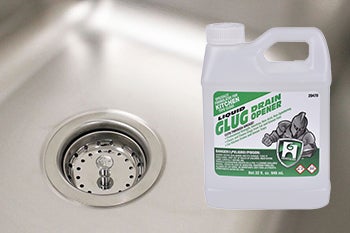
Frequently Asked Questions
What Is The Safest Drain Cleaner For Bathroom Sinks?
The safest drain cleaners are enzyme-based or natural solutions. They break down clogs without harsh chemicals. These cleaners protect pipes and the environment while effectively clearing blockages in bathroom sinks.
How Do Chemical Drain Cleaners Work In Sinks?
Chemical drain cleaners dissolve hair, grease, and soap scum. They use strong acids or bases to break clogs quickly. However, they can damage pipes if used frequently or improperly, so use them cautiously.
Can Homemade Drain Cleaners Effectively Clear Bathroom Sinks?
Yes, homemade cleaners like baking soda and vinegar can unclog minor blockages. They are eco-friendly and safe for pipes but may not work on tough clogs. Regular maintenance with homemade solutions prevents buildup.
How Often Should I Use Drain Cleaner In Bathroom Sinks?
Use drain cleaners only when necessary, typically once every few months. Overuse can damage pipes and fixtures. For regular maintenance, flush drains with hot water and avoid disposing of grease or hair.
Conclusion
Choosing the right drain cleaner keeps your bathroom sink clear and fresh. Safe products protect your pipes and work well against clogs. Regular cleaning stops buildup and avoids costly repairs. Simple steps make maintenance easy for everyone. Keep these tips in mind to find the best cleaner for your needs.
Clean drains help your bathroom stay clean and smell good. A little care goes a long way.