Have you ever felt tired or sore after sitting for a long time? The secret to staying comfortable might be in your chair’s lumbar support.
But what exactly is lumbar support, and why does it matter so much for your back? Understanding this simple feature can change the way you sit and help you avoid pain and discomfort every day. Keep reading to discover how lumbar support works and how it can make a big difference for your comfort and health.

Lumbar Support Basics
Lumbar support is a key part of a comfortable chair. It helps keep your lower back in a healthy position. Good lumbar support can reduce back pain and improve posture. Understanding the basics of lumbar support starts with knowing a bit about your spine and the role this support plays.
Spine And Lower Back Anatomy
Your spine has three main parts: cervical, thoracic, and lumbar. The lumbar spine is the lower part. It carries most of your body weight. The lumbar curve is a natural inward curve. This curve helps absorb shock and keep balance. Without support, this curve can flatten. That causes strain on muscles and discs.
Role Of Lumbar Support
Lumbar support helps keep the natural curve of your lower back. It fills the gap between your back and the chair. This support reduces pressure on your spine. It helps muscles relax and stay strong. Proper lumbar support also improves sitting posture. It stops you from slouching or leaning forward. Chairs with good lumbar support can prevent long-term back problems.
Types Of Lumbar Support
Lumbar support in chairs helps keep your lower back comfortable. It reduces pain and improves posture. There are different types of lumbar support. Each type offers unique benefits. Understanding these types helps you pick the best chair for your needs.
Fixed Lumbar Support
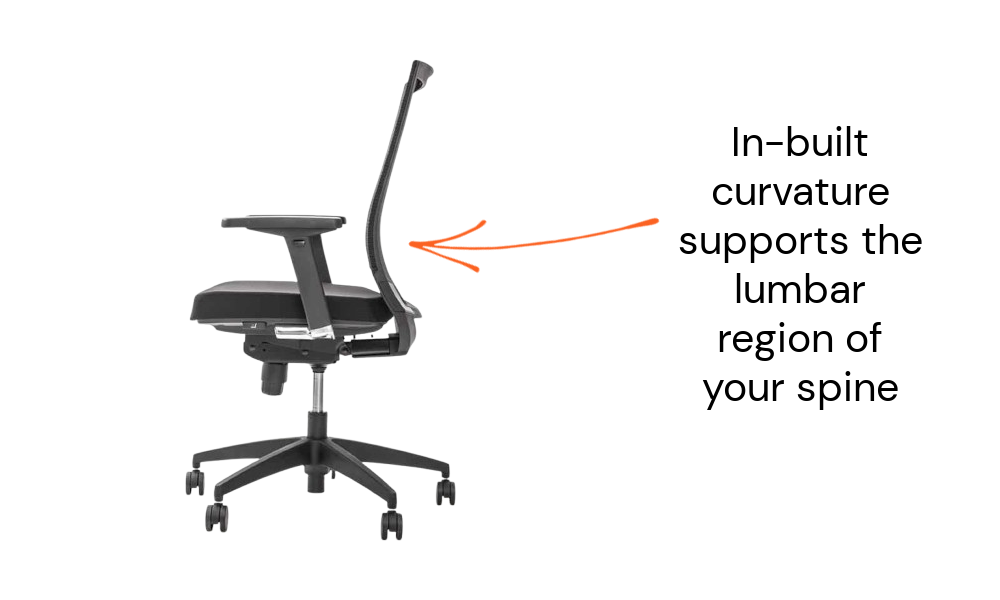
Fixed lumbar support is built into the chair’s backrest. It stays in one position and cannot be moved. This support is simple and usually less expensive. It works best for people with a consistent lumbar curve. It provides steady support but lacks flexibility for different users.
Adjustable Lumbar Support
Adjustable lumbar support lets you change the height and depth. You can move it up or down to match your lower back shape. This type fits more people because it adapts to different body sizes. It improves comfort during long sitting periods. Adjustability helps reduce strain on your spine.
Dynamic Lumbar Support
Dynamic lumbar support changes with your movements. It responds to shifts in posture throughout the day. This support keeps your lower back active and engaged. It reduces stiffness and prevents pain from sitting too long. Dynamic support works well in ergonomic office chairs.
Benefits Of Lumbar Support
Lumbar support in a chair offers many important benefits. It helps keep your lower back safe and comfortable during long sitting hours. This support shapes your spine’s natural curve and stops strain on your muscles and bones.
Good lumbar support can improve your health and your daily comfort. It is a key feature in office chairs, gaming chairs, and any seat used for long periods. Understanding these benefits helps you choose better seating for your needs.
Improved Posture
Lumbar support helps keep your spine in a natural position. It stops slouching and leaning forward. Sitting with proper posture reduces stress on your back and neck. Better posture also helps your lungs and digestion work well.
Reduced Back Pain
Many people suffer from lower back pain after sitting too long. Lumbar support eases pressure on the spine and muscles. It helps prevent pain from poor sitting habits. Using a chair with good lumbar support can reduce aches and stiffness.
Enhanced Comfort
Support in the lumbar area makes sitting more comfortable. It fills the gap between your lower back and the chair. This reduces fatigue and tension in your muscles. Comfort increases focus and productivity during work or study.
Choosing The Right Lumbar Support
Choosing the right lumbar support is key for a comfortable chair. It helps protect your lower back and improves posture. The right support fits your body and daily activities well. This section guides you through important points to consider.
Assessing Your Needs
Think about how many hours you sit each day. Notice if you feel back pain or stiffness. Your job type matters, too. Some tasks need more support than others. Knowing your habits helps pick the best lumbar support.
Ergonomic Features To Look For
Adjustability is important. Support that moves up or down fits different body shapes. Look for chairs with firm but gentle support. A curved design that matches your spine helps a lot. Check if the chair supports your lower back naturally.
Material And Design Considerations
Materials affect comfort and durability. Memory foam molds to your back and feels soft. Mesh offers breathability and keeps you cool. The design should allow easy movement and not press too hard. Choose materials that stay comfortable for long use.
Installing And Adjusting Lumbar Support
Installing and adjusting lumbar support in a chair is key to good posture. It helps prevent back pain and boosts comfort during long sitting hours. Proper lumbar support fits the natural curve of your lower spine. This section guides you through setting up and adjusting lumbar support for the best results.
Proper Chair Positioning
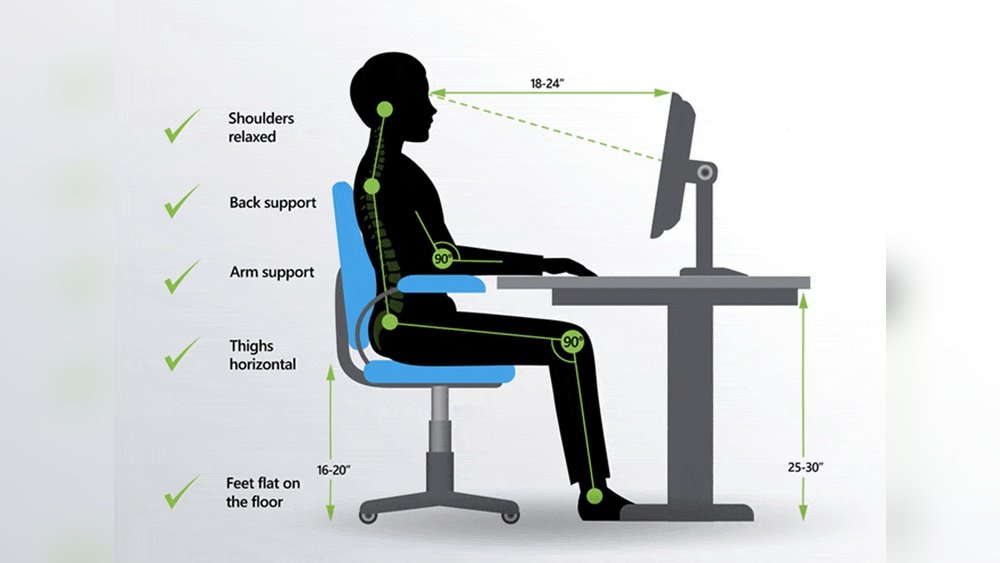
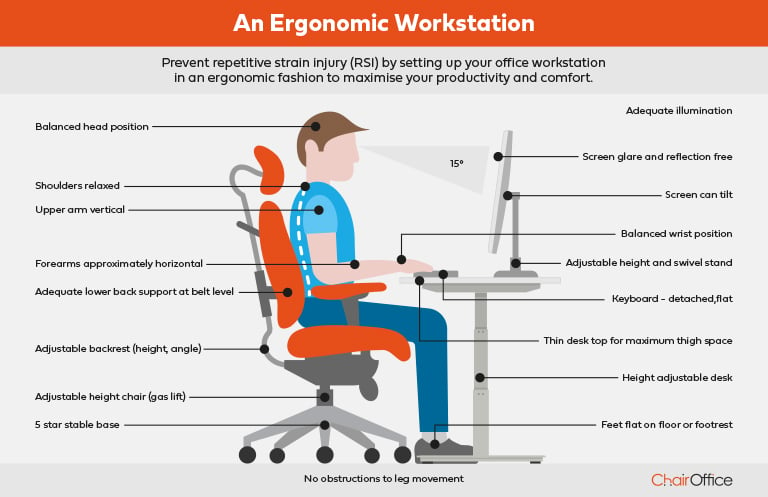
Start by sitting all the way back in your chair. Your lower back should touch the lumbar support area. Adjust the chair height so your feet rest flat on the floor. Knees should be at a 90-degree angle. Make sure your hips are slightly higher than your knees. This position keeps your spine aligned well.
Adjusting For Maximum Comfort
Most chairs have a lumbar adjustment knob or lever. Use it to move the support up or down. Aim to fit the support into the small curve of your lower back. Adjust the firmness if possible. The support should feel snug, not hard or soft. Test different settings to find what feels best for you.
Common Mistakes To Avoid
Do not place the lumbar support too high or too low. It won’t support your lower back properly then. Avoid sitting too far from the chair back. This reduces the effectiveness of lumbar support. Don’t ignore discomfort after adjustments. It means you need to reposition or try a different setting.
Lumbar Support For Different Chairs
Lumbar support varies across different types of chairs. Each chair serves a unique purpose and offers lumbar support suited to that use. Understanding these differences helps you choose the right chair for your back health. Comfortable and proper lumbar support reduces back pain and improves posture.
Office Chairs
Office chairs often have adjustable lumbar support. This feature lets you change the height and depth of the support. It helps maintain the natural curve of your lower back. Many office chairs use foam or mesh for lumbar cushions. This design keeps your back comfortable during long work hours.
Gaming Chairs
Gaming chairs focus on extra padding and style. Most come with removable lumbar pillows. These pillows offer extra support where your back needs it most. The shape of gaming chairs is often more curved to fit the spine. This helps reduce fatigue during long gaming sessions.
Car Seats
Car seats provide lumbar support to prevent back strain during driving. Many cars have built-in adjustable lumbar support. This feature supports your lower back on long trips. Some car seats use firm padding to keep your spine aligned. Proper lumbar support in cars reduces discomfort on the road.
Maintaining Lumbar Support
Maintaining lumbar support in a chair is key to keeping your back healthy. Good support helps prevent pain and stiffness. It also keeps your posture right while sitting for long hours. Taking care of lumbar support means your chair stays comfortable and effective over time.
Cleaning Tips
Keep the lumbar support clean to avoid dust and dirt buildup. Use a soft cloth to wipe it regularly. Mild soap and water work well for most materials. Avoid harsh chemicals that can damage the support. Dry the area fully before using the chair again.
When To Replace Support
Replace lumbar support if it loses shape or firmness. A sagging or flat support no longer helps your lower back. Check for cracks or tears in the material. If your chair feels less comfortable, it might be time for a new support. Using worn-out support can cause discomfort and pain.
Enhancing Support With Accessories
Use cushions or pads to boost lumbar support. Memory foam pillows fit well behind the lower back. Adjustable supports can help customize the fit. These accessories improve comfort and reduce strain. Choose ones that suit your chair and body size.
Frequently Asked Questions
What Is Lumbar Support In A Chair?
Lumbar support is a feature designed to support the lower back’s natural curve. It helps reduce strain and improve posture during sitting. This support prevents lower back pain and promotes comfort, especially during long periods of sitting.
Why Is Lumbar Support Important For Back Health?
Lumbar support maintains the spine’s natural alignment. It reduces pressure on spinal discs and muscles. This support helps prevent chronic back pain and improves overall posture, reducing fatigue from prolonged sitting.
How Does Lumbar Support Improve Sitting Comfort?
Lumbar support provides targeted cushioning to the lower back. It prevents slouching and promotes an upright posture. This reduces muscle tension and discomfort, making sitting for long hours more comfortable.
Can Lumbar Support Prevent Lower Back Pain?
Yes, lumbar support helps prevent lower back pain by maintaining proper spinal alignment. It reduces stress on the lumbar region and supports muscles, minimizing strain during sitting.
Conclusion
Lumbar support helps keep your lower back comfortable and healthy. It reduces pressure and stops pain from long sitting. Chairs with good lumbar support improve your posture easily. You feel less tired and can focus better. Choosing the right chair support matters for daily comfort.
Small changes can make a big difference in back health. Remember, your back needs care every day. A chair with lumbar support is a smart choice. Your body will thank you for it.