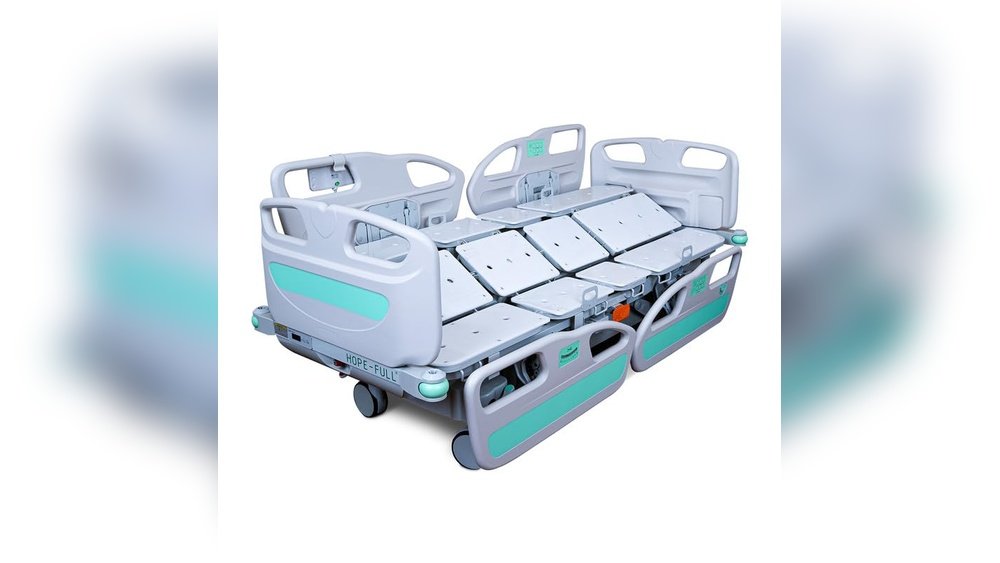
When you hear the words “ICU,” you might think of advanced machines, constant monitoring, and life-saving care. But there is one essential item under every patient that often gets overlooked: the hospital bed mattress for ICU. This mattress is far from ordinary. It is a critical piece of medical equipment, designed to support some of the most vulnerable patients in the hospital. In this article, you’ll discover what makes an ICU mattress special, how it works, and why choosing the right one can change outcomes for patients and caregivers alike.
What Makes An Icu Hospital Bed Mattress Unique?
An ICU mattress is not just a place for a patient to lie down. It is specially designed for intensive care situations, where patients may spend days or weeks in bed, often without moving much. The unique requirements of ICU settings mean that these mattresses must do much more than provide basic comfort.
- Pressure management: ICU patients are often at high risk for pressure injuries (bedsores). These mattresses reduce pressure on the body, especially at points like the heels, tailbone, and shoulders.
- Infection control: Materials used must be easy to clean and resistant to bacteria and fluids.
- Support for devices: ICU beds often need to accommodate ventilators, IV poles, and other medical equipment.
- Patient safety: Features like side bolsters or alarms reduce the risk of falls or entrapment.
- Adjustability: Many ICU mattresses can adjust firmness or even alternate pressure automatically.
It’s not just a “better” mattress—it’s a tool for healing, safety, and care.
Key Features Of Icu Hospital Bed Mattresses
Advanced Pressure Redistribution
A major concern in the ICU is preventing pressure ulcers. These are injuries to the skin and tissue that develop when a patient stays in one position for too long. A high-quality ICU mattress uses advanced technology like air cells, gel layers, or special foams to spread the patient’s weight evenly. This helps blood flow and reduces the risk of sores, which can be life-threatening for critically ill patients.
Infection Prevention And Control
ICU patients often have weakened immune systems. For their safety, the mattress cover is made from antimicrobial, waterproof materials. These covers can be wiped down with hospital-grade disinfectants. Seams are often welded instead of stitched, so bacteria have fewer places to hide.
Microclimate Management
Humidity and temperature around the skin can lead to more skin problems. Some ICU mattresses come with features that control the microclimate—the air and moisture right at the skin surface. For example, low-air-loss mattresses blow cool air through tiny holes, keeping the skin dry and comfortable.
Compatibility With Icu Beds
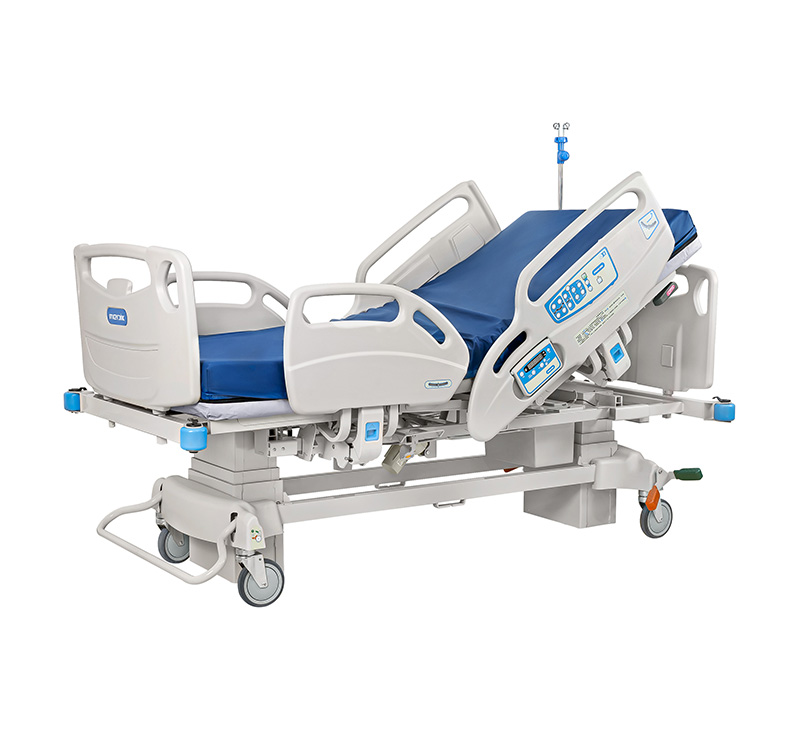
ICU beds are not like regular hospital beds. They can tilt, raise, or lower in many directions. The mattress must bend and move with the bed, without losing support or comfort. Special corner straps or non-slip bottoms keep the mattress secure as the bed moves.
Patient Mobility And Transfers
A good ICU mattress helps with patient turning and transfers. Some models have built-in air pumps that assist nurses in gently turning or repositioning patients. This reduces staff injuries and improves patient care.
Support For Medical Equipment
ICU patients often have tubes, lines, or drains attached to their bodies. Mattresses may include cut-outs or special channels to safely fit these devices, reducing pressure and discomfort for the patient.
Types Of Icu Hospital Bed Mattresses
There is no single “best” ICU mattress. The right choice depends on the patient’s needs, medical condition, and hospital resources. Here are the main types you’ll find in ICUs worldwide:
1. Foam Mattresses
These are made from high-density medical-grade foam. They are cost-effective and offer basic support and pressure redistribution. Some have layered foam to improve comfort and reduce heat.
Pros: Affordable, lightweight, easy to clean
Cons: Less effective for patients at very high risk for bedsores
2. Gel Mattresses
Gel mattresses use gel-infused foam or gel-filled bladders. The gel stays cool and helps spread body weight more evenly.
Pros: Good for temperature control, effective pressure relief
Cons: Heavier, can be expensive
3. Low Air Loss Mattresses
These are powered mattresses with air cells that slowly release air, creating a flow that keeps the skin cool and dry.
Pros: Excellent for managing moisture and heat, top choice for preventing pressure ulcers
Cons: Require electricity, can be noisy, higher maintenance
4. Alternating Pressure Mattresses
These mattresses have rows of air cells that inflate and deflate in cycles. This changes the pressure points on the body every few minutes.
Pros: Actively reduces pressure, helps with healing existing sores
Cons: More complex, needs regular checks, requires power
5. Hybrid Mattresses
Hybrid models mix two or more technologies, such as foam and air or gel and air.
Pros: Combine benefits of different materials, customizable
Cons: Expensive, may be heavier or harder to move
6. Fluidized Air Mattresses
These use silicone beads or other materials that mimic the feel of floating on air. Air is blown through the beads, which move and shift under the patient’s body.
Pros: Ultimate pressure relief, used for the most fragile patients
Cons: Very costly, large and heavy, needs special maintenance
7. Lateral Rotation Mattresses
These mattresses gently rotate the patient from side to side at regular intervals. This helps with lung function and reduces the risk of pneumonia.
Pros: Reduces caregiver workload, helps with respiratory therapy
Cons: Not suitable for all patients, requires monitoring
Comparing Icu Mattress Types
To help you understand the differences, here is a comparison of the most common ICU mattress types:
| Type | Pressure Relief | Maintenance | Cost | Best For |
|---|---|---|---|---|
| Foam | Good | Low | Low | General use, low-risk patients |
| Gel | Very Good | Moderate | Moderate | Medium-risk, heat-sensitive patients |
| Low Air Loss | Excellent | High | High | High-risk, moisture control |
| Alternating Pressure | Excellent | High | High | Healing pressure sores |
| Hybrid | Very Good | Moderate | High | Complex needs |
| Fluidized Air | Outstanding | Very High | Very High | Severe wounds, burns |
| Lateral Rotation | Excellent | High | Very High | Respiratory support, high-risk |

Why Does Mattress Selection Matter In The Icu?
Choosing the right ICU mattress is not a “nice to have”—it’s a matter of patient safety and hospital quality. A poor mattress can lead to pressure ulcers, which affect up to 23% of ICU patients, according to research. These wounds can become infected and increase hospital stays, costs, and even mortality rates.
A well-chosen mattress:
- Lowers the risk of bedsores
- Reduces pain for patients
- Makes nursing tasks safer and easier
- Supports quick recovery
- Improves overall patient dignity and comfort
It’s important to note that even the best mattress cannot replace good nursing care. But a poor mattress makes care much harder.
Materials Used In Icu Mattresses
The material inside and outside an ICU mattress is chosen for both patient health and hospital needs. Here’s what you’ll usually find:
Mattress Core Materials
- High-density foam: Provides even support and holds its shape over time.
- Viscoelastic (memory) foam: Molds to the patient’s body, reducing pressure points.
- Gel: Stays cool and spreads weight.
- Air bladders: Adjustable firmness and alternating pressure.
- Silicone beads: Used in fluidized beds for “floating” sensation.
Cover Materials
- Polyurethane-coated fabric: Waterproof, breathable, and easy to clean.
- Nylon or polyester: Durable and resistant to tears.
- Antimicrobial treatments: Prevent growth of bacteria and fungus.
Seams are often welded rather than sewn, making the mattress more resistant to fluids and infection.
Important Mattress Features For Icu Use
1. Zippered Or Sealed Covers
A zippered cover makes it easy to remove for cleaning or replacement. Some mattresses use sealed covers for maximum infection control.
2. Side Bolsters
Raised edges or bolsters help prevent patients from rolling out of bed accidentally.
3. Cpr Release Valves
Air mattresses often have a CPR release valve. This quickly deflates the mattress in an emergency, making chest compressions easier.
4. Transport Handles
Sturdy handles allow staff to move the mattress and patient together, reducing transfer risks.
5. Fire Retardant Materials
Safety standards require that ICU mattresses be made from fire-resistant materials.
How To Choose The Right Icu Mattress
Selecting the best mattress requires a careful look at both the patient’s needs and the hospital’s capabilities. Here are key factors to consider:
- Patient risk level: Are they at high risk for pressure sores? Do they have mobility or moisture issues?
- Hospital resources: Is there access to power outlets for air mattresses? Is staff trained to use advanced systems?
- Cleaning and maintenance: How often can the mattress be disinfected? Is the cover easy to remove and replace?
- Weight capacity: Ensure the mattress can safely support the patient’s weight.
- Budget: While high-end mattresses offer more features, some hospitals may need to balance cost and benefits.
Common Mistakes In Selecting Icu Mattresses
Even experienced caregivers can make errors when picking a mattress. Here are some mistakes to avoid:
- Focusing only on price: Cheaper mattresses often fail in critical areas like pressure relief or infection control.
- Ignoring cleaning protocols: A mattress that’s hard to clean can become a source of infection.
- Not matching mattress to bed frame: Some mattresses do not fit ICU beds, creating safety risks.
- Overlooking patient-specific needs: For example, a patient with a spinal injury may need a different mattress than someone with burns.
- Not training staff: Advanced mattresses can be complex. Training is essential for safe use.
Icu Mattress Maintenance And Care
Proper maintenance extends the life of the mattress and keeps patients safe. Here’s how hospitals manage ICU mattresses:
- Daily cleaning: Covers should be wiped down with approved disinfectants.
- Regular inspections: Look for tears, leaks, or loss of firmness.
- Function checks: For powered mattresses, test the air system or pumps daily.
- Cover replacement: Change covers if damaged or stained.
- Record keeping: Track mattress use, cleaning, and any repairs.
A well-maintained mattress is as important as a high-quality one.
How Icu Mattresses Help Nurses And Caregivers
ICU mattresses don’t just support patients—they also help staff. Here’s how:
- Easier turning and transfers: Mattresses with air or gel systems reduce the effort needed to move patients.
- Lower injury risk: Staff are less likely to hurt their backs or shoulders.
- Simpler cleaning: Removable, waterproof covers make infection control simpler.
Less time struggling with equipment means more time caring for patients.
Practical Insights: What Beginners Often Miss
- Mattress and bed compatibility is critical: Not all ICU mattresses fit all ICU beds. A mattress too big or small can be dangerous. Always check compatibility before ordering.
- Mattress rotation may be needed: Even with advanced materials, regular rotation or repositioning is important for both patient comfort and mattress longevity.
- Microclimate matters more than you think: Many assume pressure management is all that matters, but moisture and heat control are just as important. A mattress that traps heat can make pressure ulcers worse, even if it’s “top of the line.”
Real-world Example
Consider a 60-year-old ICU patient recovering from surgery. She cannot move herself and has diabetes, which slows healing. The ICU team chooses a low-air-loss mattress that blows cool air under her, combined with regular repositioning. As a result, she avoids pressure ulcers, stays comfortable, and heals faster.
This is not just comfort—it’s effective medical care.
The Role Of Icu Mattresses In Hospital Quality Ratings
Hospitals are now ranked partly by their ability to prevent hospital-acquired infections and injuries. Pressure ulcers are a key metric. An effective ICU mattress program can lower rates of bedsores, reduce costs, and boost the hospital’s reputation.
Some studies show that investing in better mattresses pays for itself by reducing complications and shortening hospital stays. For example, the cost of treating a severe pressure ulcer can be 2–3 times the price of a premium mattress.
Innovations And Future Trends
The field of ICU mattresses is always evolving. Here are some trends to watch:
- Smart mattresses with sensors that alert staff if a patient isn’t moving enough.
- Wireless microclimate control that adjusts temperature and humidity automatically.
- Lightweight materials for easier transport and cleaning.
- Sustainable, eco-friendly materials to reduce hospital waste.
Hospitals investing in these innovations are setting new standards for patient care.
Icu Mattress Features Comparison
Here’s a quick look at how features differ across popular ICU mattress types:
| Feature | Foam | Gel | Low Air Loss | Alternating Pressure | Hybrid |
|---|---|---|---|---|---|
| Pressure Relief | Good | Very Good | Excellent | Excellent | Very Good |
| Moisture Control | Fair | Good | Excellent | Good | Very Good |
| Ease of Cleaning | Excellent | Very Good | Good | Good | Very Good |
| Power Needed | No | No | Yes | Yes | Maybe |
Cost Considerations
While ICU mattresses can be expensive, the cost is only part of the decision. Consider the following:
- Foam mattresses: $200–$700
- Gel mattresses: $500–$1,200
- Low air loss/Alternating pressure: $2,000–$8,000
- Fluidized beds: $10,000 or more
Remember, the price of preventing one pressure ulcer often outweighs the price of a premium mattress.
Where To Learn More
For more on hospital mattress standards and research, see the Hospital Bed Wikipedia page.
Frequently Asked Questions
What Is The Main Purpose Of An Icu Hospital Bed Mattress?
The main purpose is to provide pressure relief, infection control, and support for critically ill patients who may not be able to move or care for themselves.
How Often Should An Icu Mattress Be Cleaned?
ICU mattresses should be cleaned daily and after every patient. Covers should be disinfected according to hospital protocol to prevent infections.
Can Regular Hospital Mattresses Be Used In The Icu?
No. ICU mattresses have special features like pressure redistribution and microclimate management that standard mattresses do not offer. Using the wrong mattress increases risks.
How Long Does An Icu Mattress Last?
A high-quality ICU mattress can last 3 to 7 years with proper care, but this depends on use and cleaning. Regular inspections help catch problems early.
Who Decides Which Mattress To Use For Each Patient?
The decision is usually made by a multidisciplinary team: doctors, nurses, and wound care specialists all contribute, depending on the patient’s condition and risk factors.
Choosing the right hospital bed mattress for ICU is more than a technical detail—it’s a cornerstone of modern intensive care. By understanding the options and their importance, you can help ensure the best outcomes for patients and caregivers alike.