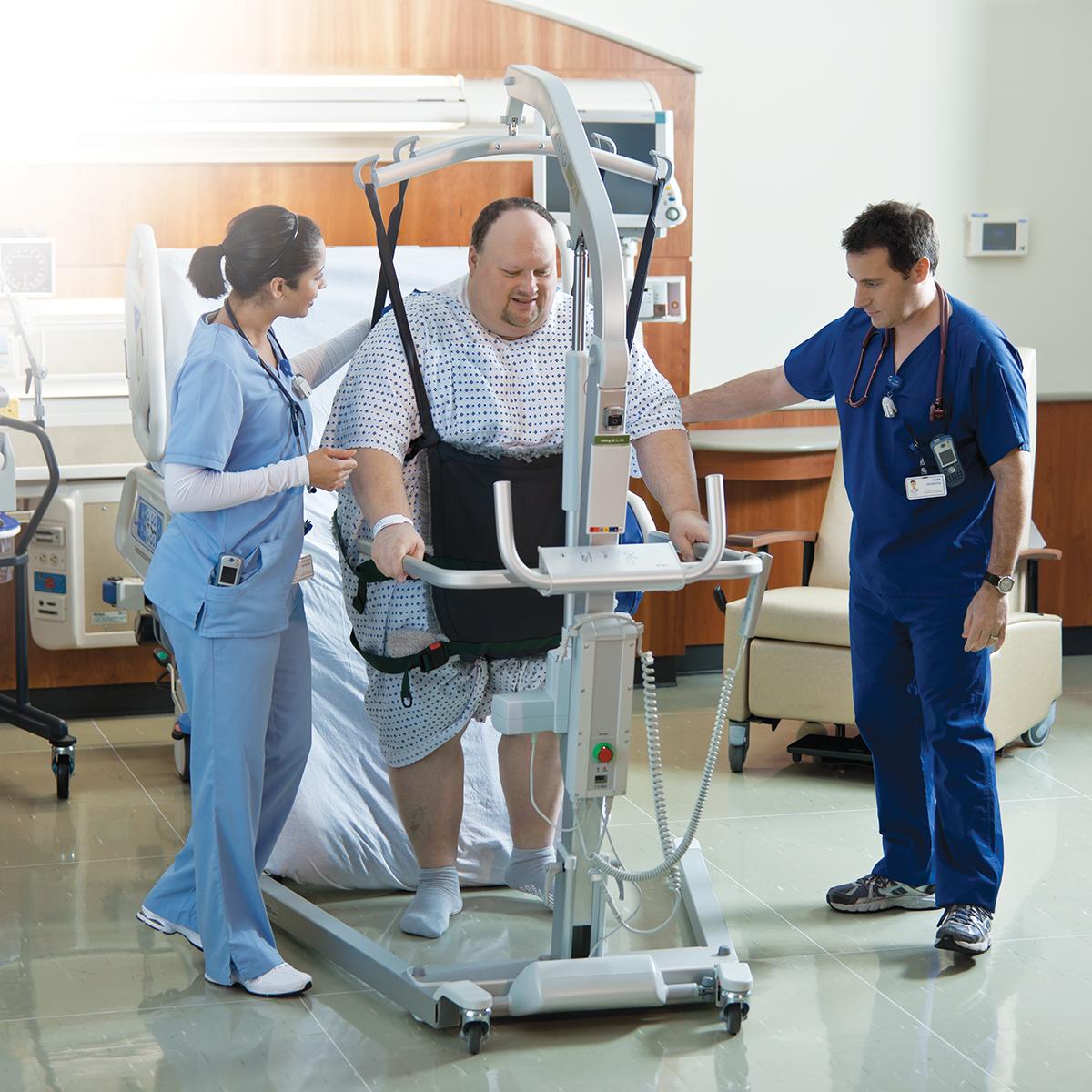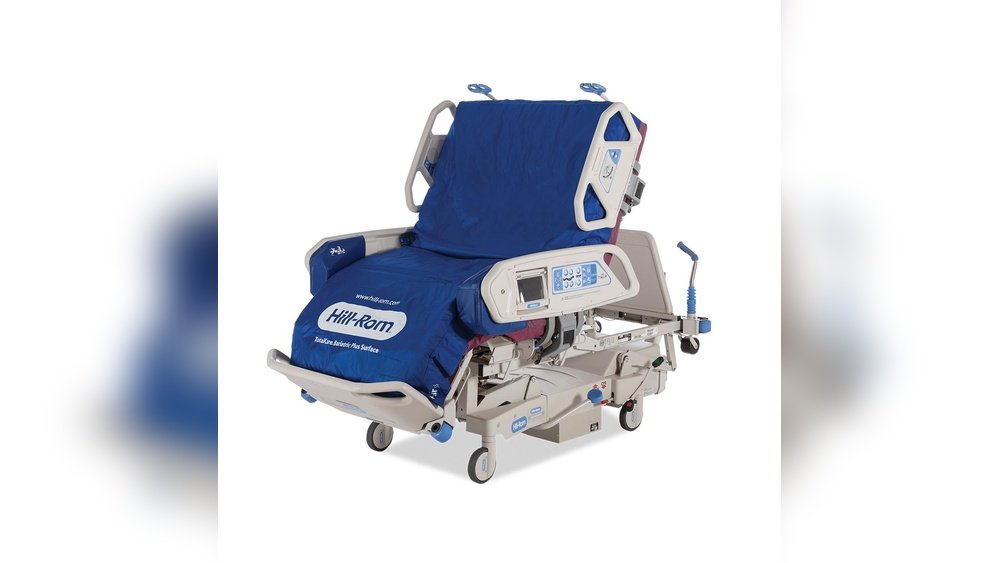
A hospital bed is more than just a place for a patient to rest. It is a critical part of healthcare, designed to give comfort, safety, and support during some of life’s most challenging times. But not all hospital beds are the same. Some patients need more than the standard model. This is especially true for individuals with higher body weights or special health needs. Here, the bariatric ICU hospital bed plays a vital role.
These beds are not just “bigger beds. ” They are carefully engineered to handle more weight, offer extra support, and provide advanced features for both patients and healthcare staff. The demand for bariatric beds is growing as obesity rates rise globally and hospitals look for ways to improve care for all patients.
Understanding what makes a bariatric ICU hospital bed unique can help patients, families, and caregivers make better decisions when advanced medical support is needed.
What Is A Bariatric Icu Hospital Bed?
A bariatric ICU hospital bed is a specialized medical bed designed for larger and heavier patients, especially those who are critically ill or require intensive care. “Bariatric” refers to the branch of medicine dealing with obesity, and “ICU” stands for Intensive Care Unit. These beds are built to support higher weight capacities, usually between 500 and 1,000 pounds (227–454 kg) or more, compared to standard hospital beds, which typically support up to 350 pounds (159 kg).
But weight capacity is only part of the story. Bariatric ICU beds include advanced features to help with patient positioning, mobility, safety, and dignity. They are wider and longer, with reinforced frames and extra-strong motors. This makes them suitable for patients who need extended care or have limited mobility due to weight, illness, or injury.
Key Features At A Glance
Bariatric ICU hospital beds usually include:
- Extra-wide and reinforced frames
- Higher weight limits (often 500–1,000+ lbs)
- Electric adjustments for height, backrest, and leg position
- Advanced pressure-relief mattresses
- Built-in side rails for safety
- Mobility aids like trapeze bars and grab handles
- Integrated digital scales for weighing patients
- Emergency CPR and Trendelenburg positions
These beds help both patients and medical staff, making care safer and more effective.
Why Bariatric Icu Beds Are Necessary
Obesity is a major health issue worldwide, affecting millions of people. According to the World Health Organization, more than 650 million adults were obese in 2016, and the numbers keep rising. In hospitals, this means more patients need beds that can safely support higher weights and provide extra features for comfort and care.
Standard hospital beds are not strong enough for larger patients. They can break, tip, or fail, leading to injury or embarrassment. For critically ill patients, this risk is even higher. Using the wrong bed can also harm healthcare workers, as moving or caring for a heavier patient without proper equipment can lead to back injuries and other problems.
Bariatric ICU beds solve these challenges. They make care safer and more comfortable for everyone. Hospitals that invest in these beds show they are committed to treating all patients with dignity and respect, no matter their size.

Main Components Of A Bariatric Icu Hospital Bed
A bariatric ICU bed is a complex piece of medical equipment. Each part is designed for strength, safety, and comfort. Here’s a closer look at the essential components:
Frame And Structure
The frame is the backbone of the bed. Bariatric beds use reinforced steel or heavy-duty aluminum for added strength. The frame is often wider (42–54 inches) and longer (up to 88 inches) than standard beds. This prevents tipping and supports even movement.
Mattress
A standard mattress won’t work for bariatric patients. These beds use special pressure-relief mattresses made from high-density foam or air cells. They help prevent pressure ulcers (bedsores) and adapt to the patient’s shape and movement. Some advanced models even have alternating pressure systems to keep blood flowing and reduce pain.
Motorized Controls
Bariatric beds are fully electric. Motors control the bed height, backrest, knee section, and even the tilt (Trendelenburg/Reverse Trendelenburg) for easier breathing or medical procedures. Handheld or bedside controls make adjustments easy for both patients and staff.
Side Rails And Safety Features
Falls are a big risk in the ICU, especially for larger patients. Sturdy side rails keep patients safe. Many beds also have alarms that alert staff if a patient tries to get up without help.
Integrated Weighing System
Weighing a patient who cannot stand is difficult. Many bariatric ICU beds have built-in digital scales so staff can monitor weight changes without moving the patient.
Mobility Aids
Getting in and out of bed can be hard for bariatric patients. Some beds include trapeze bars, grab handles, or removable head and footboards to make transfers safer.
Key Features That Set Bariatric Icu Beds Apart
Not all hospital beds are created equal. Several unique features make bariatric ICU beds stand out:
1. High Weight Capacity
Most standard hospital beds can hold up to 350 pounds. Bariatric models often start at 500 pounds and go up to 1,000 pounds or more. Some custom beds can support even higher weights for special cases.
2. Extra-wide Sleep Surface
A wider bed (42–54 inches) allows patients to turn, reposition, or sit up without risk of falling. This reduces pressure points and makes care tasks easier.
3. Reinforced Construction
The bed frame, wheels, and motors are all designed to handle extra stress. Reinforced welds and strong materials prevent bending, breaking, or shaking.
4. Advanced Pressure Relief
Bariatric patients are at higher risk of pressure injuries. Special mattresses with air flow, gel, or alternating pressure help keep skin healthy and comfortable.
5. Easy Transfers And Mobility
Low-bed positions, strong side rails, and transfer aids make it simpler for patients to move or be moved. This means fewer injuries for staff and less pain for patients.
6. Integrated Technology
Digital scales, bed-exit alarms, and nurse call systems are often built-in. Some beds even connect to hospital networks for tracking and monitoring.
7. Emergency Functions
Features like CPR release and fast-lowering mechanisms help staff respond quickly in critical situations.
Who Needs A Bariatric Icu Hospital Bed?
Not every patient needs a bariatric bed. These beds are designed for:
- Patients with high body weight (usually 350+ lbs)
- People with severe obesity or related health problems
- Patients needing long-term intensive care
- Those at high risk of pressure injuries or falls
- Individuals with mobility challenges due to size or illness
Doctors or nurses decide when a bariatric bed is needed based on a patient’s weight, health, and mobility.
How Bariatric Icu Beds Improve Patient Care
Bariatric ICU beds do more than just hold more weight. They help provide better care in many ways:
Patient Safety
A sturdy, wide bed reduces the risk of falls, skin injuries, or medical emergencies. Side rails, alarms, and transfer aids keep patients and staff safe.
Comfort And Dignity
A proper bed helps patients rest, sleep, and move with less pain. This is important for mental health and recovery. These beds also give patients dignity, avoiding the embarrassment or fear of using equipment that is too small or weak.
Faster Recovery
Advanced mattresses and motorized adjustments help prevent sores, improve blood flow, and make breathing easier. This can speed up healing and reduce hospital stays.
Staff Well-being
Caring for larger patients is tough without the right tools. Bariatric beds have features that reduce lifting, bending, and injury risk for nurses and doctors. This leads to better care and fewer staff injuries.
Comparing Bariatric Icu Beds To Standard Hospital Beds
To see how bariatric ICU beds are different, look at this comparison:
| Feature | Bariatric ICU Bed | Standard Hospital Bed |
|---|---|---|
| Weight Capacity | 500–1,000+ lbs | Up to 350 lbs |
| Bed Width | 42–54 inches | 36–39 inches |
| Frame Material | Reinforced steel/aluminum | Standard steel |
| Pressure Relief Mattress | Advanced foam/air/gel | Basic foam or spring |
| Integrated Weighing Scale | Often included | Rarely included |
| Mobility Aids | Trapeze, transfer bars | Basic or none |
This shows why bariatric beds are essential for certain patients.
Choosing The Right Bariatric Icu Bed
Not all bariatric beds are the same. Hospitals and families need to consider several factors to pick the right bed:
1. Weight Capacity
Always choose a bed with a capacity well above the patient’s current weight. This ensures safety if the patient gains weight or if extra equipment is added.
2. Bed Width And Length
A wider bed offers comfort and reduces fall risk. Make sure the bed fits in the room and allows staff to move around easily.
3. Mattress Type
Select a mattress that matches the patient’s risk level for pressure sores, allergies, and comfort needs. Check for features like air flow, alternating pressure, or gel inserts.
4. Mobility And Transfer Features
If the patient needs help moving, choose a bed with low height settings, strong side rails, and built-in transfer aids.
5. Electric Controls
Make sure the bed has easy-to-use controls for patients and staff. Backup power is a plus in case of outages.
6. Safety Features
Look for bed-exit alarms, sturdy side rails, and emergency CPR functions to keep patients safe.
7. Room And Equipment Compatibility
Check if the bed fits through doorways and works with other hospital equipment. Some bariatric beds are modular, making them easier to move.
8. Maintenance And Service
Reliable beds need less repair and cause fewer delays in care. Choose a brand with good reviews and service support.
Practical Insights: What Many People Overlook
Even with all the right features, some important details are often missed:
- Transporting a bariatric bed between rooms or units can be hard due to size and weight. Make sure your facility’s elevators, doors, and hallways can accommodate the bed before purchasing.
- Cleaning and infection control are more challenging with larger beds and mattresses. Check that covers are waterproof and easy to disinfect, and that staff are trained in proper cleaning methods.
- Patient dignity is more than just comfort. Privacy curtains, bedsheets, and gowns should also fit larger patients to maintain dignity during care.
Common Mistakes When Using Bariatric Icu Beds
Choosing and using a bariatric ICU bed is not just about buying the biggest model. Some common mistakes include:
- Underestimating weight needs: Always allow a safety margin for patient and equipment weight.
- Ignoring staff training: Beds have many features; staff must know how to use them safely.
- Forgetting about accessories: Make sure sheets, pillows, and transfer devices fit the bed.
- Skipping regular maintenance: A broken bed delays care and can cause injury. Follow maintenance schedules strictly.
- Not planning for emergencies: Staff should know how to use emergency features like CPR release.
Real-world Example: The Impact Of Bariatric Icu Beds
A hospital in Texas faced challenges caring for obese patients in the ICU. After adding bariatric ICU beds, falls dropped by 40%, and staff injuries during patient transfers decreased by 30%. Patient satisfaction scores improved as well, especially among those who felt safer and more comfortable during their stay.
This shows the real value of these specialized beds.
Cost Considerations
Bariatric ICU hospital beds are more expensive than standard beds. Prices range from $5,000 to $20,000, depending on features and brand. This cost is often higher due to:
- Stronger materials and construction
- Advanced mattress systems
- Built-in technology and safety features
However, the investment often pays off in reduced injuries, shorter hospital stays, and better patient outcomes. Some insurance plans and government programs may cover all or part of the cost, especially if the bed is medically necessary.

Market Demand And Trends
The need for bariatric beds is rising worldwide. In the United States, the bariatric bed market is expected to grow by over 7% per year through 2027. Hospitals are increasing their stock of bariatric beds to meet the needs of a changing patient population.
This trend is also seen in Europe, Australia, and the Middle East, where obesity rates are climbing.
Manufacturers continue to improve beds, adding smart technology for remote monitoring and patient tracking. There is also a move toward lighter, modular frames that are easier to transport and clean.
Comparing Different Bariatric Icu Bed Models
Here’s a quick comparison of three popular bariatric ICU bed models:
| Brand & Model | Weight Capacity | Bed Width | Key Features |
|---|---|---|---|
| Hillrom Compella | 1,000 lbs | 48 inches | Integrated scale, low-bed position, advanced air mattress |
| Stryker SB900 | 1,000 lbs | 50 inches | CPR release, side egress, removable headboard |
| Joerns BariMatt Plus | 750 lbs | 42 inches | Alternating pressure mattress, easy transport design |
Each model is designed for specific needs and budgets, so it’s essential to review features carefully.
Safety Standards And Regulations
Bariatric ICU beds must meet strict safety standards. In the United States, they are regulated by the Food and Drug Administration (FDA). Standards cover:
- Weight capacity and testing
- Electrical safety
- Mattress fire resistance
- Infection control
Always check that a bed is certified and meets local regulations. This protects patients and hospitals from accidents and legal issues.
For more details on medical device standards, see the official FDA Medical Devices page.
Training And Education For Healthcare Staff
Even the best bed is only as good as the staff using it. Hospitals must train nurses, aides, and therapists on:
- Safe bed operation
- Proper use of controls and emergency features
- Safe patient transfer methods
- Cleaning and maintenance routines
Many manufacturers offer free training with new bed purchases. Refresher courses are important as staff or equipment changes.
The Future Of Bariatric Icu Hospital Beds
Advances in technology are changing hospital beds. Future bariatric beds may include:
- Smart sensors to track movement and prevent pressure injuries
- Voice-activated controls for patients with limited mobility
- Real-time data sharing with electronic health records
- Improved battery backup for emergencies
- Lighter, modular designs for easier transport
As healthcare evolves, the goal is always to provide safe, dignified, and effective care for all patients, regardless of size.
Frequently Asked Questions
What Does “bariatric” Mean In Hospital Beds?
Bariatric refers to beds designed for patients who are overweight or obese, typically with a weight capacity of 500 pounds or more. These beds are wider, stronger, and have special features to support larger patients safely.
How Is A Bariatric Icu Bed Different From A Regular Bed?
A bariatric ICU bed has a higher weight limit, a wider frame, reinforced materials, advanced mattresses, and extra safety features. It is built for patients who need intensive care and extra support.
Who Decides If A Patient Needs A Bariatric Icu Bed?
Doctors, nurses, or hospital care teams decide based on a patient’s weight, medical condition, and care needs. If a patient is too heavy or at risk using a standard bed, a bariatric bed is recommended.
Are Bariatric Icu Beds Covered By Insurance?
In many cases, yes—if the bed is medically necessary. Coverage depends on the healthcare system and insurance plan. Always check with your provider or hospital finance office for details.
How Often Should Bariatric Icu Beds Be Cleaned And Maintained?
Bariatric beds should be cleaned after every patient use and checked regularly for damage or wear. Follow the manufacturer’s guidelines for maintenance to ensure safety and long life.
A bariatric ICU hospital bed is a vital tool in modern healthcare. It offers strength, safety, and comfort for patients who need it most. As populations change and technology improves, these beds will continue to play a key role in delivering quality care for everyone.