Have you ever accidentally breathed in too much bathroom cleaner? It might seem harmless at first, but the truth is, inhaling these chemicals can affect your body in surprising ways.
You might not notice the damage right away, but your lungs and overall health could be at risk. Understanding what happens when you inhale too much bathroom cleaner is important for keeping yourself and your loved ones safe. Keep reading to learn what signs to watch for and what steps you should take if this happens to you.
Common Ingredients In Bathroom Cleaners
Bathroom cleaners contain many ingredients to clean tough stains and kill germs. These ingredients work together to make surfaces shiny and safe. Understanding what is inside these cleaners helps explain why inhaling their fumes can be dangerous.
Many of these substances are strong chemicals. They can irritate your nose, throat, and lungs if you breathe them in too much. Knowing the common ingredients can help you use these products safely.
Chemical Components
Bathroom cleaners often have acids like hydrochloric acid or phosphoric acid. These acids remove hard water stains and soap scum. Surfactants are also present to break down dirt and grease. Some cleaners include bleach to kill bacteria and mold. Fragrances mask the chemical smell, making the product smell fresh.
Potentially Harmful Substances
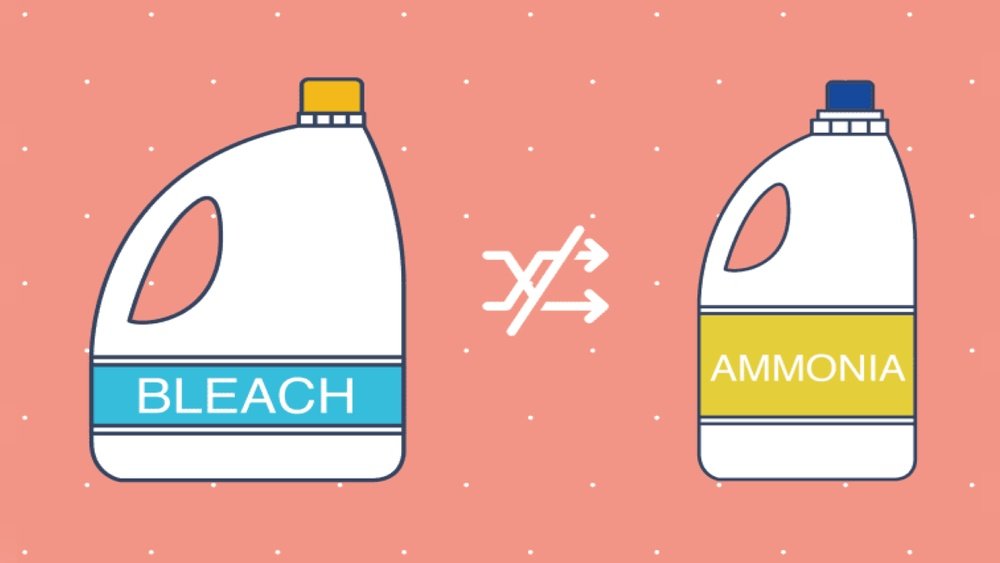
Many ingredients can cause harm if inhaled in large amounts. Ammonia is common but can irritate the lungs and eyes. Bleach releases chlorine gas, which is toxic when breathed deeply. Some acids cause burns to the skin and respiratory tract. Mixing certain chemicals, like bleach and ammonia, creates dangerous gases. These substances make it very important to use cleaners in well-ventilated areas.
How Inhalation Affects The Respiratory System
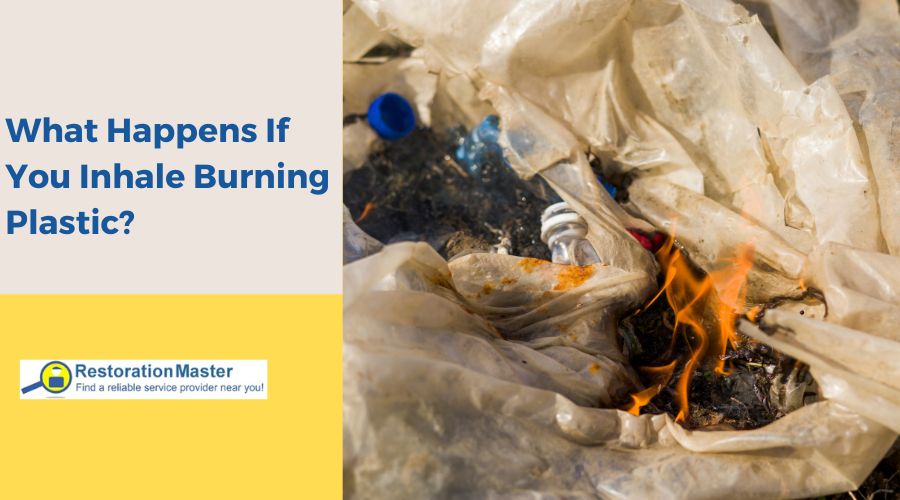
Breathing in bathroom cleaner fumes can harm your lungs and airways. These cleaners contain strong chemicals that irritate the delicate tissues inside your respiratory system. The effects can show up quickly or take time to develop. Understanding these effects helps you stay safe.
Immediate Respiratory Reactions
Inhaling bathroom cleaner often causes sudden coughing and throat pain. Your nose may burn, and breathing can feel tight. Some people may wheeze or find it hard to catch their breath. These reactions happen because the chemicals irritate the lining of your airways. The body tries to protect itself by producing mucus or triggering a cough. These signs warn you that the chemicals are harmful.
Long-term Lung Damage
Repeated or heavy inhalation of bathroom cleaner fumes may damage your lungs over time. Chemicals can cause inflammation and scarring in lung tissue. This damage reduces the lungs’ ability to absorb oxygen. Breathing may become difficult even during simple activities. Long-term exposure may increase the risk of chronic lung diseases like bronchitis. Avoiding inhaling these fumes protects your lungs from lasting harm.
Symptoms Of Overexposure
Breathing in too much bathroom cleaner can harm your body. The chemicals in these cleaners irritate your lungs and airways. Symptoms of overexposure vary depending on how much you inhale and how long you are exposed. Knowing the signs helps you act fast and stay safe.
Mild Symptoms
Mild symptoms often appear soon after inhaling the fumes. Your throat may feel sore or scratchy. You might cough lightly or have a runny nose. Eyes can become red and watery. Some people experience mild headaches or dizziness. These symptoms usually go away after fresh air and rest.
Severe Symptoms
Severe symptoms require urgent attention. You may have trouble breathing or feel tightness in your chest. Coughing can become strong and persistent. Your skin or lips might turn blue from lack of oxygen. Confusion or loss of consciousness can happen in serious cases. Seek medical help immediately if any severe symptom occurs.

Health Risks Beyond The Lungs
Inhaling too much bathroom cleaner can harm more than just the lungs. The chemicals in these cleaners can irritate the skin and eyes. They may also affect the brain and nerves. Understanding these risks helps you stay safe around strong cleaning products.
Skin And Eye Irritation
Bathroom cleaners often contain harsh chemicals. These substances can cause redness and itching on the skin. Contact with eyes may lead to burning and watering. Prolonged exposure might cause blisters or serious damage. Always rinse skin or eyes immediately if exposed.
Neurological Effects
Breathing in strong fumes can impact the brain. Some chemicals cause headaches and dizziness. Others might lead to confusion or trouble concentrating. High exposure may result in nausea or fainting. Avoid repeated inhalation to protect your nervous system.
Emergency Steps After Inhaling Cleaner
Inhaling too much bathroom cleaner can cause serious health problems. Acting quickly is important to reduce harm. Knowing the right emergency steps helps protect your health and safety. Follow these instructions carefully to respond correctly after inhaling cleaner.
First Aid Measures
Move to fresh air immediately. Open windows and doors to improve ventilation. Avoid staying in the area with fumes. Sit down and try to stay calm. Take slow, deep breaths to help your lungs recover. Remove any clothing that smells of cleaner. Rinse your mouth and nose with water. Do not eat or drink anything until you feel better. Avoid forcing vomit or drinking milk unless a doctor advises it.
When To Seek Medical Help
Call emergency services if you have trouble breathing. Seek help if coughing or chest pain worsens. Visit a doctor if dizziness or weakness occurs. Go to the hospital if you lose consciousness. Tell medical staff exactly which cleaner you inhaled. Follow all medical advice and treatments carefully. Early treatment can prevent long-term damage. Do not wait if symptoms get worse or last more than a few minutes.

Prevention Tips For Safe Cleaning
Cleaning with bathroom cleaners can be risky without the right safety steps. These products contain strong chemicals that can harm your lungs if inhaled too much. Taking simple precautions helps keep the air safe and protects your health. Follow these easy prevention tips for safe cleaning in your bathroom.
Proper Ventilation
Always open windows and doors before cleaning. Good airflow helps remove harmful fumes quickly. Use fans to push fresh air inside and pull bad air outside. Avoid cleaning in small, closed spaces without ventilation. Take breaks to breathe fresh air if you feel dizzy or cough.
Protective Gear Use
Wear gloves to protect your skin from chemicals. Use masks or respirators to stop breathing in harmful fumes. Safety goggles protect your eyes from splashes. Choose gear that fits well and is made for cleaning tasks. Replace masks often, especially if they get wet or dirty.
Frequently Asked Questions
What Are The Symptoms Of Inhaling Bathroom Cleaner?
Inhaling bathroom cleaner can cause coughing, throat irritation, and difficulty breathing. You might also experience dizziness, headaches, or nausea. Severe exposure may lead to chest pain and lung damage. Seek fresh air immediately and consult a doctor if symptoms worsen.
How Dangerous Is Inhaling Bathroom Cleaner Fumes?
Bathroom cleaner fumes contain harsh chemicals that can irritate your respiratory system. Prolonged exposure can cause serious lung damage or chemical burns. Even short-term inhalation can lead to discomfort and health risks. Always use bathroom cleaners in well-ventilated areas to minimize danger.
What Should I Do After Inhaling Bathroom Cleaner?
If you inhale bathroom cleaner, move to fresh air immediately. Drink water to soothe your throat but avoid inducing vomiting. If breathing difficulties or severe symptoms occur, seek medical attention promptly. Do not ignore symptoms; early treatment prevents complications.
Can Inhaling Bathroom Cleaner Cause Long-term Health Issues?
Yes, repeated or high-level exposure to bathroom cleaner fumes can cause chronic respiratory problems. It may lead to asthma, bronchitis, or lung tissue damage. Avoid frequent exposure and always use protective gear and ventilation when cleaning bathrooms.
Conclusion
Breathing in too much bathroom cleaner can harm your lungs and body. It may cause coughing, dizziness, or trouble breathing. Always use cleaners in well-ventilated spaces. Wear gloves and avoid mixing chemicals. If you feel sick, get fresh air and seek help fast.
Safety matters most when cleaning your home. Stay careful to protect your health every time. Small steps make a big difference in staying safe.