Choosing the right food for your dog can feel overwhelming. With so many brands and options on the shelves, how do you know what’s truly best for your furry friend?
You want to give your dog meals that keep them healthy, happy, and full of energy. That’s why hearing what veterinarians recommend matters. You’ll discover the top dog foods vets trust and why they stand out. Keep reading to make the best choice for your dog’s health and well-being.
Credit: www.bluebuffalo.com
Criteria For Vet-recommended Dog Foods
Choosing the right dog food is important for your pet’s health. Veterinarians recommend foods based on strict criteria. These standards ensure dogs get the nutrients they need. Each factor plays a key role in your dog’s wellbeing.
Nutritional Balance
Vet-recommended dog foods must have the right mix of nutrients. Proteins, fats, vitamins, and minerals must be in proper amounts. Balanced nutrition supports growth, energy, and organ health. This balance helps keep dogs active and strong.
Quality Of Ingredients
High-quality ingredients are a must. Real meat, vegetables, and grains are preferred. Avoid foods with fillers, artificial colors, or preservatives. Good ingredients improve digestion and reduce allergies. Quality ingredients make food safer and tastier for dogs.
Brand Reputation
Trusted brands follow strict safety and quality rules. They test their products regularly for consistency. Vet-approved brands have good reviews and proven results. Choosing a reputable brand gives peace of mind. It shows the brand cares about pet health.
Special Dietary Needs
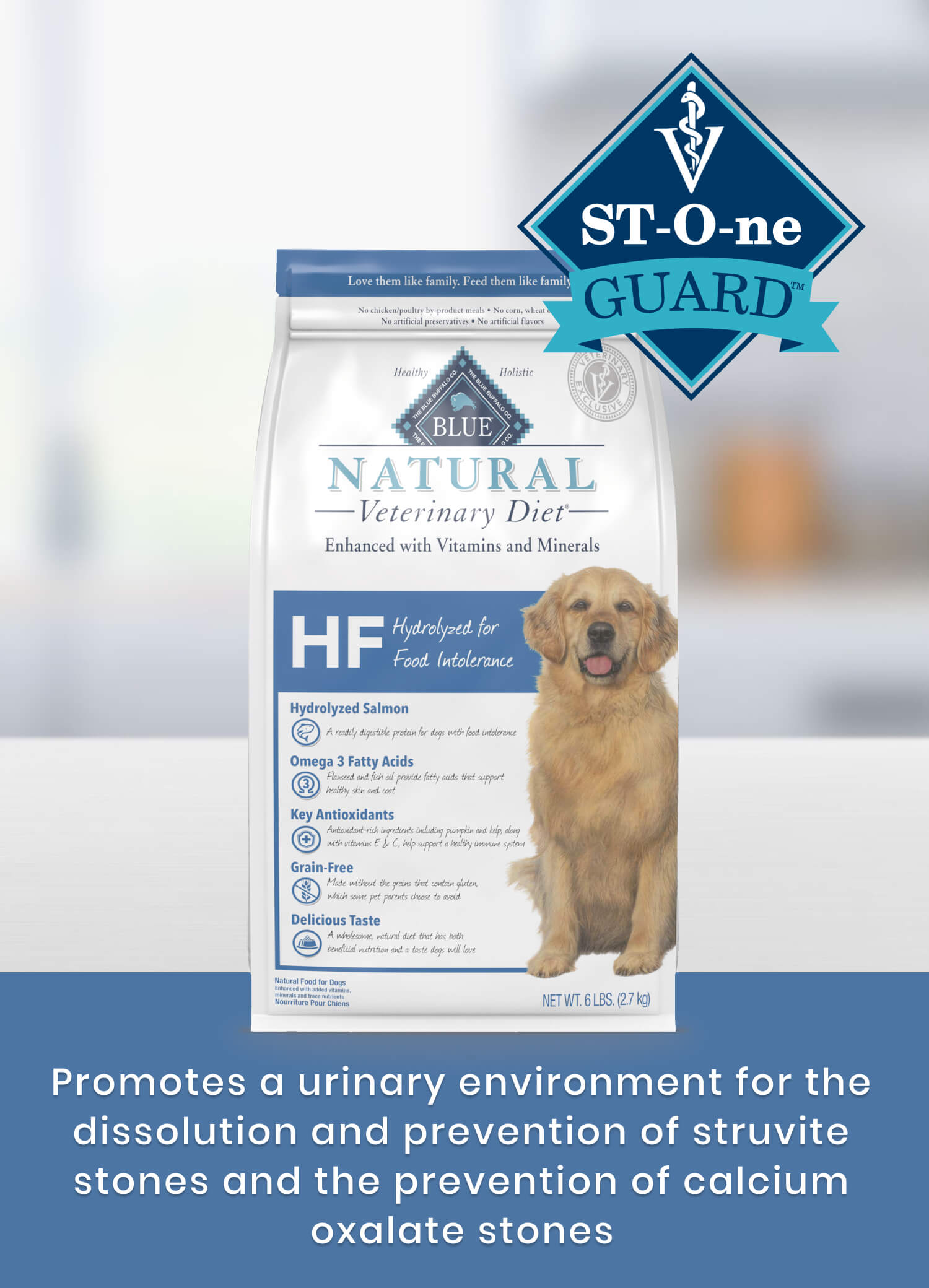
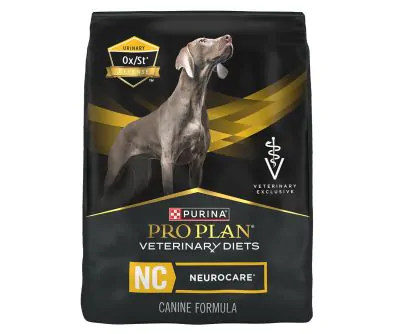
Some dogs need food for allergies or health problems. Vet-recommended foods include options for these needs. Prescription diets help with kidney, heart, or digestive issues. Tailored nutrition supports recovery and improves life quality. Special diets meet unique needs without compromise.
Credit: www.proplanvetdirect.com
Top Dry Dog Foods
Choosing the right dry dog food is important for your pet’s health. Veterinarians often recommend certain types of dry food based on your dog’s needs. These options provide balanced nutrition and support overall well-being. Here are some top dry dog foods recommended by vets.
High-protein Options
High-protein dry dog foods help build strong muscles. They are good for active dogs and working breeds. Many vets suggest foods with real meat as the first ingredient. These options often include chicken, beef, or fish. Protein supports energy and helps maintain a healthy weight.
Grain-free Choices
Grain-free dry dog foods are suitable for dogs with allergies or sensitivities. These foods use ingredients like potatoes or peas instead of grains. Vets recommend grain-free diets for dogs with digestive issues. They reduce the risk of skin problems and improve coat health.
Budget-friendly Picks
Good nutrition does not have to be expensive. Some dry dog foods offer quality ingredients at a lower cost. Vets often suggest brands that balance price and nutrition. These picks provide essential vitamins and minerals without breaking the bank. They are ideal for pet owners on a budget.
Best Wet Dog Foods
Wet dog food often ranks high on veterinarians’ recommended lists. It offers hydration and strong flavors that appeal to dogs. Many pet owners find wet food helps picky eaters enjoy meals more. The best wet dog foods provide balanced nutrition and suit different dog needs. This section explores key qualities veterinarians value in wet dog food.
Palatability And Texture
Dogs enjoy wet food for its soft texture and rich taste. Palatability matters because dogs eat better when food tastes good. Wet foods often smell stronger than dry kibble. This attracts dogs and encourages them to eat. Texture varies from pâté to chunks in gravy. Choosing the right texture can help dogs chew and digest food easily.
Nutrient Density
Veterinarians recommend wet dog foods with high nutrient density. This means the food provides many nutrients in small servings. Nutrient-rich food supports energy, growth, and overall health. Wet food often contains more protein and moisture than dry kibble. It helps keep dogs hydrated and nourished throughout the day. Look for foods with quality ingredients and balanced vitamins.
Suitable For Sensitive Stomachs
Some dogs have sensitive stomachs or food allergies. Veterinarians suggest gentle wet foods for these dogs. These foods avoid common allergens like wheat or soy. They include easily digestible ingredients like chicken or rice. Wet food can reduce stomach upset and improve digestion. Feeding sensitive dogs the right wet food boosts their comfort and health.
Specialty Diets Vets Recommend
Veterinarians often suggest specialty diets for dogs with unique health or nutritional needs. These diets support overall wellness and target specific conditions. Choosing the right specialty diet can improve your dog’s quality of life. Here are some common options vets recommend.
Grain-free Formulas
Grain-free dog foods omit wheat, corn, and rice. They suit dogs with allergies or sensitivities to grains. These formulas rely on proteins and vegetables for nutrients. Vets recommend grain-free diets to reduce digestive issues and skin problems. Always check with your vet before switching to grain-free food.
Limited Ingredient Diets
Limited ingredient diets contain fewer components to lower allergy risks. They focus on a single protein and a few carbs. These diets help identify food allergies and intolerances. Vets use them to manage dogs with sensitive stomachs. These foods are simple and gentle on digestion.
Prescription Diets For Health Issues
Prescription diets target specific health problems like kidney disease or obesity. They contain tailored nutrients to support organ function and weight control. Vets prescribe these diets after thorough exams and tests. Feeding prescription food helps manage chronic conditions effectively. Always follow the vet’s instructions for best results.
Homemade And Raw Food Options
Many pet owners choose homemade and raw food options for their dogs. These choices allow control over ingredients and freshness. Dogs often enjoy the taste and variety of homemade meals. Raw diets can include meats, bones, and vegetables served uncooked. Both options require careful planning to meet a dog’s health needs.
Safety And Preparation Tips
Always use fresh, high-quality ingredients. Wash hands and surfaces well before and after food prep. Store food properly to prevent bacteria growth. Avoid harmful foods like onions, garlic, and chocolate. Cut bones to safe sizes to prevent choking or injury. Cook some ingredients to kill bacteria if not serving fully raw.
Nutritional Completeness
Balanced nutrients are vital for your dog’s health. Include proteins, fats, carbohydrates, vitamins, and minerals. Homemade meals must cover all these areas to avoid deficiencies. Raw diets need supplements like calcium and omega-3s. Use recipes from trusted sources or vet guidance. Regularly review your dog’s health and diet quality.
Consulting Your Vet
Talk with your vet before changing your dog’s diet. They can assess health and nutritional needs. Your vet may recommend tests to check for nutrient gaps. Share your homemade or raw food plan for feedback. Adjust the diet based on your vet’s advice. Regular vet visits help maintain your dog’s wellbeing.
Common Ingredients To Avoid
Choosing the right dog food is important for your pet’s health. Knowing which ingredients to avoid helps you pick better options. Some common ingredients can harm your dog’s digestion or cause allergies. Avoiding these keeps your dog happy and healthy.
Artificial Additives
Many dog foods contain artificial colors, flavors, and preservatives. These additives do not provide nutrition. They can cause stomach upset or allergic reactions. Natural ingredients are safer and better for your dog’s body.
Fillers And By-products
Fillers like corn, wheat, and soy add bulk but little nutrition. By-products include parts of animals not meant for human food. These can be low quality and hard to digest. Dogs need whole meats and grains for good health.
Potential Allergens
Some dogs react to common allergens like beef, dairy, or chicken. These ingredients cause itching, skin problems, or digestive issues. Choosing limited-ingredient foods helps identify and avoid allergens. This improves your dog’s comfort and well-being.
Tips For Choosing The Right Food
Choosing the right food for your dog is important for their health and happiness. The right diet supports energy, growth, and a strong immune system. This section shares simple tips to help you pick the best food for your dog.
Assessing Your Dog’s Health
Start by knowing your dog’s age, size, and activity level. Puppies, adults, and seniors need different nutrients. Dogs with allergies or health problems need special diets. Check with your vet to understand your dog’s unique needs.
Reading Labels Effectively
Look for high-quality ingredients like real meat or fish. Avoid foods with fillers like corn, soy, or wheat. Check the protein and fat content to match your dog’s needs. Ingredients are listed by weight, so the first few matter most.
Transitioning To New Food
Change food slowly to avoid stomach upset. Mix a small amount of new food with the old. Gradually increase the new food over 7 to 10 days. Watch your dog for any signs of discomfort or allergies.
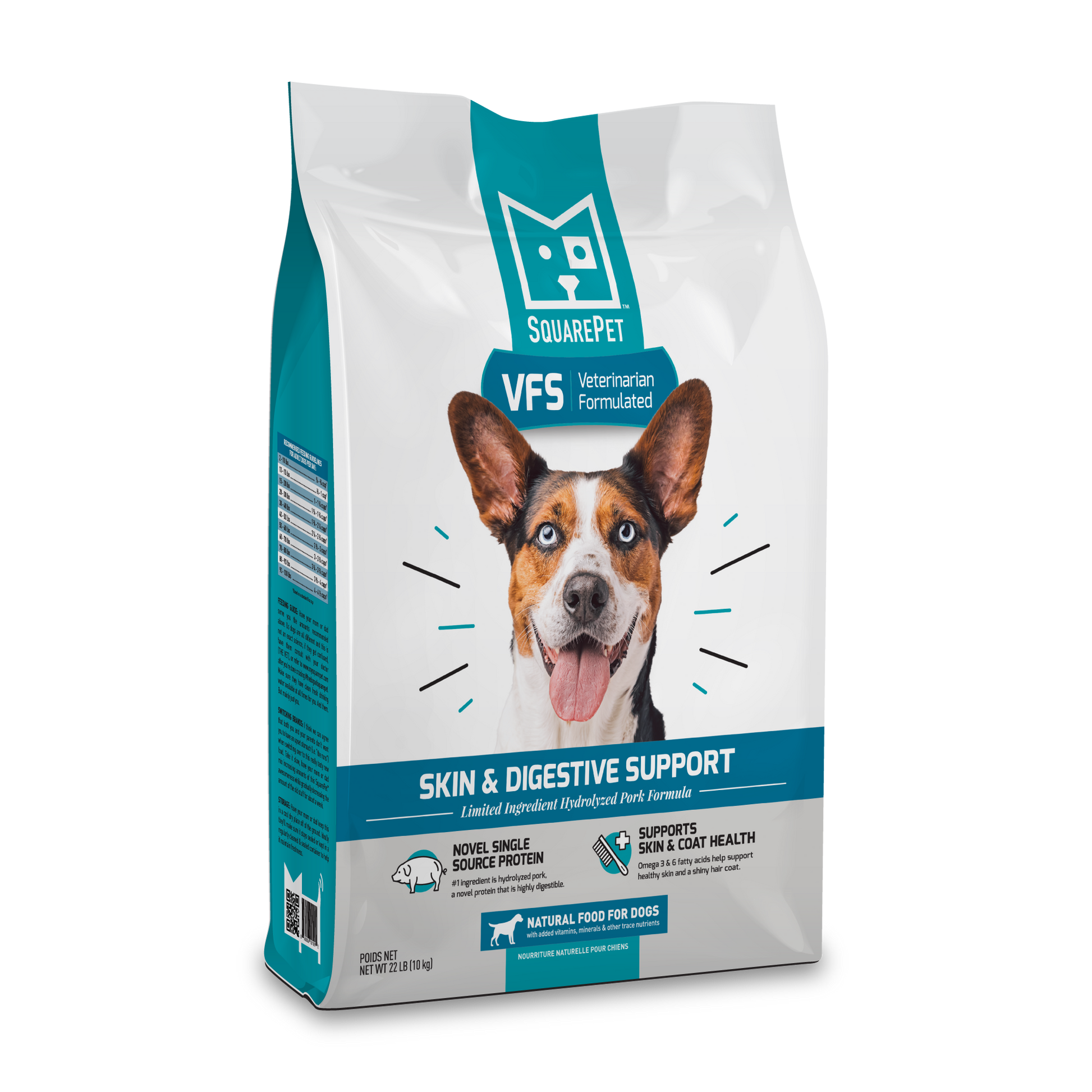
Credit: mysquarepet.com
Frequently Asked Questions
What Dog Food Brands Do Veterinarians Recommend?
Veterinarians often recommend brands like Hill’s Science Diet, Royal Canin, and Blue Buffalo. These brands offer balanced nutrition and support specific health needs.
How To Choose The Best Dog Food For My Pet?
Choose dog food based on your dog’s age, size, and health condition. Always check for high-quality ingredients and veterinary approval for safety.
Are Grain-free Dog Foods Better For Dogs?
Grain-free foods suit dogs with allergies but aren’t necessary for all. Consult your vet to decide if it’s right for your dog’s diet.
Can Homemade Dog Food Meet Veterinary Nutrition Standards?
Homemade dog food can be healthy if properly balanced. Consult a vet or pet nutritionist to ensure it meets all nutritional requirements.
Conclusion
Choosing the right dog food keeps your pet healthy and happy. Veterinarians suggest foods rich in protein and essential nutrients. Always check the ingredients for quality and safety. Remember, each dog’s needs can be different. Talk to your vet before changing their diet.
Good food supports strong bones, shiny coats, and energy. Healthy eating means a longer, better life for your dog. Simple choices make a big difference in your pet’s health. Keep your dog’s diet balanced and fresh every day. Your furry friend will thank you with wagging tails and joy.