Have you ever wondered what deep cleaning a house really means? It’s more than just a quick sweep or a regular tidy-up.
Deep cleaning targets every hidden corner and stubborn spot that often gets overlooked. Imagine your home feeling fresher, healthier, and more inviting than ever before. You’ll discover exactly what deep cleaning involves and how it can transform your living space.
Keep reading to unlock the secrets to a truly spotless home.

Key Areas For Deep Cleaning
Deep cleaning targets the hardest-to-reach spots in a home. It goes beyond regular cleaning and focuses on detailed care. Each room has special areas that need extra attention. Understanding these key areas helps maintain a fresh and healthy home environment.
Kitchen Details
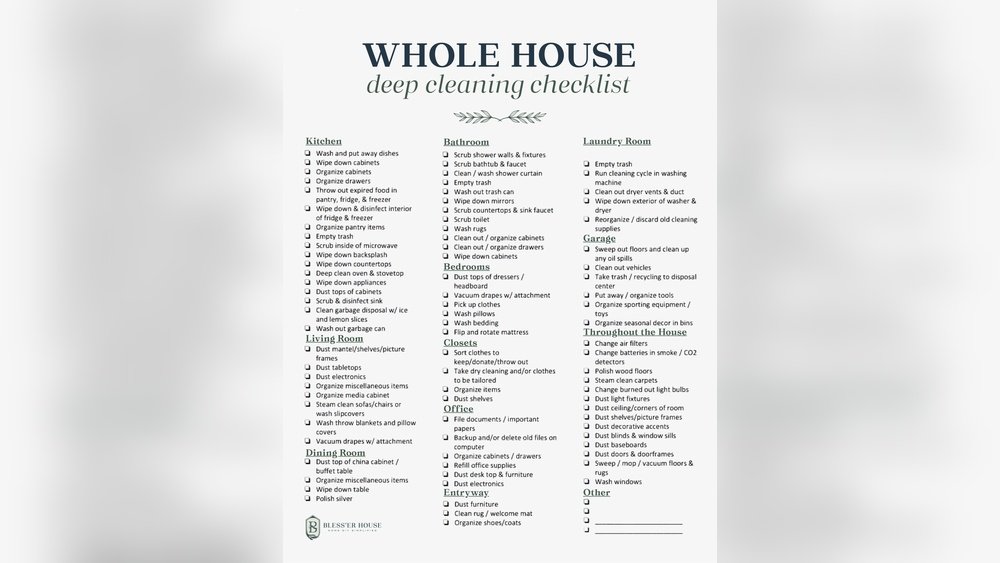
Deep cleaning the kitchen means scrubbing behind appliances. Clean inside the oven, microwave, and refrigerator. Wipe down cabinets, countertops, and sinks thoroughly. Remove grease and food stains from all surfaces. Pay close attention to small areas like drawer handles and light switches.
Bathroom Thoroughness
Bathrooms need intense cleaning to fight germs and mold. Scrub tiles, grout, and shower doors to remove buildup. Clean the toilet inside and out, including under the rim. Wash mirrors and sinks until they shine. Don’t forget to disinfect faucets and door handles.
Living Room Care
In living rooms, dust accumulates on furniture and electronics. Vacuum sofas and under cushions to catch hidden dirt. Clean windows, blinds, and curtains carefully. Wipe down light fixtures and baseboards. Tidy up shelves and remove cobwebs from corners.
Bedroom Refresh
Bedrooms need a focus on fabrics and air quality. Wash bedding, pillowcases, and curtains regularly. Vacuum mattresses and under the bed thoroughly. Dust furniture and clean mirrors with care. Organize closets and remove clutter for a fresh feel.
Essential Tools And Supplies
Deep cleaning a house requires the right tools and supplies. These help remove dirt and grime from every corner. Using proper items makes the job easier and more effective. Here are the essential tools and supplies you need for deep cleaning.
Cleaning Agents And Solutions
Choose strong and safe cleaning agents. All-purpose cleaners work on many surfaces. Disinfectants kill germs and bacteria. Glass cleaners make windows and mirrors shine. Use degreasers for kitchens and ovens. Baking soda and vinegar are natural options. Always read labels for correct use.
Equipment For Hard-to-reach Spots
Long-handled dusters reach high ceilings and fans. Extendable scrub brushes clean behind appliances. Small brushes get into tight corners. Microfiber cloths trap dust and dirt well. Use ladders or step stools safely. These tools ensure no spot is missed.
Protective Gear
Wear gloves to protect your hands from chemicals. Masks prevent inhaling dust and fumes. Safety goggles shield your eyes during scrubbing. Use old clothes or aprons to avoid stains. Protective gear keeps you safe and comfortable.
Step-by-step Deep Cleaning Process
Deep cleaning a house means cleaning every corner thoroughly. It takes time and effort but makes your home very fresh. The process follows clear steps to cover all areas well.
Each step focuses on a different part of the home. This way, no spot gets missed. Let’s explore the step-by-step deep cleaning process.
Decluttering And Organizing
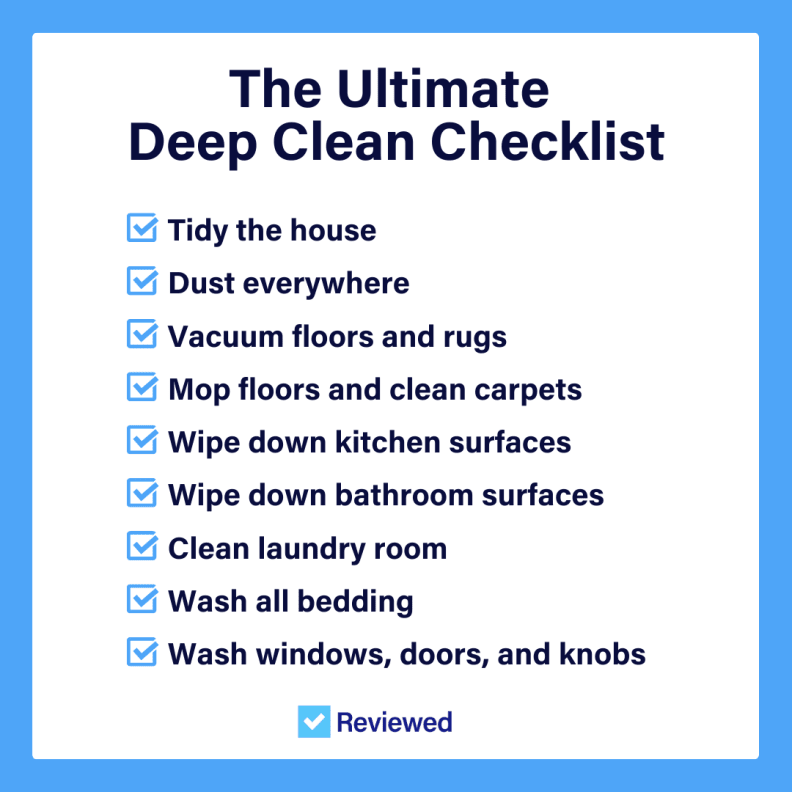
Start by removing clutter from all rooms. Put items in their proper place or discard what you don’t need. This clears space and makes cleaning easier. Organized areas allow better access to surfaces.
Dusting And Vacuuming
Dust all surfaces, including shelves, vents, and corners. Use a damp cloth to trap dust better. Vacuum floors, carpets, and upholstery carefully. This removes dirt and allergens hiding in fabrics and crevices.
Scrubbing Surfaces
Scrub kitchen counters, bathroom tiles, and sinks with strong cleaners. Pay attention to grime and stains. Clean appliances inside and out for better hygiene. Use brushes and sponges to reach tricky spots.
Sanitizing High-touch Areas
Sanitize doorknobs, light switches, and remote controls. These areas carry many germs. Use disinfectant sprays or wipes for safety. Regular sanitizing helps reduce illness and keeps your home healthy.
Common Mistakes To Avoid
Deep cleaning a house takes effort and attention. Many make simple mistakes that reduce cleaning quality. Avoid these errors to get the best results. Focus on the right products, hidden areas, and air flow. These points help your home feel fresh and healthy.
Using Wrong Cleaning Products
Choosing the wrong cleaning products can damage surfaces. Harsh chemicals ruin wood, paint, and fabric. Use gentle, safe cleaners made for each area. Read labels carefully before buying or using any product. Test new cleaners on small spots first. This avoids stains and discoloration.
Neglecting Hidden Spots
Hidden spots collect dust, dirt, and germs. These include behind furniture, under sinks, and ceiling corners. Skip these areas, and dirt builds up over time. Clean these places regularly for a truly deep clean. Use tools like brushes and vacuum attachments to reach tight spaces.
Overlooking Ventilation
Good ventilation helps dry cleaned areas faster. It also removes chemical smells and airborne dust. Close rooms without airflow stay damp and smelly. Open windows or use fans during and after cleaning. This keeps air fresh and reduces mold risk.
Benefits Of Regular Deep Cleaning
Regular deep cleaning offers many benefits for your home and health. It removes dirt and germs that regular cleaning misses. This thorough cleaning helps keep your living space safe and fresh. The effort you put into deep cleaning saves money and improves your home’s look.
Health Improvements
Deep cleaning removes dust, mold, and allergens from your home. This reduces the chance of allergies and breathing problems. It also kills bacteria and viruses that cause sickness. A clean home means fewer health issues for everyone inside.
Extended Lifespan Of Home Fixtures
Cleaning hard-to-reach areas stops damage to floors and walls. Dirt and grime can wear out surfaces and fixtures over time. Deep cleaning protects appliances, furniture, and plumbing. This helps them last longer and work better.
Enhanced Aesthetic Appeal
Deep cleaning makes your home look bright and inviting. Removing stains and buildup restores surfaces’ original shine. It also improves the smell and feel of each room. A clean home creates a pleasant space for family and guests.

Frequently Asked Questions
What Areas Are Included In Deep House Cleaning?
Deep cleaning covers kitchens, bathrooms, bedrooms, living rooms, and often less obvious spots. It targets floors, walls, appliances, baseboards, and vents. This thorough approach removes dirt, grime, and allergens from hidden or hard-to-reach places.
How Often Should Deep Cleaning Be Done?
Deep cleaning is recommended every 3 to 6 months. This frequency maintains hygiene and prevents buildup of dust and bacteria. However, homes with pets or allergies may need it more often.
What Tools Are Needed For Deep Cleaning A House?
Essential tools include microfiber cloths, scrub brushes, vacuum cleaners with attachments, mop, and disinfectants. Specialized products for wood, tile, and glass surfaces improve cleaning effectiveness and protect materials.
How Is Deep Cleaning Different From Regular Cleaning?
Deep cleaning is more detailed and time-consuming than regular cleaning. It targets hidden dirt and hard-to-reach areas. Regular cleaning focuses on visible surfaces and daily maintenance.
Conclusion
Deep cleaning a house means cleaning every small corner deeply. It removes dirt, dust, and germs that regular cleaning misses. This keeps your home healthy and fresh. It takes time but gives great results. Clean windows, floors, and hidden spots matter a lot.
Deep cleaning helps protect your family’s health. It also makes your home look neat and welcoming. Regular deep cleaning keeps problems away. A clean home feels good and calm. Try to deep clean your house often for a better living space.