Choosing the right chair for your office work isn’t just about comfort—it’s about protecting your health and boosting your productivity every single day. You spend hours sitting, so the chair you pick can make a huge difference in how you feel and perform.
Are you tired of back pain, poor posture, or constant discomfort? Finding the perfect chair tailored to your needs can solve these problems and keep you focused. Keep reading to discover exactly what to look for and how to choose the best office chair that works for you.
Key Features For Comfort
Choosing the right chair for office work depends mostly on comfort. A comfortable chair supports your body and reduces fatigue. It also helps you stay focused and productive for longer hours. Key features for comfort include design, adjustability, and materials. These features work together to create a chair that fits your needs and keeps you comfortable.
Ergonomic Design Elements
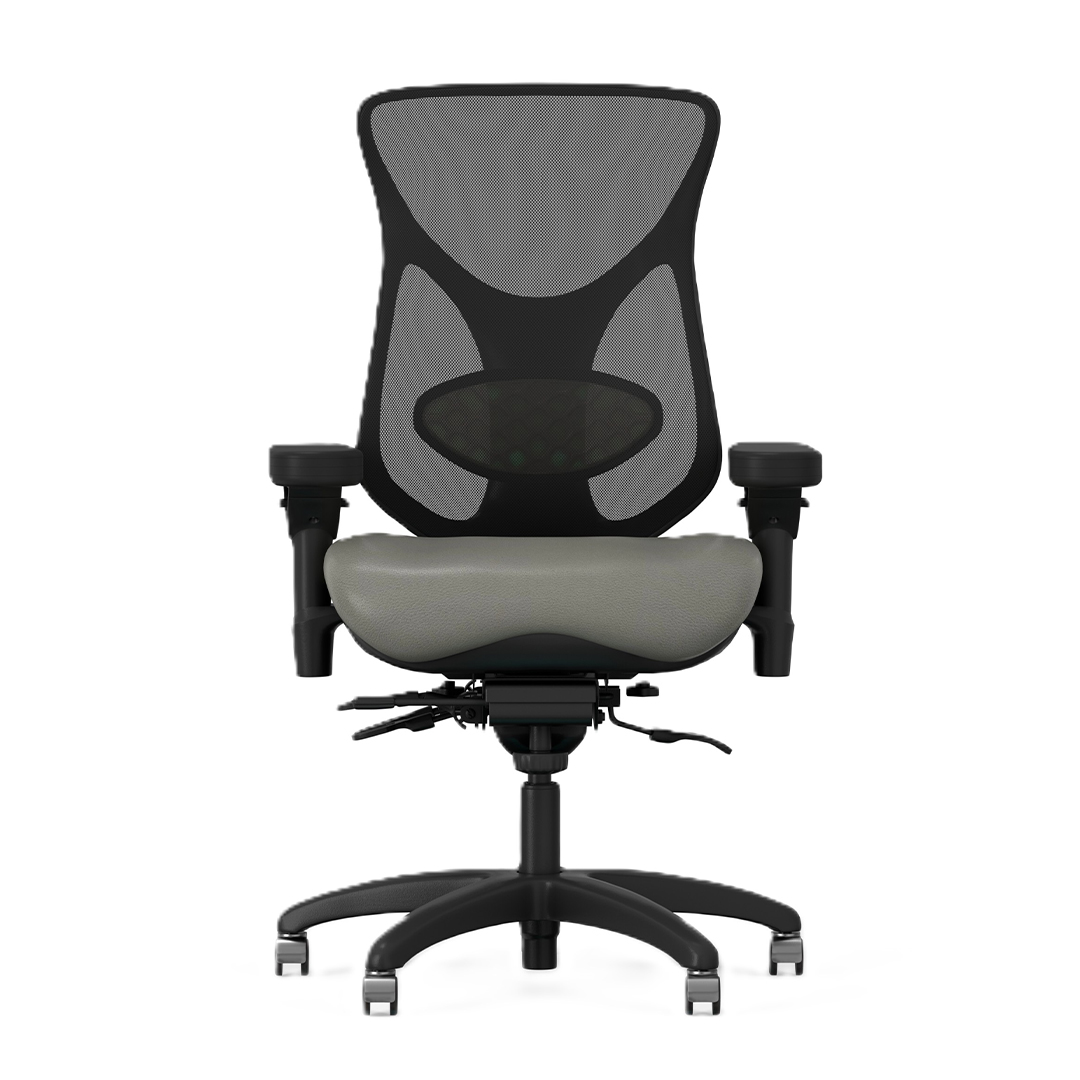
Ergonomic chairs follow the natural shape of your body. They support your spine and reduce strain on your back. Look for a chair with lumbar support to protect your lower back. A contoured seat helps distribute your weight evenly. This design lowers pressure points and improves circulation. Armrests that support your arms reduce shoulder tension. Ergonomic chairs promote good posture and reduce discomfort.
Adjustability Options
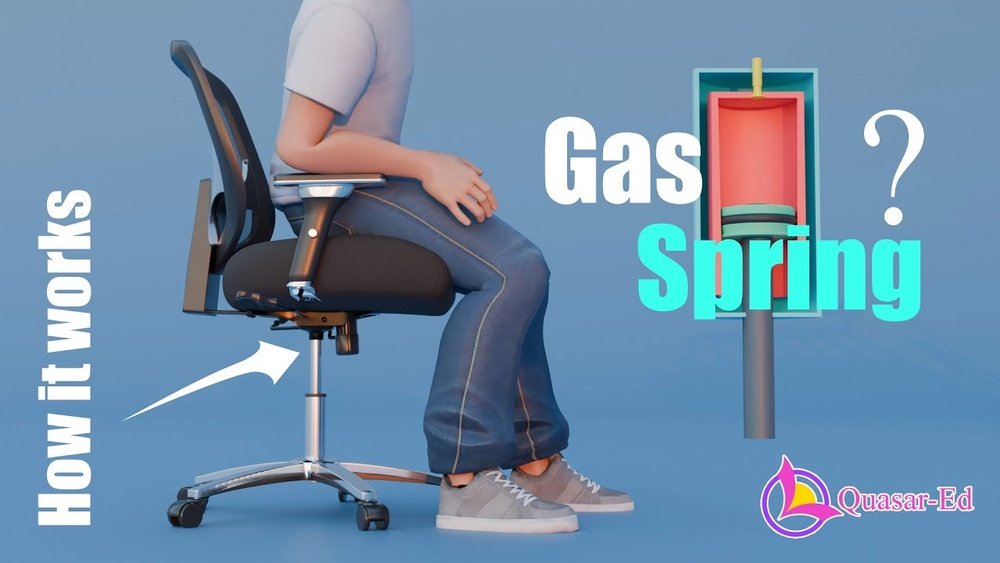
Adjustability is crucial for a comfortable office chair. Height adjustment lets you place your feet flat on the floor. Seat depth adjustment prevents pressure behind your knees. Tilt and recline options help you change posture throughout the day. Adjustable armrests allow better arm and shoulder support. These options let you customize the chair to fit your body. A well-adjusted chair reduces muscle fatigue and improves comfort.
Breathable Materials
Breathable materials keep you cool and dry while sitting. Mesh backs allow air to flow freely, reducing sweat. Fabric with good ventilation feels soft and comfortable. Avoid chairs with non-breathable materials that trap heat. Breathable materials improve comfort, especially during long work hours. They keep your skin fresh and prevent discomfort from overheating.
Types Of Office Chairs
Choosing the right office chair can improve comfort and productivity. Different types of chairs offer different benefits. Understanding these types helps you pick the best one for your work style and space.
Task Chairs
Task chairs are simple and versatile. They usually have wheels and adjustable height. These chairs support good posture for short to medium work periods. They fit well in small offices or home setups.
Executive Chairs
Executive chairs are larger and more cushioned. They provide extra back and arm support. These chairs often have leather or high-quality fabric. Perfect for long hours and formal office settings.
Gaming Chairs
Gaming chairs offer strong support and comfort. They have high backs and headrests. Designed for long sitting sessions with adjustable features. They can be a good choice for office work too.
Kneeling Chairs
Kneeling chairs promote an open hip angle. They reduce lower back strain by shifting weight forward. These chairs encourage active sitting and better posture. Ideal for people with back pain or stiffness.
Choosing The Right Size
Choosing the right size for your office chair is key to comfort and health. A chair that fits well supports your body and helps avoid pain. Size matters in several ways, including how high the seat is, how deep it is, and how big the backrest should be. Each part plays a role in making your workday easier.
Seat Height And Depth
Seat height should match your leg length. Your feet must rest flat on the floor. Knees should be at a 90-degree angle. Seat depth is the distance from the backrest to the front edge. It must allow a small gap between the seat and the back of your knees. This stops pressure and improves blood flow.
Backrest Size
The backrest must support your lower and middle back. It should follow the natural curve of your spine. Too tall can hurt your shoulders. Too short leaves your back unsupported. Adjustable backrests help fit different body shapes and sizes.
Weight Capacity
Every chair has a weight limit. Choose a chair that holds more than your weight. This ensures safety and durability. A strong chair lasts longer and keeps you steady during work.
Supporting Posture And Health
Choosing the right office chair helps keep your body healthy during long work hours. Good support reduces pain and keeps you comfortable. A chair that supports your posture also improves focus and work quality. Focus on features that protect your back, neck, and arms.
Lumbar Support Importance
Lumbar support keeps the lower back in a natural curve. It stops slouching and reduces back pain. Chairs with adjustable lumbar support fit many body shapes. This feature is key to preventing long-term spine problems.
Armrest Positioning
Armrests support your arms and shoulders. They reduce strain on neck and upper back muscles. Adjustable armrests allow you to keep elbows at a 90-degree angle. Proper armrest height helps maintain good posture and comfort.
Headrest Benefits
A headrest supports your neck and head during breaks or leaning back. It reduces tension in neck muscles. Chairs with adjustable headrests help avoid neck stiffness. This feature is great for those who sit long hours.
Materials And Durability
Choosing the right materials for your office chair affects comfort and how long it lasts. Durable materials keep the chair looking new and working well. This section breaks down popular materials and their strengths for office use.
Leather Vs Fabric
Leather offers a smooth, stylish look and feels soft to touch. It is easy to clean but may get hot during long use. Fabric chairs breathe better and keep you cool. They come in many colors and patterns. Fabric can stain easier but often feels warmer in cold rooms.
Mesh Advantages
Mesh seats and backs allow air to flow freely. This helps reduce sweating during long work hours. Mesh is lightweight and adjusts well to your back shape. It dries quickly if it gets wet. It can be less padded, so some may find it less soft.
Frame Construction
The frame holds the chair together and supports weight. Metal frames are strong and last many years. Plastic frames are lighter but may wear out sooner. Look for welded joints for extra strength. A sturdy frame means safer and more stable seating.
Budget Considerations
Choosing the right office chair depends a lot on your budget. A good chair supports your back and improves comfort. Finding one that fits your budget helps you avoid overspending. It also ensures you get value for your money. Let’s explore options in different price ranges.
Affordable Options
Affordable chairs offer basic comfort and support. They usually have simple designs and fewer features. These chairs work well for short work hours. Look for chairs with adjustable height and some lumbar support. They help reduce strain without costing much. Materials might be less durable but still usable.
Mid-range Picks
Mid-range chairs balance price and quality. They offer better ergonomics and more adjustments. Features like adjustable armrests and tilt functions are common. These chairs suit people who work long hours. They often use better materials for durability. Investing in this range improves comfort and health.
High-end Investments
High-end chairs focus on maximum comfort and support. They come with many adjustable settings and premium materials. These chairs fit well for all body types and needs. They last longer and reduce fatigue during long workdays. This option suits those who spend many hours seated. It is a smart choice for long-term health.
Additional Comfort Features
Choosing a chair for office work is more than just style. Comfort plays a big role in staying productive and avoiding pain. Extra features add value by making long hours easier to handle. These features support natural movements and reduce strain. Below are key comfort features to consider for your office chair.
Swivel And Mobility
A swivel seat lets you turn easily without standing up. This helps reach different parts of your desk quickly. Chairs with wheels move smoothly across floors. Mobility reduces the need to stretch or twist awkwardly. It keeps your body relaxed and ready to work.
Tilt And Recline Functions
Tilt allows you to lean back slightly for short breaks. Recline features adjust the chair angle for better comfort. These functions support your spine’s natural curve. Changing positions prevents stiffness and boosts focus. Find a chair with easy-to-use tilt controls.
Cushioning And Padding
Soft cushions protect pressure points during long sitting hours. Quality padding supports your hips and lower back. Foam density matters: too soft or hard can cause discomfort. Look for breathable materials that keep you cool. Proper cushioning helps reduce fatigue and soreness.

Testing Chairs Before Buying
Testing chairs before buying is important to find the right fit. Sitting in a chair helps you feel its comfort and support. You can check if the chair suits your height and desk setup. Trying chairs lets you avoid pain and discomfort later. Spend time adjusting each chair to feel its true comfort.
What To Look For In Store
Check the chair’s seat height and depth. Make sure the backrest supports your lower back. Test the armrests for comfort and adjustability. Sit for a few minutes to feel the padding. Rock the chair to see if it moves smoothly. Check the chair’s stability and build quality. Look for easy adjustment controls.
Online Shopping Tips
Read customer reviews for real experiences. Check detailed photos and product descriptions. Know the chair’s size and weight limits. Look for video reviews or demonstrations. Compare prices on different websites. Buy from stores with clear return policies. Choose chairs with free shipping options.
Return And Warranty Policies
Check if the store offers a trial period. Understand the return process and deadlines. See if the chair can be returned without damage. Read the warranty coverage for parts and repairs. Know how long the warranty lasts. Confirm if customer support is easy to reach. Keep all receipts and documents after purchase.
.jpg)
Frequently Asked Questions
What Features Should An Office Chair Have?
An office chair should have adjustable height, lumbar support, and comfortable padding. It must promote good posture and reduce back strain. Swivel and tilt functions add flexibility for long work hours. Breathable materials enhance comfort during extended use.
How Important Is Ergonomic Design In Office Chairs?
Ergonomic design is crucial for preventing pain and improving productivity. It supports natural spine alignment and reduces muscle fatigue. Ergonomic chairs help maintain comfort during long working hours. Investing in ergonomic chairs promotes better health and work efficiency.
Which Materials Are Best For Office Chair Comfort?
Breathable mesh fabric is ideal for airflow and cooling. High-density foam cushions provide lasting comfort and support. Leather offers durability and a professional look but may trap heat. Choose materials based on climate and personal comfort preferences.
What Is The Ideal Chair Height For Office Work?
The ideal chair height allows feet to rest flat on the floor. Knees should be at a 90-degree angle for proper circulation. Adjustable chairs help customize height to individual needs. Proper height prevents strain on legs and back.
Conclusion
Choosing the right office chair helps your body stay comfortable and healthy. Good support reduces back pain and keeps you focused. Think about your budget, chair size, and features you need. Try sitting in different chairs before buying. A well-chosen chair makes work easier every day.
Spend time finding one that fits your needs well. Your body will thank you later. Comfort matters more than style alone. Choose wisely and enjoy better work hours.