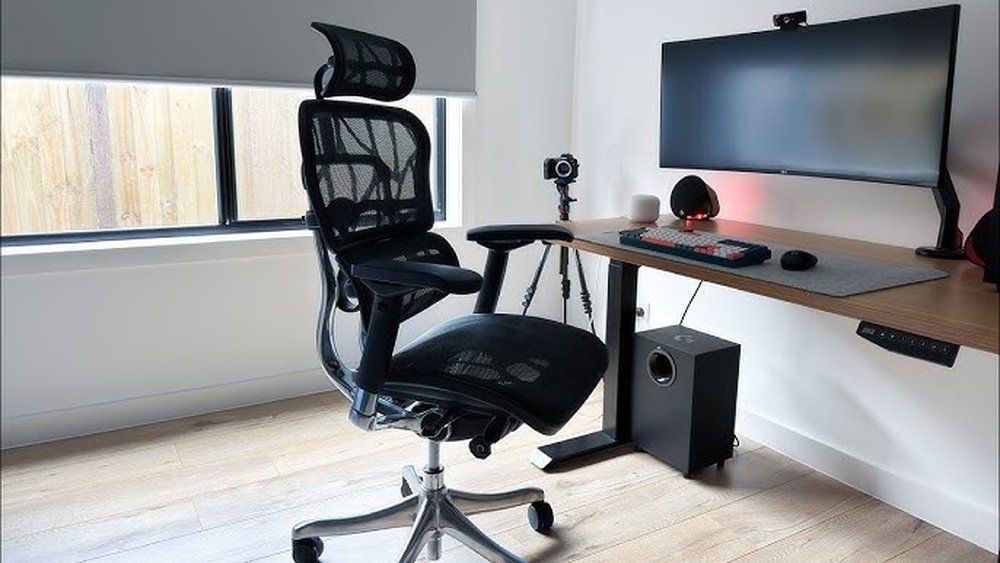
Are you tired of feeling tired and distracted while working? The right chair can make a huge difference in how productive and comfortable you feel throughout your day.
Choosing the best chair for productivity is not just about style—it’s about support, comfort, and helping you stay focused longer. You’ll discover what features to look for and which chairs can boost your work performance. Ready to transform your workspace and get more done?
Keep reading to find the perfect chair that works for you.
Ergonomic Features To Look For
Choosing the right chair can boost your work output. Ergonomic features help keep your body comfortable. They reduce pain and fatigue during long hours. These features support your posture and movements.
Focus on key ergonomic details. They make sitting easier and healthier. A chair with the right adjustments fits your body well. This fit improves concentration and energy.
Adjustable Seat Height
The seat height should be easy to change. It helps your feet rest flat on the floor. Your knees should be at a 90-degree angle. This position reduces pressure on your legs. Adjustable height suits different desk levels and body sizes.
Lumbar Support
Lumbar support protects your lower back curve. It prevents slouching and back pain. Good support keeps your spine aligned. Look for chairs with adjustable lumbar cushions. This way, you can customize the fit for comfort.
Breathable Materials
Materials that allow air flow keep you cool. Breathable fabrics stop sweating during long work sessions. Mesh chairs are popular for their ventilation. Soft, stretchy fabrics can also provide comfort and breathability.
Armrest Options
Armrests reduce strain on your shoulders and neck. Adjustable armrests allow you to set height and width. This helps keep your arms relaxed and elbows close. Padded armrests add extra comfort for long use.
Types Of Chairs For Work
Choosing the right chair for work affects comfort and focus. Different chairs suit different needs and tasks. Understanding types of chairs helps pick the best one for productivity.
Each chair type offers unique support and features. Some are simple and functional, while others provide extra comfort or posture benefits.
Task Chairs
Task chairs are common in offices. They have wheels and adjustable height. These chairs support long hours of sitting. They usually have a simple design and good back support. Task chairs help maintain good posture during computer work.
Executive Chairs
Executive chairs look larger and more cushioned. They often come with high backs and armrests. These chairs give extra comfort and a professional look. Executive chairs are good for managers and long meetings. They provide strong support for the neck and shoulders.
Kneeling Chairs
Kneeling chairs change the sitting position. They put weight on knees and shins. This reduces pressure on the lower back. Kneeling chairs encourage an upright posture. They suit people with back pain or those who want better spine alignment.
Balance Ball Chairs
Balance ball chairs use a large exercise ball as a seat. They improve core strength by making you balance. These chairs help keep your spine active. Balance ball chairs are good for short tasks or breaks. They are not ideal for long periods of sitting.
Impact Of Chair Design On Focus
Chair design plays a big role in how well you can focus at work. A good chair supports your body. It helps keep your mind sharp. The right design stops distractions caused by discomfort. It makes sitting for long hours easier.
Choosing a chair that fits your needs can improve your work quality. It shapes your posture and affects your energy. This can lead to better concentration and less tiredness.
Posture And Concentration
A chair that supports your spine helps maintain good posture. Good posture reduces strain on your muscles and joints. This means less pain and fewer breaks. When your body feels right, your brain can focus better. Slouching or poor posture causes discomfort and distraction. A well-designed chair keeps you sitting upright and alert.
Reducing Fatigue
Fatigue lowers your ability to focus and work well. Chairs with cushioning and proper back support reduce tiredness. They help your body rest while staying active. When your body is less tired, your mind stays clear. A chair that absorbs pressure points prevents aches. This keeps you comfortable throughout your workday.
Movement And Alertness
Chairs that allow small movements help keep you awake. Features like swivel and tilt let you adjust easily. Moving slightly prevents stiffness and improves blood flow. This keeps your brain alert and ready to work. Being able to change position stops boredom. It helps maintain focus during long tasks.
Material And Build Quality
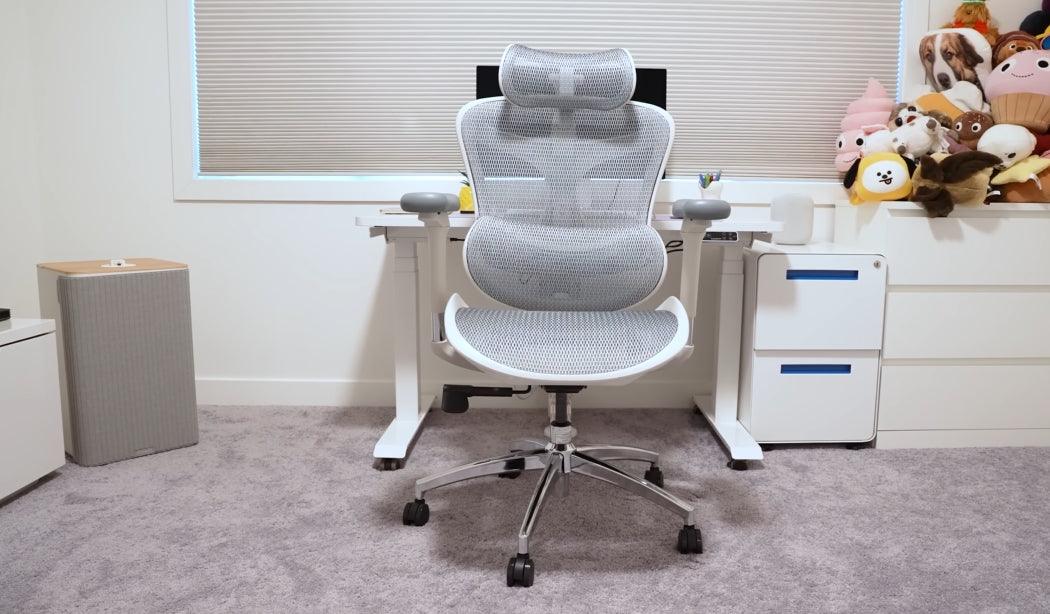
The material and build quality of a chair affect productivity a lot. A well-made chair lasts longer and feels better to sit on. It supports the body in the right way. This reduces tiredness and helps focus on tasks. Choosing the right materials can also keep the chair looking good over time. Understanding what makes a chair strong and comfortable is key to picking the best one for work.
Durability Factors
Strong materials make chairs last longer. Metal frames resist bending and breaking. High-quality plastic can also be very tough. The fabric or leather on the seat should resist tearing and stains. Good stitching helps keep cushions in place. Check how the parts are joined. Screws and bolts hold the chair tight. A stable base stops wobbling. These factors protect your chair from daily wear.
Comfort Vs. Support Balance
Soft cushions feel nice but must support well. Too soft can cause poor posture. Firm padding helps keep the back straight. The seat should fit your body size. Breathable materials stop sweating and discomfort. Mesh backs provide good airflow and support. The chair must support lower back and shoulders. Proper support lowers back pain and boosts focus. Comfort and support work best together.
Maintenance Tips
Clean your chair regularly to keep it fresh. Use mild soap and water on fabrics. Wipe leather with a damp cloth. Avoid harsh cleaners that damage materials. Tighten screws every few months to keep the chair sturdy. Check wheels and moving parts for dirt. Lubricate parts if needed to keep smooth motion. Regular care extends the life of your chair. A well-maintained chair feels better and works longer.
Budget-friendly Options
Finding the right chair for productivity does not mean spending a lot. Budget-friendly options can offer good support without breaking the bank. These choices help keep comfort and posture in check during long work hours. Affordable chairs and simple DIY fixes make a big difference.
Affordable Ergonomic Chairs
Ergonomic chairs designed for comfort are often pricey. Yet, some brands offer models with basic ergonomic features at low prices. Look for chairs with adjustable height and lumbar support. Mesh backrests improve airflow and reduce sweat. These chairs help maintain good posture and reduce back pain. You can find them online or in local stores.
Diy Comfort Enhancements
Simple additions can boost any chair’s comfort. Use cushions or small pillows for extra back support. Seat pads add softness and reduce pressure on hips. Try lumbar rolls made from rolled towels or foam. Adjust your chair with household items to fit your body better. These fixes cost little and improve your sitting experience greatly.
Customization And Accessories
Choosing the right chair is more than just style or brand. Customization and accessories improve comfort and boost productivity. Small changes can make long hours easier and healthier. Accessories help support your body and keep you focused.
Seat Cushions And Pads
Seat cushions add extra comfort to any chair. They reduce pressure on your hips and lower back. Memory foam cushions shape to your body. Gel pads keep your seat cool during long work hours. Cushions help keep your posture right. This lowers pain and tiredness.
Footrests And Stools
Footrests support your feet and legs. They help keep your knees at a good angle. This reduces strain on your back. Adjustable stools give you extra seating options. You can switch between sitting and leaning. This changes your posture and reduces stiffness.
Monitor And Desk Alignment
Proper monitor height helps avoid neck pain. Your eyes should line up with the top of the screen. Desk alignment keeps your arms at a 90-degree angle. This prevents wrist and shoulder strain. Adjustable monitor stands and desks make this easy. Good alignment keeps you comfortable and focused longer.
Choosing Based On Work Style
Choosing the right chair depends on how you work. Your work style affects comfort and productivity. Different tasks need different types of support. Picking a chair that fits your habits keeps you focused and pain-free.
Long Hours Vs. Short Tasks
For long hours, choose a chair with strong back support. Look for adjustable features to fit your body. A good cushion helps avoid discomfort. For short tasks, a simple, lighter chair works well. It allows quick movement and easy standing.
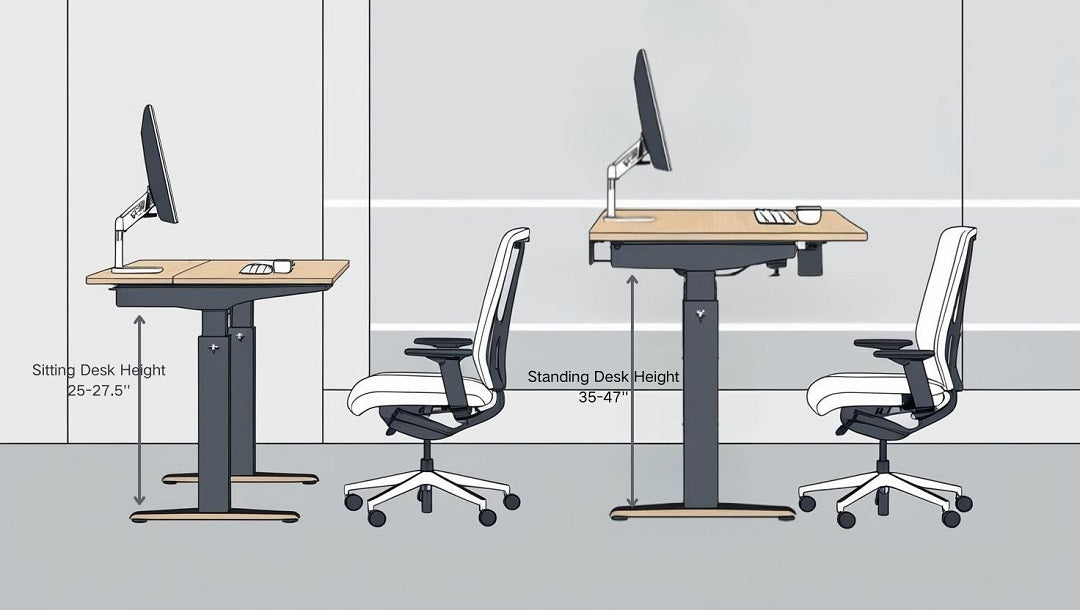
Standing Desk Compatibility
Chairs that work with standing desks boost comfort. A tall stool or chair with adjustable height fits best. It lets you switch between sitting and standing easily. Make sure the chair is stable and supports your posture.
Collaborative Vs. Solo Work
Collaborative work needs chairs that move and swivel easily. Lightweight chairs make sharing space simple. Solo work benefits from ergonomic chairs that focus on support. A chair with good lumbar support improves focus and comfort.

Frequently Asked Questions
What Features Make A Chair Best For Productivity?
A chair that boosts productivity offers ergonomic support, adjustable height, lumbar support, and comfortable cushioning. It promotes good posture and reduces fatigue. These features help maintain focus and reduce discomfort during long working hours, enhancing overall work efficiency.
How Does Ergonomic Design Improve Work Performance?
Ergonomic chairs reduce strain on the back, neck, and shoulders. They encourage proper posture, preventing pain and fatigue. This comfort allows longer, more focused work sessions, improving concentration and productivity throughout the day.
Which Chair Materials Support Productivity And Comfort?
Breathable mesh, memory foam, and quality fabric provide comfort and ventilation. These materials reduce sweating and discomfort. Comfortable seating helps maintain focus and prevents distractions caused by physical discomfort during work.
Can Adjustable Chairs Increase Productivity?
Yes, adjustable chairs allow users to customize height, tilt, and armrests. This adaptability ensures proper alignment and comfort. Personalized settings reduce strain and support longer work periods, leading to increased productivity.
Conclusion
Choosing the right chair can boost your work focus and comfort. A good chair supports your back and helps you sit properly. This reduces pain and keeps you active longer. Think about adjustability, cushioning, and size before buying. Comfort and support go hand in hand for better work.
Your productivity depends on how well you feel while sitting. A simple change in your chair can make a big difference. Take your time to find the best fit for you.