Are you tired of back pain and constant discomfort after sitting for hours? Your chair could be the hidden culprit affecting your posture and overall health.
Choosing the right chair isn’t just about comfort—it’s about supporting your body the right way to keep your spine aligned and reduce strain. You’ll discover exactly what features to look for and which chairs are proven to help correct posture.
Keep reading to find the perfect chair that supports your body and helps you feel better every day.
Importance Of Posture
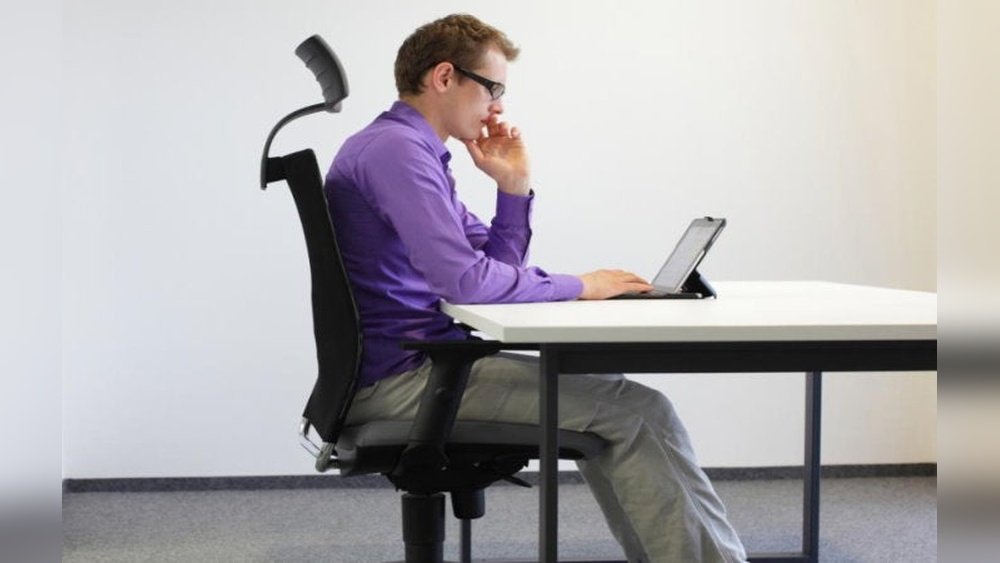
Good posture supports the body’s natural alignment. It helps reduce strain on muscles and joints. Maintaining proper posture improves comfort during daily activities. Sitting or standing correctly protects the spine and prevents pain. Choosing the right chair plays a key role in posture correction.
Effects Of Poor Posture
Poor posture causes back and neck pain. It leads to muscle fatigue and tension headaches. Slouching strains the spine and weakens muscles. It can reduce lung capacity and cause breathing issues. Over time, poor posture may lead to spinal deformities.
Benefits Of Correct Posture
Correct posture reduces muscle strain and joint stress. It improves breathing and increases energy levels. Good posture helps prevent pain and injuries. It supports better digestion and circulation. Proper posture boosts confidence and overall well-being.
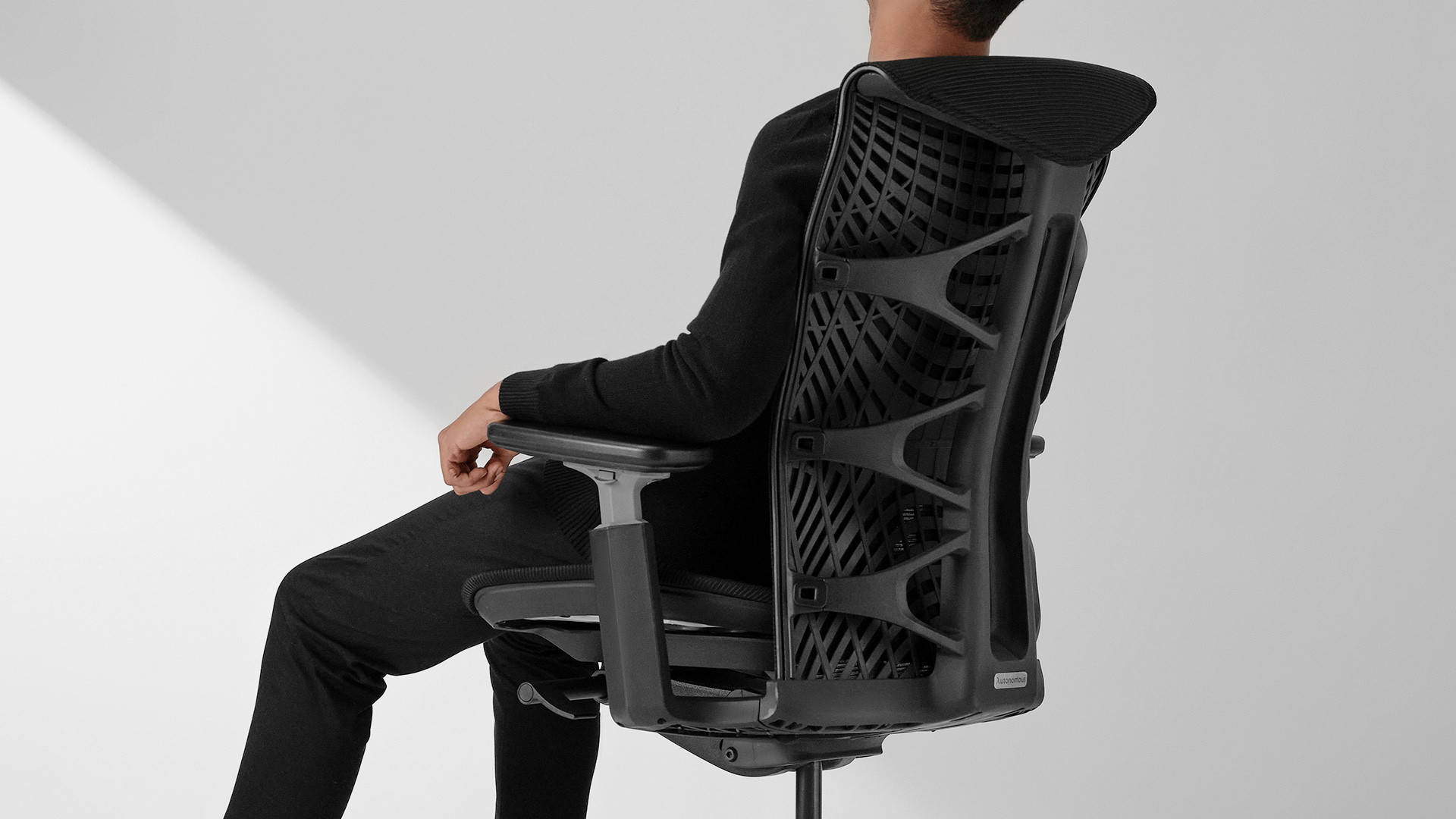
Key Features Of Posture Chairs
Choosing the right chair for posture correction means focusing on specific features. These features support your spine and reduce strain. A good posture chair helps you sit comfortably for hours. Understanding these key features guides you to the best choice.
Ergonomic Design Elements
Ergonomic design fits the natural shape of the body. It supports the lower back and keeps the spine aligned. Chairs with curved backrests promote proper posture. They help prevent slouching and back pain. A well-designed seat encourages even weight distribution.
Adjustability Options
Adjustability allows the chair to fit different body sizes and shapes. Look for chairs with height and tilt controls. Adjustable armrests reduce shoulder and neck strain. Lumbar support should also be adjustable for best comfort. These options help maintain a healthy sitting posture all day.
Supportive Materials
Supportive materials make the chair comfortable and durable. High-density foam cushions provide firm support. Breathable fabrics keep you cool and dry. Mesh backrests offer flexibility and ventilation. Strong frames ensure long-lasting stability and support.
Top Chair Types For Posture
Choosing the right chair helps improve your posture. Good posture reduces back pain and keeps your spine healthy. Different chairs offer unique support for your body. Here are some top chair types for posture correction.
Ergonomic Office Chairs
Ergonomic office chairs shape to your body. They support your lower back and encourage an upright position. Adjustable features let you change height and tilt. This customization helps maintain natural spine curves. Many ergonomic chairs include armrests and lumbar support.
Kneeling Chairs
Kneeling chairs shift your weight forward. They reduce pressure on your lower back. These chairs open your hips and align your spine. Kneeling chairs improve core muscle strength. They encourage an active sitting posture.
Balance Ball Chairs
Balance ball chairs use an inflatable ball as a seat. They promote small movements to keep your balance. This movement strengthens your core and back muscles. Sitting on a balance ball helps maintain a straight spine. It also reduces stiffness from long sitting hours.
Saddle Chairs
Saddle chairs resemble a horse saddle shape. They tilt your pelvis forward for better spine alignment. These chairs reduce pressure on your hips and lower back. Saddle chairs improve sitting posture by opening your thigh angle. They are ideal for desk work and creative tasks.
Best Chairs For Different Needs
Choosing the right chair can improve posture and comfort significantly. Different chairs suit different needs. Some are best for long work hours, while others help with back pain. Some encourage movement, and some fit tight budgets. Understanding these options helps find the best chair for you.
For Long Hours At Desk
Chairs designed for long hours offer strong back support. They have adjustable features to fit your body shape. Good lumbar support reduces strain on the lower back. Breathable materials keep you cool all day. A wide seat and armrests help maintain comfort.
For Back Pain Relief
Back pain relief chairs focus on spinal alignment. They provide firm support where your back needs it most. Many come with adjustable lumbar cushions. Reclining features reduce pressure on the spine. These chairs encourage a natural sitting posture.
For Active Sitting
Active sitting chairs promote movement and core engagement. They often have a balance ball or wobble base. This movement reduces stiffness and improves circulation. Active chairs help strengthen muscles that support good posture. They are ideal for those who want to stay active while seated.
For Budget-friendly Options
Budget-friendly chairs offer good support without high costs. Look for chairs with adjustable height and backrests. Basic lumbar support improves posture on a budget. Durable materials ensure the chair lasts longer. Many affordable chairs meet ergonomic standards.
Tips For Choosing The Right Chair
Picking a chair that helps with posture is important for your health. A good chair supports your back and reduces pain. It also helps you sit comfortably for longer times. Use these tips to find the right chair for your needs.
Assessing Your Work Environment
Look at the space where you will use the chair. Measure the desk height and the room size. Check if the floor is flat or carpeted. This affects the chair’s wheels and stability. Think about how long you sit each day. A chair for short use differs from one for long hours.
Testing Comfort And Support
Try sitting in the chair before buying. Feel how it supports your lower back. A good lumbar support keeps your spine natural. Sit with feet flat and knees at a right angle. The seat should be wide and deep enough. It should not press behind your knees.
Considering Adjustable Features
Choose a chair with adjustable height and backrest. You should move the armrests to fit your desk. The tilt function helps you change your sitting angle. Adjustable features let you find your best position. This helps reduce strain and improves posture.
Maintaining Good Posture
Maintaining good posture is key to preventing back and neck pain. It supports the spine and helps the body stay balanced. Sitting correctly also improves breathing and focus. Using the right chair is part of keeping good posture, but habits matter most.
Proper Sitting Techniques
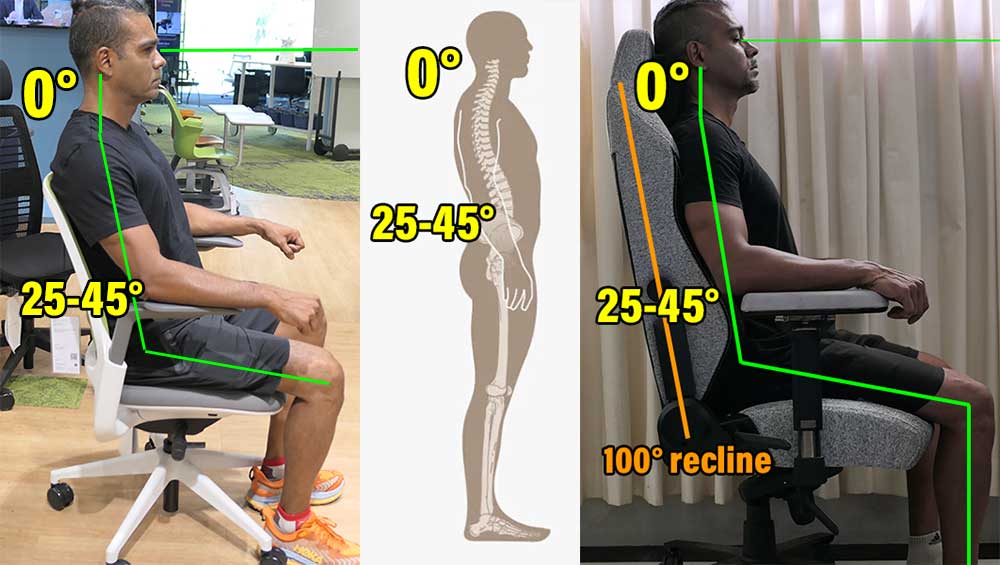
Sit with your feet flat on the floor. Keep your knees at a 90-degree angle. Your back should touch the chair’s backrest. Avoid slouching or leaning forward. Keep your shoulders relaxed and down. Position your hips far back in the seat. Use a chair with lumbar support to keep your lower back curved. Keep your head aligned over your shoulders.
Regular Movement Breaks
Sitting too long causes stiffness and poor posture. Stand up every 30 minutes to stretch and walk. Move your arms, neck, and legs often. Change your sitting position during the day. Small breaks help blood flow and reduce muscle tension. These habits protect your spine and improve comfort.

Frequently Asked Questions
What Features Should A Posture Correction Chair Have?
A good posture correction chair has adjustable lumbar support, seat height, and armrests. It promotes spine alignment and reduces slouching. Breathable material and ergonomic design enhance comfort and encourage healthy sitting habits.
How Does A Chair Improve Posture Correction?
Chairs designed for posture correction support the natural curve of your spine. They reduce pressure on your lower back and encourage an upright sitting position. This prevents muscle strain and long-term posture problems.
Are Ergonomic Chairs Effective For Posture Correction?
Yes, ergonomic chairs are effective as they adapt to your body shape. They provide targeted support to key areas like the lower back and neck. This reduces discomfort and promotes better posture during long sitting hours.
Can A Posture Correction Chair Prevent Back Pain?
Yes, these chairs reduce strain on your spine and muscles. Proper support minimizes the risk of developing back pain. Consistent use encourages healthier sitting habits and spinal alignment.
Conclusion
Choosing the right chair supports your back and improves your posture daily. A good chair helps reduce pain and keeps you comfortable. Look for adjustable features that fit your body well. Remember, sitting properly can boost your health and focus.
Invest time in finding a chair that supports your spine. Small changes make a big difference in how you feel. Keep your posture strong and enjoy better comfort every day.