If you suffer from sciatica, finding the right chair can make a huge difference in your daily comfort. Sitting the wrong way can worsen your pain and slow down your recovery.
But what chair is best for people with sciatica? You’ll discover simple tips and expert advice to help you choose a chair that supports your back, relieves pressure, and keeps you comfortable for longer. Keep reading to learn how the right chair can change the way you feel every day.
Causes Of Sciatica Pain
Sciatica pain happens when the sciatic nerve becomes irritated or compressed. This nerve runs from the lower back down each leg. The pain can be sharp, burning, or cause numbness. Understanding what causes this pain helps in choosing the right chair.
Common Sciatica Triggers
Several factors can trigger sciatica pain. Herniated discs press on the nerve and cause pain. Bone spurs from arthritis can narrow the nerve space. Muscle spasms in the lower back tighten around the nerve. Poor posture can add pressure to the nerve. Injury or trauma to the lower back also plays a role.
How Sitting Affects Sciatica
Sitting too long puts extra pressure on the lower spine. This pressure can pinch the sciatic nerve. Chairs without proper support increase this risk. Sitting with a slouched back worsens nerve pain. Choosing a chair with good lumbar support helps reduce pain. Moving and stretching often can ease discomfort.
Key Features Of Sciatica-friendly Chairs
Choosing the right chair can ease sciatica pain and improve comfort. Chairs designed for sciatica provide support where the body needs it most. These features help reduce pressure on the sciatic nerve. A good chair encourages healthy posture and reduces strain.
Lumbar Support Importance
Lumbar support helps keep the lower back in a natural curve. It prevents slouching, which can worsen sciatica pain. Proper lumbar support reduces pressure on the spine and nerves. Chairs with adjustable lumbar support allow you to find the best fit for your back.
Seat Cushioning And Material
Soft but firm cushioning provides comfort without sinking too deep. Cushion material affects how well the chair absorbs pressure. High-density foam or memory foam cushions offer good support. Breathable fabrics keep you cool and prevent sweating during long sitting hours.
Adjustability Factors
Adjustable chairs let you change height, tilt, and armrests. Customizing these settings helps align your body correctly. It reduces tension on the hips and lower back. A chair that fits your body size is essential for sciatica relief.
Ergonomic Design Elements
Ergonomic chairs promote natural body posture. They support the spine, hips, and legs evenly. Features like a waterfall seat edge reduce pressure on the thighs. Contoured backrests follow the shape of your spine for comfort and support.
Top Chair Types For Sciatica Relief
Choosing the right chair can ease sciatica pain significantly. Certain chair types help reduce pressure on the sciatic nerve. These chairs support better posture and comfort. Here are the top chair types for sciatica relief.
Ergonomic Office Chairs
Ergonomic office chairs offer strong back support. They keep the spine aligned and reduce nerve pressure. Adjustable features like height and lumbar support improve comfort. These chairs promote good posture during long sitting hours.
Kneeling Chairs
Kneeling chairs shift weight forward to open the hips. This reduces pressure on the lower back and sciatic nerve. They encourage an upright posture and relieve back strain. Many find kneeling chairs help with pain relief and mobility.
Recliner Chairs
Recliner chairs allow reclining to reduce spinal pressure. They support the lower back and legs comfortably. Reclining helps improve blood flow and reduces nerve irritation. These chairs are great for resting and pain relief.
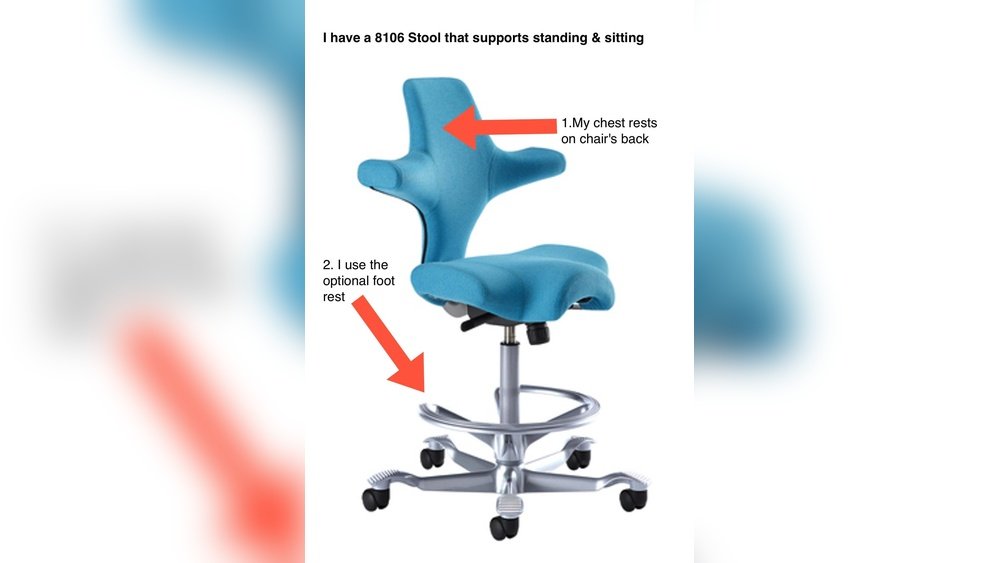
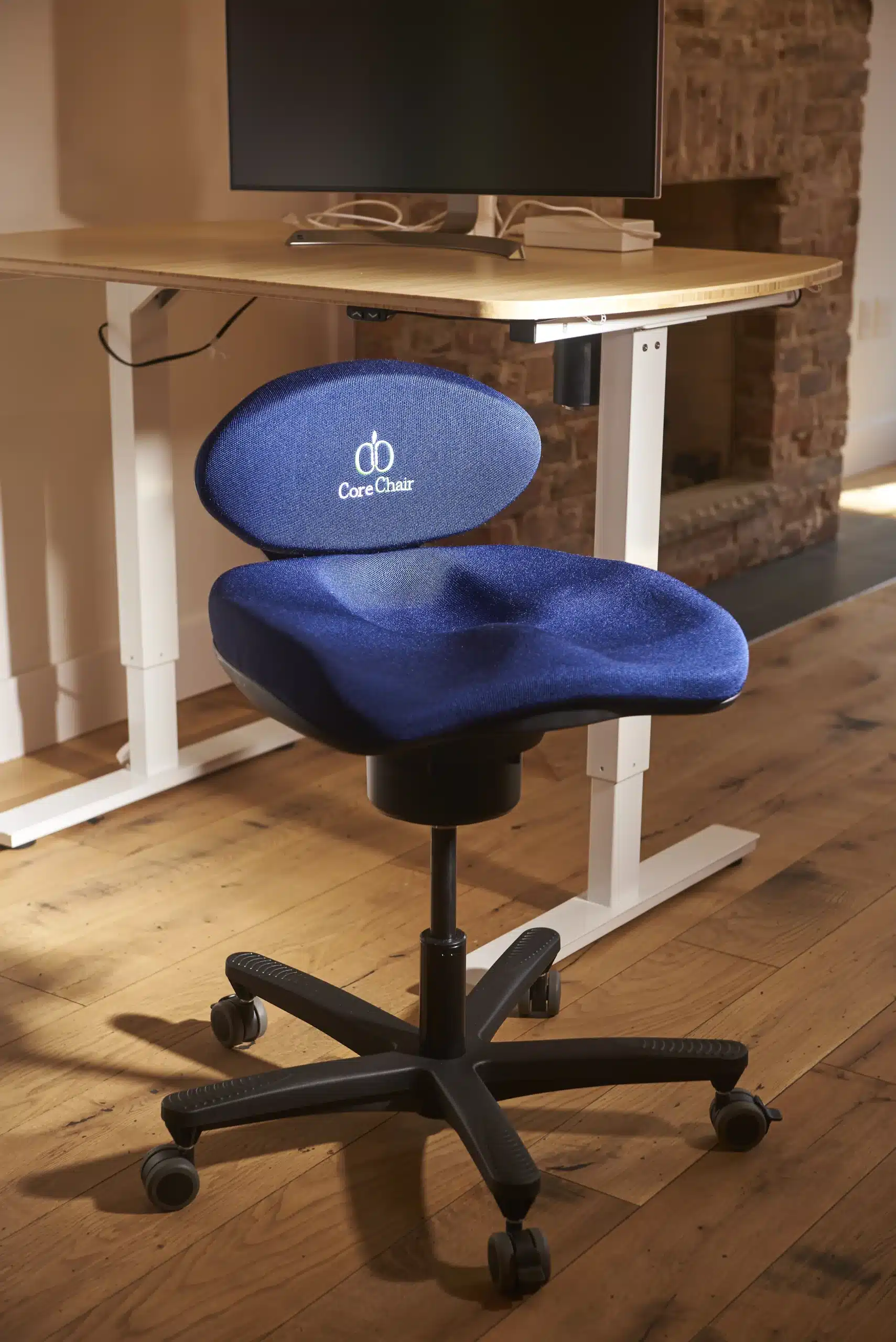
Saddle Chairs
Saddle chairs mimic sitting on a horse. They open the hips and align the spine naturally. This reduces stress on the sciatic nerve. Saddle chairs improve posture and reduce back pain during sitting.

How To Choose The Right Chair
Choosing the right chair matters a lot for people with sciatica. The wrong chair can make pain worse. A good chair offers support and comfort. It helps reduce pressure on the sciatic nerve. Finding the right fit takes some effort. This guide shows how to pick a chair that works best.
Assessing Personal Needs
Think about your daily activities and pain level. Do you sit for many hours? Do you need extra lumbar support? Consider any other health issues, such as back problems or posture. Measure your height and weight to find a chair that fits well. Knowing your needs helps narrow down choices quickly.
Testing For Comfort And Support
Try sitting in different chairs if possible. Check if the seat cushion feels soft but firm. The backrest should support the natural curve of your spine. Look for adjustable features like seat height and tilt. A chair that reduces pressure points will feel more comfortable. Pay attention to how your body feels after sitting for a while.
Budget Considerations
Set a budget before shopping for a chair. Chairs with better support can cost more but offer long-term relief. Look for chairs that balance price and quality. Avoid very cheap chairs that may lack proper support. Investing wisely can prevent more pain and medical costs later.
Tips For Sitting With Sciatica
Sitting for long periods can worsen sciatica pain. Simple changes in how you sit help ease discomfort. These tips focus on comfort and support during sitting. They guide you to reduce pressure on your lower back and nerves.
Proper Posture Practices
Keep your back straight and shoulders relaxed while sitting. Avoid slouching or leaning forward. Your feet should rest flat on the floor. Use a chair that supports the natural curve of your spine. Sit with hips slightly higher than knees. This reduces pressure on the sciatic nerve.
Regular Movement And Breaks
Stand up and walk every 30 minutes. Stretch gently to relieve muscle tightness. Moving often prevents stiffness and improves blood flow. Avoid sitting in one position for too long. Small breaks help lower sciatica pain and promote healing.
Using Additional Supports
Place a small pillow or rolled towel behind your lower back. This provides extra lumbar support and keeps your spine aligned. Use a seat cushion designed for sciatica relief. These supports reduce pressure on the tailbone and hips. They help keep your body comfortable while sitting.

Frequently Asked Questions
What Type Of Chair Relieves Sciatica Pain Best?
Ergonomic chairs with adjustable lumbar support are best for sciatica relief. They maintain natural spine alignment and reduce pressure on the sciatic nerve.
Can A Recliner Help With Sciatica Discomfort?
Yes, a recliner can help by reducing spinal pressure. It allows you to elevate your legs, improving circulation and easing nerve pain.
Is A Memory Foam Chair Good For Sciatica?
Memory foam chairs provide excellent cushioning and support. They conform to your body shape, reducing pressure points and improving comfort for sciatica sufferers.
Should Office Chairs Have Adjustable Features For Sciatica?
Absolutely. Adjustable seat height, lumbar support, and armrests help customize posture. This reduces nerve strain and prevents sciatica flare-ups during long sitting periods.
Conclusion
Choosing the right chair helps ease sciatica pain daily. A chair with good support keeps your back and hips comfortable. Adjustable features allow you to find the best position. Soft cushions reduce pressure on sensitive nerves. Remember, sitting less and moving more also helps your health.
Find a chair that fits your needs and feels good. Comfort and support matter most for sciatica relief. Small changes can make a big difference in pain. Take care of your body with the right seat.