Are you tired of constant neck and shoulder pain after long hours of sitting? Finding the right chair could be the key to relief you’ve been searching for.
The wrong chair can make your pain worse, while the right one supports your body and eases discomfort. You’ll discover what features matter most and how to choose a chair that protects your neck and shoulders. Keep reading to learn how a simple change can make a big difference in your daily comfort and health.
Causes Of Neck And Shoulder Pain
Neck and shoulder pain affects many people daily. Understanding the causes helps find the right chair to reduce pain. Several factors contribute to this discomfort. These include habits, work conditions, and seating choices. Each factor strains muscles and joints differently. Identifying these causes is the first step to relief.
Common Posture Mistakes
Poor posture often leads to neck and shoulder pain. Slouching or leaning forward puts pressure on muscles. Holding the head too far forward strains the neck. This causes stiffness and soreness over time. Sitting without back support worsens the problem. Keeping a neutral spine reduces muscle tension.
Work-related Strain
Long hours at a desk cause neck and shoulder pain. Repetitive movements and static positions tire muscles. Stress can tighten muscles, increasing pain. Holding a phone between ear and shoulder also strains muscles. Frequent breaks and gentle stretches help ease discomfort.
Impact Of Poor Seating
Chairs that lack support worsen neck and shoulder pain. Hard seats and low backs force muscles to work harder. Incorrect seat height causes awkward arm and shoulder positions. Armrests set too high or low add strain. Using an ergonomic chair supports proper posture and reduces pain.
Key Features Of Pain-relief Chairs
Choosing the right chair can ease neck and shoulder pain. Pain-relief chairs have special features designed to support your body. These features help reduce strain and improve comfort during long sitting hours. Understanding these key features helps you pick the best chair for pain relief.
Ergonomic Design Elements
Ergonomic design shapes the chair to fit your body. A good chair supports the natural curve of your spine. It keeps your neck and shoulders aligned. This design reduces pressure and prevents stiffness. Armrests are placed to relax your shoulders. The chair’s backrest supports your upper back fully.
Adjustability Options
Adjustability lets you change the chair to your needs. You can adjust the height to keep feet flat on the floor. The backrest can tilt to reduce shoulder tension. Armrests move up, down, or sideways for comfort. Some chairs have adjustable neck or head supports. These changes help reduce muscle strain.
Supportive Materials
Supportive materials improve comfort and durability. High-density foam cushions reduce pressure on neck and shoulders. Memory foam molds to your body shape. Breathable fabrics keep you cool and dry. Strong frames provide stable support. These materials keep the chair comfortable all day.
Top Chair Types For Neck And Shoulder Comfort
Choosing the right chair can ease neck and shoulder pain. Comfort and support help reduce strain and improve posture. Some chairs focus on specific needs to keep these areas relaxed. The best chairs balance support and comfort throughout the day.
Ergonomic Office Chairs
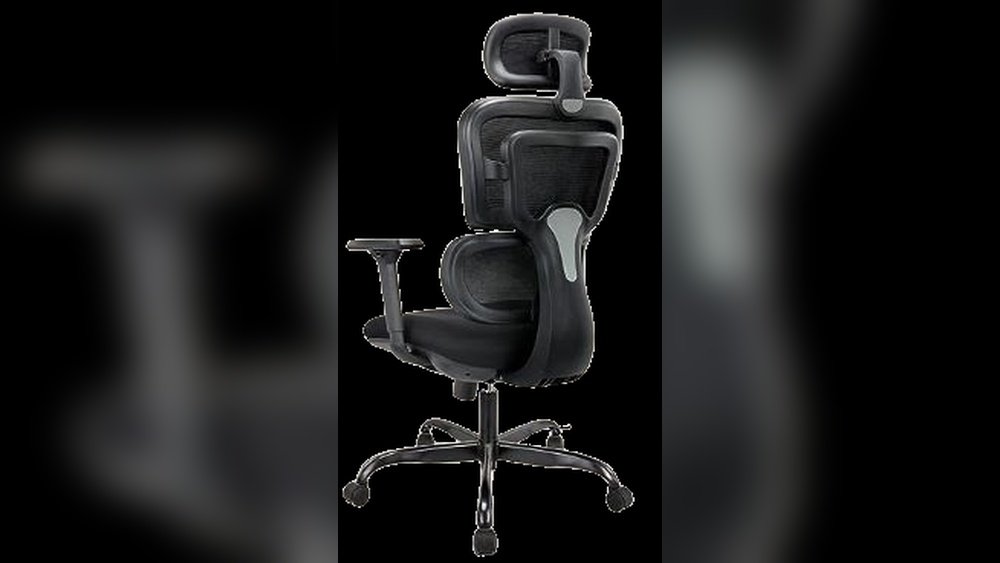
Ergonomic office chairs offer adjustable features. They support the natural curve of your spine. Neck rests and adjustable armrests reduce shoulder tension. These chairs promote good posture during long work hours. Many models have breathable materials for added comfort.
Recliners With Neck Support
Recliners with neck support help relax muscles. They allow you to lean back and rest your head. Soft padding cushions the neck and shoulders gently. These chairs are ideal for resting after a long day. They help improve blood flow and reduce stiffness.
Active Sitting Chairs
Active sitting chairs encourage movement while seated. They improve core strength and reduce muscle stiffness. These chairs often have balance or wobble features. Movement helps prevent neck and shoulder pain. They are great for those who sit for long periods.

Choosing The Right Chair For Your Needs
Finding the best chair for neck and shoulder pain starts with understanding your body. A chair that fits your needs helps reduce discomfort. It supports your posture and eases tension. The right chair can make long hours at a desk easier. Choose carefully to protect your neck and shoulders.
Assessing Your Pain Points
Identify where your pain is strongest. Is it your neck, shoulders, or both? Notice if pain worsens after sitting for a while. Keep track of when and where discomfort happens. This helps you pick a chair that targets those areas.
Matching Chair Features To Symptoms
Look for chairs with adjustable headrests to support the neck. Shoulder pain improves with armrests that adjust to your height. Lumbar support helps keep your spine aligned. Chairs that tilt and recline reduce pressure on muscles. Choose features that ease your specific pain.
Budget Considerations
Set a clear budget before shopping. Good chairs come in many price ranges. Focus on chairs that offer essential support features within your budget. Sometimes spending a little more pays off in comfort. Avoid cheap options that lack proper support.
Additional Tips For Neck And Shoulder Relief
Finding the best chair for neck and shoulder pain is important. Yet, using the right chair alone does not solve all problems. Small daily habits can also help reduce pain and improve comfort. These tips support your chair choice and protect your neck and shoulders.
Proper Sitting Posture
Sit with your back straight and shoulders relaxed. Keep your feet flat on the floor. Your knees should be at a 90-degree angle. Avoid slouching or leaning forward. Position your head so it is aligned with your spine. Good posture reduces strain on neck and shoulder muscles.
Regular Breaks And Stretches
Take short breaks every 30 to 60 minutes. Stand up and move around to ease muscle tension. Stretch your neck by gently tilting your head side to side. Roll your shoulders forward and backward slowly. These actions help increase blood flow and reduce stiffness.
Workspace Ergonomics
Adjust your chair and desk to fit your body. Your computer screen should be at eye level to prevent neck bending. Use a keyboard and mouse close to your body. Keep items you use often within easy reach. Proper workspace setup helps maintain comfort and reduces pain.

Recommended Chairs With User Reviews
Choosing the right chair can ease neck and shoulder pain significantly. Many users have shared their experiences with different chairs. Their reviews help identify chairs that provide comfort and support. This section highlights top chairs based on real user feedback. Each chair suits a specific need or budget. Find your best match here.
Top Picks For Office Use
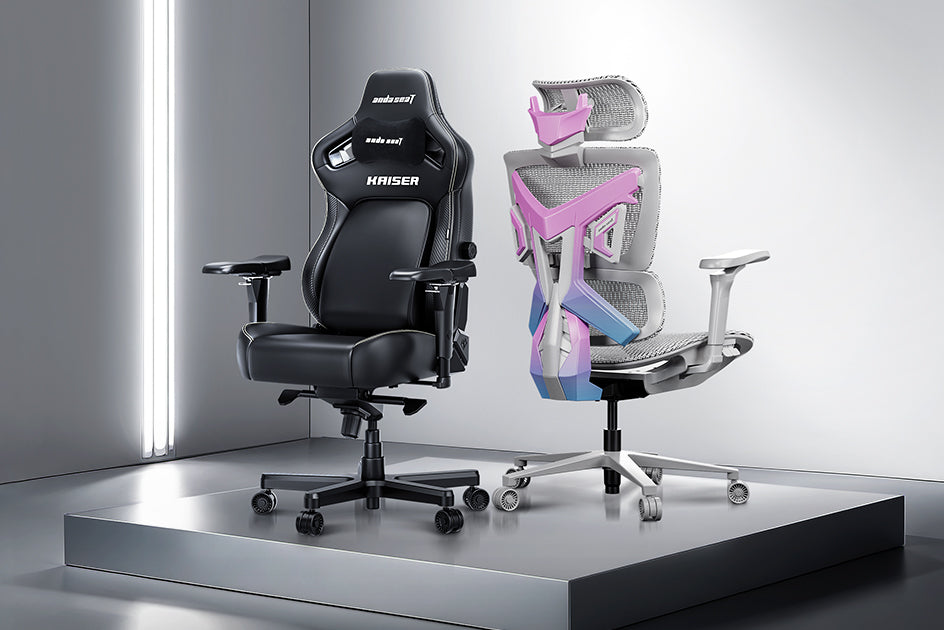
Office chairs with good neck and shoulder support improve posture. Users praise ergonomic designs that reduce strain during long work hours. Chairs with adjustable headrests and lumbar support get high ratings. Many reviewers say their pain decreased after switching. Breathable materials and smooth adjustability add to comfort. These chairs keep you focused and pain-free.
Best Recliners For Pain Relief
Recliners offer a relaxing way to ease muscle tension. Users report less shoulder stiffness after using recliners with head and neck support. Chairs that recline fully or partially help improve blood flow. Soft cushioning and firm support balance comfort well. Many find relief by resting in recliners after work. These options combine comfort with therapeutic benefits.
Affordable Options
Good chairs do not always cost a lot. Many budget-friendly chairs get positive reviews for neck and shoulder pain. Simple designs with adjustable features often meet user needs. Users appreciate chairs that support posture without high prices. Easy assembly and durable materials add value. These affordable chairs provide comfort without overspending.
Frequently Asked Questions
What Features Should A Chair Have For Neck Pain?
A chair for neck pain must have adjustable headrests and lumbar support. It should promote good posture. Cushioned, ergonomic designs reduce strain on your neck muscles during long sitting hours.
How Does An Ergonomic Chair Help Shoulder Pain?
Ergonomic chairs support proper spine alignment and reduce shoulder tension. Adjustable armrests prevent shoulder hunching. This design minimizes muscle fatigue and improves comfort while working or relaxing.
Can Office Chairs Reduce Neck And Shoulder Discomfort?
Yes, office chairs with ergonomic features reduce discomfort. They provide proper lumbar and neck support. Adjustable settings help customize the chair for individual posture needs, preventing pain caused by poor sitting habits.
Is A Reclining Chair Beneficial For Shoulder Pain?
Reclining chairs can relieve shoulder pain by reducing pressure on muscles. They allow you to change positions often, improving blood flow. Proper support in reclined positions eases shoulder and neck tension.
Conclusion
Choosing the right chair helps ease neck and shoulder pain. A good chair supports your spine and keeps you comfortable. Look for adjustable height and strong back support. Padding matters for long hours of sitting. Taking breaks and stretching also reduce pain.
Your body will thank you for better posture. Comfort and support go hand in hand. Find a chair that fits your needs well. Small changes can make a big difference daily. Take care of your neck and shoulders with smart seating.