Is your lower back aching after a long day of sitting? You’re not alone.
Finding the right chair can make all the difference in how your back feels. But with so many options out there, how do you know which one truly supports your lower back? This guide will help you discover the chair that fits your needs perfectly, so you can sit comfortably and say goodbye to that nagging pain.
Keep reading to find the best chair for your lower back support and feel the relief you deserve.

Causes Of Lower Back Pain
Lower back pain affects millions of people worldwide. It often starts with simple causes but grows into chronic discomfort. Understanding the causes helps in choosing the right chair for support. This section explains the main reasons for lower back pain and how seating plays a role.
Common Triggers
Muscle strain is a top cause of lower back pain. Lifting heavy objects or sudden movements can hurt muscles. Poor posture also triggers pain by stressing the spine. Sitting for long hours without breaks tightens muscles. Age-related wear and tear affects discs between vertebrae. These discs can bulge or rupture, causing pain. Stress and lack of exercise may worsen symptoms.
Impact Of Poor Seating
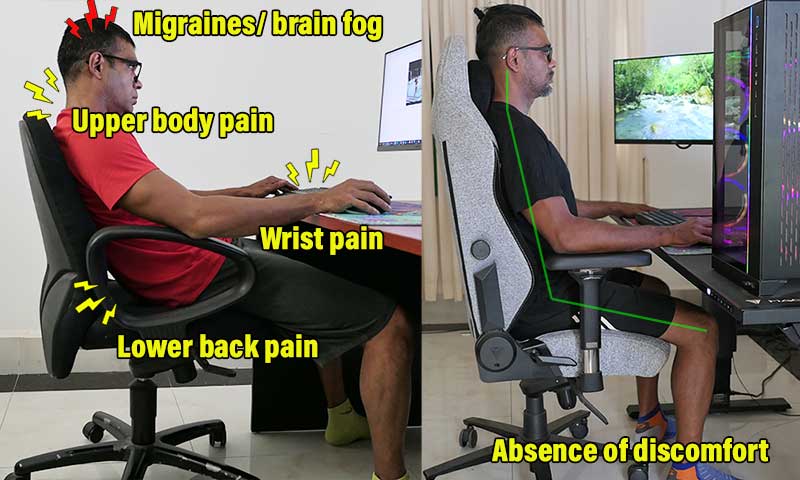
Chairs that do not support the lower back increase pain risk. Slouching puts pressure on spinal discs and muscles. Hard or flat seats reduce natural spine curves. This leads to stiffness and discomfort over time. Chairs without adjustable height or lumbar support cause bad posture. Sitting in one position for hours reduces blood flow. Poor seating habits make pain worse and slow healing.
Key Features For Lower Back Support
Choosing the right chair for lower back support is important for comfort and health. A good chair helps keep your spine aligned and reduces pain. Several key features make a chair suitable for supporting your lower back.
Lumbar Support Types
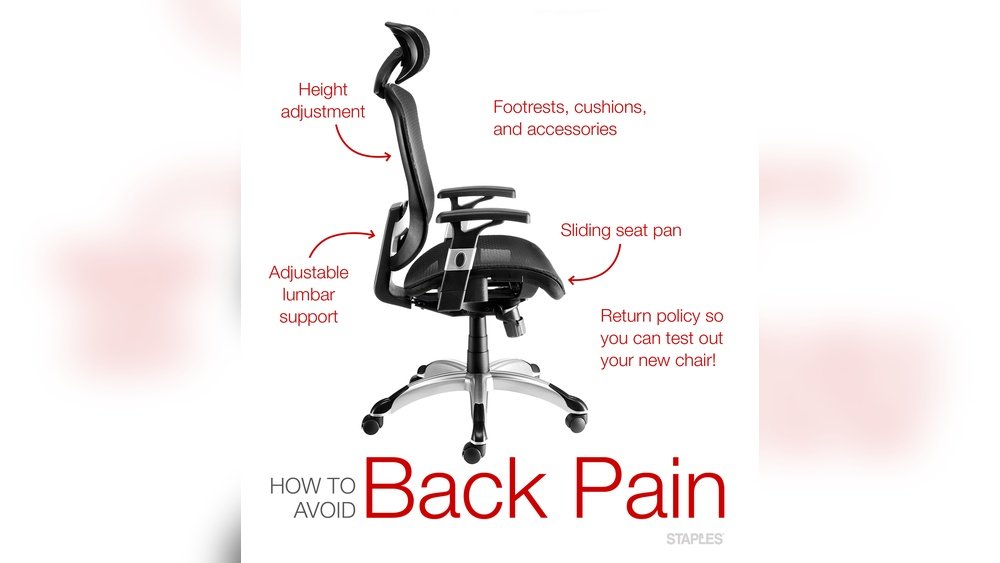
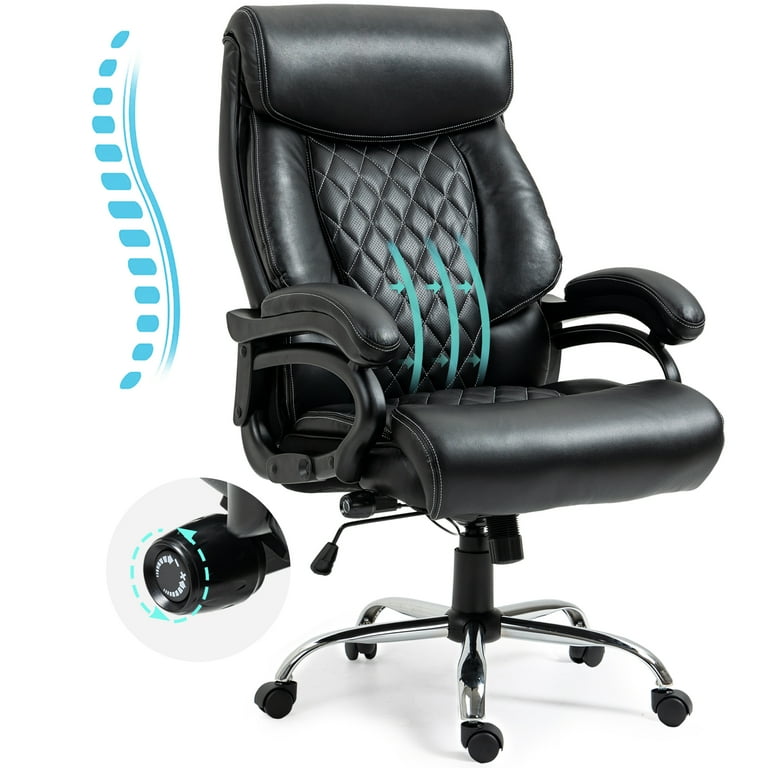
Lumbar support is the part of the chair that touches your lower back. It comes in different types. Some chairs have built-in curved support. Others use adjustable pads or inflatable cushions. The best type fits the natural curve of your spine. It should feel firm but not hard. Proper lumbar support helps prevent slouching and reduces strain on your back muscles.
Adjustability Options
A chair with many adjustments lets you find the perfect fit. Look for adjustable height, backrest angle, and lumbar support position. You can raise or lower the lumbar support to match your spine. Tilt and recline features help you change posture during long sitting periods. Adjustable armrests reduce shoulder tension, which affects your back too. More adjustability means better comfort and support.
Seat Cushioning
Seat cushioning affects how your body feels after sitting. Good cushioning supports your hips and thighs without causing pressure points. It should be firm enough to hold your shape but soft enough to be comfortable. Memory foam and high-density foam are common materials that work well. Avoid seats that are too soft or too hard, as they can cause discomfort and poor posture.
Top Chair Styles For Back Health
Choosing the right chair helps protect your lower back. Certain chair styles support the spine and reduce pain. This guide covers popular chairs that promote back health. Each style offers unique benefits for comfort and posture.
Understanding these options helps you pick a chair that fits your needs. Supportive chairs reduce strain and help maintain a healthy back.
Ergonomic Office Chairs
Ergonomic office chairs adjust to your body’s shape. They provide lumbar support to keep the lower back aligned. Most have adjustable seat height and armrests. This customization helps reduce pressure on the spine. These chairs promote good posture during long work hours.
Kneeling Chairs
Kneeling chairs encourage an open hip angle. This position reduces stress on the lower back. The chair supports your shins and knees, promoting better posture. It shifts some weight to the legs, easing spinal pressure. Ideal for short-term use or as a desk chair alternative.
Recliners With Support
Recliners with built-in lumbar support offer comfort and relaxation. They allow you to lean back while keeping your spine aligned. These chairs reduce muscle tension in the lower back. Look for models with adjustable backrests and footrests. Perfect for resting after a long day.
Materials And Build Quality
Materials and build quality play a big role in choosing a chair for lower back support. A chair must offer comfort and last long. The right materials help the chair keep its shape and support your back well. Good build quality means all parts work together to hold your body safely. These factors reduce the risk of back pain and improve your sitting experience.
Breathable Fabrics
Breathable fabrics allow air to flow through the chair. This keeps you cool and dry during long sitting hours. Mesh is a popular breathable fabric. It is light and flexible, adapting to your back shape. Other fabrics like cotton blends can also be breathable. Avoid materials that trap heat or cause sweating. Breathable fabrics add comfort and keep your skin healthy.
Durable Frames
The frame forms the chair’s skeleton. Strong frames provide firm support for your lower back. Steel and aluminum are common durable materials. They resist bending and breaking over time. Plastic frames can be light but less sturdy. Check for a solid base and strong joints. A durable frame helps maintain posture and prevents accidents.
Padding And Foam Types
Padding cushions your body and supports your spine. High-density foam is firm and holds shape well. Memory foam molds to your back, easing pressure points. Low-quality foam can flatten quickly, losing support. Some chairs use gel padding for extra comfort. Proper padding keeps your lower back aligned and reduces pain.
Customization And Fit
Choosing a chair for lower back support means focusing on how well it fits your body. A good chair adjusts to your shape and size. Customization helps reduce strain and keeps your spine healthy. It makes sitting for long times easier and less painful.
Height Adjustments
Height adjustment lets you set the chair to your leg length. Your feet should rest flat on the floor. Your knees should be at a 90-degree angle. This helps keep your hips and lower back in a good position. A chair with easy height control supports better posture.
Backrest Angle
The backrest angle supports your lower back curve. It should tilt to match your sitting position. A slight recline reduces pressure on the spine. Look for chairs with adjustable backrests. This helps you find comfort and proper spine alignment.
Armrest Positioning
Armrests should support your arms without raising your shoulders. Adjustable armrests fit your body and desk height. They help reduce tension in your neck and shoulders. Proper armrest positioning also improves overall comfort while sitting.
Budget Considerations
Choosing a chair for lower back support often depends on your budget. Not all chairs cost the same, and prices vary widely. Knowing what to expect helps you pick the best chair without spending too much. This section breaks down options by price and value.
Affordable Options
Affordable chairs can offer good back support. Look for models with lumbar support and adjustable features. Many budget chairs use basic materials but still help reduce back pain. These chairs suit people who want comfort without high costs. Expect some limits in durability and extra features.
Premium Models
Premium chairs provide advanced support and comfort. They use high-quality materials and ergonomic designs. These models often include adjustable lumbar support, tilt functions, and breathable fabrics. They suit those who spend long hours sitting. Premium chairs usually last longer and improve posture better.
Value Vs Cost
Price does not always mean better support. Some affordable chairs perform well and last long. Compare features like lumbar support, adjustability, and material quality. Choose a chair that fits your needs and budget. Smart spending ensures you get good support without waste.
Maintenance Tips For Longevity
Keeping your chair in good shape helps it last longer and support your lower back well. Regular care stops small problems from becoming big issues. This saves money and keeps your chair comfortable.
Simple steps can make a big difference. Clean your chair often, check it for damage, and replace worn parts. These habits keep your chair strong and safe.
Cleaning Methods
Dust and dirt can damage your chair’s materials. Use a soft cloth to wipe surfaces weekly. For fabric chairs, vacuum to remove dust and crumbs. Use mild soap and water for stains. Avoid harsh chemicals that can ruin the fabric or leather.
Regular Inspections
Look at your chair every month. Check for loose screws, broken parts, or worn padding. Test the wheels and adjusters to make sure they work. Early fixes stop bigger damage and keep your chair stable.
Parts Replacement
Replace parts that wear out, like wheels or cushions. Use parts made for your chair model. Old or broken parts can cause discomfort and harm your back. Changing parts on time keeps your chair safe and comfy.
Expert Recommendations
Choosing the right chair for lower back support requires expert advice. Experts share insights based on experience and research. Their recommendations help you pick chairs that reduce pain and improve posture. This section covers advice from physical therapists, user reviews, and trusted brands.
Physical Therapist Insights
Physical therapists focus on spine health and body alignment. They suggest chairs with adjustable lumbar support. A good chair allows changes in height and backrest angle. Therapists recommend chairs that encourage sitting upright. Firm cushions that support the natural curve of the spine are preferred. They warn against soft chairs that cause slouching.
User Reviews
User reviews reveal real-life experiences with chairs. Many users highlight comfort and pain relief as key factors. Chairs with breathable fabric often receive positive feedback. Adjustable features like armrests and seat depth matter to users. Some users mention durability and ease of assembly. Reading multiple reviews helps spot consistent pros and cons.
Brand Reliability
Reliable brands offer quality materials and good warranties. They invest in research to design ergonomic chairs. Trusted brands often have certifications from health organizations. Customer service and return policies reflect brand confidence. Choosing a well-known brand reduces risks of poor quality. Long-term support and parts availability are common strengths.
Frequently Asked Questions
What Features Make A Chair Good For Lower Back Support?
A good lower back support chair has adjustable lumbar support, a contoured backrest, and seat height adjustability. These features maintain the natural curve of your spine, reduce strain, and improve posture during long sitting hours.
Which Chair Materials Are Best For Back Support?
Chairs with memory foam or high-density foam provide excellent support and comfort. Breathable mesh backs enhance airflow, keeping you cool while maintaining firm lumbar support for your lower back.
How Does Ergonomic Design Improve Lower Back Comfort?
Ergonomic chairs promote proper posture by aligning your spine naturally. They reduce pressure on the lower back, enhance blood circulation, and minimize fatigue during extended sitting periods.
Are Office Chairs Better Than Gaming Chairs For Back Support?
Office chairs often have more adjustable features focused on lumbar support. However, some high-quality gaming chairs also offer excellent lower back support. Choose based on individual comfort and ergonomic design rather than category alone.
Conclusion
Choosing the right chair helps protect your lower back daily. A chair with good support keeps your spine aligned and reduces pain. Comfort and adjustability matter most for long hours of sitting. Try different chairs to find what suits your body best.
Remember, a proper chair improves posture and boosts focus. Take care of your back—it matters for your health and work. A simple change can make sitting easier and less painful. Your lower back will thank you.