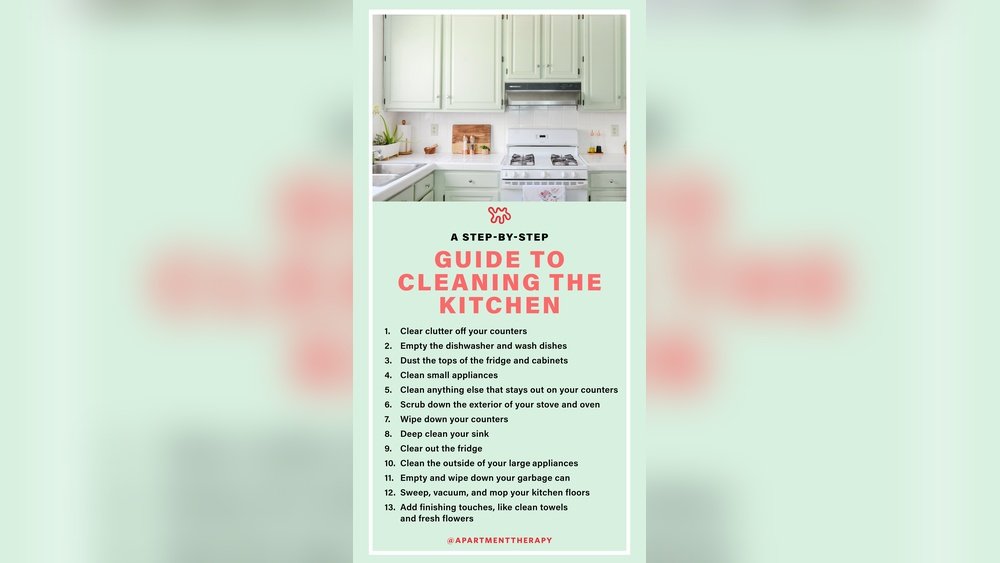
Keeping your kitchen clean isn’t just about looks—it’s about your health and peace of mind. But where do you start?
Cleaning kitchen premises can feel overwhelming if you don’t have a clear plan. What if you had simple, easy steps to follow that make the whole process faster and more effective? You’ll discover exactly what to do, step by step, to transform your kitchen into a spotless, safe space.
Ready to make your kitchen shine and keep it that way? Let’s dive in.
Gather Cleaning Supplies
Gathering cleaning supplies is the first step to a spotless kitchen. Having everything ready saves time and effort. It also helps keep the cleaning process smooth and efficient. Knowing the right tools and agents to use makes a big difference.
Essential Tools
Start with basic cleaning tools. A sturdy broom and dustpan clear floors quickly. Use a mop to clean spills and sticky spots. Microfiber cloths work well for wiping counters and appliances. Scrub brushes help remove tough stains. A bucket holds water and cleaning solutions. Gloves protect your hands from dirt and chemicals.
Safe Cleaning Agents
Choose cleaning agents that are safe for kitchen surfaces. Mild dish soap can clean most areas without damage. Vinegar is a natural disinfectant for many spots. Baking soda removes odors and tough stains gently. Avoid harsh chemicals that can harm your skin or food areas. Always read labels to ensure safety for kitchen use.
Clear And Organize Surfaces
Clearing and organizing kitchen surfaces is the first step to a clean space. Clean surfaces make cooking easier and safer.
Start by removing everything that does not belong on the counters. Then, arrange items in a neat and practical way.
Remove Clutter
Take off all items from your kitchen counters. Put away food packages, papers, and any trash. This clears the way for proper cleaning. A clutter-free surface allows you to wipe down all areas easily.
Sort Utensils And Appliances
Group similar utensils and small appliances together. Store items you use daily within easy reach. Place rarely used tools in cabinets or drawers. Organized surfaces reduce mess and save time during cooking.
Clean Countertops And Cabinets
Cleaning countertops and cabinets is a key part of keeping a kitchen fresh and safe. These areas often collect dust, grease, and food crumbs. Regular cleaning stops germs from spreading and keeps the kitchen looking neat.
Focus on wiping down surfaces and handling tough stains. These steps make the kitchen shine and last longer.
Wipe Down Surfaces
Start by removing all items on countertops and cabinet fronts. Use a soft cloth or sponge with warm, soapy water. Wipe in gentle circles to lift dirt and grime. Pay close attention to edges and corners. Rinse the cloth often and change water if it gets dirty. Dry surfaces with a clean towel to prevent streaks.
Tackle Stubborn Stains
For tough stains, use a paste of baking soda and water. Apply it gently to the stained area. Let it sit for a few minutes. Then scrub lightly with a soft brush or cloth. Avoid harsh scrubbing to protect finishes. Wipe clean with a damp cloth. Repeat if needed until the stain fades.
Sanitize Sinks And Faucets
Sanitizing sinks and faucets is a crucial step in cleaning kitchen premises. These areas collect dirt, food particles, and germs every day. Keeping them clean helps stop bacteria from spreading. It also keeps your kitchen safe and fresh.
Focus on removing visible food residue first. Then, use the right disinfectant to kill germs effectively. This two-step approach ensures a deep clean that protects your family’s health.
Remove Food Residue
Start by clearing out any leftover food in the sink. Use warm water and soap to wash away grease and grime. Pay close attention to faucet handles and drain areas. A soft brush can help reach tight spots. Removing all residue prevents germs from hiding under dirt.
Disinfect Effectively
Choose a disinfectant safe for kitchen use. Spray it on the sink and faucets, covering all surfaces. Let it sit for a few minutes to kill bacteria and viruses. Wipe everything with a clean cloth or paper towel. Regular disinfection keeps your sink hygienic and safe for daily use.
Clean Kitchen Appliances
Cleaning kitchen appliances is a key step in keeping your kitchen fresh and safe. Dirt and food residue can build up quickly. This can cause bad smells and even affect how your appliances work. Regular cleaning helps your appliances last longer and keeps your kitchen healthy.
Oven And Stove
Start by removing oven racks and cleaning them separately. Use a gentle cleaner or baking soda paste for the oven’s interior. For the stove, wipe down burners and knobs. Clean spills and grease from the stovetop surface. Avoid harsh chemicals to protect the appliance finish. Dry all parts well before reassembling.
Microwave And Refrigerator
Wipe the microwave inside and out with a damp cloth. Use a mild detergent to remove stains. For the refrigerator, empty all items first. Clean shelves and drawers with warm, soapy water. Check and clean door seals to stop mold growth. Dry everything before placing food back inside.
Sweep And Mop Floors
Sweeping and mopping floors is a key part of cleaning kitchen premises. Clean floors keep the kitchen safe and hygienic. Dirt, spills, and crumbs can cause slips and attract pests. Regular floor cleaning improves the overall look and smell of the kitchen. Follow simple steps to sweep and mop effectively.
Remove Debris
Start by removing large debris from the floor. Use a broom or a dust mop to gather crumbs and dirt. Check corners and under cabinets carefully. Dispose of debris in a trash bin. This step makes mopping easier and more effective.
Use Appropriate Cleaning Solutions
Choose the right cleaning solution for your floor type. Use mild detergents for tile or vinyl floors. Avoid harsh chemicals that can damage surfaces. Mix the solution with warm water as instructed. Mop the floor with a damp mop, not soaking wet. Change the water frequently to avoid spreading dirt.
Take Out Trash And Recycling
Taking out the trash and recycling is a key part of cleaning kitchen premises. It helps keep the space fresh and free of bad smells. Removing waste promptly stops germs from spreading and avoids clutter.
Proper handling of trash and recycling also supports hygiene and safety. It creates a clean environment for cooking and eating. This step should be done carefully and regularly.
Dispose Properly
Sort trash and recycling into correct bins. Use separate containers for food waste, plastics, and paper. Seal bags tightly to avoid spills and odors. Take bins out to the designated collection area. Do this often to prevent overflow and pests.
Clean Trash Bins
Empty bins completely before cleaning. Use warm water and soap to wash inside and outside. Scrub to remove stains and smells. Rinse well and dry bins fully. Clean bins regularly to keep the kitchen hygienic and fresh.

Maintain Cleanliness Regularly
Maintaining cleanliness regularly is key to a safe and pleasant kitchen. It keeps germs away and stops bad smells. Regular cleaning also makes cooking easier and faster. A clean kitchen helps protect your family’s health and keeps pests out. Here are simple steps to keep your kitchen clean every day and week.
Daily Habits
Wipe down counters after every use. Clean spills immediately to avoid stains. Wash dishes or load the dishwasher after meals. Sweep the floor to remove crumbs and dirt. Empty the trash daily to prevent bad smells. Clean the sink and faucet with a cloth. Keep the stove and microwave free of food spots. These small steps keep your kitchen fresh and tidy.
Weekly Deep Cleaning
Clean inside the refrigerator and throw out old food. Wipe shelves and drawers with a mild cleaner. Mop the floor to remove stuck-on dirt. Clean the oven and stovetop thoroughly. Wash kitchen rugs and mats if needed. Dust light fixtures and vents to avoid buildup. Sanitize cutting boards and kitchen tools. Deep cleaning once a week keeps the kitchen healthy and neat.

Frequently Asked Questions
What Is The First Step In Cleaning Kitchen Premises?
The first step is to clear all clutter from countertops and surfaces. Removing items helps access every area for thorough cleaning. This prepares the kitchen for effective wiping and scrubbing.
How Do I Sanitize Kitchen Surfaces Effectively?
Use a disinfectant spray or a mixture of water and vinegar. Apply it evenly and let it sit for a few minutes. Wipe the surfaces with a clean cloth to kill bacteria and germs.
Why Is Cleaning Kitchen Appliances Important?
Appliances can harbor food residue and bacteria, causing odors and health risks. Regular cleaning maintains their efficiency and extends their lifespan. It also prevents cross-contamination during food preparation.
How Often Should Kitchen Floors Be Cleaned?
Kitchen floors should be swept daily and mopped at least once a week. Frequent cleaning prevents buildup of grease, dirt, and spills. It ensures a safe and hygienic cooking environment.
Conclusion
Cleaning kitchen premises follows clear, simple steps anyone can do. Start by clearing clutter and washing dishes. Then, wipe counters, sinks, and appliances carefully. Sweep and mop the floors last to remove dirt. Regular cleaning keeps your kitchen safe and fresh.
Small daily efforts make a big difference over time. A clean kitchen feels welcoming and helps prevent germs. Stick to these steps, and your kitchen will stay spotless. Easy to follow. Easy to maintain.