When it comes to cleaning your bathroom, knowing exactly what to focus on can save you time and effort. You want your space to feel fresh, safe, and welcoming—but where should you start?
Understanding the most important duties when cleaning a bathroom helps you get the job done right, without missing anything that could cause germs or unpleasant odors to linger. You’ll discover the key tasks that make a real difference in your bathroom’s cleanliness.
Keep reading, and you’ll learn simple, effective steps to transform your bathroom into a spotless, healthy space you can be proud of.
Gathering Cleaning Supplies
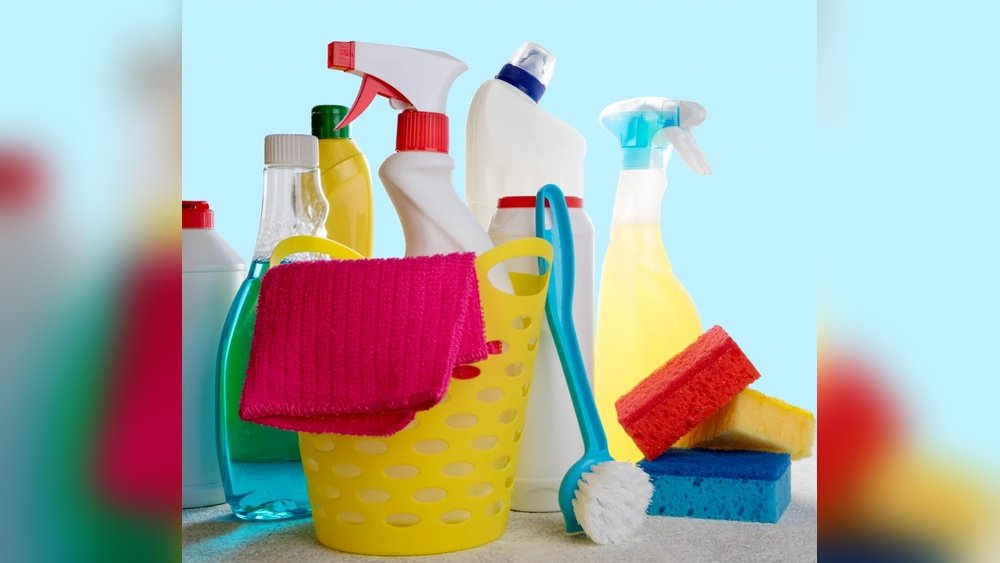
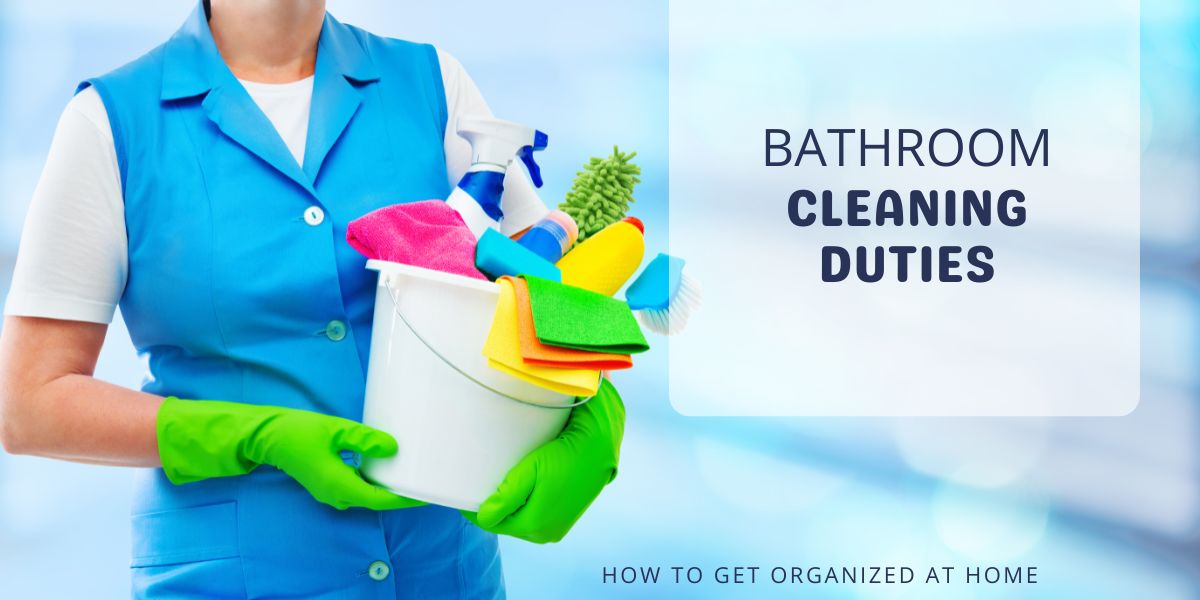
Gathering the right cleaning supplies is the first step to a clean bathroom. Having everything ready saves time and makes the job easier. It helps avoid interruptions and keeps the process smooth.
Choosing The Right Cleaners
Select cleaners based on the surfaces you need to clean. Use disinfectants for toilets and sinks. Mild soap or all-purpose cleaners work well for tiles and counters. Avoid harsh chemicals on delicate surfaces like natural stone. Check labels for safety and proper use instructions.
Essential Tools For Bathroom Cleaning
Gather tools that reach all bathroom areas. A toilet brush is a must for scrubbing the bowl. Use sponges and scrubbers for sinks and tubs. Microfiber cloths work well for mirrors and counters. A mop or floor brush helps keep the floor spotless. Gloves protect your hands from chemicals and germs.
Preparing The Bathroom
Preparing the bathroom is the first step in effective cleaning. It sets the stage for a thorough and efficient process. A well-prepared bathroom allows you to focus on cleaning without interruptions.
Start by making the space ready and clear. This helps to reach every corner and surface easily. Two key tasks in this phase are removing personal items and ventilating the space.
Removing Personal Items
Take away all personal items like toothbrushes, soaps, and towels. These items can block access to surfaces that need cleaning. Clearing them also prevents damage or wetting. Store them in a safe place until cleaning finishes. This step helps you clean every spot properly.
Ventilating The Space
Open windows or turn on the bathroom fan. Good airflow helps remove bad smells and moisture. It also speeds up drying after cleaning. Proper ventilation keeps the room fresh and healthy. Always ventilate before and during cleaning tasks.
Cleaning The Toilet
Cleaning the toilet is a key part of bathroom hygiene. It stops germs and keeps the space fresh. Focus on three main areas: the bowl, the outside, and the seat. Each needs special care to stay clean and safe.
Scrubbing The Bowl
Use a toilet brush and cleaner to scrub the bowl. Reach under the rim where dirt hides. Scrubbing removes stains and stops bacteria growth. Flush to rinse after scrubbing. This keeps the bowl shiny and fresh.
Wiping The Exterior
Clean the outside of the toilet with a cloth and disinfectant. Wipe the tank, handle, and base. These parts collect dust and germs. Regular wiping stops grime build-up and keeps the toilet looking neat.
Sanitizing The Seat And Lid
Use a disinfectant spray on the seat and lid. Wipe with a clean cloth or paper towel. These surfaces touch skin often and need extra care. Sanitizing helps prevent the spread of germs and keeps the toilet safe.
Scrubbing The Shower And Tub
Scrubbing the shower and tub is a key part of bathroom cleaning. This task keeps these areas fresh and free from dirt. Regular scrubbing stops buildup of grime and stains. It also helps prevent mold and mildew growth. Clean showers and tubs look nice and feel good to use. Effective scrubbing requires the right techniques and tools.
Removing Soap Scum
Soap scum forms when soap mixes with minerals in water. It creates a white, filmy layer on surfaces. This layer can be hard and sticky. Use a gentle scrub brush or sponge to break it up. Apply a cleaner made for soap scum removal. Let it sit for a few minutes before scrubbing. Rinse the area well with warm water to remove residue.
Cleaning Grout And Tiles
Grout and tiles often collect dirt and mildew. Grout is porous, so it traps moisture and stains easily. Use a toothbrush or small brush to scrub grout lines. A mix of baking soda and water works well as a cleaner. For tiles, use a mild detergent and sponge to wipe surfaces. Always rinse tiles and grout to avoid cleaner buildup. Dry the area to prevent mold growth.
Washing The Sink And Countertops
Washing the sink and countertops is a key step in cleaning the bathroom. These areas collect dirt, soap scum, and germs daily. Keeping them clean helps maintain hygiene and a fresh look. A clean sink and countertop make the whole bathroom feel better.
Clearing Debris
Start by removing all items from the sink and countertop. Look for hair, toothpaste, or soap pieces. Use a dry cloth or paper towel to wipe away loose debris. This step prevents dirt from spreading when you clean.
Check the drain area carefully. Clear any buildup that can block water flow. Removing debris first makes cleaning easier and more effective.
Polishing Fixtures
Bathroom fixtures like faucets and handles often get water spots and fingerprints. Use a soft cloth and mild cleaner to wipe them down. This brings back their shine quickly.
Polishing also helps protect fixtures from stains and rust. Clean fixtures improve the bathroom’s overall look and feel. Finish by drying all surfaces to avoid water marks.
Cleaning Mirrors And Glass
Cleaning mirrors and glass surfaces in the bathroom is important for a fresh and bright look. These surfaces often show water spots and fingerprints easily. Regular cleaning keeps them clear and shiny. Proper care also helps avoid scratches and damage over time.
Removing Streaks
Streaks make mirrors and glass look dull. Use a clean microfiber cloth for best results. Spray a glass cleaner or a mix of water and vinegar. Wipe the surface in a circular motion. Avoid using paper towels that leave lint behind. Dry the glass with a dry part of the cloth. This method helps remove streaks quickly and easily.
Polishing For Shine
Polishing enhances the shine of mirrors and glass. Use a soft, dry cloth to polish after cleaning. Buff the surface gently until it looks bright. Avoid harsh chemicals that can damage the glass. Polishing brings out a clear, smooth finish. It makes the bathroom feel cleaner and more inviting.
Mopping And Floor Care
Mopping and floor care play a key role in bathroom cleaning. Clean floors stop germs from spreading. They also keep the bathroom looking fresh and neat. Good floor care means the space stays safe and pleasant to use.
Sweeping Up Dirt
Start by sweeping the floor to remove loose dirt and dust. Dirt can stick to the mop and spread if not swept first. Use a broom or vacuum made for hard floors. Pay attention to corners and under cabinets. Sweeping clears the way for better mopping results.
Using Appropriate Floor Cleaners
Choose a floor cleaner made for bathroom surfaces. Some cleaners kill germs and remove soap scum well. Avoid harsh chemicals that can damage tiles or grout. Dilute the cleaner as the label says to protect floors. Use warm water to help dissolve dirt and grime. Mop slowly and rinse the mop often to keep the floor clean.
Disposing Of Waste
Disposing of waste is a key part of cleaning a bathroom. It helps keep the space fresh and safe. Proper waste disposal stops bad smells and germs from spreading. It also makes the bathroom look neat and tidy.
Emptying Trash Bins
Trash bins hold used tissues, empty bottles, and other small waste. Empty them often to prevent bad odors. Use a trash bag to make removal easy. Tie the bag tightly before throwing it away. Clean the bin with soap and water if needed. This keeps the bin fresh and free of germs.
Handling Used Cleaning Materials
Used cleaning cloths, sponges, and gloves must be disposed of properly. Throw away single-use items right after cleaning. Wash reusable cloths in hot water before next use. Store gloves in a clean, dry place to avoid bacteria. Proper handling stops germs from spreading in the bathroom.
Maintaining Hygiene
Maintaining hygiene in the bathroom is key to a healthy home. A clean bathroom stops germs and bacteria from spreading. It also keeps the space fresh and pleasant. Good hygiene protects your family and guests from illnesses. It makes daily routines safer and more comfortable. Simple steps can make a big difference in bathroom cleanliness.
Regular Cleaning Schedule
Set a regular cleaning schedule to keep the bathroom spotless. Clean surfaces like sinks, toilets, and counters often. Wipe down mirrors and fixtures to remove water spots and dirt. Use disinfectants to kill germs on high-touch areas. Cleaning regularly stops grime build-up and bad smells. It also saves time by preventing tough stains later.
Preventing Mold And Mildew
Mold and mildew grow in damp, dark bathroom areas. Keep the room dry by using fans or opening windows. Wipe wet surfaces after showers to reduce moisture. Check corners, grout, and caulk for mold signs. Use mold-resistant cleaners to stop growth before it starts. Removing mold early protects your health and keeps the bathroom safe.

Frequently Asked Questions
What Are The Key Steps For Effective Bathroom Cleaning?
Effective bathroom cleaning involves scrubbing surfaces, disinfecting fixtures, cleaning mirrors, and mopping floors. Focus on toilets, sinks, showers, and tubs. Use appropriate cleaners for each area to remove grime and bacteria efficiently.
How Often Should Bathroom Cleaning Be Done?
Clean high-touch areas like toilets and sinks at least twice a week. Deep cleaning, including showers and floors, should be done weekly. Regular cleaning prevents mold, bacteria buildup, and keeps the bathroom hygienic.
Which Cleaning Products Work Best For Bathroom Surfaces?
Use disinfectants for toilets and sinks, glass cleaner for mirrors, and mildew remover for tiles. Avoid harsh chemicals on delicate surfaces. Eco-friendly products can be effective and safer for health and the environment.
Why Is Disinfecting Important In Bathroom Cleaning?
Disinfecting kills germs, bacteria, and viruses that cause illness. It helps maintain a healthy environment and prevents infections. Regular disinfection is crucial, especially on frequently touched surfaces like faucets and toilet handles.
Conclusion
Cleaning a bathroom well keeps it fresh and safe. Focus on scrubbing sinks, toilets, and showers. Don’t forget to wipe mirrors and counters. Regular cleaning stops germs and bad smells. Use the right tools and cleaners for best results. Stay consistent to enjoy a clean, healthy bathroom every day.
Small efforts make a big difference in bathroom hygiene. Keep these duties in mind for easier cleaning next time. A clean bathroom feels good and looks inviting.