Are you tired of dust and allergens sneaking back into your home no matter how often you clean? Choosing the right vacuum cleaner can make a huge difference in your indoor air quality and overall health.
But should you invest in a vacuum cleaner with a HEPA filter? This simple feature might be the game-changer you need to breathe easier and keep your space truly clean. Keep reading to find out if a HEPA filter vacuum is the right choice for you and how it can transform your cleaning routine.

Hepa Filter Basics
HEPA filters are a key feature in many vacuum cleaners. They help clean the air by trapping tiny particles. Understanding how HEPA filters work can help you choose the right vacuum cleaner.
This section explains the basics of HEPA filters and their function.
What Is A Hepa Filter?
HEPA stands for High-Efficiency Particulate Air. It is a special type of filter used to trap very small particles. These filters capture dust, pollen, pet dander, and other allergens. HEPA filters are tested to remove at least 99.97% of particles as small as 0.3 microns. This makes them very effective in improving indoor air quality.
How Hepa Filters Work
HEPA filters work by forcing air through a dense mat of fibers. The fibers trap harmful particles as air passes through. There are three main ways particles get trapped: interception, impaction, and diffusion. Large particles hit the fibers and stick. Smaller ones follow air streams and get caught. The tiniest particles move randomly and collide with fibers. This process cleans the air, making it healthier to breathe.
Health Benefits
Choosing a vacuum cleaner with a HEPA filter offers clear health benefits. It helps create a cleaner home environment. This choice supports better breathing and reduces health risks. The filter captures tiny particles that ordinary vacuums miss. These trapped particles include dust, pollen, and pet dander. The result is a healthier space for everyone.
Reducing Allergens
HEPA filters trap allergens effectively. Dust mites and pollen get caught inside the filter. This stops allergens from spreading in your home. It lowers allergy symptoms like sneezing and itchy eyes. Regular use keeps allergen levels under control. This benefit is especially important during allergy seasons.
Improving Air Quality
HEPA filters clean the air by capturing fine particles. They remove dust, mold spores, and even smoke particles. Cleaner air helps prevent respiratory problems. It makes your home feel fresher and healthier. This is good for every family member, young or old.
Benefits For Asthma Sufferers
Asthma sufferers often react to airborne irritants. HEPA filters reduce these triggers by catching dust and pet dander. This lowers asthma attacks and breathing difficulties. Using a HEPA vacuum supports better lung health. It helps maintain a safer home environment for asthma patients.
Cleaning Efficiency
Cleaning efficiency is a key factor when choosing a vacuum cleaner. A vacuum with a HEPA filter can capture tiny particles that other vacuums miss. This makes your home cleaner and healthier.
HEPA filters work by trapping very small dust particles. These particles often cause allergies and breathing problems. Using a vacuum with a HEPA filter helps reduce these risks.
Trapping Fine Dust And Particles
HEPA filters trap dust as small as 0.3 microns. Regular vacuum filters often miss these tiny particles. Fine dust can stay in the air and settle on surfaces. A HEPA filter captures this dust, making the air cleaner to breathe. This is important for homes with children or people with allergies.
Effectiveness On Pet Dander
Pet dander is a common allergen in many homes. It is made of tiny skin flakes from pets. A HEPA filter catches pet dander before it spreads. This helps reduce allergy symptoms like sneezing and itchy eyes. Vacuuming with a HEPA filter keeps your home fresher and more comfortable.
Vacuum Cleaner Types With Hepa
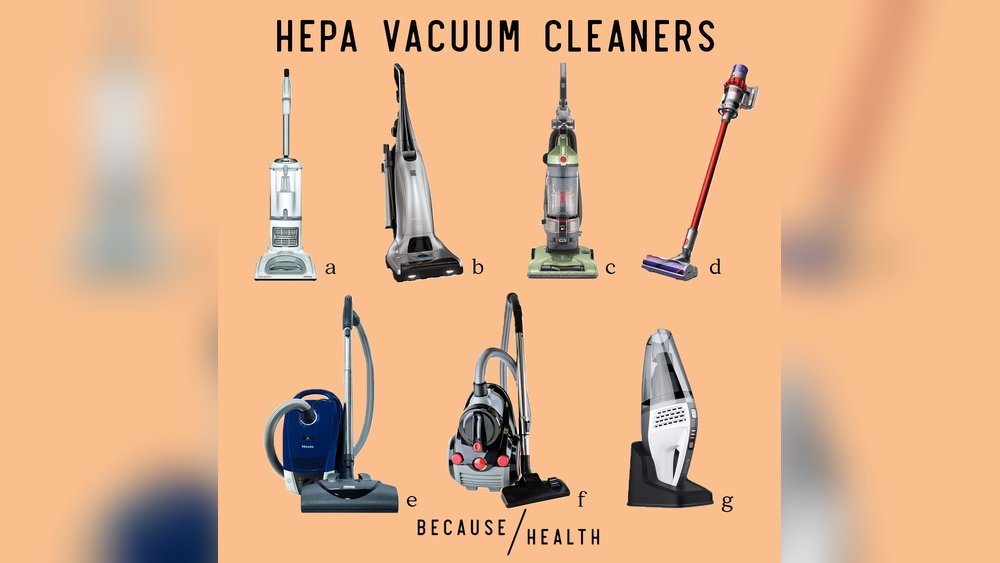
Vacuum cleaners with HEPA filters help trap tiny dust and allergens. They keep the air cleaner in your home. Different types of vacuum cleaners come with HEPA filters. Choosing the right one depends on your needs and preferences.
Each type has its own benefits and features. Understanding the differences helps you pick the best vacuum for your space and health.
Bagged Vs. Bagless Models
Bagged vacuum cleaners use a replaceable bag to collect dirt. The bag traps dust inside, making disposal easy and clean. HEPA filters in bagged models help stop allergens from escaping. These vacuums usually need less maintenance.
Bagless models collect dirt in a dustbin that you empty yourself. They often have clear bins to see when they need emptying. HEPA filters in bagless vacuums keep fine dust from spreading. You must clean the filter and dustbin regularly for best results.
Corded Vs. Cordless Options
Corded vacuum cleaners plug into an outlet for constant power. They often have stronger suction and can run longer. Many corded models feature HEPA filters to trap allergens effectively. They suit larger homes or deep cleaning sessions.
Cordless vacuum cleaners run on batteries for easy movement. They are lightweight and good for quick cleanups or small spaces. HEPA filters in cordless models help improve air quality too. Battery life limits how long you can use them at once.
Maintenance And Cost
Buying a vacuum cleaner with a HEPA filter means extra care and costs. Maintaining the filter keeps your vacuum working well. It also helps keep your home air clean. Knowing about the maintenance and costs helps you decide if it fits your budget and needs.
Filter Replacement Frequency
HEPA filters need regular replacement. Most last about 6 to 12 months. This depends on how often you vacuum. Homes with pets or allergies may need more frequent changes. Check the vacuum’s manual for exact guidance. A clean filter keeps suction strong and air pure.
Cost Implications
HEPA filters cost more than regular ones. Replacement filters often range from $20 to $50. Some models require special filters, raising costs. Regular changes add to the yearly expense of your vacuum. Still, the health benefits can outweigh the cost for many users.
When To Choose Hepa Vacuum
Choosing a vacuum cleaner with a HEPA filter can improve the air quality in your home. HEPA filters trap tiny particles that regular filters miss. These filters catch dust, pollen, pet dander, and other allergens. This makes HEPA vacuums ideal for certain households. Below are some situations where a HEPA vacuum is a smart choice.
Households With Allergies
HEPA vacuums help reduce allergens in the air and on surfaces. They capture fine dust and pollen that trigger sneezing and coughing. Using a HEPA vacuum can ease allergy symptoms. It keeps the air cleaner and healthier to breathe.
Homes With Pets
Pets shed hair and skin flakes that cause mess and allergies. HEPA filters trap pet dander and hair efficiently. This reduces odors and keeps floors and furniture cleaner. Pet owners benefit from a vacuum that handles these particles well.
Environments Needing Extra Cleanliness
Some places need very clean air and surfaces. HEPA vacuums remove tiny dust and dirt particles. This is important for homes with babies or people with weak immune systems. HEPA filters help maintain a cleaner and safer environment.
Frequently Asked Questions
What Is A Hepa Filter In Vacuum Cleaners?
A HEPA filter traps 99. 97% of particles as small as 0. 3 microns. It improves air quality by capturing dust, pollen, and allergens. HEPA filters are ideal for allergy sufferers and help maintain a cleaner home environment.
Are Hepa Vacuum Cleaners Better For Allergy Sufferers?
Yes, HEPA vacuums reduce airborne allergens effectively. They trap fine particles that regular filters miss. This helps lessen allergy symptoms and asthma attacks by improving indoor air quality.
How Often Should I Replace A Hepa Filter?
Replace your HEPA filter every 6 to 12 months for best performance. Check the manufacturer’s guidelines for specific recommendations. Regular replacement maintains suction power and filtration efficiency.
Do Hepa Filters Increase Vacuum Cleaner Cost?
Yes, vacuums with HEPA filters usually cost more due to advanced filtration technology. However, the health benefits and cleaner air often justify the higher price. Consider it an investment in a healthier home.
Conclusion
A vacuum cleaner with a HEPA filter helps remove tiny dust and allergens. It can improve air quality, especially for allergy sufferers. These filters trap particles regular vacuums miss. This means cleaner floors and fresher air in your home. While HEPA vacuums might cost more, their benefits often justify the price.
Consider your needs and budget before choosing. Cleaner air and less dust make a HEPA vacuum worth thinking about. Simple, effective, and helpful for many homes.