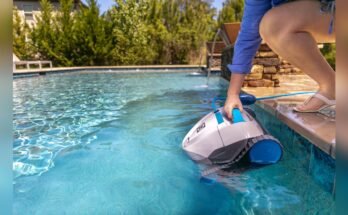
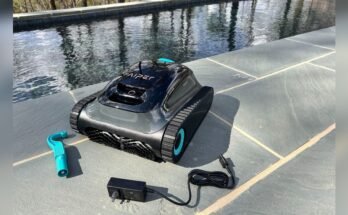
Keeping your saltwater pool clean can feel like a never-ending chore. You want clear, sparkling water without spending hours scrubbing or worrying about damaging your pool’s delicate salt system.
That’s where a robotic pool vacuum comes in—designed to make your life easier and your pool cleaner. Imagine a device that works quietly and efficiently, handling dirt, debris, and even algae while you relax. If you’re ready to take the hassle out of pool maintenance and enjoy your saltwater oasis to the fullest, keep reading.
This guide will help you discover how the right robotic pool vacuum can transform your pool care routine.

Benefits Of Robotic Pool Vacuums
Robotic pool vacuums offer many benefits for saltwater pools. They clean effectively and save time. These devices work well with saltwater’s unique properties. Using a robotic vacuum makes pool care easier and more efficient.
Efficiency In Saltwater Pools
Robotic vacuums are designed to handle saltwater pools. They remove dirt, algae, and debris thoroughly. Their brushes and filters work well with saltwater’s chemistry. This keeps the pool water clean and clear. The vacuum reaches all pool areas, including corners and steps.
Energy Savings
Robotic pool vacuums use less electricity than traditional cleaners. They run on low power but clean deeply. This reduces your energy bills. Many models have timers to control cleaning cycles. The vacuum only runs when needed, saving energy.
Ease Of Use
Robotic vacuums are simple to operate. Just place the device in the pool and turn it on. It moves on its own, cleaning without help. Most models have remote controls or apps. You can schedule cleaning even when you are away.
Key Features To Look For
Choosing the right robotic pool vacuum for saltwater pools needs careful thought. Not all models work well with saltwater. Some features make a vacuum better at cleaning and lasting longer in salty conditions. Knowing these features helps pick the best tool for your pool. Here are the key features to focus on.
Saltwater Compatibility
Saltwater pools can corrode certain parts quickly. A vacuum must use materials that resist rust and damage. Look for models with corrosion-resistant housing and seals. This protects the vacuum from salt damage. It also ensures longer life and fewer repairs. Confirm the vacuum is made for saltwater use.
Filtration System
The filter must capture fine salt particles and dirt. A strong filtration system keeps water clear and clean. Choose vacuums with multi-layer filters or fine mesh bags. Easy-to-clean filters save time and maintain suction power. Replaceable filters are a plus for long-term use.
Battery Life And Power
Good battery life means longer cleaning sessions. A powerful motor handles salt and debris without losing strength. Check how long the battery lasts per charge. Fast charging is helpful for frequent use. A strong battery keeps the vacuum running efficiently.
Navigation Technology
Smart navigation helps the vacuum clean all pool areas evenly. Sensors avoid obstacles and stairs, preventing damage. Some models map the pool for better route planning. Efficient navigation reduces cleaning time and energy use. Look for vacuums with advanced navigation features.
Top Robotic Vacuums For Saltwater Pools
Robotic pool vacuums make cleaning saltwater pools easier and faster. They remove dirt, leaves, and algae without much effort. Choosing the right vacuum is important for pool care and equipment durability.
Saltwater pools need robots that resist corrosion and handle salt well. Here are some top robotic vacuums that fit the needs of saltwater pool owners.
High-end Models
High-end robotic vacuums offer strong suction and advanced features. They clean large pools quickly and reach tricky corners. These models often have smart navigation systems and multiple cleaning modes. They use materials that resist salt damage, extending the vacuum’s life. Examples include models from brands like Dolphin and Polaris, known for reliability and power.
Budget-friendly Options
Budget-friendly robots offer good cleaning at a lower price. They work well for smaller pools and simple debris. These vacuums usually have basic navigation and fewer features. Still, they handle saltwater pools with corrosion-resistant parts. Brands like Aquabot and Intex provide affordable options that keep your pool clean without high cost.
Customer Reviews And Ratings
Customer reviews help find vacuums that perform well in saltwater pools. Users praise models that clean efficiently and last long. Negative reviews often mention poor battery life or weak suction. Checking ratings reveals which vacuums balance price and performance best. Trustworthy reviews highlight real-life experiences and common issues.
Maintenance Tips
Maintaining your robotic pool vacuum for saltwater pools is key to keeping it working well. Regular care helps the vacuum last longer and clean better. Simple steps can prevent big problems and save money.
Follow these easy maintenance tips to keep your vacuum in top shape. Clean it often, store it properly, and fix small issues quickly. These habits ensure smooth operation every time.
Cleaning The Vacuum
Remove the vacuum from the pool after each use. Rinse it with fresh water to clear salt and debris. Check the filter basket and clean out all dirt. Wipe the brushes and wheels to remove algae or buildup. Let the vacuum dry completely before storing it.
Storage Best Practices
Store the vacuum in a cool, dry place away from direct sunlight. Avoid keeping it in damp or hot areas to protect the battery and parts. Hang it or place it on a flat surface to prevent damage. Charge the battery fully before storing it for long periods. Check the vacuum regularly during storage to keep it ready to use.
Troubleshooting Common Issues
Watch for weak suction or slow cleaning. Clean the filter and check for blockages in the hose. Inspect the wheels and brushes for damage or wear. Restart the vacuum if it stops working suddenly. Check the power supply and connections to make sure they are secure. Replace worn parts to keep your vacuum running smoothly.
Installation And Setup
Installing a robotic pool vacuum for saltwater pools is simple and quick. The process does not require special skills or tools. Following the right steps ensures the vacuum works well and lasts longer.
Proper setup helps the robot clean your pool efficiently. Understanding the controls and safety rules keeps you safe and protects the device.
Initial Setup Steps
Start by unpacking the vacuum carefully. Check for all parts and the instruction manual. Connect the power supply to a grounded outlet away from the pool. Place the vacuum in the pool water slowly to avoid air bubbles. Make sure the cord is untangled and floats freely. Adjust the filter and brushes as the manual suggests. Let the vacuum sit for a few minutes to fill with water.
Programming Cleaning Cycles
Use the control panel or remote to select cleaning modes. Choose cycles based on your pool size and dirt level. Set the timer to run during low-use hours. Many models allow weekly scheduling for automatic cleaning. Program the vacuum to clean corners and steps for thorough cleaning. Save your settings to avoid resetting every time.
Safety Precautions
Unplug the vacuum before removing it from the pool. Avoid using the vacuum if the power cord is damaged. Keep children and pets away during operation. Do not operate the vacuum in stormy weather. Store the vacuum indoors when not in use. Regularly check and clean the filters to maintain safety. Follow all manufacturer safety instructions carefully.
Comparing Robotic Vs Traditional Pool Cleaners
Choosing the right pool cleaner for saltwater pools can be tricky. Both robotic and traditional cleaners have their place. Understanding their differences helps you pick the best option for your needs. This section compares their performance, cost, and user experience.
Performance Differences
Robotic cleaners use advanced technology to scrub and vacuum the pool floor. They move independently, reaching tight corners with ease. Traditional cleaners rely on the pool’s filtration system and often need manual control. Robotic models filter debris inside the unit, which keeps your pool water cleaner. Traditional cleaners may miss small dirt or require extra effort to clean walls.
Cost Considerations
Robotic pool cleaners usually have a higher upfront price. They cost more because of their advanced motors and smart controls. Traditional cleaners are cheaper but might raise maintenance costs over time. You may spend more on parts and energy for traditional cleaners. Robotic cleaners save money on energy since they work independently and use less power.
User Experience
Robotic cleaners are easy to use. You just place them in the pool and press start. They operate quietly and stop automatically when finished. Traditional cleaners need more setup and often require monitoring. Robotic cleaners reduce physical work and save time. Traditional models might need frequent cleaning of filters and hoses.
Maximizing Cleaning Efficiency
Maximizing the cleaning efficiency of a robotic pool vacuum for saltwater pools helps keep your pool sparkling clean. This ensures better water quality and less manual work. Efficient cleaning saves energy and extends the life of your vacuum. Small steps can make a big difference in maintaining a pristine pool.
Optimal Cleaning Schedules
Set your robotic vacuum to clean regularly. Most pools benefit from cleaning twice a week. Adjust the schedule based on pool usage and weather. Clean more often during heavy use or after storms. Consistent cleaning prevents dirt buildup and algae growth. Use timers if your vacuum has that feature. This keeps your pool in top condition with little effort.
Pool Preparation Tips
Remove large debris like leaves and twigs before vacuuming. This prevents clogging and improves vacuum performance. Check water levels to ensure the vacuum can move freely. Brush pool walls to loosen dirt stuck on surfaces. Close pool covers during cleaning to avoid new debris falling in. These small steps help your vacuum clean better and faster.
Combining With Other Cleaning Methods
Use your robotic vacuum alongside manual cleaning tools. Skim the surface daily to remove floating debris. Clean filters regularly to maintain water flow and clarity. Shock the pool occasionally to kill bacteria and algae. Vacuuming works best when combined with good pool care habits. This keeps your saltwater pool healthy and inviting all year round.

Frequently Asked Questions
What Is A Robotic Pool Vacuum For Saltwater Pools?
A robotic pool vacuum for saltwater pools is an automated cleaner. It efficiently removes debris and dirt without damaging saltwater systems. It uses advanced technology to navigate and clean pool surfaces, ensuring crystal-clear water and reducing manual cleaning efforts.
How Does A Robotic Vacuum Work In Saltwater Pools?
It uses sensors and brushes to scrub and suction debris. The vacuum is designed with materials resistant to salt corrosion. It moves independently, adapting to the pool’s shape and cleaning all surfaces thoroughly.
Are Robotic Vacuums Safe For Saltwater Pool Liners?
Yes, robotic vacuums are safe for saltwater pool liners. They use gentle brushes and controlled suction. This prevents liner damage while maintaining effective cleaning performance in saltwater environments.
Can Robotic Pool Vacuums Handle Salt Deposits?
Yes, many robotic vacuums can manage salt deposits. They use scrubbing mechanisms to break down and remove salt buildup. Regular use helps keep the pool surface clean and free of salt residue.
Conclusion
Robotic pool vacuums keep saltwater pools clean with little effort. They save time and make pool care easier. These devices work well with saltwater systems. They remove dirt, leaves, and debris quickly. Using one means more time to enjoy your pool.
Choose a model that fits your pool size. Regular cleaning helps keep water clear and healthy. Investing in a robotic vacuum protects your pool and your health. Simple, smart, and effective—good pool care starts here.