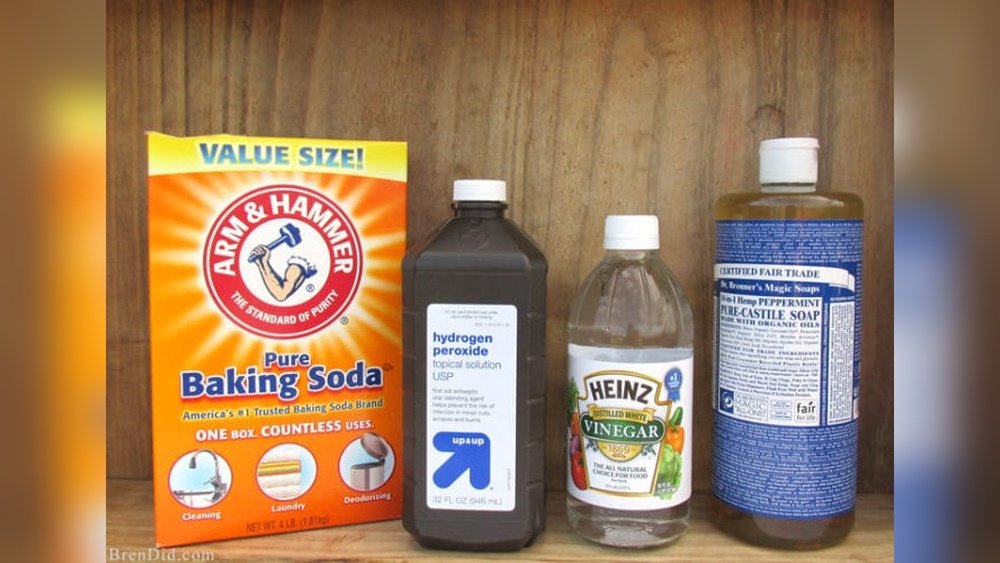
Are you looking for a simple and powerful way to tackle tough stains, clean your home, or even boost your DIY projects? Mixing hydrogen peroxide with baking soda and vinegar might be the secret weapon you didn’t know you needed.
This combination creates a natural, effective solution that can save you money and reduce harsh chemicals in your space. Keep reading to discover how you can safely mix these ingredients and unlock their surprising cleaning and whitening powers for your everyday needs.

Why Combine These Ingredients
Combining hydrogen peroxide, baking soda, and vinegar creates a powerful cleaning mix. Each ingredient has unique properties. Together, they enhance cleaning and disinfecting effects. This mix can tackle stains, odors, and germs effectively. Understanding why these ingredients work well helps you use them safely and smartly.
Chemical Reactions Explained
Mixing baking soda and vinegar causes fizzing. This happens because baking soda is a base. Vinegar is an acid. Their reaction produces carbon dioxide gas, which creates bubbles. These bubbles help lift dirt and grime from surfaces.
Hydrogen peroxide adds another effect. It breaks down into water and oxygen. The oxygen works as a powerful disinfectant. It kills bacteria and germs fast. The bubbling action also helps spread the mix evenly.
Benefits Of Each Component
Baking soda is a mild abrasive. It scrubs surfaces without scratching. It also absorbs odors, making spaces smell fresh. Vinegar dissolves mineral deposits and grease. It cuts through grime easily. Hydrogen peroxide disinfects and whitens surfaces. It removes stains and kills germs.
Using all three together means you get cleaning, deodorizing, and disinfecting in one. This combination saves time and effort. It is also safer than many chemical cleaners.
Preparation Steps
Preparing to mix hydrogen peroxide with baking soda and vinegar requires careful steps. Proper preparation ensures safety and effectiveness. Follow these steps to gather the right items and stay safe during the process.
Materials Needed
Gather all materials before starting. You will need hydrogen peroxide, baking soda, and white vinegar. Use measuring spoons or cups to get the right amounts. Have a bowl or container for mixing. Use a spoon or stirrer to combine ingredients. Wear gloves and safety goggles to protect your skin and eyes.
Safety Precautions
Work in a well-ventilated area. Avoid inhaling fumes from the mixture. Keep the chemicals away from children and pets. Do not mix large amounts at once. Always wear gloves to protect your hands. Use safety goggles to shield your eyes. Store chemicals in a cool, dry place after use.
Mixing Instructions
Mixing hydrogen peroxide with baking soda and vinegar creates a powerful cleaning solution. The right process helps you get the best results safely. Follow clear steps to mix these ingredients properly.
Careful measuring and order make the mixture work well. Avoid common mistakes by sticking to simple rules.
Proper Ratios
Use 1 cup of hydrogen peroxide for every 1 tablespoon of baking soda. Add 1 cup of vinegar to this mix. These amounts keep the solution effective and safe.
Too much baking soda can reduce the cleaning power. Too much vinegar can cause extra bubbling. Stick to these ratios for balance.
Order Of Combining
Start by pouring hydrogen peroxide into a clean bowl. Slowly add baking soda and stir gently. This stops clumps from forming.
Next, add vinegar last. Pour it slowly to control fizzing. The mixture will bubble as the vinegar reacts with baking soda.
Stir the solution gently after adding vinegar. Use it right away for the best effect.
Cleaning Applications
Mixing hydrogen peroxide with baking soda and vinegar creates a powerful cleaning mix. This natural solution tackles dirt, grime, and stains effectively. It works well in many areas of your home. The ingredients react to lift and dissolve buildup. Safe and eco-friendly, it replaces harsh chemicals.
Use this mix to clean surfaces, freshen laundry, and remove mold. It saves money and reduces waste. Here are some practical ways to use this mix for cleaning.
Kitchen Surfaces
This mix cleans counters, sinks, and stovetops fast. It removes grease and food stains easily. Apply the paste, scrub gently, then rinse with water. It kills bacteria and leaves surfaces shiny. Use it to clean cutting boards and fridge shelves too.
Bathroom Areas
The mix removes soap scum and mildew in showers and tubs. It cleans grout and tiles without harsh scrubbing. Spray or apply the paste on stained spots. Let it sit for a few minutes, then wipe clean. It helps keep toilets fresh and sparkling.
Laundry Boost
Add this mix to your laundry to brighten whites and remove odors. It breaks down tough stains like sweat and wine. Mix a small amount with water and pour into the washing machine. It works as a natural bleach alternative and softener. Clothes come out cleaner and fresher.
Effectiveness Compared To Store-bought Cleaners
Mixing hydrogen peroxide with baking soda and vinegar creates a powerful cleaning solution. This mix tackles stains, grime, and odors effectively. Many find it works as well as some store-bought cleaners. It offers a natural alternative without harsh chemicals. Let’s explore how it compares in cost and environmental impact.
Cost Efficiency
Hydrogen peroxide, baking soda, and vinegar cost less than many commercial cleaners. A small amount of each ingredient goes a long way. Store-bought cleaners often contain costly chemicals and additives. Making your own cleaner saves money over time. You avoid buying multiple products for different tasks. The ingredients are easy to find in most stores.
Environmental Impact
This homemade mix is eco-friendly and biodegradable. It breaks down naturally without leaving harmful residues. Store-bought cleaners may contain toxins that harm water and soil. Packaging waste from commercial products adds to pollution. Using simple household items reduces plastic waste. It is a safer choice for homes with children and pets.

Common Mistakes To Avoid
Mixing hydrogen peroxide, baking soda, and vinegar can be useful for many home projects. Mistakes during mixing or storage can cause problems. Avoid these common errors to get the best results and stay safe.
Incorrect Mixing
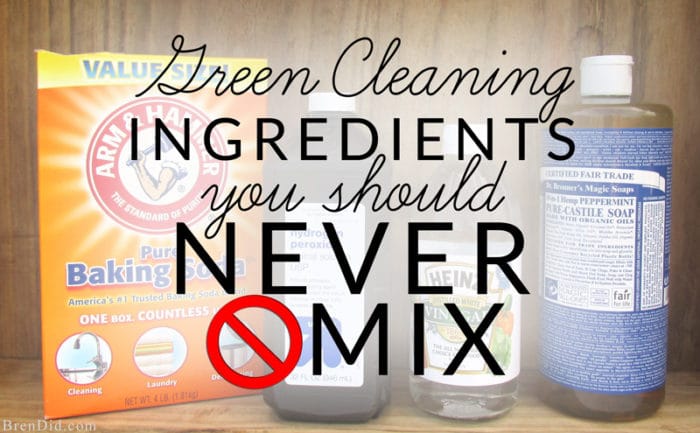
Never mix all three ingredients at once. This causes a strong, fizzy reaction. It can spill or splash and irritate skin or eyes.
Mix baking soda with vinegar first for cleaning tasks. Use hydrogen peroxide separately for whitening or disinfecting.
Avoid using too much of any ingredient. Measure carefully for safer, better results.
Storage Tips
Do not store the mix for a long time. The reaction breaks down quickly, losing power.
Keep hydrogen peroxide in a dark, cool place. Light and heat can weaken it.
Store baking soda and vinegar in separate containers. This stops accidental mixing and spills.
Additional Tips For Best Results
Using hydrogen peroxide, baking soda, and vinegar together can clean many surfaces well. Small changes can make this mix work even better. These tips help you get the best cleaning results every time. Follow simple steps to boost the power of your homemade cleaner. Simple tools and techniques also make the job easier and faster.
Enhancing Cleaning Power
Start with fresh ingredients for stronger cleaning. Use cold vinegar and fresh baking soda. Mix the powders and liquids just before use. Let the solution sit on stains for five to ten minutes. This gives the mixture time to break down dirt. Avoid mixing too much at once. Use only the amount needed for one session. This keeps the solution active and effective.
Using Tools And Techniques
Soft brushes help scrub without damaging surfaces. Use old toothbrushes for small or tight areas. Spray bottles make applying the mix easy and even. Cloths or sponges absorb dirt and rinse well. Work in circular motions to lift stains better. Rinse surfaces with warm water after cleaning. Dry with a clean towel to prevent streaks. Use gloves to protect your hands from irritation.
Frequently Asked Questions
What Happens When You Mix Hydrogen Peroxide With Baking Soda?
Mixing hydrogen peroxide with baking soda creates a foaming reaction. This combination is effective for cleaning and whitening surfaces. It breaks down stains and removes grime safely. The mixture is commonly used for household cleaning and teeth whitening.
Can Vinegar Be Safely Combined With Hydrogen Peroxide?
Vinegar and hydrogen peroxide should not be mixed directly. Combining them creates peracetic acid, which can be harmful and irritating. Instead, use them separately for cleaning to avoid dangerous reactions and ensure safety.
How Does Baking Soda Enhance Vinegar And Hydrogen Peroxide Cleaning?
Baking soda acts as a mild abrasive and neutralizes odors. When used with vinegar and hydrogen peroxide, it boosts cleaning power. The combination effectively removes stains, disinfects, and deodorizes surfaces. This trio is popular for natural, eco-friendly cleaning solutions.
Is It Safe To Mix All Three: Hydrogen Peroxide, Baking Soda, Vinegar?
Mixing all three at once is not recommended. Vinegar and hydrogen peroxide react to form harmful acids. Use baking soda with each separately for safe and effective cleaning. Always handle chemicals with care and proper ventilation.
Conclusion
Mixing hydrogen peroxide with baking soda and vinegar creates a powerful cleaning mix. This combo helps remove stains and kills germs fast. Use it carefully and in small amounts for safety. Always test on a small area first. This simple mix saves money and avoids harsh chemicals.
Try it for cleaning tasks around your home. Easy, natural, and effective. Give it a try and see the difference yourself.