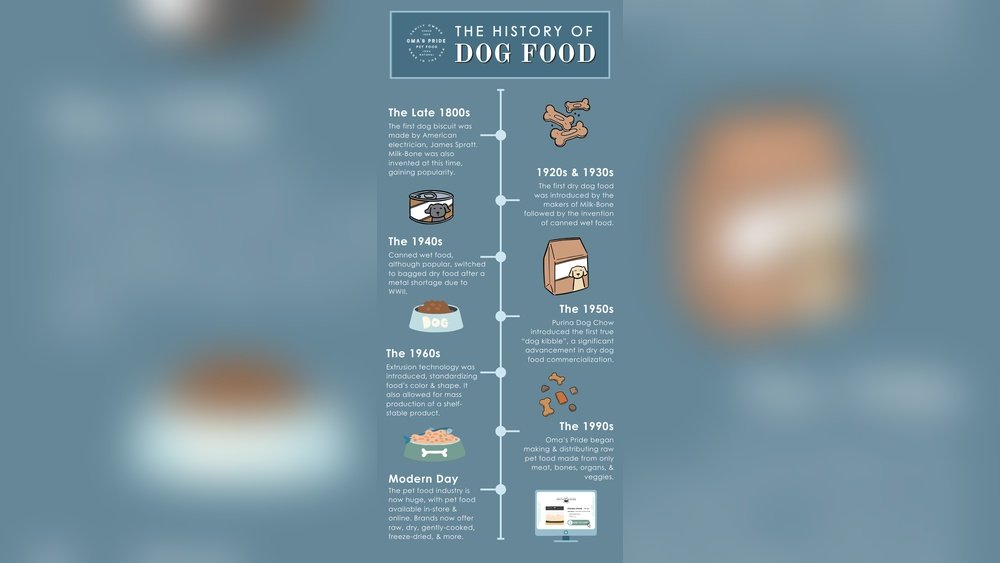
Are you wondering if raw dog food is really better than kibble for your furry friend? Choosing what to feed your dog is one of the most important decisions you’ll make for their health and happiness.
You want to give your pet the best nutrition, but with so many options out there, it can be confusing. This article will help you understand the real differences between raw food and kibble, so you can decide what’s truly right for your dog’s well-being.
Keep reading to discover facts that could change the way you think about your dog’s diet.
Raw Dog Food Basics
Raw dog food has grown popular among many pet owners. It mimics the natural diet of dogs before commercial dog food existed. This diet aims to provide fresh, whole ingredients that dogs can digest easily.
Understanding the basics helps decide if raw food suits your dog. Knowing what it includes, common ingredients, and how to prepare it safely is essential.
What Raw Diet Includes
A raw diet usually includes raw meat, bones, and organs. It often has fruits and vegetables to provide fiber and vitamins. Sometimes, supplements like fish oil or eggs are added for extra nutrients.
This diet avoids cooked food, grains, and processed ingredients. It focuses on fresh, natural items that dogs eat in the wild.
Common Raw Ingredients
Common meats are beef, chicken, turkey, and lamb. Organ meats like liver and kidney are vital for vitamins. Raw bones help clean teeth and provide minerals.
Vegetables like carrots, spinach, and broccoli add fiber. Fruits such as apples and blueberries offer antioxidants. Some recipes include eggs and dairy in small amounts.
Preparation And Safety Tips
Use clean surfaces and tools to avoid contamination. Wash your hands before and after handling raw food. Store raw food in sealed containers in the fridge or freezer.
Thaw frozen food in the fridge, not at room temperature. Keep an eye on your dog’s health and consult a vet regularly. Proper preparation reduces risks and keeps your dog safe.
Kibble Essentials
Kibble is a popular choice for many dog owners. Understanding its basics helps decide if it suits your dog’s needs. Kibble offers certain benefits, but it also has limitations.
Typical Ingredients In Kibble
Kibble usually contains meat, grains, and vegetables. Meat provides protein, essential for muscle and energy. Grains like rice and corn supply carbohydrates for fuel. Vegetables add fiber and vitamins. Sometimes, kibble includes additives and preservatives to keep it fresh. Quality varies widely between brands. Always check ingredients for your dog’s health.
Manufacturing Process
Kibble is made by mixing ingredients into a dough. This dough is cooked at high temperatures. Cooking kills bacteria and makes the food safe. The dough is then shaped into small pieces. After shaping, kibble cools and dries to harden. This process allows long shelf life. The high heat may reduce some nutrients.
Storage And Convenience
Kibble is easy to store and lasts long without refrigeration. It comes in sealed bags to keep freshness. Measuring kibble is simple for portion control. It suits busy owners with little time for meal prep. You can feed your dog quickly. However, always store kibble in a cool, dry place.
Nutritional Comparison
Choosing between raw dog food and kibble often depends on nutrition. Both types offer essential nutrients for dogs. The differences lie in how those nutrients are delivered and absorbed. Understanding these differences helps pet owners make better feeding choices.
Protein And Fat Content
Raw dog food usually contains higher protein levels. It includes fresh meat, organs, and bones, which are natural protein sources. Fat content in raw diets tends to be more natural and less processed. Kibble often has added fats and proteins from plant sources. These may not be as easily digested by dogs. Raw diets support muscle health and energy with natural proteins and fats.
Vitamins And Minerals
Raw food preserves more vitamins and minerals because it is less processed. Cooking kibble can reduce vitamin content, especially heat-sensitive ones like vitamin C. Raw diets contain natural minerals from meat and bones. Kibble is usually fortified to replace lost nutrients during processing. However, natural sources in raw food may be absorbed better by dogs.
Additives And Preservatives
Kibble often contains additives to improve shelf life and flavor. These include preservatives, artificial colors, and flavor enhancers. Raw dog food tends to have fewer additives since it is fresher. Some raw diets use natural preservatives like vitamin E. Avoiding artificial additives can reduce allergy risks and digestive issues in dogs. Fresh raw food offers a cleaner ingredient list overall.
Health Benefits Of Raw Food
Raw dog food has gained attention for its potential health benefits. Many pet owners choose raw diets to improve their dog’s wellbeing. These diets include fresh meat, bones, and vegetables. Such natural ingredients can support better health in various ways.
Improved Digestion
Raw food contains natural enzymes that help break down food easily. These enzymes aid the digestive system and reduce stomach problems. Dogs on raw diets often have smaller, firmer stools. This shows their bodies absorb nutrients better from raw meals.
Enhanced Coat And Skin
The fats and oils in raw food nourish a dog’s skin deeply. This helps reduce dryness, itching, and flaking. Dogs eating raw diets usually have shinier, softer coats. Healthy skin also means fewer allergies and irritations.
Increased Energy Levels
Raw food provides balanced nutrients that support active lifestyles. Dogs fed raw diets often show more vitality and alertness. They may have better stamina during play and exercise. Proper nutrition fuels their bodies naturally and efficiently.
Health Benefits Of Kibble
Kibble has been a popular choice for dog owners for many years. It offers several health benefits that support your pet’s well-being. Understanding these benefits helps you make a better feeding choice for your dog.
Balanced Nutrient Profile
Kibble is designed to provide a balanced mix of nutrients. It contains proteins, fats, vitamins, and minerals in the right amounts. This balance supports your dog’s growth, energy, and overall health. Many brands work with vets to create formulas that meet nutritional standards. This ensures your dog gets all essential nutrients daily.
Dental Health Support
The texture of kibble helps clean your dog’s teeth. Chewing crunchy kibble can reduce plaque and tartar buildup. This supports better dental hygiene and fresher breath. Some kibble products include ingredients to protect gums and strengthen teeth. Regular kibble feeding can lower the risk of dental problems.
Convenience For Owners
Kibble is easy to store and serve. It has a long shelf life and does not need refrigeration. This makes feeding simple and less time-consuming. Measuring portions is easy, helping to control your dog’s weight. Kibble also reduces mess compared to wet or raw food options.

Credit: mybestfrienddoggrooming.co.uk
Risks And Concerns
Raw dog food has gained popularity for its natural ingredients. Yet, it carries some risks and concerns. Understanding these helps pet owners make safe choices. Here are some key issues to consider.
Bacterial Contamination In Raw Food
Raw food can contain harmful bacteria like Salmonella and E. coli. These bacteria pose health risks to dogs and humans. Proper handling and hygiene are crucial to reduce contamination. Freezing raw food does not kill all bacteria. Cooking food kills bacteria but changes the raw diet nature.
Nutritional Imbalances
Raw diets may lack essential nutrients if not well planned. Dogs need a balanced mix of proteins, fats, vitamins, and minerals. Homemade raw diets can miss important nutrients without expert guidance. Nutritional gaps can lead to health problems over time. Commercial raw diets vary in quality and completeness.
Allergies And Sensitivities
Some dogs react to ingredients in raw food. Proteins like beef, chicken, or fish can cause allergies. Symptoms include itching, skin issues, or digestive upset. Identifying allergens is harder in complex raw meals. Switching foods requires caution to avoid worsening reactions.
Cost And Accessibility
Cost and accessibility are important factors when choosing dog food. Pet owners want food that fits their budget and is easy to find. Both raw dog food and kibble have different costs and availability. Understanding these can help decide which is better for your pet.
Price Differences
Raw dog food usually costs more than kibble. Raw ingredients like meat and fresh produce add to the price. Kibble is cheaper because it uses processed ingredients and mass production. Some raw food brands offer affordable options, but they still tend to cost more overall.
Availability In Markets
Kibble is widely available in most stores and online shops. It is easy to buy in small or large quantities. Raw dog food is harder to find. It often sells in specialty pet shops or through online delivery. Fresh raw food may require freezing or refrigeration, limiting where you can buy it.
Long-term Expenses
Raw diets may reduce vet costs by improving dog health. Healthier dogs may need fewer medications or treatments. Kibble is less expensive upfront but may lead to more health issues. Long-term, raw food might balance out the higher initial cost. Budgeting for food and health care together is important.
Expert Opinions
Experts offer different views on raw dog food versus kibble. Their opinions help pet owners make smart choices for their dogs. This section shares insights from veterinarians, nutritionists, and pet owners. Each group looks at the topic from a unique angle.
Veterinarian Perspectives
Many veterinarians stress safety and balanced nutrition. They warn about bacteria risks in raw food. Some support raw diets if prepared carefully. Others favor kibble for its convenience and nutrient balance. Most vets recommend discussing diet changes with a professional.
Nutritionist Insights
Pet nutritionists focus on nutrient content and diet quality. Raw food can offer natural proteins and fats. Kibble often contains added vitamins and minerals. Nutritionists suggest variety to cover all dietary needs. They advise checking ingredient quality regardless of diet type.
Pet Owner Experiences
Many pet owners report healthier coats and more energy with raw food. Some find raw feeding time-consuming and costly. Kibble users highlight ease and storage benefits. Owners often balance pros and cons based on their lifestyle. Personal experience plays a big role in diet choice.
Choosing The Right Diet
Choosing the right diet for your dog is important. Every dog has different needs based on age, size, and health. Some dogs do well on raw food, while others thrive on kibble. Understanding these needs helps you pick the best option. It also keeps your dog happy and healthy.
Assessing Your Dog’s Needs
Start by thinking about your dog’s age and activity level. Puppies need more nutrients to grow. Older dogs might require food that is easier to digest. Active dogs burn more calories and need more energy. Health issues like allergies or sensitive stomachs also affect diet choice. Talk to your vet for advice tailored to your dog.
Transitioning Between Diets
Switching diets takes time. Sudden changes can upset your dog’s stomach. Mix a small amount of new food with the old one. Increase the new food gradually over 7 to 10 days. Watch your dog’s reaction. Stop if you see vomiting or diarrhea. A slow change helps your dog adjust smoothly.
Monitoring Health Changes
Observe your dog’s energy and coat condition. Look for changes in weight or stool quality. Bright eyes and shiny fur show good health. Low energy and dull coat may signal problems. Regular vet check-ups help track health. Adjust the diet if you notice negative changes early.

Credit: www.microcomenviro.com

Credit: dogstandards.ca
Frequently Asked Questions
What Are The Benefits Of Raw Dog Food Over Kibble?
Raw dog food often contains more natural nutrients and fewer preservatives. It can improve digestion, coat shine, and energy levels compared to processed kibble.
Is Raw Dog Food Safer Than Kibble For Dogs?
Raw food can pose bacteria risks if not handled properly. Kibble undergoes cooking that kills pathogens, making it generally safer when stored correctly.
How Does Kibble Compare Nutritionally To Raw Dog Food?
Kibble is typically balanced with added vitamins but may include fillers. Raw food offers natural enzymes and nutrients but requires careful preparation.
Can Raw Dog Food Cause Health Issues In Dogs?
Improper raw feeding can lead to bacterial infections or nutrient imbalances. Consulting a vet ensures raw diets meet a dog’s health needs.
Conclusion
Choosing between raw dog food and kibble depends on your dog’s needs. Raw food can offer natural nutrients and better digestion. Kibble is easy to store and convenient for busy owners. Both have pros and cons worth considering. Think about your dog’s health, age, and preferences.
Consult a vet before making changes to their diet. Feeding your dog well supports a happy, healthy life. The right choice fits your lifestyle and keeps your pet strong.