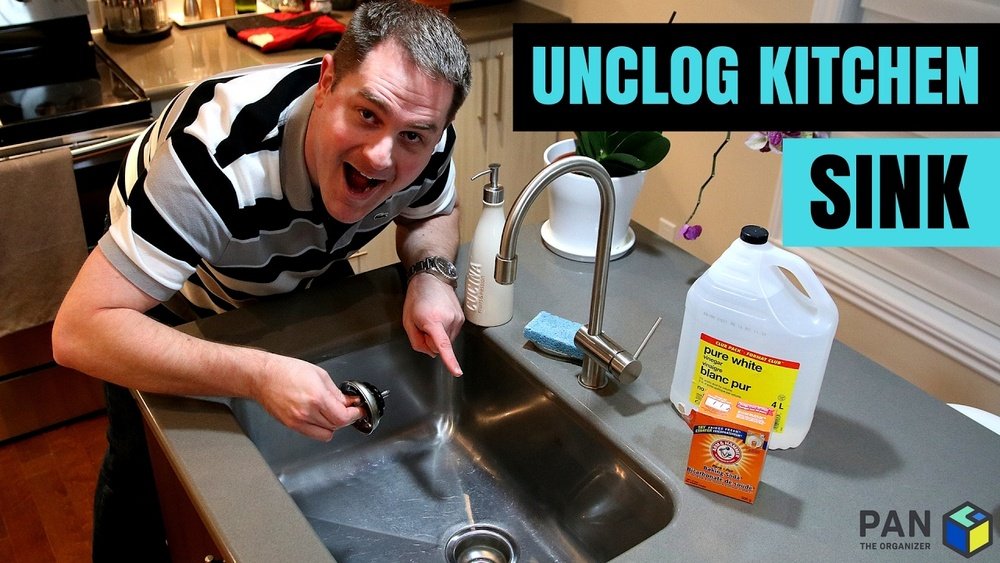
Is your kitchen sink draining slowly or clogged? It can be frustrating when water pools and odors linger.
You don’t have to call a plumber right away. With the right drain cleaner and a few simple steps, you can clear the blockage yourself. This guide will show you exactly how to use drain cleaner safely and effectively in your kitchen sink.
Keep reading to save time, avoid costly repairs, and get your sink flowing freely again.
Choosing The Right Drain Cleaner
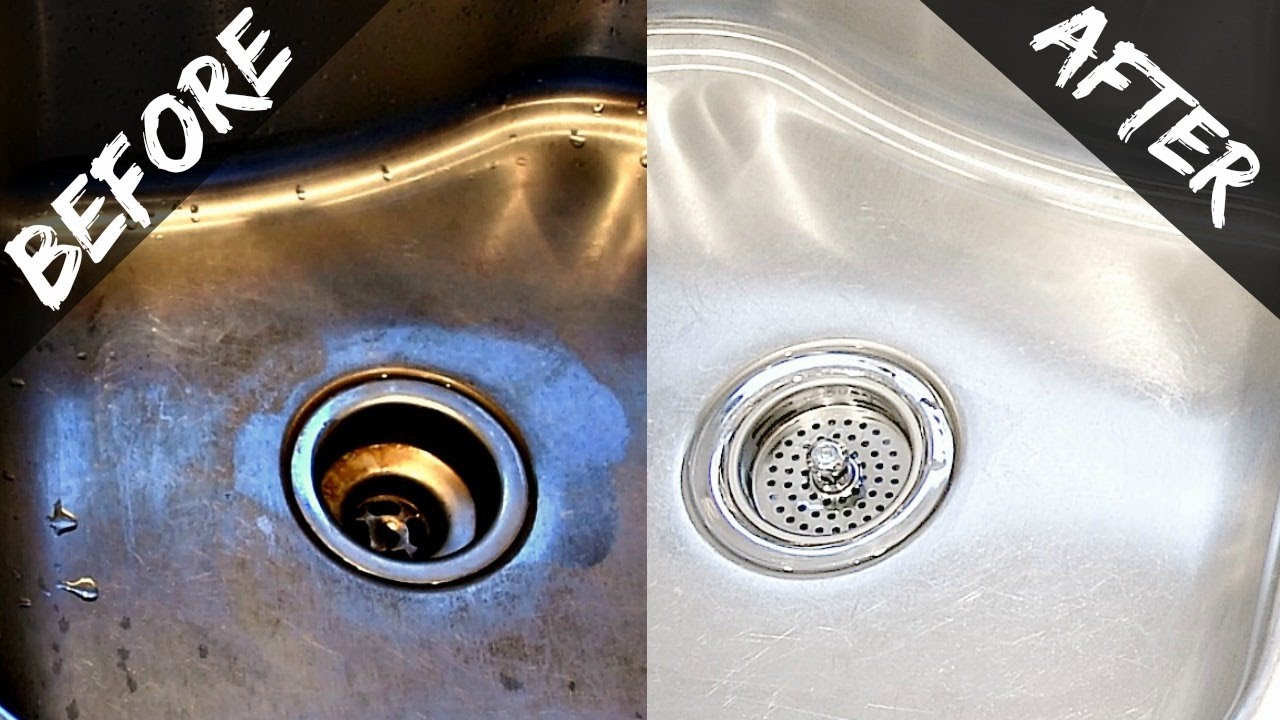
Choosing the right drain cleaner is important for your kitchen sink. The wrong product can cause damage or not work well. Understanding different types and safety helps you pick the best one. This keeps your sink clear and safe.
Types Of Drain Cleaners
Drain cleaners come in liquid, gel, and powder forms. Liquids work fast but can be harsh. Gels stick to clogs longer for better results. Powders are easy to store and use. Each type suits different clog problems.
Chemical Vs. Natural Options
Chemical cleaners use strong ingredients to dissolve clogs quickly. They work well on tough blockages but can harm pipes and skin. Natural cleaners use baking soda, vinegar, or enzymes. They are safer but slower and less powerful.
Safety Considerations
Always read labels before use. Wear gloves and eye protection. Use cleaners in a well-ventilated area. Never mix different products. Follow instructions carefully to avoid damage or injury. Store cleaners away from children and pets.

Preparing Your Kitchen Sink
Preparing your kitchen sink before using a drain cleaner is important for safety and effectiveness. This step helps prevent damage and ensures the cleaner works well. Follow simple tasks to get your sink ready.
Clearing Visible Debris
Remove any food scraps or solid waste from the drain area. Use gloves or a small tool to pull out debris. Clear the sink basin to avoid clogging the cleaner. This lets the cleaner reach the blockage directly.
Protecting Surrounding Areas
Cover nearby surfaces with old towels or cloths. This protects counters and floors from spills or splashes. Keep any electrical devices away from the sink area. Protecting these areas prevents damage and keeps your kitchen safe.
Gathering Safety Gear
Wear rubber gloves to protect your skin from chemicals. Use goggles to shield your eyes from splashes. Keep a mask handy if fumes bother you. Having safety gear ready makes the cleaning process safer and easier.
Applying The Drain Cleaner
Applying drain cleaner in your kitchen sink requires care and attention. Using the product correctly helps clear blockages and protects your pipes. Follow these steps to apply the drain cleaner safely and effectively.
Following Product Instructions
Always read the label before use. Each drain cleaner has specific directions to follow. These instructions guide you on how to use the product safely. Ignoring them can cause damage or harm. Use gloves and keep the area well-ventilated. Follow any waiting times mentioned on the package.
Proper Dosage And Application
Use the correct amount of drain cleaner. Too little may not clear the clog. Too much can damage your pipes or create harmful fumes. Pour the cleaner slowly into the drain. Avoid splashing or spilling on your skin. Let the product work for the time suggested on the label. Then, flush the drain with hot water to clear residues.
Avoiding Common Mistakes
Never mix different drain cleaners. This can cause dangerous chemical reactions. Do not pour cleaner into a full sink. Water can dilute the product and reduce its effect. Avoid using drain cleaners too often. Overuse can weaken your pipes. Keep the product out of reach of children and pets at all times.
Waiting And Monitoring
After pouring drain cleaner into your kitchen sink, waiting and watching are key steps. The cleaner needs time to work on the clog. Monitoring the process helps you know if it is effective or if more action is needed. Patience during this phase ensures better results and protects your pipes.
Recommended Waiting Time
Drain cleaners usually need 15 to 30 minutes to work well. Follow the instructions on the product label for exact timing. Avoid using the sink or running water during this wait. This pause lets the cleaner break down grease, hair, and other blockages fully.
Signs Of Effective Cleaning
Look for water draining faster after waiting. A smooth flow means the clog is clearing. Listen for less gurgling or bubbling sounds from the drain. These signs show the cleaner is breaking up the blockage successfully. No strong smells also mean the cleaner is working well.
When To Repeat The Process
If water still drains slowly after the wait, repeat the cleaning. Use the same amount of cleaner as before. Do not use drain cleaner more than twice in one day. Persistent clogs may need a plumber’s help for safe removal.
Flushing The Drain
Flushing the drain is a key step after applying drain cleaner in your kitchen sink. This step helps clear away loosened debris and keeps the pipes flowing smoothly. Proper flushing ensures the cleaner works well and prevents future blockages.
Using Hot Water Safely
Hot water helps wash away the drain cleaner and debris. Use water that is warm, not boiling. Boiling water can damage some pipes or seals. Pour hot water slowly, giving it time to move through the drain. This method protects your plumbing while clearing the clog.
Ensuring Complete Clearance
Flush the drain for several minutes to clear all residues. Watch the water flow to check for any slow spots. Repeat pouring hot water if needed. This thorough flushing prevents build-up and keeps the drain working well longer.
Handling Persistent Clogs
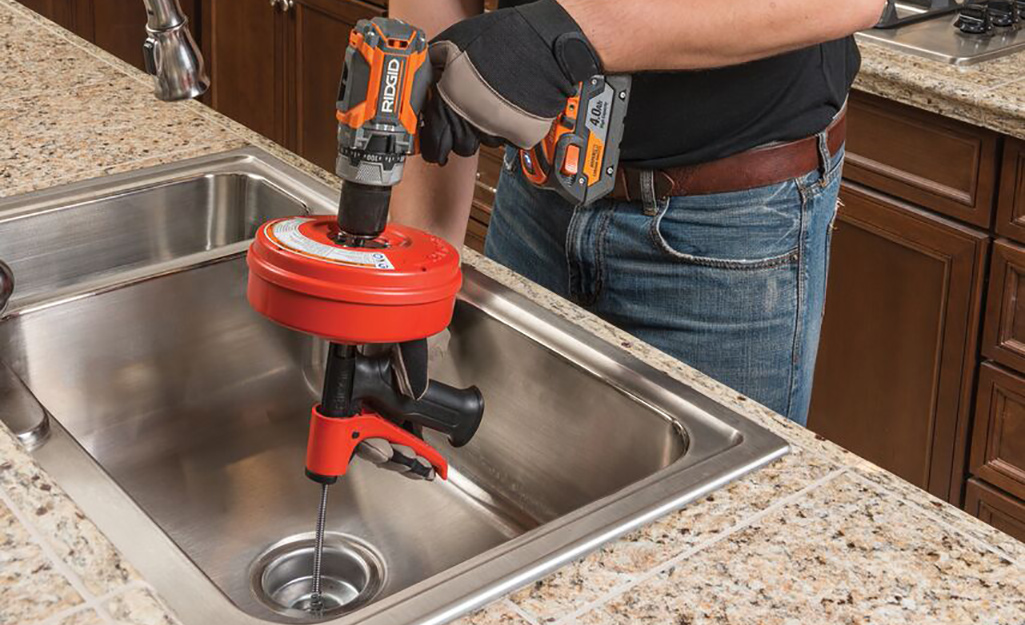
Some clogs may not clear with one flush. If the drain remains slow, try flushing again after some time. Use a plunger or a drain snake for stubborn blockages. Avoid using extra drain cleaner too soon, as it can harm pipes.
Preventing Future Clogs
Preventing future clogs in your kitchen sink saves time and stress. Small habits keep drains clear and flowing smoothly. A few simple steps help avoid blockages and costly plumbing repairs.
Regular Maintenance Tips
Run hot water through the drain weekly. It helps dissolve grease and soap buildup. Pour a mix of baking soda and vinegar down the drain monthly. Let it sit for 15 minutes before flushing with hot water. This natural method keeps the pipes fresh and clear.
Avoiding Harmful Substances
Never pour grease, oil, or coffee grounds down the sink. These substances harden and block pipes quickly. Avoid disposing of large food scraps in the drain. Use a compost bin or trash instead. Chemicals like bleach or harsh drain cleaners damage pipes over time.
Using Strainers And Traps
Place a strainer over your sink drain to catch food particles. Clean the strainer after every meal. Use a trap under the sink to catch debris before it enters the pipes. Regularly empty the trap to maintain flow. These tools prevent clogs and protect your plumbing system.
Frequently Asked Questions
How Often Should I Use Drain Cleaner In My Kitchen Sink?
Use drain cleaner once a month to prevent clogs. Frequent use can damage pipes. Regular cleaning keeps drains clear and odor-free.
Can I Use Drain Cleaner With A Garbage Disposal?
Yes, but avoid harsh chemicals. Use enzyme-based cleaners safe for disposals. Follow product instructions to protect your kitchen sink system.
What Safety Precautions Should I Take Using Drain Cleaner?
Wear gloves and eye protection when handling drain cleaner. Ensure proper ventilation in your kitchen. Never mix different cleaning chemicals.
How Long Should I Wait Before Using The Sink Again?
Wait at least 15-30 minutes after applying drain cleaner. This allows the product to break down clogs effectively. Check product label for exact time.
Conclusion
Using drain cleaner safely keeps your kitchen sink clear and fresh. Always follow the product instructions carefully. Wear gloves to protect your hands from chemicals. Pour the cleaner slowly to avoid splashes. Let it sit for the suggested time before rinsing with hot water.
Regular use prevents clogs and bad smells. Remember, simple care helps your sink work well longer. Clean drains make kitchen tasks easier every day. Stay safe and keep your sink running smoothly.