Your bathroom should be a clean and fresh space, but stubborn stains and germs can make that hard to achieve. If you want a simple, powerful way to get your bathroom sparkling, bleach might be the secret tool you need.
Knowing how to use bleach safely and effectively can save you time and effort while making your bathroom shine like new. Keep reading, and you’ll discover easy steps to clean your bathroom with bleach, avoid common mistakes, and protect your home and health.
Ready to transform your bathroom? Let’s dive in!

Benefits Of Using Bleach
Bleach is a powerful cleaner for the bathroom. It helps keep your space fresh and safe. Using bleach has many benefits. It cleans deeply and removes tough spots. It also kills harmful germs. These qualities make bleach a top choice for bathroom cleaning.
Kills Germs And Bacteria
Bleach destroys many types of germs and bacteria. It stops the spread of illness in your bathroom. Surfaces become safer and healthier. This is important for places like toilets and sinks. Using bleach reduces the risk of infections.
Removes Stains And Mold
Bleach removes stubborn stains from tiles and grout. It cleans mold and mildew easily. Bathrooms often have damp areas where mold grows. Bleach clears these spots fast. This keeps your bathroom looking clean and fresh.
Whitens Surfaces Effectively
Bleach makes white surfaces bright again. It removes yellowing and discoloration on tubs and sinks. Using bleach brings back a clean, bright look. Your bathroom will appear well-maintained and neat.
Safety Precautions
Using bleach in the bathroom requires care and attention. Bleach is strong and can harm your skin, eyes, and lungs. Taking safety steps keeps you safe while cleaning. Follow these important tips before using bleach in your bathroom.
Wear Protective Gear
Always wear gloves to protect your hands from bleach. Use goggles to shield your eyes from splashes. Consider wearing a mask if you feel sensitive to strong smells. Protective gear stops bleach from touching your skin and eyes.
Ensure Proper Ventilation
Open windows and doors before using bleach. Turn on bathroom fans to move air around. Good airflow lowers bleach fumes in the air. This helps you breathe easier and reduces irritation.
Avoid Mixing With Other Chemicals
Never mix bleach with ammonia or acids. Mixing creates toxic gases that can harm your lungs. Use bleach alone for cleaning. Read labels to avoid dangerous chemical combinations.
Preparing Bleach Solution
Preparing a bleach solution is the first step to clean your bathroom safely and well. Mixing bleach with water correctly ensures strong cleaning power without damage. It also helps protect your skin and surfaces. Follow these simple steps to prepare the right bleach solution for your cleaning needs.
Choosing The Right Bleach Concentration
Bleach comes in different strengths. Most household bleach contains 5% to 6% sodium hypochlorite. This concentration works well for general cleaning. Avoid using industrial bleach, which is stronger and can harm surfaces. Always read the label to know the concentration before using.
Dilution Ratios For Different Surfaces
Use different bleach-to-water ratios depending on the surface. For hard, non-porous surfaces, mix 1 part bleach with 10 parts water. For tougher stains, use a stronger mix, like 1 part bleach to 5 parts water. Avoid using strong bleach on delicate surfaces like tiles with grout or painted walls. Proper dilution prevents damage and keeps surfaces clean.
Using Measuring Tools
Always use measuring cups or spoons to mix bleach and water. Eyeballing the amount can lead to unsafe mixes. Measure bleach first, then add water to the container. Stir gently to combine without splashing. Use a clean container, preferably plastic or glass, to avoid chemical reactions. Measuring tools help you get the right strength every time.
Cleaning Bathroom Surfaces
Cleaning bathroom surfaces with bleach helps kill germs and remove stains. Bleach works well on many materials in your bathroom. It makes surfaces look fresh and clean. Use bleach safely and follow the right steps for each surface.
Tubs And Showers
Start by rinsing the tub or shower with water. Mix one part bleach with ten parts water. Use a sponge or cloth to apply the solution. Scrub areas with soap scum or mildew. Let it sit for 5 to 10 minutes. Rinse thoroughly to remove bleach residue. Avoid mixing bleach with other cleaners.
Toilets
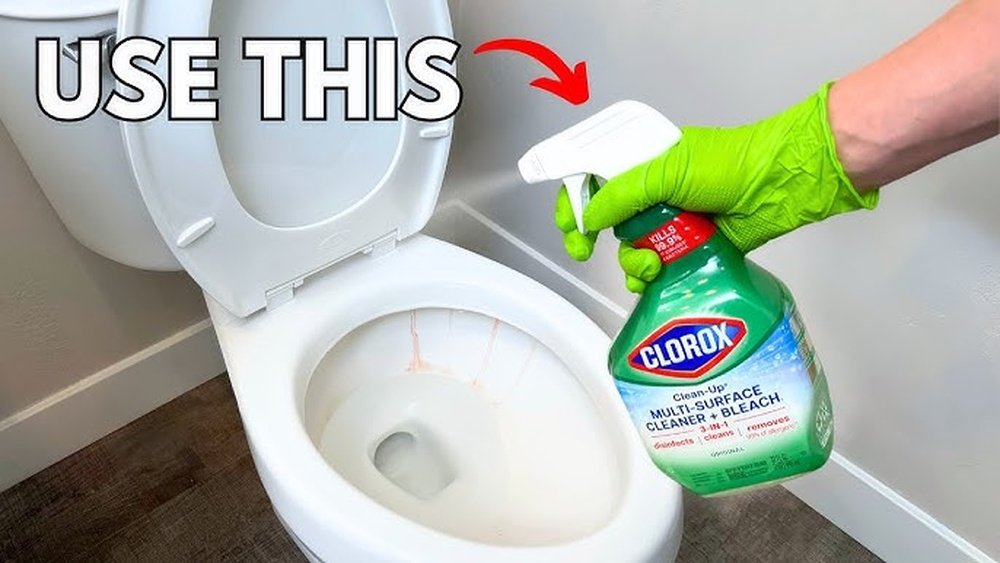
Pour bleach into the toilet bowl. Let it sit for 10 minutes to kill germs. Use a toilet brush to scrub under the rim and bowl. Flush the toilet to rinse. For the seat and outside, wipe with diluted bleach. Use gloves to protect your hands.
Sinks And Countertops
Clear the sink and countertop of items. Mix bleach and water in a spray bottle. Spray the surfaces lightly and wipe with a clean cloth. Focus on areas with stains or buildup. Rinse well with water to avoid damage. Avoid using bleach on natural stone countertops.
Tiles And Grout
Apply bleach solution to grout lines with a small brush. Scrub gently to remove mold and dirt. Wipe tiles with a damp cloth after scrubbing. Repeat if grout is very dirty. Ensure good ventilation while cleaning tiles and grout with bleach.
Application Techniques
Applying bleach correctly is key to cleaning your bathroom safely and effectively. Proper techniques help remove germs and stains. Use the right tools to spread bleach evenly and avoid damage. Below are simple ways to apply bleach for a clean bathroom.
Using Spray Bottles
Spray bottles make applying bleach quick and easy. Fill the bottle with a bleach solution. Spray directly on surfaces like sinks, tiles, and toilets. Let it sit for a few minutes to kill germs. Wipe with a clean cloth or rinse with water afterward.
Applying With Sponges Or Cloths
Sponges or cloths help scrub areas with bleach. Dip the sponge or cloth into the bleach solution. Wipe down counters, tubs, and other spots that need cleaning. Use gentle pressure to avoid scratching surfaces. Rinse the sponge often to keep it clean.
Soaking Methods For Tough Stains
For stubborn stains, soaking works best. Soak a cloth or sponge in bleach solution. Place it on the stain and leave it for 10-15 minutes. This softens the stain and makes it easier to remove. After soaking, scrub gently and rinse well.
Rinsing And Drying
Rinsing and drying are key steps after cleaning your bathroom with bleach. These steps remove leftover bleach and dirt. They also protect surfaces and your health. Proper rinsing stops bleach from damaging tiles or fixtures. Drying prevents water spots and mold growth. Follow these tips to finish your cleaning safely and effectively.
Proper Rinsing Steps
Start by rinsing the cleaned area with warm water. Use a sponge or cloth to wipe surfaces well. Make sure all bleach is washed away. Rinse several times if needed. Avoid leaving any bleach residue behind. Rinse fixtures, tiles, and grout thoroughly. This keeps your bathroom safe and fresh.
Drying To Prevent Residue
After rinsing, dry all surfaces with a clean towel. Use a microfiber cloth for best results. Drying stops water spots from forming. It also prevents mold and mildew. Do not leave surfaces wet. Air drying takes longer and may leave streaks. Drying keeps your bathroom looking clean and shiny.
Disposal Of Cleaning Materials
Dispose of used cloths or sponges properly. Rinse reusable items before storing. Throw away single-use materials in a sealed bag. Avoid flushing bleach-soaked items down the drain. Proper disposal protects plumbing and the environment. Always wash your hands after handling bleach materials.
Frequency Of Cleaning
Keeping your bathroom clean is important for health and comfort. Bleach is a strong cleaner that kills germs and removes stains. Knowing how often to use bleach helps keep your bathroom fresh without damage. Follow a simple cleaning schedule to maintain a clean space.
Daily Maintenance Tips
Wipe down sinks and counters every day with a mild cleaner. Use a diluted bleach solution once or twice a week on high-touch areas. Keep the toilet clean by spraying bleach inside the bowl regularly. Rinse surfaces well after using bleach to avoid damage.
Deep Cleaning Schedule
Perform a deep clean using full-strength bleach every two weeks. Focus on grout, tiles, and shower areas that collect mold and mildew. Let bleach sit for 10 minutes before scrubbing to kill germs. Always wear gloves and ventilate the room during deep cleaning.
Signs You Need To Clean
Look for discoloration on tiles or grout, a sign of mold growth. Notice unpleasant odors that indicate bacteria buildup. Sticky or slimy surfaces mean it is time to clean. Regularly check toilets and drains for stains or buildup.
Alternatives To Bleach
Bleach is a strong cleaner for bathrooms, but it is not the only choice. Some people prefer other options that might be safer or better for the environment. This section shares some good alternatives to bleach. These options can clean well without harsh chemicals.
Natural Cleaning Options
Vinegar is a popular natural cleaner. It kills germs and removes stains. Mix equal parts of vinegar and water in a spray bottle. Spray it on surfaces and wipe with a cloth.
Baking soda is another easy option. It scrubs away dirt and smells fresh. Sprinkle it on surfaces, add a little water, and scrub gently. Rinse well after cleaning.
Lemon juice works well for brightening and cutting through grime. Its natural acidity helps break down soap scum and mildew.
Commercial Bathroom Cleaners
There are many commercial cleaners made for bathrooms. Some use less harsh chemicals than bleach. Look for products labeled as non-toxic or eco-friendly. These can clean effectively and smell better.
Some commercial cleaners focus on mold and mildew removal. They often contain ingredients that kill germs but are safer to breathe in.
When To Avoid Bleach
Do not use bleach in small, unventilated spaces. The fumes can irritate your lungs and eyes. Avoid bleach on colored surfaces; it can cause stains.
Mixing bleach with other cleaners, especially ammonia, is dangerous. It creates toxic gases. Use bleach only alone with water.
People with allergies or sensitive skin should skip bleach. It can cause reactions and discomfort.

Frequently Asked Questions
How Do I Safely Use Bleach For Bathroom Cleaning?
Always wear gloves and ensure good ventilation. Dilute bleach with water as recommended. Never mix bleach with ammonia or other cleaners. Use a sponge or cloth to apply bleach. Rinse surfaces well after cleaning to avoid residue.
Can Bleach Remove Mold And Mildew In Bathrooms?
Yes, bleach effectively kills mold and mildew on non-porous surfaces. Apply diluted bleach to affected areas, let it sit for 10 minutes, then scrub and rinse. Avoid using bleach on porous materials to prevent damage.
What Surfaces Can I Clean With Bleach In The Bathroom?
Bleach works well on tiles, toilets, sinks, and tubs. Avoid using bleach on metal fixtures, natural stone, or painted surfaces as it can cause damage or discoloration.
How Often Should I Use Bleach To Clean My Bathroom?
Use bleach for deep cleaning once a week or as needed. Frequent use can cause surface damage or strong odors. For regular cleaning, milder cleaners may be preferable.
Conclusion
Bleach helps keep your bathroom clean and fresh. Use it safely by wearing gloves and ventilating the room. Always follow the instructions on the label. Avoid mixing bleach with other cleaners to stay safe. Regular cleaning with bleach removes germs and mold well.
A clean bathroom feels better and protects your health. Simple steps make cleaning easier and more effective. Keep bleach out of reach of children and pets. Clean often to stop dirt and germs from building up. Bleach is a strong cleaner but must be used carefully.