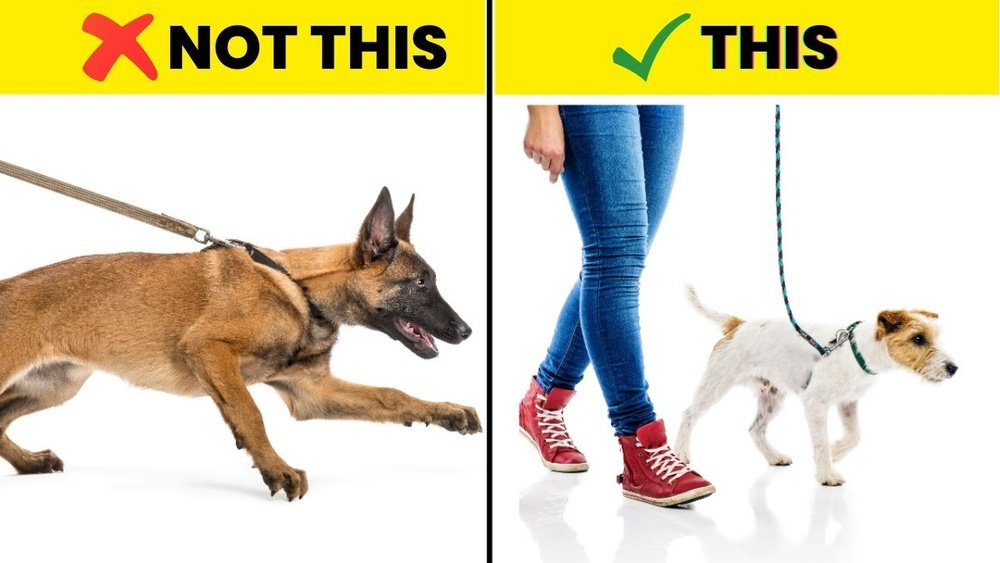
Is your dog dragging you down the street every time you go for a walk? It’s frustrating, tiring, and can even be dangerous.
But what if you could enjoy peaceful, easy walks with your furry friend—without the constant pulling? You’re about to discover simple, effective ways to stop your dog from pulling on the leash. Keep reading, and you’ll learn how to transform your walks into a calm, enjoyable experience for both you and your dog.
Why Dogs Pull On Leash
Dogs pulling on the leash is a common problem many pet owners face. Understanding why dogs pull helps fix this behavior. Dogs pull because of instincts, excitement, or habits. Knowing the reasons makes training easier and more effective.
Common Causes
Many dogs pull due to natural instincts. Some breeds have strong hunting or herding drives. These dogs want to chase or explore. Puppies often pull because they are curious and full of energy.
Leash pulling can also happen if dogs get little exercise. They try to move faster to burn energy. Sometimes, dogs pull to reach new smells or other animals. They see the world as a big, exciting place.
Behavioral Triggers
Excitement often causes dogs to pull. They want to greet people or other dogs quickly. Fear or anxiety can also trigger pulling. Dogs might pull to escape from scary situations.
Some dogs pull to take control during walks. They think pulling leads them where they want. This habit grows if owners don’t correct it early. Training and patience help change these behaviors.
Choosing The Right Equipment
Choosing the right equipment plays a big role in stopping a dog from pulling on the leash. The right tools help keep control and make walks more pleasant. Not all collars and leashes work the same way. Picking the right gear can reduce pulling and keep your dog safe.
Collars Vs Harnesses
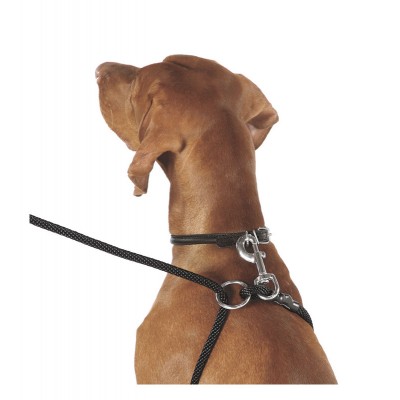
Collars sit around a dog’s neck. They are simple and common. Some dogs pull harder with collars. This can cause neck pain or injury. Harnesses wrap around the dog’s body. They spread pressure over the chest and shoulders. Harnesses reduce strain on the neck. They give better control for dogs that pull a lot. Front-clip harnesses help guide dogs by turning them toward you. Back-clip harnesses are for dogs that walk calmly. Choose a harness if your dog pulls hard or has neck issues.
Leash Types
Leashes come in many styles and lengths. A short leash gives more control close to you. Long leashes allow freedom but less control. Standard nylon or leather leashes are strong and reliable. Retractable leashes can cause pulling because the dog feels more freedom. Training leashes with a stop or no-pull design help teach dogs to walk nicely. Pick a leash that matches your dog’s size and pulling behavior. A good leash and collar or harness work together to stop pulling.
Training Techniques To Reduce Pulling
Training your dog to stop pulling on the leash takes patience and the right methods. Consistent techniques help your dog learn good walking habits. These training techniques reduce pulling and make walks more enjoyable.
Positive Reinforcement
Positive reinforcement means rewarding your dog for good behavior. Use treats or praise when your dog walks without pulling. This encourages your dog to stay close to you. Reward often at first, then slowly give treats less. Your dog will learn that walking nicely earns rewards.
Stop And Go Method
Stop walking as soon as your dog pulls on the leash. Wait until your dog stops pulling and the leash is loose. Then, start walking again slowly. Repeat this process every time your dog pulls. Your dog will learn pulling stops the walk. This method teaches patience and good leash manners.
Change Direction Strategy
Change your walking direction when your dog pulls. Turn around and walk the other way calmly. This surprises your dog and stops pulling behavior. Your dog will learn to pay attention to your movements. Change direction often to keep your dog focused on you.
Building Focus And Attention
Building your dog’s focus and attention is key to stopping leash pulling. A dog that pays attention to you will listen and walk calmly. Teaching your dog to focus helps reduce distractions outside. This makes walks safer and more enjoyable for both of you.
Teaching Look At Me
Start by getting your dog’s attention with a clear cue like “Look at me.” Hold a treat near your eyes and say the cue. When your dog looks at your face, reward with the treat. Repeat this exercise several times daily. Keep sessions short and positive to hold your dog’s interest. Over time, your dog will learn to focus on you during walks.
Using Treats And Rewards
Treats motivate your dog to stay attentive. Use small, tasty treats to reward good behavior. Give treats when your dog walks without pulling. Praise your dog with kind words and petting along with treats. Consistent rewards help your dog understand what you expect. Change treats occasionally to keep your dog excited. This method builds a positive habit of paying attention on leash.
Consistency And Patience
Stopping a dog from pulling on the leash takes time and steady effort. Consistency and patience are key. Your dog learns best through repeated, calm training sessions. Quick fixes do not work well. Small, steady steps lead to lasting change. Patience helps your dog feel safe and confident. Consistency builds clear rules your dog understands.
Setting Realistic Goals
Start with easy goals your dog can reach. For example, aim for your dog to walk without pulling for five seconds. Then increase the time slowly. Avoid expecting your dog to stop pulling immediately. Set goals that match your dog’s age and energy. Celebrate small wins like a short walk with no pulling. Realistic goals keep training fun and stress-free.
Daily Practice Tips
Practice leash training every day, even for short times. Use the same commands and signals each time. Pick quiet places to start training before trying busy spots. Keep sessions short to hold your dog’s attention. Reward your dog with treats or praise for good walking. Stay calm and patient, even if your dog pulls. Daily practice strengthens your dog’s learning and habits.

When To Seek Professional Help
Training a dog to stop pulling on the leash can be challenging. Some dogs learn quickly, while others need more help. Sometimes, professional help is the best choice. Knowing when to seek a trainer can save time and reduce stress for both you and your dog.
Signs You Need A Trainer
Your dog keeps pulling despite your efforts. Training does not improve after weeks of practice. Walking becomes unsafe because your dog is too strong or wild. You feel frustrated or overwhelmed during walks. Your dog reacts badly to other dogs or people. These signs show that professional help is needed.
Choosing A Qualified Trainer
Pick a trainer who uses positive methods. Avoid trainers who use harsh punishment. Check if the trainer has good reviews and experience. Look for certifications from recognized organizations. A good trainer explains techniques clearly and answers questions. Trust and communication between you, your dog, and the trainer matter most.
Frequently Asked Questions
How Can I Train My Dog Not To Pull On Leash?
Use positive reinforcement like treats and praise. Stop walking when your dog pulls. Reward walking beside you to encourage good behavior.
What Equipment Helps Reduce Leash Pulling?
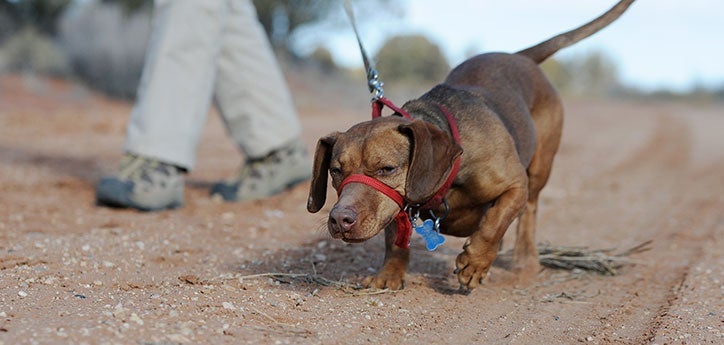
A front-clip harness or head halter can reduce pulling. These tools give better control and discourage your dog from pulling forward.
Why Does My Dog Pull On The Leash?
Dogs pull due to excitement, curiosity, or lack of training. They see walking as a chance to explore and want to move faster.
How Long Does Leash Training Usually Take?
Leash training can take a few weeks to months. Consistent practice and patience are key for lasting results.
Conclusion
Stopping your dog from pulling takes patience and practice. Use gentle guidance and clear commands. Reward your dog when they walk calmly. Keep training sessions short and fun. Consistency helps your dog learn better habits. Always stay calm and positive during walks.
Over time, your dog will enjoy walking beside you. A peaceful walk benefits both you and your dog. Keep trying, and you will see progress soon.