Are you spending hours sitting every day without realizing the toll it takes on your body? How you sit might seem simple, but sitting incorrectly can lead to pain, fatigue, and long-term health problems.
Imagine feeling more comfortable, focused, and energized just by changing the way you sit. You’ll discover easy and effective tips to sit correctly on a chair, protect your body, and boost your well-being. Keep reading to learn the secrets that can transform your daily sitting experience.
Common Posture Mistakes
Many people make posture mistakes while sitting on a chair. These mistakes cause discomfort and pain over time. Correct posture helps avoid muscle strain and improves focus. Understanding common mistakes is the first step to better sitting habits.
Slouching And Its Effects
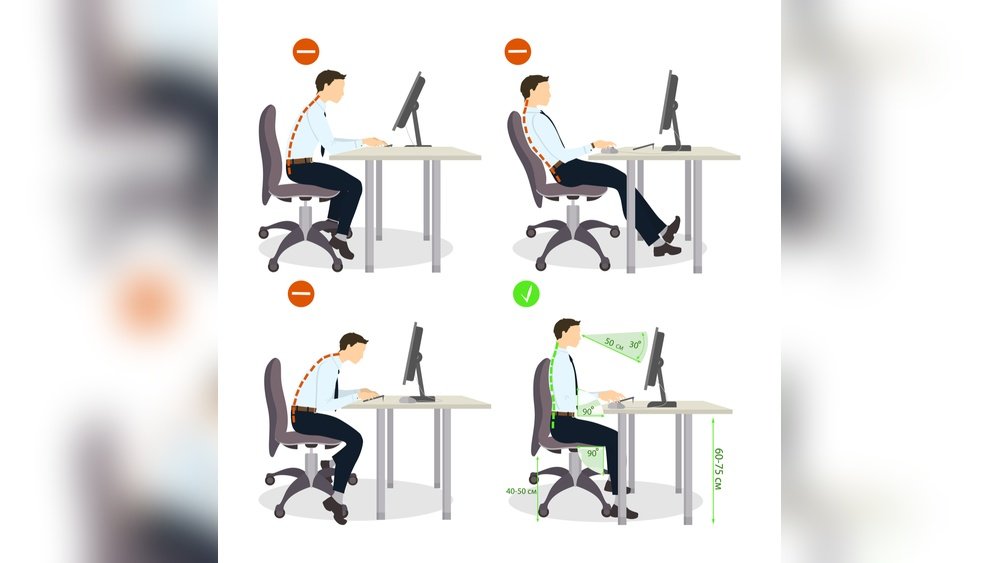
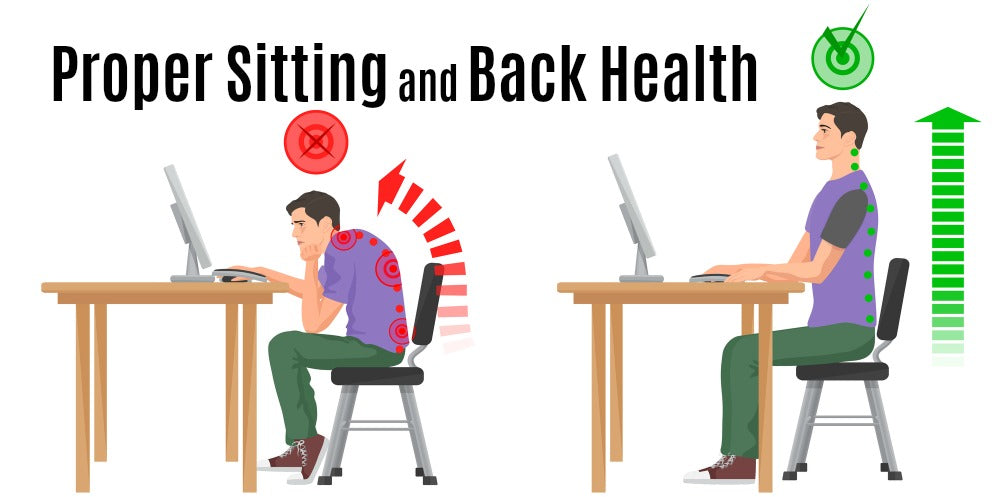
Slouching means letting your back curve forward. It puts pressure on your spine and muscles. This causes back pain and tiredness quickly. Slouching also affects your breathing and digestion. Sitting upright keeps your body healthy and strong.
Leaning Forward Too Much
Leaning forward strains your neck and shoulders. It happens often when using a computer or phone. This position causes stiffness and headaches. Your back loses its natural curve and hurts. Keep your back straight and shoulders relaxed instead.
Crossing Legs Incorrectly
Crossing legs at the knee or ankle can cause problems. It may block blood flow and cause swelling. Bad leg crossing also leads to hip and lower back pain. Keep both feet flat on the floor for better support.
Chair Selection Tips
Choosing the right chair is important for good posture and comfort. A chair that fits your body helps you sit correctly. It reduces back pain and keeps you focused. Here are some key tips to pick the best chair for sitting properly.
Choosing The Right Height
The chair height should match your desk and body size. Your feet must rest flat on the floor. Your knees should be at a 90-degree angle. Avoid chairs that are too tall or too short. Adjustable height chairs work best for most people.
Lumbar Support Importance
Lumbar support helps keep your lower back curved naturally. It prevents slouching and back strain. Look for chairs with built-in lumbar support or add a cushion. Proper support keeps your spine aligned and comfortable for hours.
Seat Depth And Width
The seat must be wide and deep enough for your body. It should support your hips without pressing behind your knees. A seat depth that is too long or short causes discomfort. Choose a chair with adjustable seat depth if possible.
Correct Sitting Position
Sitting correctly on a chair helps avoid pain and keeps your body healthy. Good posture supports your spine and reduces tiredness. It also improves focus and comfort during work or study. Follow simple steps for the correct sitting position to protect your body.
Feet Placement
Place your feet flat on the floor. Keep them shoulder-width apart for balance. Avoid crossing your legs or tucking your feet under the chair. This helps improve blood flow and reduces pressure on your legs.
Back Alignment
Keep your back straight and aligned with the chair’s backrest. Your lower back should touch the chair to support the natural curve of your spine. Avoid slouching or leaning forward. This position reduces strain on your back muscles.
Arm Positioning
Rest your arms comfortably on the armrests or desk. Keep your elbows close to your body and bent at about 90 degrees. Avoid reaching too far forward or letting your shoulders rise. Proper arm positioning reduces tension in your neck and shoulders.
Adjusting Your Workspace
Adjusting your workspace is key to sitting correctly and staying comfortable. A well-set workspace helps keep your body aligned and reduces strain. Small changes can make a big difference in your daily comfort and health.
Desk Height Setup
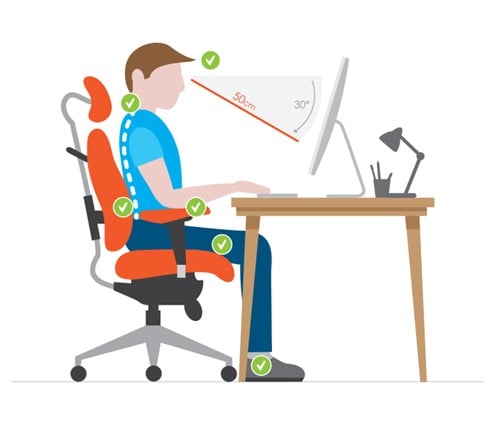
Set your desk height so your elbows rest at a 90-degree angle. Your forearms should be parallel to the floor. Avoid raising or lowering the desk too much. This helps keep your shoulders relaxed and prevents tension.
Monitor Positioning
Place your monitor at eye level to avoid neck strain. Keep it about an arm’s length away from you. The top of the screen should be at or slightly below your eyes. This position keeps your neck straight and reduces fatigue.
Keyboard And Mouse Placement
Keep your keyboard and mouse close to your body. Your wrists should stay straight and relaxed while typing or clicking. Avoid reaching forward or sideways to use them. This setup reduces stress on your hands and wrists.
Maintaining Posture Throughout The Day
Maintaining good posture throughout the day is important for your health. Sitting correctly on a chair helps reduce back pain and improves comfort. Staying in one position for too long can cause stiffness and strain. Moving your body often keeps muscles active and supports your spine.
Regular Breaks And Movement
Take short breaks every 30 to 60 minutes. Stand up and walk around for a few minutes. Simple movements help blood flow and reduce muscle tension. Avoid sitting in the same spot for hours. Regular movement refreshes your body and mind.
Stretching Exercises
Stretching helps keep muscles flexible and strong. Try gentle stretches for your neck, shoulders, and back. Stretch both before and after long sitting sessions. These exercises reduce stiffness and improve posture. Even simple stretches can make a big difference.
Using Posture Aids
Posture aids provide extra support while sitting. Use cushions or lumbar supports to help keep your spine aligned. Adjustable chairs can improve comfort and posture. Posture aids reduce strain on your back muscles. They make sitting for long periods easier and healthier.
Benefits Of Proper Sitting
Sitting correctly on a chair brings many benefits. It helps your body feel better and work well. Good sitting habits protect your muscles and bones. They also help your mind stay sharp. Here are some key benefits of sitting properly.
Reducing Back Pain
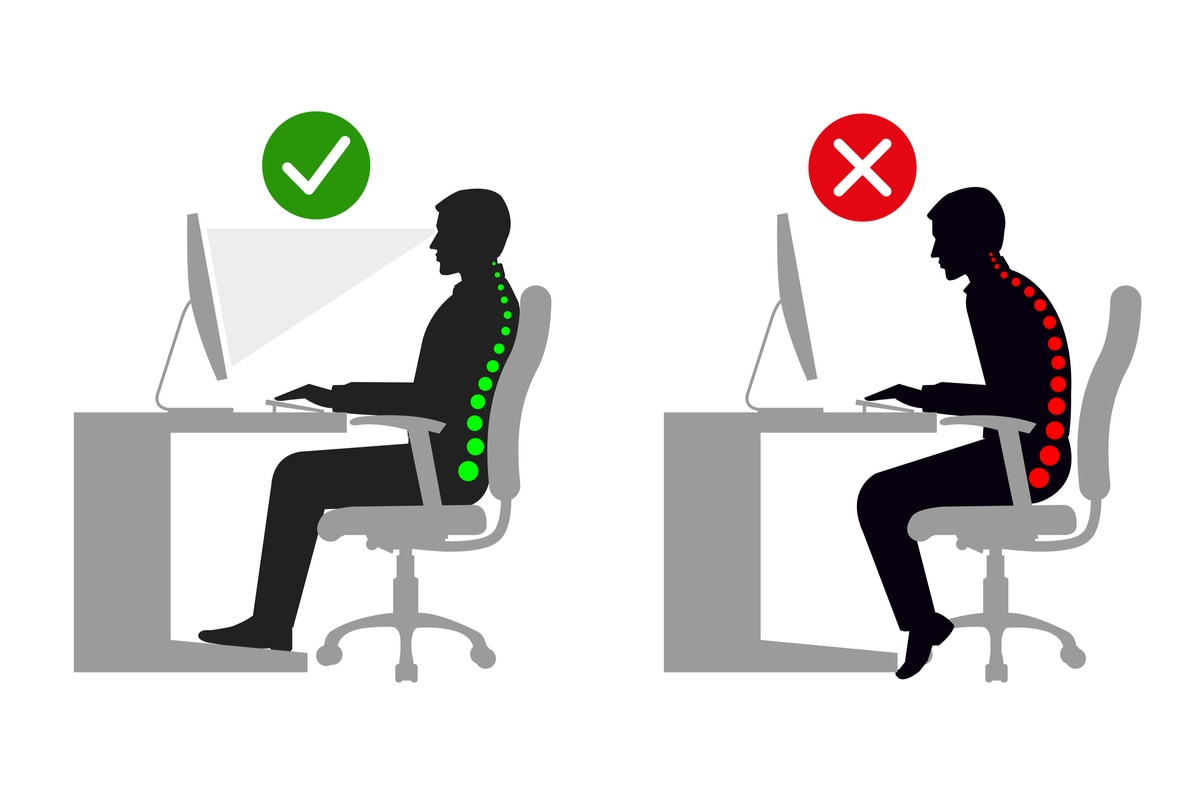
Proper sitting keeps your spine in a natural position. This reduces pressure on your back muscles and discs. It lowers the risk of pain and injury. Sitting well stops slouching, which often causes discomfort. Your lower back feels supported and relaxed.
Improving Concentration
Good posture improves blood flow and oxygen to your brain. This helps you focus better on tasks. Sitting correctly keeps you alert and less tired. It reduces distractions caused by body aches. You can work or study longer with better focus.
Enhancing Overall Health
Correct sitting helps your digestion and breathing. It supports healthy circulation throughout your body. Sitting well prevents muscle stiffness and joint problems. It also lowers the chance of developing chronic diseases. Your body stays stronger and more balanced over time.
Frequently Asked Questions
How Do I Sit Correctly On A Chair?
Sit with your back straight and shoulders relaxed. Keep your feet flat on the floor. Adjust your chair height so your knees are at a 90-degree angle. Use lumbar support to maintain your lower back curve. Avoid slouching to reduce strain.
Why Is Proper Chair Sitting Posture Important?
Proper sitting posture prevents back and neck pain. It improves circulation and reduces muscle fatigue. Good posture also boosts concentration and productivity. It helps avoid long-term spinal problems. Sitting correctly supports overall health and comfort during work or study.
What Chair Height Is Best For Sitting?
The ideal chair height keeps your feet flat on the floor. Your knees should be level with or slightly lower than your hips. This position reduces pressure on your thighs. Adjustable chairs help maintain this optimal height. Proper height promotes good posture and comfort.
How Can I Support My Lower Back While Sitting?
Use a lumbar cushion or rolled towel to support your lower back. Ensure the support fits the curve of your spine. This reduces strain and prevents slouching. Proper lumbar support maintains natural spinal alignment. It enhances comfort during extended sitting.
Conclusion
Sitting correctly helps protect your back and improve comfort. Keep your feet flat on the floor and your back straight. Adjust your chair to fit your body well. Take breaks to stand and stretch often. Good posture feels better and keeps you healthy.
Practice these simple steps every day. Your body will thank you.