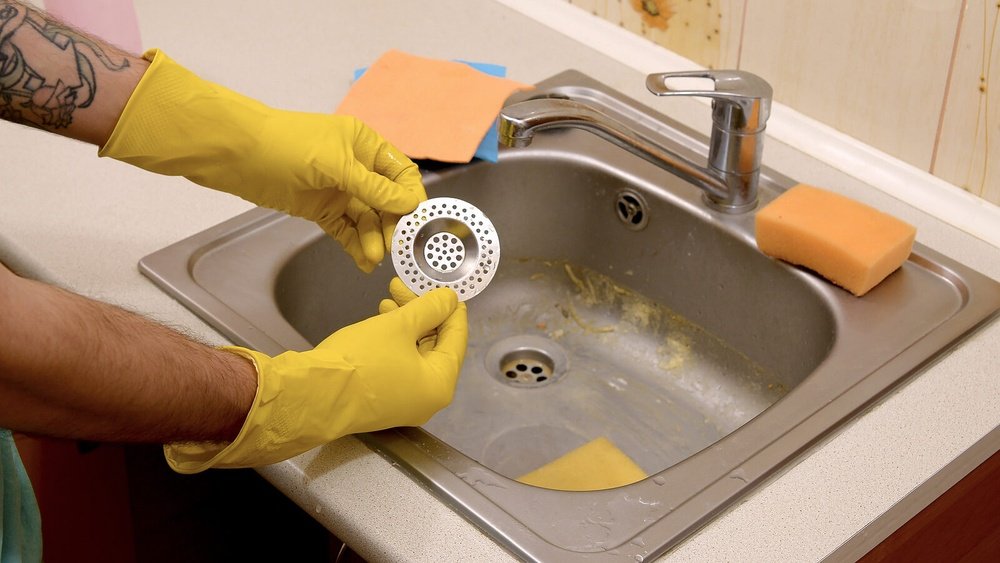
Is your kitchen sink drain giving off an unpleasant odor that just won’t go away? You’re not alone.
A bad smell coming from your sink can make cooking and cleaning less enjoyable, and it’s often a sign that something needs your attention. But don’t worry—getting rid of that foul smell is easier than you think. You’ll discover simple, effective ways to freshen up your kitchen sink drain quickly.
Keep reading to learn how you can restore a clean, inviting scent to your kitchen without spending a fortune or calling a plumber.

Common Causes Of Sink Drain Odors
Bad smells from the kitchen sink drain can be very unpleasant. These odors often come from common issues inside the drain. Knowing the causes helps to fix the problem quickly. Here are the main reasons your sink drain might smell bad.
Food Residue Buildup
Small bits of food get stuck in the drain. Over time, these bits rot and cause bad smells. This is a frequent cause of sink drain odors. Regular cleaning can stop this buildup and keep the drain fresh.
Grease And Oil Accumulation
Grease and oils poured down the sink do not wash away easily. They stick to the pipes and trap other debris. This creates a slimy layer that smells bad. Avoid pouring grease down the drain to prevent this problem.
Trapped Debris
Debris like hair, soap scum, and dirt can get caught in the drain. This trapped material breaks down and releases foul odors. Cleaning the drain trap and pipes removes these smelly blockages.
Dry P-trap Issues
The P-trap holds water to block sewer gases from rising. If it dries out, bad smells escape through the drain. This often happens in sinks not used for some time. Running water regularly keeps the P-trap full and odor-free.
Simple Cleaning Tools And Supplies
Removing bad smells from your kitchen sink drain does not require fancy tools. Simple cleaning supplies found in your home can do the job effectively. These items work well to clear out odors and keep your sink fresh. Using easy-to-find products saves money and time.
Try these basic tools for a clean, odor-free kitchen sink drain. They help break down grime and neutralize bad smells fast.
Baking Soda And Vinegar
Baking soda and vinegar form a natural cleaning duo. First, pour half a cup of baking soda into the drain. Follow with a cup of vinegar. The mixture will bubble and fizz, loosening dirt and gunk. Let it sit for 15 minutes, then flush with hot water. This method removes odors and cleans pipes gently.
Lemon And Citrus Peels
Lemon and citrus peels add a fresh scent to your drain. Drop small pieces of lemon peel or orange peel into the garbage disposal or drain. Run cold water and turn on the disposal for a few seconds. The citrus oils break down bad smells and leave a clean, fresh aroma.
Boiling Water
Boiling water can clear grease and food buildup causing bad smells. Slowly pour boiling water down the drain in stages. This melts away oily residues and flushes out debris. Repeat this process once a week for a fresher sink drain.
Plunger And Brush
A plunger helps remove blockages causing odors. Place it over the drain and pump several times. This loosens trapped debris. Use a small brush or old toothbrush to scrub the drain opening and around the stopper. Cleaning these spots removes hidden grime and reduces smells.
Step-by-step Cleaning Methods
Bad smells from the kitchen sink drain can be unpleasant and stubborn. Cleaning the drain regularly helps keep your kitchen fresh. Follow these simple step-by-step methods to remove odors and maintain a clean drain. Each step uses easy ingredients and tools you likely have at home.
Using Baking Soda And Vinegar
Start by pouring half a cup of baking soda down the drain. Next, add half a cup of white vinegar. The mixture will fizz and break down grime and odors. Let it sit for 15 minutes to work deep inside the pipes. After waiting, flush the drain with hot water to clear the residue.
Flushing With Boiling Water
Boiling water helps dissolve grease and food particles. Boil a kettle or pot of water. Slowly pour the boiling water down the drain in stages. This process loosens blockages and washes away bad smells. Repeat this step once a week to keep the drain fresh.
Scrubbing The Drain And Stopper
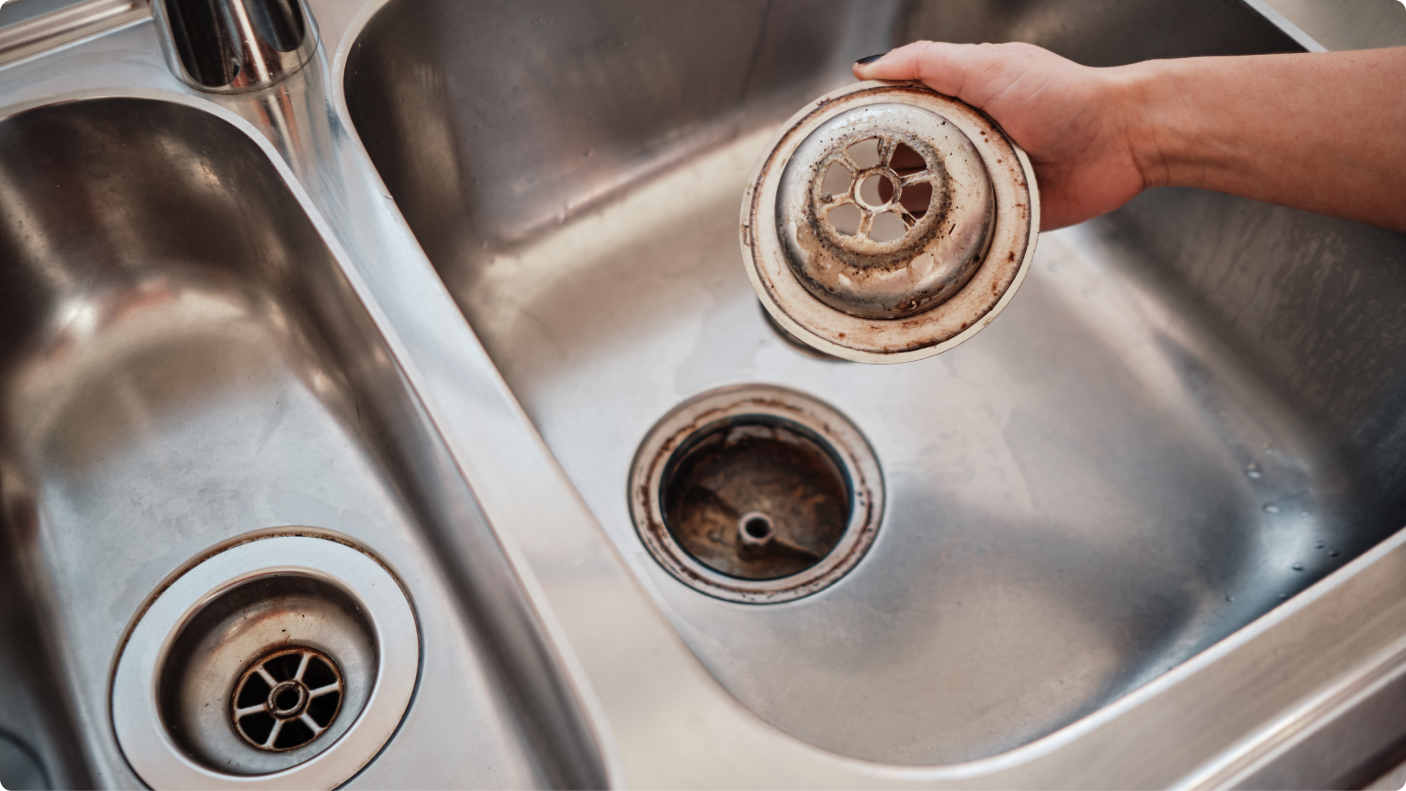
Remove the drain stopper carefully. Use an old toothbrush or small scrub brush. Scrub the stopper and the drain opening to remove buildup. Use dish soap or a mild cleaner for better results. Rinse everything thoroughly before placing the stopper back.
Applying Citrus Fresheners
Citrus fruits like lemons and oranges help neutralize odors. Cut a lemon or orange peel into small pieces. Drop the peels into the drain. Let them sit for a few minutes to freshen the air. You can also squeeze lemon juice down the drain for extra freshness.
Natural Remedies For Persistent Odors
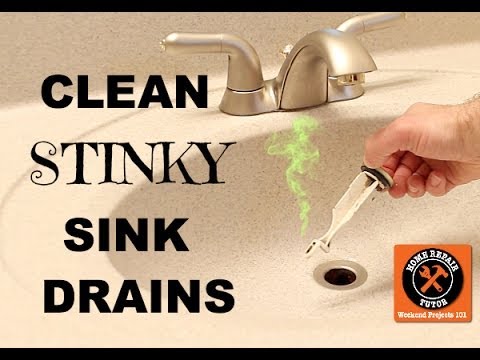
Persistent odors from a kitchen sink drain can be tough to remove. Chemical cleaners may harm pipes and the environment. Natural remedies offer safe and effective solutions. These methods break down odor-causing buildup without harsh ingredients. They keep your kitchen fresh and clean.
Enzyme Cleaners
Enzyme cleaners contain natural bacteria and enzymes. These break down grease, food scraps, and waste in the drain. Using them regularly prevents smelly buildup. Pour the cleaner into the drain and wait as it works. Enzyme cleaners are gentle and safe for all pipes.
Essential Oils
Essential oils add a fresh scent and fight bacteria. Lemon, tea tree, and peppermint oils work well. Mix a few drops with baking soda or vinegar. Pour the mixture down the drain to deodorize and clean. Essential oils leave a lasting, pleasant smell in your kitchen.
Activated Charcoal
Activated charcoal absorbs odors and toxins naturally. Place a small pouch or container near the sink drain. It traps bad smells before they spread. Replace the charcoal every few months for best results. This method is odor-free and non-toxic for your home.
Preventive Tips To Keep Drains Fresh
Keeping kitchen sink drains fresh starts with good habits. Preventive care stops bad smells before they begin. Simple steps help maintain a clean, odor-free drain. These tips save time and keep your kitchen pleasant.
Regular Cleaning Schedule
Clean your drain at least once a week. Use mild soap and hot water to rinse. This removes food particles and buildup. Avoid harsh chemicals that can damage pipes. Regular cleaning prevents odor-causing bacteria growth.
Avoiding Grease Disposal
Never pour grease down the drain. Grease hardens and clogs pipes. Use a container to collect grease instead. Throw cooled grease in the trash. This keeps drains clear and odor-free.
Proper Waste Disposal
Scrape food scraps into the trash before washing dishes. Avoid putting large bits of food in the sink. Use a drain strainer to catch debris. Proper waste disposal reduces drain blockages and smells.
Maintaining Moisture In P-trap
The P-trap holds water to block sewer gases. If dry, bad smells escape into your kitchen. Run water through the sink regularly to keep it moist. Pour a little water if the sink is unused for days. Moisture in the P-trap stops odors effectively.
When To Call A Professional
Knowing when to call a professional is important for fixing bad smells in your kitchen sink drain. Some problems need expert help to avoid bigger issues. Calling a plumber early can save time and money.
Not all smells mean you need a professional. But some signs show the problem is serious. Watch for these signs to decide if it’s time to call a plumber.
Signs Of Drain Blockage
Water drains slowly or backs up in the sink. You hear gurgling sounds from the drain. Water may pool around the sink base. These signs often mean a blockage inside the pipes. A plumber can clear blockages safely and fully.
Persistent Smells After Cleaning
You clean the drain with baking soda or vinegar, but the smell stays. Over-the-counter cleaners do not work anymore. Persistent bad smells may hide deep inside pipes. A professional can find the source and fix it properly.
Potential Plumbing Issues
Leaks or puddles appear under the sink. Pipes look damaged or corroded. You notice mold or mildew near the drain area. These problems can cause bad smells and need plumbing repairs. A plumber can inspect and replace faulty parts.
Frequently Asked Questions
How Do I Remove Bad Smell From Kitchen Sink Drain?
Pour a mix of baking soda and vinegar down the drain. Let it sit for 15 minutes, then flush with hot water. This natural method breaks down odor-causing buildup and refreshes the drain effectively.
Why Does My Kitchen Sink Drain Smell Bad?
Bad smells often come from food debris, grease, and bacteria buildup in the drain. Standing water in the trap can also cause odors. Regular cleaning prevents these smells by removing the sources of odor.
Can Lemon Help Eliminate Kitchen Sink Drain Odor?
Yes, lemon juice or lemon peels can neutralize odors and leave a fresh scent. Pour lemon juice down the drain or rub peels around the sink to combat bad smells naturally.
How Often Should I Clean My Kitchen Sink Drain?
Clean your kitchen sink drain at least once a week to prevent odors. Regular maintenance stops buildup of food particles and bacteria, keeping your drain fresh and odor-free.
Conclusion
Bad smells from the kitchen sink drain can be annoying. Cleaning the drain regularly helps keep odors away. Simple home remedies like baking soda and vinegar work well. Avoid pouring grease or food waste down the drain. Good habits prevent bad smells from coming back.
A fresh-smelling kitchen feels clean and welcoming. Try these easy steps to enjoy a pleasant kitchen space. Keep your sink drain fresh and smell-free every day.