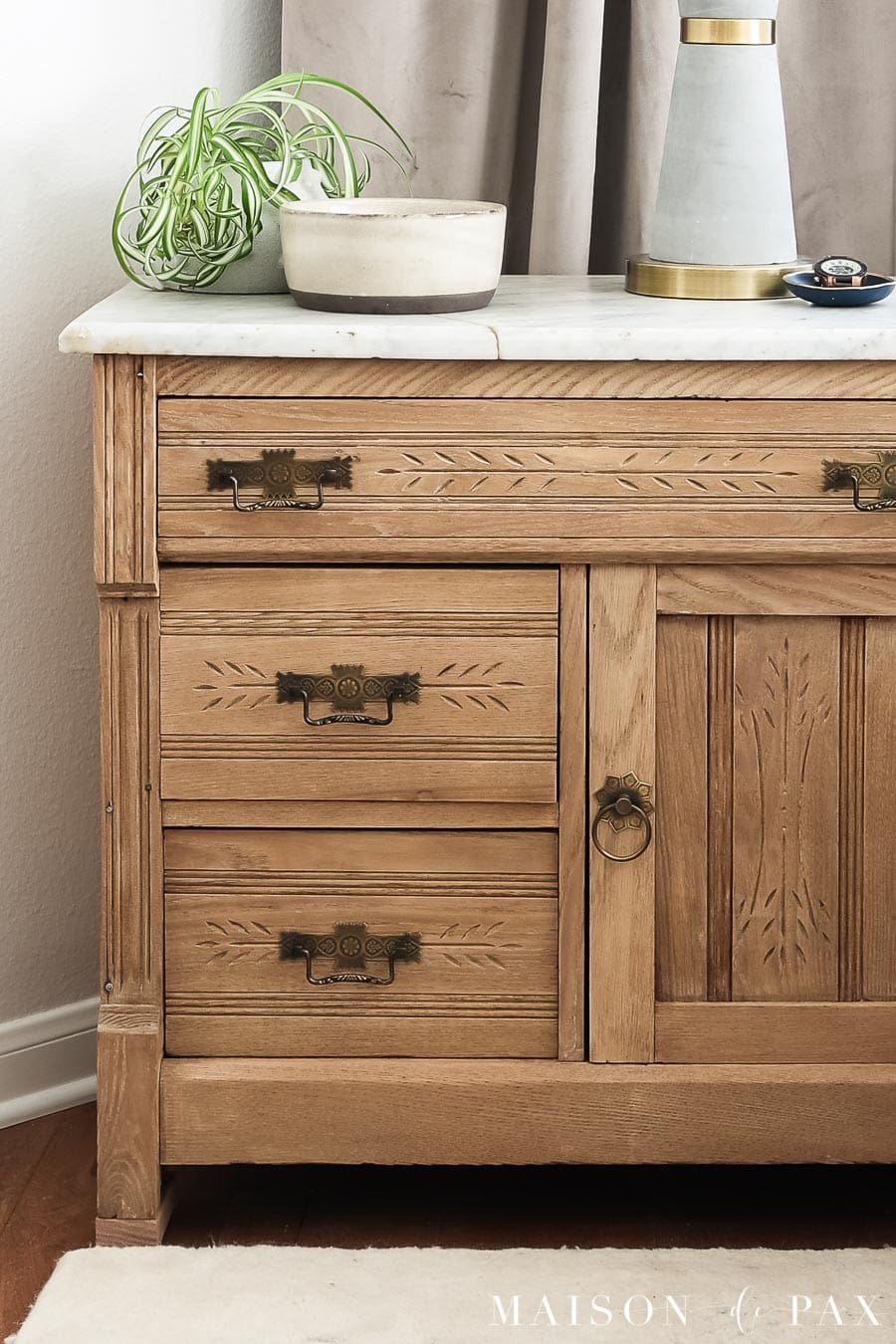
Are you staring at an old piece of furniture, wondering how to bring it back to life without spending a fortune? What if the secret to a stunning makeover was already sitting in your kitchen?
Using oven cleaner to refinish furniture might sound unusual, but it’s a simple trick that can save you time and effort. You’ll discover how to strip away old finishes safely and reveal the fresh wood beneath. Keep reading—you’re just a few steps away from transforming your furniture into something you’ll love again.
Choosing The Right Furniture
Choosing the right furniture is key to a successful refinishing project with oven cleaner. Not all pieces respond well to this method. Picking the correct furniture helps avoid damage and saves time. Understanding which types work best and which to avoid makes the process easier.
Types That Work Best
Solid wood furniture stands out as the best choice for oven cleaner refinishing. Pieces made from oak, maple, or pine handle the cleaner well. These woods have sturdy finishes that oven cleaner can strip effectively. Older, worn furniture with thick paint or varnish also responds nicely. Avoid furniture with veneers or laminate surfaces. They often peel or warp under harsh chemicals.
Avoiding Delicate Pieces
Furniture with delicate or soft wood needs caution. Mahogany and cherry wood may get damaged easily. Antique items often have fragile finishes that oven cleaner can ruin. Upholstered furniture or pieces with glued joints can weaken. Avoid anything with intricate inlays or carvings. These details can get harmed during the cleaning process. Choose durable pieces to ensure good results and safety.
Gathering Materials
Before you start refinishing furniture with oven cleaner, gather all the materials. Having everything ready saves time and helps you work safely. This step also makes the process smoother and more efficient. Below are the key items you need for a successful project.
Essential Tools
First, get a can of oven cleaner with a strong formula. You will also need a plastic scraper to remove old finish. Soft cloths or rags are useful for wiping surfaces. A bucket of warm water helps rinse the furniture. Sandpaper in different grits smooths the wood after cleaning. Lastly, prepare a brush to apply the cleaner evenly.
Safety Gear To Use
Oven cleaner contains harsh chemicals. Protect your skin with rubber gloves. Wear safety goggles to shield your eyes from splashes. Use a mask to avoid breathing fumes. Work in a well-ventilated area or outside. Dress in old clothes that cover your arms and legs. These steps keep you safe during the refinishing process.
Preparing The Workspace
Preparing your workspace is the first step in refinishing furniture with oven cleaner. A clean, safe area helps the process go smoothly. It also protects your home from damage and keeps you safe from fumes.
Take time to set up before you start. Organize your tools and clear the space. This makes the job easier and faster.
Ventilation Tips
Good airflow is important. Open windows and doors to let fresh air in. Use fans to push air outside. This reduces harmful fumes from oven cleaner. Avoid working in small, closed rooms. Breathe fresh air often during the process. Proper ventilation keeps you safe and comfortable.
Protecting Surfaces
Cover floors and nearby furniture with plastic sheets or old newspapers. Oven cleaner can damage surfaces if it spills. Use painter’s tape to hold covers in place. Protect walls and baseboards too. Wear gloves and old clothes to keep your skin safe. Clean spills quickly to avoid stains. Protecting surfaces saves time and prevents damage.
Applying Oven Cleaner
Applying oven cleaner is a key step in refinishing furniture. It helps strip old paint or finish easily. This process prepares the wood for sanding and refinishing. Follow the steps carefully to get the best results without damaging the wood.
Step-by-step Application
Wear gloves and work in a well-ventilated area. Spray the oven cleaner evenly over the furniture surface. Use enough cleaner to cover all the old finish. Avoid soaking the wood too much to prevent damage. Let the cleaner sit for a few minutes. Use a plastic scraper to gently remove the softened finish. Wipe the surface with a damp cloth to clean residue. Repeat the process on tough spots if needed.
How Long To Wait
Wait about 10 to 15 minutes after applying the cleaner. This time lets the oven cleaner break down the finish. Do not leave the cleaner on too long. Overexposure can harm the wood surface. Check the furniture regularly to see if the finish softens. Adjust the waiting time based on the finish thickness.
Removing Old Finish
Removing the old finish is the first step in refinishing furniture with oven cleaner. It helps reveal the bare wood underneath. This step is important for a smooth and fresh look. Oven cleaner works well to break down old paint or varnish. Using it carefully can save time and effort.
Scraping Techniques
Start by applying oven cleaner to the furniture surface. Let it sit for 15 to 30 minutes to soften the finish. Use a plastic scraper to lift the old finish gently. Avoid metal scrapers to prevent damage to the wood. Work in small sections for better control. Scrape in the direction of the wood grain. Clean off the loosened finish with a cloth as you go.
Cleaning Residue
After scraping, some residue may remain on the wood. Use a damp cloth to wipe off the leftover cleaner and finish. Rinse the cloth often to remove all residue. Allow the wood to dry completely before sanding or staining. Proper cleaning ensures the new finish sticks well. It also prevents uneven patches on the furniture surface.
Sanding The Surface
Sanding the surface is a key step after applying oven cleaner to furniture. It removes old finish and smooths the wood. This step helps the new paint or stain stick better. Proper sanding makes the furniture look fresh and neat. A good sanding job means less work later.
Choosing Sandpaper Grit
Start with coarse sandpaper like 80 or 100 grit. It removes rough spots and old finish fast. After the rough sanding, switch to finer grit like 150 or 220. Fine grit smooths the surface without scratching. Use the right grit for each step to protect the wood.
Sanding Tips For Smoothness
Sand in the direction of the wood grain. This avoids marks and scratches. Use even pressure to keep the surface flat. Clean dust off often to see your progress. Take your time. Smooth wood feels better and looks great under new finish.
Staining And Sealing
Staining and sealing are key steps after cleaning furniture with oven cleaner. Stain brings color and life to bare wood. Sealant protects the wood and stain from damage. Together, they give your furniture a fresh, polished look that lasts.
Picking The Right Stain
Choose a stain that matches your style and wood type. Oil-based stains work well on dense woods. Water-based stains dry faster and clean up easily. Test the stain on a small spot first. This helps you see the true color before applying it everywhere.
Applying Sealant For Protection
Sealant locks in the stain and shields the wood. Polyurethane is popular for its strong finish. Use a brush or cloth to apply sealant evenly. Let each coat dry fully before adding another. Light sanding between coats helps smooth the surface. Proper sealing keeps your furniture safe from spills and wear.

Safety Precautions
Using oven cleaner to refinish furniture can be effective but requires caution. Safety is important to avoid harm and damage. This section covers key safety steps for a smooth project.
Handling Chemicals Safely
Always wear gloves to protect your skin from oven cleaner. Use eye protection, like goggles, to avoid splashes. Work in a well-ventilated area to breathe fresh air. Avoid touching your face during the process. Keep children and pets away from the workspace. Follow the product instructions carefully for safe use. Never mix oven cleaner with other chemicals.
Disposal Of Waste Materials
Dispose of used rags and brushes properly. Place them in a sealed plastic bag to prevent fire risks. Do not pour leftover oven cleaner down the drain. Check local rules for hazardous waste disposal. Clean your tools outside or in a safe area. Store leftover cleaner in its original container, away from heat. Proper disposal protects the environment and your home.
Troubleshooting Common Issues
Refinishing furniture with oven cleaner is simple but can come with small problems. These issues are common and easy to fix. Knowing how to solve them saves time and keeps your project smooth.
Below are common problems and clear steps to fix them. Follow these tips for better results and a smooth finish.
Dealing With Sticky Residue
Sticky residue often comes from oven cleaner left on the wood. It feels tacky and can attract dirt. To remove it, use a damp cloth with warm water. Wipe the surface gently until the residue disappears.
For tough residue, mix mild soap with water. Use a soft sponge to clean the area. Rinse with clean water and dry with a cloth. Avoid harsh scrubbing to protect the wood.
Fixing Uneven Finish
Uneven finish happens if oven cleaner is applied too thick or not spread well. The wood color looks blotchy or patchy. Lightly sand the surface with fine-grit sandpaper. This smooths out rough spots and evens the finish.
After sanding, wipe dust off with a clean cloth. Apply a thin, even coat of oven cleaner again if needed. Let it sit for the right time and wipe clean. Repeat until the finish looks smooth and even.

Frequently Asked Questions
What Is The Best Way To Use Oven Cleaner For Refinishing?
Apply oven cleaner evenly on the furniture surface. Let it sit for 15-30 minutes to dissolve old finish. Then, scrub gently and wipe clean. Always wear gloves and work in a ventilated area for safety.
Can Oven Cleaner Damage Wood Furniture?
Yes, oven cleaner is strong and can damage soft or delicate wood. Test on a small, hidden area first. Use caution to avoid stripping too much finish or causing discoloration.
How Long Should Oven Cleaner Stay On Furniture?
Leave oven cleaner on furniture for 15 to 30 minutes. This time allows it to break down old finishes effectively. Do not exceed 30 minutes to prevent wood damage.
Is Oven Cleaner Safer Than Chemical Strippers?
Oven cleaner is effective but contains harsh chemicals. It’s less toxic than some strippers but still requires gloves and ventilation. Always follow safety instructions carefully when using oven cleaner.
Conclusion
Refinishing furniture with oven cleaner is simple and cost-effective. This method removes old finish quickly and prepares wood for a new look. Always work in a well-ventilated area and wear gloves for safety. Take your time to apply and rinse the cleaner properly.
With patience, your furniture will look fresh and renewed. Try this easy technique for a beautiful result without harsh chemicals. Your old furniture can shine again with just a little effort. Ready to give your pieces a second life?