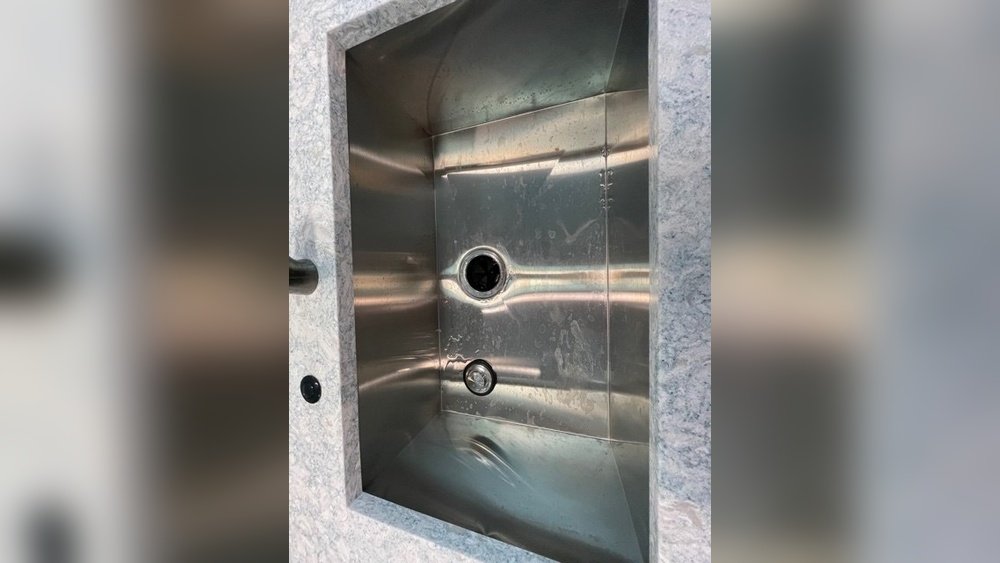
Are you tired of seeing those stubborn water stains ruining the shine of your stainless steel sink? You’re not alone.
Water spots can make even the cleanest sink look dull and neglected. But here’s the good news: preventing these stains is easier than you think. You’ll discover simple, effective tips that keep your sink sparkling and stain-free. Keep reading, and you’ll learn how to protect your stainless steel sink so it stays looking brand new every day.
Causes Of Water Stains
Water stains on stainless steel sinks can be frustrating. They spoil the sink’s shiny look and make cleaning harder. Knowing what causes these stains helps stop them early. The main reasons involve minerals, water quality, and where stains often appear.
Mineral Deposits
Water contains minerals like calcium and magnesium. When water dries on the sink, these minerals stay behind. They form white or cloudy spots. These deposits build up over time. They make the sink look dull and dirty.
Hard Water Effects
Hard water has a high amount of minerals. It causes more stains on stainless steel. Hard water leaves marks that are tough to remove. The minerals react with soap and air, creating spots. These effects make regular cleaning necessary.
Common Staining Areas
Stains often appear around the sink drain and faucet base. Water splashes and sits in these spots. Corners and edges collect more minerals. These areas dry slower, letting stains form easily. Cleaning these parts regularly helps keep the sink bright.
Daily Cleaning Habits
Daily cleaning habits help keep stainless steel sinks free from water stains. Small routines every day protect the sink’s shine and prevent buildup. These easy habits save time and effort later. Consistency is key to a spotless sink.
Rinsing After Use
Rinse the sink with clean water after each use. This removes soap, food particles, and minerals. Leftover residue causes stains and spots. Use warm water to wash away all dirt. A quick rinse keeps the sink fresh and clean.
Drying Techniques
Dry the sink immediately after rinsing. Water droplets left to air dry cause water stains. Use a soft cloth or microfiber towel for drying. Wipe in the direction of the steel grain. This prevents streaks and keeps the surface shiny.
Suitable Cleaning Products
Choose gentle cleaners designed for stainless steel. Harsh chemicals damage the surface and leave marks. Mild dish soap or vinegar solutions work well. Avoid bleach and abrasive scrubbers. Regular use of the right products maintains the sink’s look.
Deep Cleaning Methods
Deep cleaning stainless steel sinks helps stop water stains. Regular cleaning removes buildup and keeps the sink shiny. Using safe and effective methods protects the metal. These deep cleaning tips make your sink look new again.
Vinegar And Baking Soda
Vinegar and baking soda work well together. First, sprinkle baking soda over the sink surface. Then, spray vinegar on top. The mixture fizzes and breaks down stains. Let it sit for 10 minutes. Use a soft cloth or sponge to scrub gently. Rinse with warm water and dry with a towel. This method removes stains and deodorizes the sink.
Commercial Cleaners
Commercial cleaners designed for stainless steel are effective. Choose products that say safe for stainless steel. Follow the instructions on the label carefully. Use a soft cloth to apply the cleaner. Avoid scrubbing too hard to prevent scratches. Rinse the sink well after cleaning. Dry the sink to avoid new water spots.
Avoiding Harsh Chemicals
Harsh chemicals can damage stainless steel surfaces. Avoid bleach, ammonia, and abrasive powders. These can cause dullness and scratches. Stick to mild cleaners or natural solutions. Always test any cleaner on a small area first. Protect your sink by using gentle cleaning methods.

Preventive Maintenance
Preventive maintenance plays a key role in keeping stainless steel sinks free from water stains. Taking small steps regularly can protect your sink’s shine and keep it looking new. This approach saves time and effort in the long run.
Using Water Softeners
Hard water causes stains and mineral build-up on sinks. Water softeners remove these minerals before they reach your sink. Installing a water softener helps reduce water spots and keeps the surface smooth. This simple step protects your sink from damage.
Applying Protective Coatings
Protective coatings create a barrier on the sink surface. These coatings prevent water from sticking and reduce stains. You can use special stainless steel sealants or waxes. Apply them regularly to keep your sink safe and shiny.
Regular Polishing
Polishing your sink removes minor stains and restores shine. Use a soft cloth and a gentle stainless steel polish. Clean and polish the sink once a week for best results. Polishing keeps the surface smooth and stain-free.
Handling Tough Stains
Tough stains on stainless steel sinks need special care. These stains do not go away with normal cleaning. They require the right tools and methods. Proper handling keeps your sink shiny and clean for longer. This section covers scrubbing tools, stain removal techniques, and when to call professionals.
Scrubbing Tools
Choose scrubbing tools carefully to avoid damage. Use soft sponges or cloths instead of rough brushes. A nylon scrub pad works well on tough spots. Avoid steel wool; it can scratch the surface. Use a toothbrush for hard-to-reach corners. Always scrub gently to protect the sink’s finish.
Stain Removal Techniques
Apply baking soda paste on stains for gentle cleaning. Let it sit for a few minutes before scrubbing. White vinegar helps dissolve mineral deposits and water stains. Spray vinegar, wait, then wipe with a soft cloth. Lemon juice also works to brighten stains. Rinse well after each treatment to avoid residue.
When To Call Professionals
Some stains resist home cleaning methods. Deep rust or corrosion needs expert help. Call professionals if stains cover large areas. They use safe chemicals and tools to restore the sink. Avoid harsh products that harm stainless steel. Professionals ensure long-lasting cleaning results without damage.

Design And Installation Tips
Design and installation play a big role in stopping water stains on stainless steel sinks. Thoughtful choices during these stages help keep your sink clean and shiny for longer. Small changes can make a big difference in water flow and drying time.
Sink Positioning
Place your sink where it gets good air flow. Air helps water dry faster and stops stains from forming. Avoid tight corners or areas near walls where water can sit. Position the sink slightly tilted towards the drain. This helps water run off quickly and reduces standing water spots.
Faucet Choices
Choose faucets that direct water carefully. A faucet with a soft, steady stream reduces splashing. Splashing causes water to spread and leave marks. Pick faucets with adjustable heads to control water flow. This limits water hitting unwanted areas of the sink.
Drainage Improvements
Improve drainage by installing a good strainer and drain cover. These keep water flowing freely and stop blockages. Use drains with a slight slope to guide water down fast. Fast drainage means less water stays on the sink surface. This cuts down on water spots and stains.
Frequently Asked Questions
How Can I Stop Water Stains On Stainless Steel Sinks?
Wipe your sink dry after each use to prevent water stains. Use a microfiber cloth for best results. Regular cleaning removes minerals that cause stains. Avoid leaving water droplets to dry on the surface.
What Household Items Remove Water Stains From Sinks?
White vinegar and baking soda work well to remove water stains. Apply vinegar, let it sit, then scrub gently with baking soda. Rinse thoroughly with water and dry with a soft cloth to restore shine.
Are Special Cleaners Needed For Stainless Steel Sinks?
No, many household cleaners work fine. However, use non-abrasive, stainless steel-specific cleaners for tough stains. Avoid bleach or harsh chemicals to prevent damage. Always follow cleaner instructions to maintain your sink’s finish.
How Often Should Stainless Steel Sinks Be Cleaned?
Clean your sink daily or after heavy use to avoid water stains. Weekly deep cleaning with vinegar or stainless steel cleaner keeps the surface spotless. Regular maintenance prolongs the sink’s shine and prevents buildup.
Conclusion
Preventing water stains on stainless steel sinks is simple with the right care. Wipe your sink dry after each use to keep it shiny. Use a soft cloth and mild cleaner to avoid damage. Regular cleaning stops buildup and keeps your sink looking new.
Small habits make a big difference over time. Keep your sink spotless without much effort. Clean sinks look nice and last longer too. Try these tips to enjoy a clean, stain-free sink every day.