If you use a car vacuum, you know how frustrating it is when it suddenly clogs up. Dirt, dust, and debris can block the nozzle and reduce its power, making your cleaning job harder than it should be.
But what if you could stop clogging before it even starts? You’ll discover simple, effective tips to keep your car vacuum running smoothly every time. By following these easy steps, you’ll save time, avoid headaches, and keep your car looking spotless.
Keep reading to learn how to protect your vacuum and enjoy hassle-free cleaning!
Common Causes Of Clogging
Clogging in a car vacuum can stop it from working properly. Understanding what causes clogs helps you keep the vacuum clean. Dirt, liquids, and parts of the vacuum itself can block the airflow. Avoiding these problems saves time and keeps the vacuum strong.
Debris Types That Block Vacuums
Car vacuums pick up many kinds of dirt. Small stones, leaves, and food crumbs often cause blockages. Hair and string can wrap around the brush or inside the hose. Hard objects can scratch or damage the vacuum parts. Picking up only dry, loose dirt helps prevent clogs.
Impact Of Wet Materials
Vacuuming wet or sticky things causes serious problems. Liquids can soak the filter and create a blockage. Mud and wet leaves clump and stop airflow. Wet messes can also cause mold or bad smells inside the vacuum. Use a separate wet/dry vacuum for liquids to avoid damage.
Filter And Hose Issues
Filters trap dust but can get full quickly. A dirty filter reduces suction and causes the motor to overheat. Cracks or holes in the hose let air escape, lowering power. Twists or kinks in the hose block dirt flow. Check and clean filters and hoses often for smooth vacuum work.

Choosing The Right Vacuum
Choosing the right vacuum for your car is key to avoid clogging. A good vacuum cleans well and lasts longer. It saves time and keeps your car neat. Picking the correct model helps keep dirt and debris from blocking the machine. Consider features, suction power, and filters to find the best fit for your needs.
Features To Look For
Pick a vacuum with a narrow nozzle to reach tight spaces. A long cord or cordless design offers better movement. Lightweight models reduce hand fatigue during cleaning. Check for a detachable hose for easy cleaning. A large dust container means fewer stops to empty it. These features make cleaning easier and prevent blockages.
Benefits Of High Suction Power
Strong suction pulls out more dirt and small particles. It stops debris from building up inside the vacuum. High power works well on all surfaces, including carpets and mats. It cleans faster, saving your time. A vacuum with weak suction may leave dirt behind, causing clogs later.
Importance Of Quality Filters
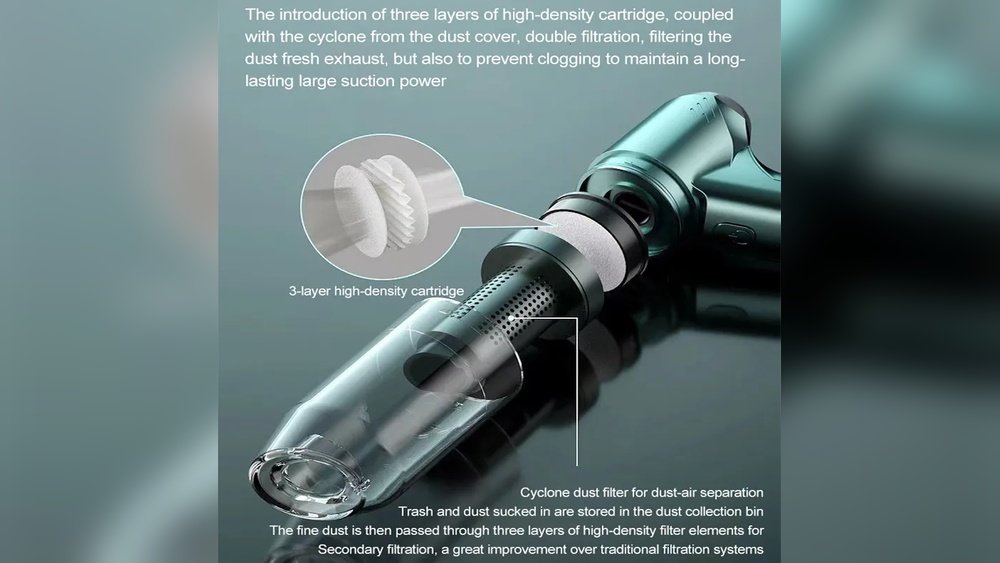
Filters trap dust and tiny particles before they reach the motor. Good filters protect the vacuum from damage and clogging. HEPA filters capture allergens, improving air quality inside the car. Washable filters are easy to maintain and reuse. Replace filters regularly to keep the vacuum working well.
Proper Usage Techniques
Using your car vacuum correctly helps avoid clogs and keeps it working well. Proper techniques extend the vacuum’s life and improve cleaning power. Learn how to use the vacuum right with these simple tips.
Avoiding Overloading The Vacuum
Do not fill the vacuum bag or container too fast. Overloading blocks air flow and causes clogs. Empty the container often during cleaning. Large debris should be picked up by hand first. This prevents jams and keeps suction strong.
Best Practices For Different Surfaces
Use the right vacuum setting for each surface. Hard floors need less suction than carpets. Use soft brushes on delicate areas to avoid damage. Move the vacuum slowly on thick carpets. This helps pick up more dirt without strain.
Regular Cleaning Habits
Clean filters and brushes after every use. Remove hair and debris from the brush roll. Check hoses for blockages regularly. Clean or replace filters as the manual suggests. These habits stop clogs before they start and keep the vacuum ready.
Maintenance Tips To Prevent Clogs
Keeping your car vacuum clean and working well means regular maintenance. Simple care steps stop clogs before they start. This saves time and keeps the vacuum strong for every use.
Cleaning And Replacing Filters
Filters catch dust and dirt in the vacuum. Clean them often to avoid blockages. Rinse washable filters with water and let them dry fully. Replace non-washable filters as the manual says. Clean filters improve air flow and suction power.
Inspecting And Clearing Hoses
Check hoses for trapped debris or small objects. Remove any blockages by gently pushing them out. Use a long brush or a flexible stick for stuck dirt. Clear hoses let air pass freely and stop clogs from forming inside.
Storing The Vacuum Properly
Store the vacuum in a dry, cool spot. Avoid places with dust or moisture buildup. Coil hoses loosely to prevent bending or cracking. Proper storage keeps parts safe and reduces dirt buildup inside the vacuum.
Troubleshooting Clogs
Clogs in a car vacuum can stop it from working well. Troubleshooting clogs quickly helps keep your vacuum running smoothly. This section explains how to find and fix blockages. Follow simple steps to clear clogs and know when to ask for help.
Identifying Blockage Locations
Start by checking the hose. Small debris often gets stuck there. Next, look inside the vacuum nozzle. Dirt can build up and block airflow. Check the dust container or bag. Overfilled containers cause clogs too. Inspect the filter for dirt and dust. A dirty filter may reduce suction power.
Safe Methods To Clear Clogs
Turn off and unplug the vacuum first. Remove the hose and shake out debris. Use a long, flexible brush to reach inside tubes. Avoid sharp tools that may damage parts. Clean or replace the filter as needed. Empty the dust container to prevent blockages. Reassemble parts carefully after cleaning.
When To Seek Professional Help
Seek help if the vacuum still clogs after cleaning. Strange noises or no suction may signal a deeper problem. Avoid forcing parts open, which may cause damage. Professionals can find hidden blockages and fix motor issues. Regular service extends your vacuum’s life and performance.

Frequently Asked Questions
How Can I Avoid Clogging In A Car Vacuum?
Regularly empty the vacuum’s dust container to prevent buildup. Clean or replace filters often. Avoid vacuuming large debris that can block the hose or nozzle.
What Causes A Car Vacuum To Clog Frequently?
Clogs happen due to debris like leaves, hair, or large particles. Poor filter maintenance and ignoring hose blockages also lead to frequent clogs.
How Often Should I Clean My Car Vacuum Filter?
Clean the filter after every few uses or when suction weakens. Regular cleaning improves airflow and prevents dust accumulation that causes clogs.
Can Vacuuming Wet Debris Cause Clogging?
Yes, vacuuming wet debris can cause clogs and damage the vacuum. Use a wet/dry vacuum designed for liquids to avoid issues.
Conclusion
Preventing clogging in a car vacuum keeps it working well longer. Clean the filters and empty the dust container often. Avoid sucking large debris or liquids that block the hose. Use the right attachments for different surfaces. Check the vacuum for blockages regularly.
Taking these simple steps saves time and money. A clean vacuum means a cleaner car too. Small habits make a big difference in vacuum care. Keep your vacuum ready to use anytime without trouble.