Tangled pool vacuum hoses can turn your simple cleaning task into a frustrating mess. If you’ve ever struggled with knots and twists that slow down your pool maintenance, you know how annoying it can be.
But what if you could stop those tangles before they even start? You’ll discover easy and effective tips to keep your pool vacuum hose straight and tangle-free. By the time you finish reading, you’ll save time, avoid headaches, and enjoy a smoother cleaning experience every time you take care of your pool.
Ready to make your pool cleaning hassle-free? Let’s dive in!

Causes Of Hose Tangling
A pool vacuum hose tangling can cause frustration and waste time. Understanding what causes tangling helps prevent it. Several factors play a role in how and why hoses get tangled.
Common Hose Materials
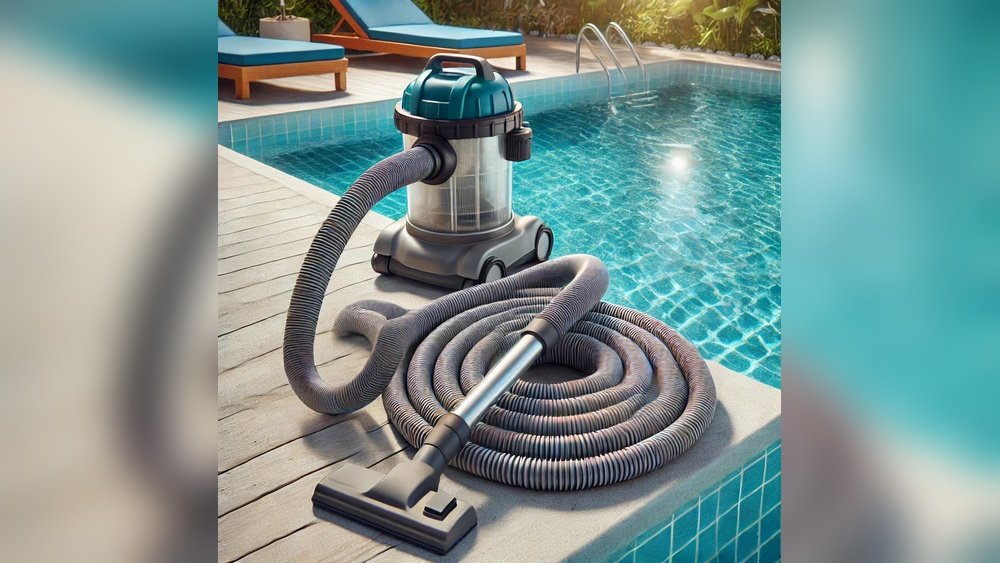
Pool vacuum hoses are often made from flexible plastic or rubber. These materials can twist and bend easily. Thin hoses tend to tangle more because they are less rigid. Some hoses have ridges that catch on themselves, causing knots.
Pool Vacuum Movements
The vacuum moves around the pool floor and walls. This motion can make the hose twist and loop. Sharp turns increase the chance of tangling. The more the hose moves, the more it can coil up.
Storage Practices
How you store the hose affects tangling. Throwing it in a pile causes knots. Wrapping it tightly in one spot leads to bends and twists. Proper coiling and hanging reduce the risk of tangling.
Choosing The Right Hose
Choosing the right pool vacuum hose helps prevent tangling and improves cleaning. The hose type affects flexibility, length, and durability. These factors impact how easily the hose moves and untangles during use. Picking a hose that suits your pool size and vacuum style makes cleaning easier and faster.
Flexible Vs Rigid Hoses
Flexible hoses bend easily and adapt to pool shapes. They reduce kinks and knots but may wear out faster. Rigid hoses hold their shape well and resist crushing. They are less likely to tangle but might be harder to maneuver in tight spots. Choose based on your pool layout and how much bending the hose needs.
Length Considerations
Short hoses tangle less but limit vacuum reach. Long hoses cover large pools but can twist and knot. Measure your pool size before buying a hose. Select one that reaches all corners without excess length. Avoid extra hose that can loop and cause tangles during cleaning.
Durability Factors
Durable hoses resist cracks, tears, and UV damage. Look for hoses made with strong materials like reinforced vinyl. Durable hoses last longer and keep their shape better. This reduces tangling caused by worn or damaged sections. A tough hose saves money and time on replacements.
Proper Hose Setup
Setting up your pool vacuum hose correctly helps stop tangles. Proper hose setup makes cleaning easier and faster. It also extends the life of your hose. Follow these simple steps for the best results.
Connecting Hose Sections
Connect hose sections tightly to avoid leaks. Push each section firmly until it clicks. Check all connections before starting the vacuum. Loose joints cause tangles and reduce suction power.
Avoiding Sharp Bends
Keep the hose smooth and straight as much as possible. Sharp bends cause kinks and block water flow. Gently curve the hose around corners to prevent damage. Smooth hoses move better and last longer.
Securing Hose Ends
Secure the hose ends firmly to the vacuum and pool wall. Use clips or weights to keep the hose in place. Loose ends can twist and create tangles quickly. A fixed hose stays organized and works well.
Effective Storage Techniques
Proper storage of your pool vacuum hose keeps it neat and tangle-free. Effective storage techniques save time and extend the hose’s life. These methods make your pool cleaning easier and more efficient.
Coiling Methods
Coil the hose in large, loose loops to avoid kinks. Avoid tight coils that cause bends and damage. Start coiling from one end, keeping the hose flat on the ground. Use the natural curve of the hose to guide your loops. This method reduces tangling and keeps the hose ready to use.
Using Hose Reels
Hose reels provide organized and space-saving storage. They keep the hose off the ground and prevent twisting. Choose a reel that fits your hose length and size. Wind the hose slowly on the reel to avoid tangles. Hose reels also protect the hose from sunlight and dirt.
Drying Before Storage
Dry the hose completely before storing it away. Moisture inside the hose can cause mold and damage. Lay the hose in the sun or hang it to drain water. Dry hoses are less likely to stick or tangle when stored. This simple step helps keep your hose in good condition longer.
Routine Maintenance Tips
Routine maintenance keeps your pool vacuum hose working well and tangle-free. Regular care prevents small issues from becoming big problems. A few simple steps help your hose last longer and clean better.
Inspecting For Damage
Check the hose regularly for cracks or holes. Small damage can cause leaks and reduce suction power. Look for weak spots where the hose bends or twists. Replace the hose if damage is severe to avoid tangles.
Cleaning The Hose
Rinse the hose with clean water after each use. Dirt and debris inside the hose can cause blockages and twisting. Use a flexible brush to remove stubborn dirt. Keep the hose free from buildup to ensure smooth operation.
Replacing Worn Parts
Hose connectors and cuffs wear out over time. Worn parts cause leaks and make the hose harder to handle. Replace these parts as soon as you notice wear. Using fresh parts keeps the hose flexible and easy to move around.

Using Accessories To Prevent Tangles
Using accessories helps stop your pool vacuum hose from tangling. These tools keep the hose moving smoothly. They reduce twists and knots. This makes pool cleaning easier and faster. Accessories fit well with most hoses and vacuums.
Swivel Connectors
Swivel connectors attach to the hose ends. They allow the hose to turn freely. This stops the hose from twisting and tangling. Swivels make vacuuming easier around corners and curves. They also protect the hose from damage caused by tight bends.
Weight Attachments
Weight attachments hold the hose down underwater. They keep the hose straight and in place. Weighted hoses do not float or drift on the water. This prevents the hose from looping or twisting. Weights are simple to add and remove as needed.
Hose Guides
Hose guides help direct the hose along the pool edge. They stop the hose from snagging on steps or ladders. Guides keep the hose on a smooth path. This reduces the chance of tangling or kinking. Hose guides are easy to install and adjust.
Troubleshooting Tangling Issues
Tangling pool vacuum hoses can cause frustration and reduce cleaning efficiency. Solving this problem requires careful observation and small changes. This section helps you find the cause of tangles and fix them quickly. Keep your pool vacuum working smoothly with these simple tips.
Identifying Problem Areas
Start by watching where your hose bends or loops often. These spots cause the hose to twist and knot. Check near corners, stairs, and pool edges. Notice if the hose drags on rough surfaces. Rough areas can damage and tangle the hose. Mark these problem areas for adjustment.
Adjusting Vacuum Path
Change your vacuum’s route to avoid sharp turns. Use wide, smooth curves instead of tight bends. Move obstacles like pool toys or plants that block the hose. Keep the hose straight or gently curved during cleaning. This helps prevent twists and knots.
When To Replace Hose
Check your hose regularly for cracks or holes. Old hoses become stiff and tangle more easily. If the hose kinks or doesn’t lay flat, it might be time to replace it. A new hose improves cleaning and reduces tangling problems. Replace the hose every few years for best results.
Frequently Asked Questions
How Can I Stop My Pool Vacuum Hose From Tangling?
To prevent tangling, fully extend the hose before use. Coil it loosely after cleaning. Avoid sharp bends and store it in a shaded area to maintain flexibility.
Why Does My Pool Vacuum Hose Keep Twisting?
Hoses twist due to improper handling and tight storage. Twisting occurs when hoses are coiled too tightly or bent sharply. Properly extending and loosely coiling helps reduce twisting significantly.
What’s The Best Way To Store A Pool Vacuum Hose?
Store the hose loosely coiled in a cool, shaded area. Avoid direct sunlight to prevent stiffness. Hanging the hose or using a reel can also prevent tangles.
Can Hose Length Affect Vacuum Hose Tangling?
Yes, longer hoses are more prone to tangling. Using the shortest effective hose length reduces tangling. Always fully extend the hose before operation for smooth use.
Conclusion
Preventing your pool vacuum hose from tangling saves time and effort. Keep the hose straight and avoid sharp bends. Store it properly after each use. Check for twists before starting the vacuum. Using hose weights can help keep it steady.
Regular care extends the hose’s life and improves cleaning. A tangle-free hose makes pool maintenance easier and faster. Simple steps lead to better pool cleaning results every time.