Potty training your puppy can feel overwhelming, but it doesn’t have to be. Imagine having a happy, well-trained dog who knows exactly where to go when nature calls.
You can make that happen with the right steps and a little patience. In this guide, you’ll discover simple, effective methods to teach your puppy good bathroom habits quickly. Stick with me, and you’ll turn those messy accidents into confident, clean routines in no time.
Ready to get started? Let’s dive in!
Preparing For Potty Training
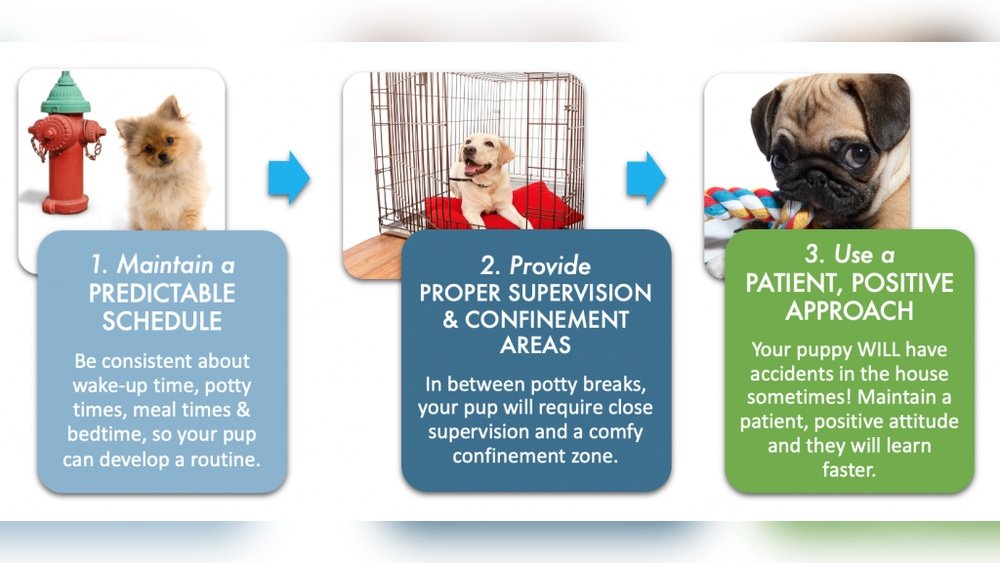
Preparing for potty training is the first step to a clean home and a happy puppy. It sets the tone for the whole process. Taking time to get ready helps you avoid frustration later. Start with the right tools, plan your day, and pick a good spot for your puppy to go. These simple actions make training easier for both of you.
Choosing The Right Supplies
Pick supplies that fit your puppy’s needs. Puppy pads help inside accidents. A leash keeps your puppy close outside. Choose cleaning products that remove odors well. This stops your puppy from returning to the same spot. Have treats ready to reward good behavior. These supplies support training and keep your space fresh.
Setting A Consistent Schedule
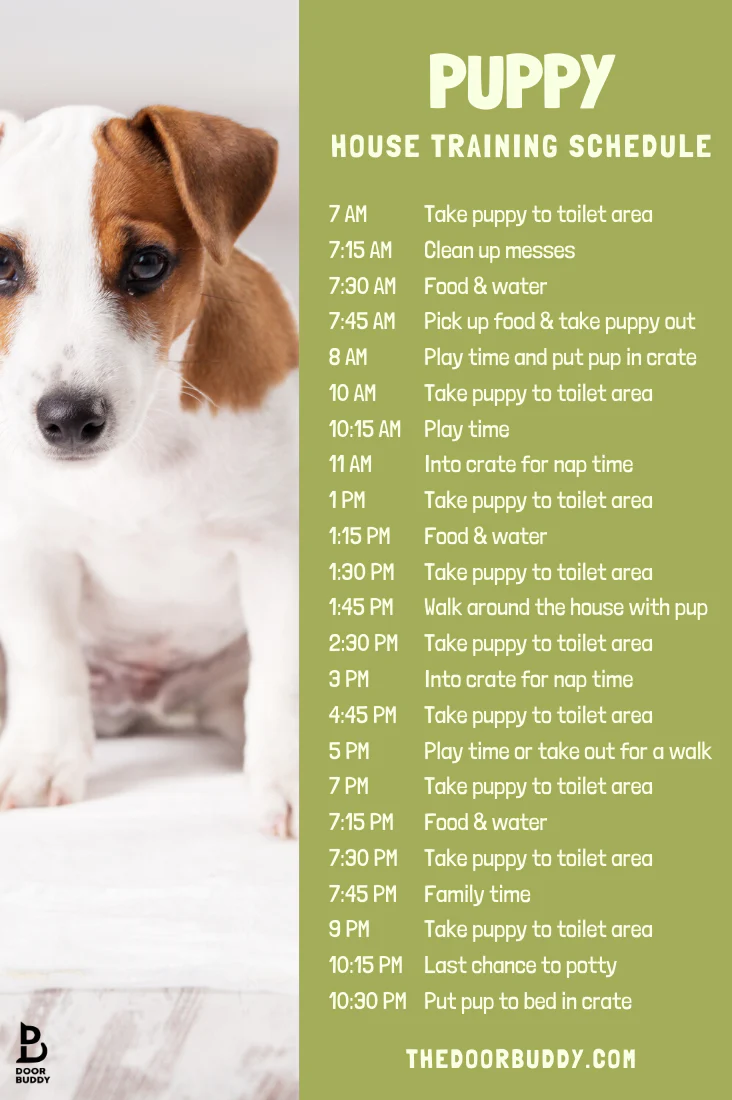
Make a daily routine for potty breaks. Take your puppy out first thing in the morning. Regular intervals help your puppy learn when to go. Puppies need to go after eating or playing. Keep the schedule the same every day. Consistency builds good habits fast.
Selecting A Potty Area
Choose a quiet, easy-to-reach spot for your puppy. Outside areas near the house work best. This helps your puppy remember the place. Avoid busy or noisy spots that scare your puppy. Use the same spot every time. It helps your puppy learn and feel safe.
Establishing A Routine
Establishing a routine is key to potty training your puppy. Puppies learn best with a clear schedule. A consistent routine helps them understand when and where to go. It also builds good habits early on.
Frequent Potty Breaks
Take your puppy outside often. Puppies have small bladders and need frequent breaks. After eating, playing, or waking up are perfect times. Regular trips prevent accidents inside the house. Set a timer if needed to remind yourself.
Recognizing Signs
Watch your puppy closely for signs they need to go. Sniffing, circling, or whining often mean they need a potty break. Acting restless can also be a clue. Catching these signs early helps avoid messes. Respond quickly to guide them outside.
Using Commands
Choose a simple command like “go potty.” Use it every time you take your puppy outside. Repeat the command until they associate it with the action. Praise and reward them immediately after they go. Commands help puppies understand what you want.
Positive Reinforcement Techniques
Positive reinforcement helps puppies learn good habits quickly. It builds trust and makes training fun for your puppy. This technique uses rewards to encourage the puppy to repeat good behavior. It avoids fear and confusion. Puppies respond well to kindness and clear signals.
Rewarding Success
Always reward your puppy right after they potty outside. This helps them connect the action with the reward. Use happy words and gentle petting to show you are pleased. Praise makes the puppy feel proud and excited to repeat the behavior.
Avoiding Punishment
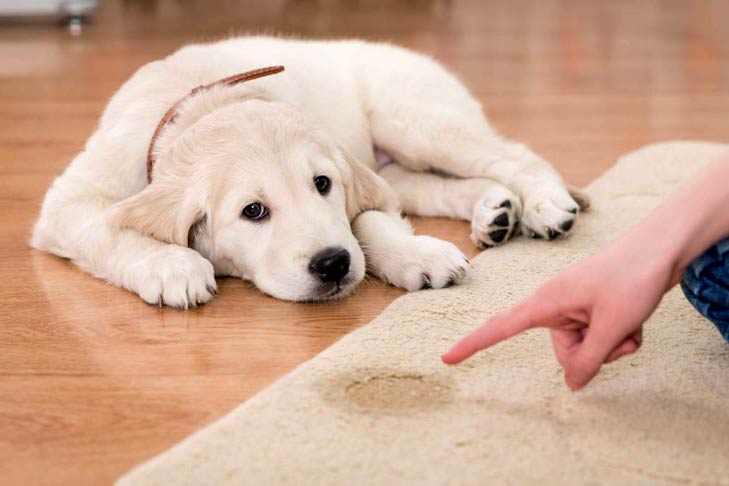
Never punish your puppy for accidents. Punishment creates fear and slows learning. It may cause your puppy to hide when they need to go. Stay calm and clean up accidents quietly. Focus on praising the puppy when they do well instead.
Using Treats And Praise
Give small treats immediately after your puppy potties outside. Use soft, tasty treats your puppy loves. Combine treats with happy words like “Good job!” or “Well done!” This mix of food and praise strengthens the good habit. Over time, your puppy will learn to potty in the right place.
Handling Accidents
Accidents happen when potty training a puppy. It is normal and part of learning. How you handle these accidents can affect your puppy’s progress and mood. Staying calm and consistent helps your puppy learn faster. Here are some tips to handle accidents well.
Cleaning Properly
Clean accidents quickly to remove all smells. Use an enzymatic cleaner made for pet messes. Regular cleaners may not remove the scent fully. If your puppy smells urine, it may go there again. Avoid using ammonia-based cleaners. They smell like urine to dogs and attract them back.
Staying Patient
Be patient with your puppy. They do not understand right and wrong yet. Scolding or punishing can confuse or scare them. Praise your puppy when they go outside. Gentle encouragement helps build good habits. Remember, learning takes time and many tries.
Learning From Mistakes
Watch your puppy’s signs before accidents happen. Squatting, sniffing, or restlessness means they need to go. Take your puppy out often, especially after eating or waking up. Use these moments to guide them outside. Each accident teaches you how to improve your routine.
Crate Training Benefits
Crate training offers many benefits for potty training a puppy. It helps your puppy learn where to go potty. The crate becomes a safe space for your dog. It also controls accidents inside the house. This method encourages good habits and quick learning.
Choosing The Right Crate
Select a crate that fits your puppy well. It should be big enough to stand and turn around. Not too large, or your puppy may potty inside. Choose a crate made of durable material. Look for good ventilation and easy cleaning features.
Introducing The Crate
Make the crate inviting and cozy. Place soft bedding inside for comfort. Let your puppy explore the crate without pressure. Use treats and toys to create positive feelings. Keep the crate door open at first. Close it only for short times, then increase slowly.
Using Crate For Potty Control
Use the crate to teach your puppy bladder control. Puppies avoid soiling their sleeping space. Take your puppy outside right after crate time. Praise and reward your puppy for pottying outside. Keep a consistent schedule for crate breaks. This routine helps prevent accidents indoors.
Adjusting As Your Puppy Grows
Potty training a puppy is not a one-time task. It changes as your puppy grows. You will need to adjust your methods to fit your puppy’s changing needs. This helps your puppy learn faster and keeps accidents low. Understanding these changes makes training smoother for both of you.
Reducing Potty Breaks
Young puppies need frequent potty breaks. Their bladders are small and can’t hold much. As your puppy gets older, it can hold urine longer. Slowly reduce the number of potty breaks each day. Watch your puppy’s signals to avoid accidents. This helps your puppy learn self-control step by step.
Increasing Independence
Independence grows with age. Let your puppy explore the potty area alone sometimes. Teach it to ask for potty breaks by using simple signals. Avoid carrying your puppy all the time. Allow it to walk and find the right spot. This builds confidence and encourages good habits.
Maintaining Consistency
Consistency remains key throughout training. Use the same words and routines daily. Stick to the same potty spots to avoid confusion. Praise your puppy for good behavior every time. Consistent rules and rewards help your puppy understand what you expect. This reduces mistakes and speeds up learning.
Frequently Asked Questions
How Long Does Puppy Potty Training Usually Take?
Puppy potty training typically takes 4 to 6 weeks with consistent effort. Patience and routine are key. Puppies learn best through positive reinforcement and frequent outdoor breaks.
What Is The Best Time To Start Potty Training A Puppy?
Start potty training as soon as you bring your puppy home. Early training helps establish good habits quickly. Puppies respond well to consistent schedules from the beginning.
How Often Should I Take My Puppy Outside To Potty?
Take your puppy outside every 1 to 2 hours initially. Frequent trips reduce accidents and build routine. Always reward your puppy immediately after they potty outdoors.
What Are Common Potty Training Mistakes To Avoid?
Avoid punishing accidents, inconsistent schedules, and neglecting supervision. These errors confuse puppies and slow progress. Positive reinforcement and patience lead to successful potty training.
Conclusion
Potty training a puppy takes patience and consistency. Keep routines simple and clear for your puppy. Praise good behavior to encourage learning. Watch for signs your puppy needs to go outside. Small accidents are normal—stay calm and keep trying. Training builds trust and helps your puppy grow.
Enjoy this special time with your new friend. Soon, your puppy will understand where to go. A well-trained puppy makes life easier for everyone. Keep practicing daily, and success will follow.