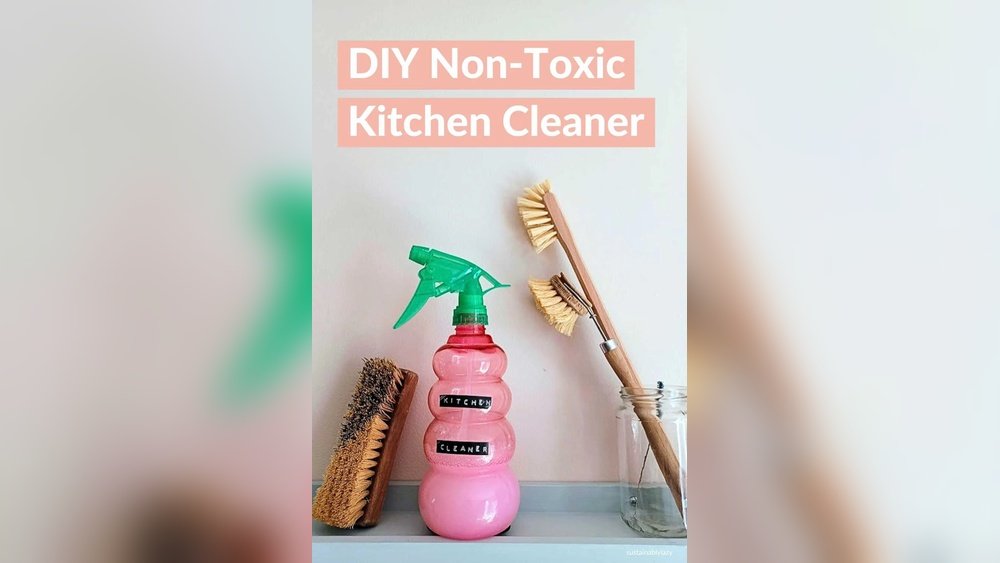
Are you tired of using kitchen cleaners full of harsh chemicals that leave your space smelling artificial? Imagine having a simple, safe cleaner made from ingredients you already have at home—one that works just as well, if not better.
Making your own kitchen cleaner is easier than you think, and it puts you in full control of what touches your countertops and dishes. Keep reading, and you’ll discover a quick, effective way to create a homemade kitchen cleaner that saves you money and keeps your kitchen fresh and spotless.
Your kitchen—and your family—will thank you.
Benefits Of Homemade Cleaners
Making your own kitchen cleaner at home has many advantages. It is simple and lets you control what goes into the cleaner. Homemade cleaners work well without harsh chemicals. They help protect your health, save money, and reduce waste.
Cost Savings
Homemade cleaners use common ingredients like vinegar and baking soda. These items cost less than store-bought cleaners. A small amount can clean many areas. You buy less plastic bottles and fewer products.
Safety For Family And Pets
Store cleaners can have strong chemicals. These may harm children or pets. Homemade cleaners use natural ingredients that are gentle. They reduce risks of allergies and poisoning. You keep your home safer for everyone.
Environmental Impact
Homemade cleaners reduce plastic waste from store bottles. Natural ingredients break down easily in the environment. They do not add harmful toxins to water or soil. You help protect nature by choosing homemade cleaning options.

Essential Ingredients
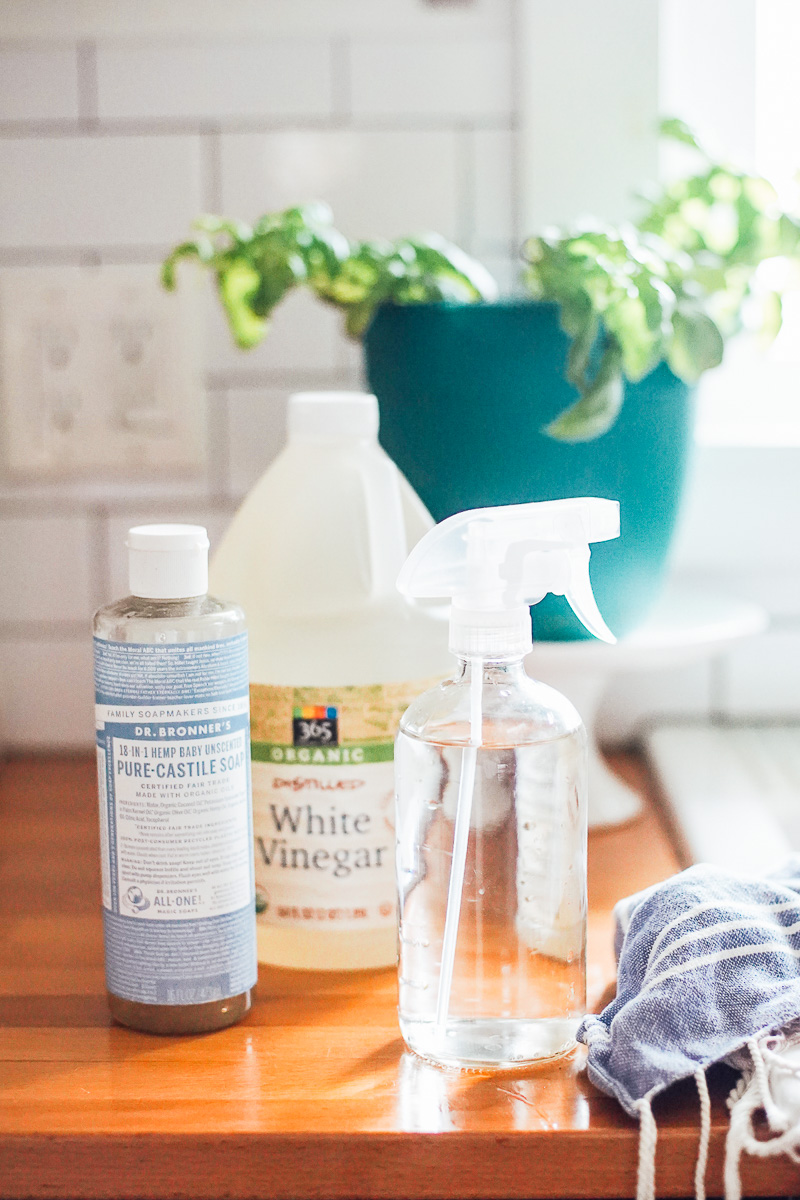
Making your own kitchen cleaner is easy and safe. You only need a few simple ingredients found in most homes. These natural items clean well without harsh chemicals. They keep your kitchen fresh and healthy.
Vinegar
Vinegar is a powerful cleaner. It breaks down grease and removes stains. Its acidic nature kills many germs. Use white vinegar for the best results. It works great on countertops and sinks.
Baking Soda
Baking soda is a gentle scrubber. It removes dirt without scratching surfaces. It also helps with odors. Sprinkle it on tough spots, then scrub with a damp cloth. Baking soda brightens and freshens your kitchen.
Lemon Juice
Lemon juice adds a fresh, clean scent. It has natural antibacterial properties. The acidity helps cut through grime and grease. Use lemon juice to shine your cutting boards and faucets. It leaves your kitchen smelling nice.
Essential Oils
Essential oils bring pleasant aromas and extra cleaning power. Tea tree, lavender, and eucalyptus oils fight bacteria. Add a few drops to your cleaner for a fresh scent. They make your homemade cleaner smell inviting.
Tools And Containers
Making homemade kitchen cleaner is simple with the right tools and containers. These items help mix, store, and use your cleaner easily. Choosing proper tools keeps your process safe and efficient.
Spray Bottles
Spray bottles are essential for easy cleaning. They help spread the cleaner evenly on surfaces. Use a clean bottle with a fine mist spray. Glass or BPA-free plastic bottles work best. Label the bottle to avoid confusion.
Measuring Cups
Measuring cups ensure the right amount of ingredients. Accurate measurements create an effective cleaner. Use cups made of plastic or glass. Clear markings help avoid mistakes. Keep them separate from food cups.
Mixing Bowls
Mixing bowls hold ingredients while you combine them. Choose a bowl large enough to avoid spills. Stainless steel or glass bowls are great choices. Clean the bowl well before use. Stir gently for a smooth mixture.
Simple Recipes To Try
Making your own kitchen cleaner at home is easy and affordable. You can use simple ingredients found in your pantry. These recipes work well and keep your kitchen fresh and clean. Try these easy homemade cleaners for different kitchen tasks.
All-purpose Cleaner
Mix 1 cup of water with 1 cup of white vinegar in a spray bottle. Add 10 drops of lemon essential oil for a fresh scent. Shake well before each use. Spray on counters, sinks, and cabinets. Wipe with a clean cloth for a quick clean.
Grease-fighting Solution
Combine 1 cup of hot water, 2 tablespoons of baking soda, and 1 tablespoon of dish soap. Stir until the baking soda dissolves. Use a sponge to scrub greasy stovetops and kitchen surfaces. Rinse with warm water for a shiny finish.
Glass And Mirror Spray
In a spray bottle, mix 2 cups of water with 1/4 cup of rubbing alcohol. Add 1 tablespoon of white vinegar. Spray on glass and mirrors. Wipe with a lint-free cloth or newspaper for a streak-free shine.
Disinfecting Wipes
Cut a roll of paper towels in half. Mix 1 cup of water, 1/4 cup of rubbing alcohol, 1 tablespoon of dish soap, and 10 drops of tea tree oil. Pour the mixture over the paper towels in a container. Pull wipes from the center for easy use. Perfect for quick surface cleaning.
Tips For Safe Use And Storage
Homemade kitchen cleaners are safe and effective when used and stored properly. Careful handling keeps your home and family safe. Follow these tips to avoid accidents and maintain the cleaner’s quality.
Labeling Containers
Always label your homemade cleaner containers clearly. Use waterproof markers or printed labels. Write the ingredients and date made. This prevents confusion with other liquids. It also helps track when to make a new batch.
Proper Storage
Store cleaners in a cool, dry place. Keep them away from direct sunlight and heat. Use child-proof containers if children live at home. Avoid storing near food or drinks. A dedicated cleaning supplies area works best.
Avoiding Chemical Reactions
Do not mix homemade cleaners with other chemicals. Some ingredients can cause harmful reactions. Store different cleaners separately to avoid spills. Read ingredient warnings carefully before use. Keep vinegar and baking soda mixtures away from bleach products.
Customizing Scents And Strength
Customizing the scent and strength of your homemade kitchen cleaner makes cleaning more pleasant and effective. You can create a cleaner that smells fresh and suits your needs. Adjusting scents and ingredient amounts helps you find the right balance.
Using Different Essential Oils
Essential oils add natural fragrance and cleaning power. Lemon oil gives a bright, fresh smell and cuts grease well. Tea tree oil kills germs and adds a sharp scent. Lavender oil offers a calming aroma and gentle antibacterial effects. Mix oils to find a scent you enjoy. Use 10 to 20 drops per batch for good fragrance.
Adjusting Ingredient Ratios
Changing the amount of vinegar or baking soda controls cleaning strength. More vinegar increases acidity and helps remove tough stains. Less vinegar makes the cleaner gentler for delicate surfaces. Baking soda adds scrubbing power but too much can cause residue. Start with equal parts water and vinegar. Adjust slowly until the cleaner works well for you.
Troubleshooting Common Issues
Troubleshooting common issues helps keep your homemade kitchen cleaner effective. Simple fixes often solve problems quickly. Understanding these issues saves time and effort. Here are some common problems and their solutions.
Residue Build-up
Residue may appear after cleaning. It can make surfaces sticky or dull. This happens if the cleaner is too strong or not rinsed well. Use less cleaner or add more water to dilute it. Wipe the surface with a damp cloth to remove residue.
Ineffective Cleaning
The cleaner may not remove dirt well. This could be from weak ingredients or wrong mixing. Check the recipe and measure ingredients carefully. Stir the solution well before use. Use warm water to help the cleaner work better.
Clogged Spray Nozzles
Spray nozzles can get blocked by dried cleaner. This stops the spray or makes it uneven. Soak the nozzle in warm water to clear the clog. Use a pin to gently clean the tiny holes. Rinse the bottle regularly to prevent build-up.

Frequently Asked Questions
What Ingredients Are Needed For Homemade Kitchen Cleaner?
You need vinegar, water, baking soda, lemon juice, and essential oils. These natural ingredients clean effectively and are safe for kitchen surfaces.
How Do I Make A Natural Kitchen Cleaner At Home?
Mix equal parts vinegar and water in a spray bottle. Add a few drops of lemon juice and essential oils for scent. Shake well before use.
Is Homemade Kitchen Cleaner Safe For All Surfaces?
Homemade cleaner is safe for most surfaces like countertops, tiles, and stainless steel. Avoid using vinegar on natural stone like granite or marble.
Can Homemade Kitchen Cleaner Remove Tough Grease Stains?
Yes, the vinegar and baking soda combination effectively breaks down grease and grime. Spray, let it sit, then scrub gently for best results.
Conclusion
Making your own kitchen cleaner saves money and reduces chemicals. You control the ingredients and avoid harsh chemicals. It is easy and quick to prepare at home. This cleaner works well on many surfaces and smells fresh. Use it regularly to keep your kitchen safe and clean.
Simple steps lead to a healthier home environment. Give this natural cleaner a try today. Clean kitchen, happy home.