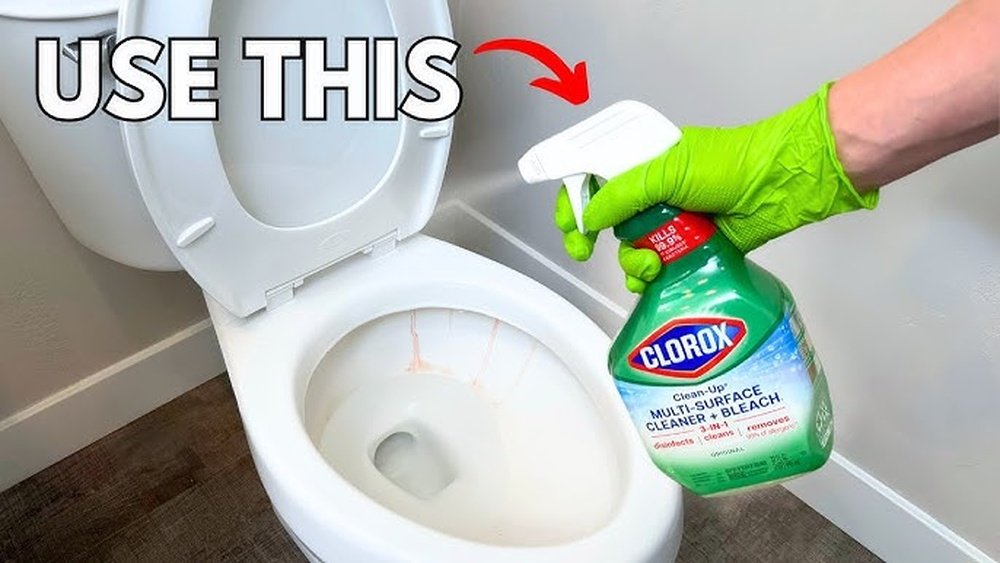
Are you tired of stubborn stains and grime taking over your bathroom? Imagine having a powerful, effective cleaner right at your fingertips—one that cuts through dirt and kills germs fast.
Making your own bleach cleaner is easier than you think, and it can save you money while keeping your bathroom sparkling clean. In this guide, you’ll discover simple steps to create a safe and strong bleach cleaner that works wonders.
Ready to transform your cleaning routine and enjoy a fresher bathroom? Let’s get started!
Benefits Of Bleach Cleaner
Bleach cleaner is a powerful and affordable option for bathroom cleaning. It makes your space safer and brighter. Using bleach helps keep your bathroom fresh and hygienic. It targets many common bathroom problems effectively.
Kills Germs And Bacteria
Bleach cleaner destroys harmful germs and bacteria quickly. It kills viruses and prevents the spread of illness. Bathrooms have many germs, and bleach keeps them under control. This makes your bathroom safer for everyone.
Removes Mold And Mildew
Mold and mildew grow easily in damp bathrooms. Bleach cleaner removes these stubborn fungi from tiles and grout. It stops mold from coming back fast. This helps prevent bad smells and keeps your bathroom clean.
Whitens Surfaces
Bleach brightens and whitens bathroom surfaces effectively. It removes stains from sinks, tubs, and toilets. Your bathroom looks fresh and new after cleaning. This simple step improves the overall appearance of your space.
Safety Tips Before Use
Before using bleach cleaner for your bathroom, safety is very important. Bleach is strong and can harm your skin, eyes, and lungs. Taking simple safety steps helps you clean safely and avoid accidents. Follow these tips to protect yourself and your home.
Wear Protective Gear
Always wear gloves to protect your hands from bleach. Use goggles or glasses to shield your eyes from splashes. Wear old clothes or an apron to keep bleach off your skin and clothes. Protective gear keeps you safe during cleaning.
Ensure Proper Ventilation
Open windows and doors to let fresh air in. Use a fan to help move the air around. Good ventilation lowers the strong bleach fumes. Breathing fresh air prevents dizziness and irritation.
Avoid Mixing With Other Chemicals
Never mix bleach with ammonia or other cleaners. Mixing creates toxic gases that can harm your lungs. Use bleach alone with water for safe cleaning. This keeps your bathroom and air safe.
Ingredients Needed
Gather common household items like bleach, water, and a spray bottle to make a bathroom cleaner. Measuring cups and gloves help with safe mixing. Simple ingredients, easy to find.
Household Bleach
Household bleach is the main ingredient for your bathroom cleaner. Choose a standard bleach with 5-6% sodium hypochlorite. This type kills germs and removes stains effectively. Avoid scented or thickened bleach as they may leave residue.
Water
Water dilutes the bleach to make it safe for bathroom surfaces. Use clean, cold water for the best results. Avoid hot water as it can reduce bleach’s power. Proper dilution prevents damage to tiles and fixtures.
Measuring Tools
Accurate measuring tools help you mix the bleach and water correctly. Use a measuring cup or jug with clear markings. This ensures the cleaner is safe and effective. Avoid guessing amounts to prevent overly strong mixtures.
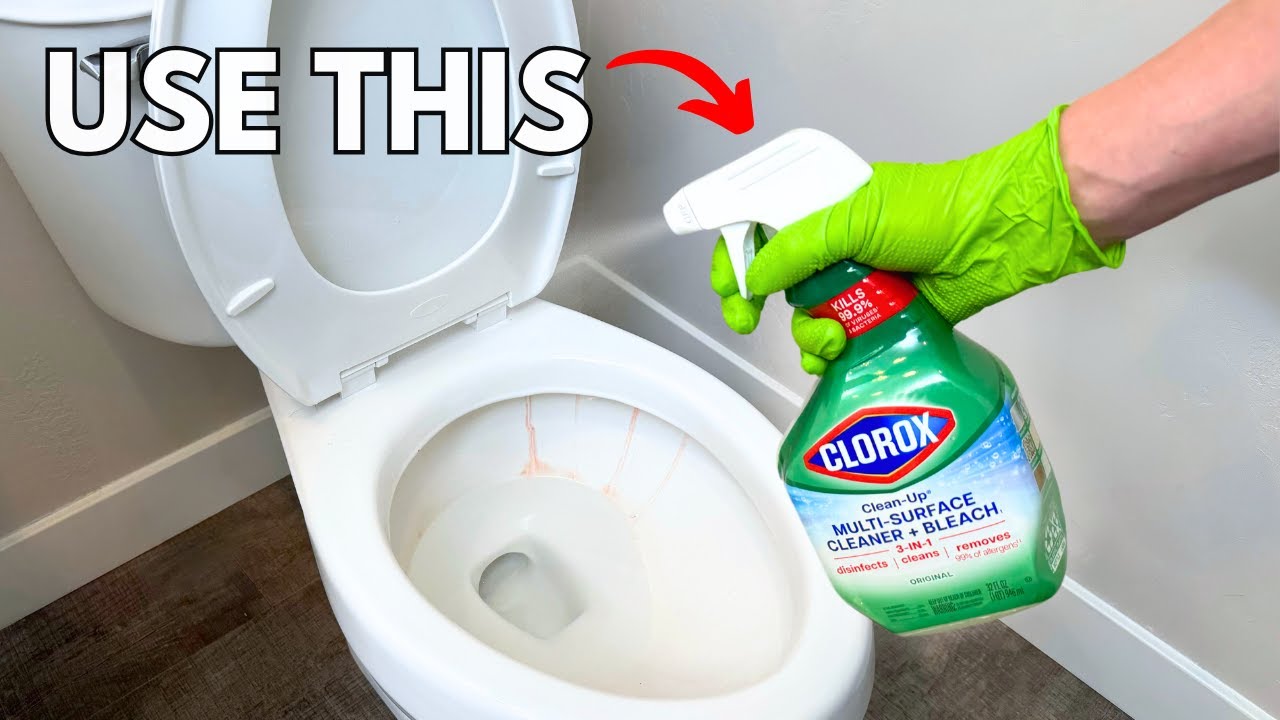
Step-by-step Mixing Process
Making bleach cleaner for your bathroom is simple and safe when you follow the right steps. This process helps you create an effective cleaner that kills germs and brightens surfaces. Take your time to mix the solution carefully for the best results.
Measure Bleach And Water
Start by measuring the bleach and water accurately. Use one part bleach to ten parts water for a safe and strong mix. Measuring ensures the cleaner works well without damaging your bathroom surfaces or causing harm.
Combine In A Container
Pour the measured bleach into a clean container first. Then add the water slowly. Use a container that can hold the full amount and is safe for bleach. Avoid metal containers to prevent reactions.
Mix Gently
Stir the mixture gently with a plastic or wooden spoon. Mixing slowly helps blend the bleach and water evenly. Avoid splashing or vigorous stirring to keep the bleach safe and effective.
Application Techniques
Applying bleach cleaner correctly ensures your bathroom gets truly clean. Proper techniques help remove stains and kill germs. Using the right tools spreads the cleaner evenly. Letting the solution sit increases its power. Learn easy ways to apply bleach safely and well.
Using A Spray Bottle
Fill a spray bottle with your bleach cleaner mix. Spray the solution directly onto surfaces like tiles and sinks. Hold the bottle close for better coverage. Spray evenly to avoid missing spots. The spray helps reach tight corners easily.
Applying With A Sponge
Dip a clean sponge into the bleach solution. Wipe down surfaces gently but firmly. Sponges help scrub away tough stains. Change the sponge if it gets dirty. Using a sponge controls how much cleaner you use.
Letting It Sit
After applying, let the bleach cleaner sit on surfaces. Wait at least 5 minutes for best results. This time allows the bleach to kill germs and remove stains. Do not rinse immediately. Let the solution work before wiping it off.
Cleaning Tips For Different Surfaces
Different bathroom surfaces need different cleaning care. Using bleach cleaner correctly keeps your bathroom fresh and safe. Understanding how to clean tiles, bathtubs, sinks, and toilets helps you avoid damage. Follow these tips for each surface to get the best results.
Tiles And Grout
Tiles and grout can collect dirt and mold easily. Dilute bleach with water before use. Apply the solution with a sponge or brush. Scrub grout lines gently to remove stains. Rinse tiles well with clean water after cleaning. Keep the area ventilated to help dry faster.
Bathtubs And Sinks
Use a mild bleach solution for bathtubs and sinks. Avoid strong bleach as it may damage surfaces. Apply the cleaner with a soft cloth or sponge. Focus on stained or discolored areas. Rinse thoroughly with water to remove bleach residue. Dry the surface with a clean towel.
Toilet Bowls
Pour bleach cleaner around the inside of the toilet bowl. Let it sit for at least 10 minutes for best results. Use a toilet brush to scrub the bowl, especially under the rim. Flush to rinse away all bleach and dirt. Repeat cleaning regularly to keep the toilet fresh and clean.
Storage And Disposal
Storing and disposing of bleach cleaner safely protects your home and family. Proper care stops accidents and keeps the cleaner effective. Handling leftovers correctly avoids harm to the environment.
Proper Container Use
Use a container made for bleach or strong chemicals. Plastic containers with tight lids work best. Avoid metal containers because bleach can cause rust. Label the container clearly with “Bleach Cleaner” and date. Never mix bleach with other chemicals in the same container.
Safe Storage Locations
Store bleach cleaner in a cool, dry place. Keep it away from sunlight and heat to prevent damage. Place it out of reach of children and pets. A locked cabinet or high shelf works well. Avoid storing near food or drinks to stop contamination.
Disposing Of Leftovers
Use leftover bleach cleaner fully to reduce waste. If you must dispose of it, dilute with plenty of water first. Pour small amounts down the drain with running water. Do not dump large amounts in the trash or soil. Check local rules for bleach disposal if unsure.
Common Mistakes To Avoid
Making bleach cleaner for your bathroom is easy. Yet, many make common mistakes that reduce its power or cause harm. Avoiding these errors helps keep your space clean and safe. Here are key mistakes to watch out for.
Using Too Much Bleach
More bleach does not mean better cleaning. Using too much can damage surfaces. It can also create strong fumes that hurt your lungs. Measure bleach carefully. Follow instructions on the label for safe amounts.
Neglecting Safety Precautions
Bleach is strong and can cause burns or irritation. Always wear gloves and work in a well-ventilated area. Never mix bleach with other cleaners, especially ammonia. This can create dangerous gases. Keep bleach away from children and pets.
Ignoring Surface Compatibility
Not all bathroom surfaces work well with bleach. Avoid using bleach on wood, metal, or painted areas. It can cause stains or damage. Test a small hidden spot first. Use bleach only on surfaces that are safe for it.
Frequently Asked Questions
What Ingredients Are Needed To Make Bleach Cleaner?
To make bleach cleaner, you need bleach, water, and optionally, a few drops of dish soap. Use a ratio of 1 part bleach to 10 parts water. This mix effectively disinfects and cleans bathroom surfaces safely.
Is Homemade Bleach Cleaner Safe For Bathroom Surfaces?
Yes, homemade bleach cleaner is safe for most bathroom surfaces. Avoid using it on natural stone, wood, or painted surfaces to prevent damage. Always test a small area first and use proper ventilation during cleaning.
How Should I Store Homemade Bleach Cleaner?
Store homemade bleach cleaner in a labeled, airtight plastic container. Keep it in a cool, dark place away from children and pets. Use it within 24 hours for maximum effectiveness, as bleach loses potency over time.
Can Bleach Cleaner Remove Mold And Mildew?
Yes, bleach cleaner effectively removes mold and mildew in bathrooms. Apply the solution directly to affected areas, let it sit for 10 minutes, then scrub and rinse thoroughly. This kills mold spores and prevents regrowth.
Conclusion
Making your own bleach cleaner is simple and cost-effective. It helps keep your bathroom fresh and germ-free. Always mix the ingredients carefully and use gloves for safety. Store the cleaner in a labeled bottle away from children. Regular cleaning prevents mold and bacteria buildup.
Try this easy recipe to maintain a clean bathroom. Stay safe, clean smart, and enjoy a sparkling space every day.