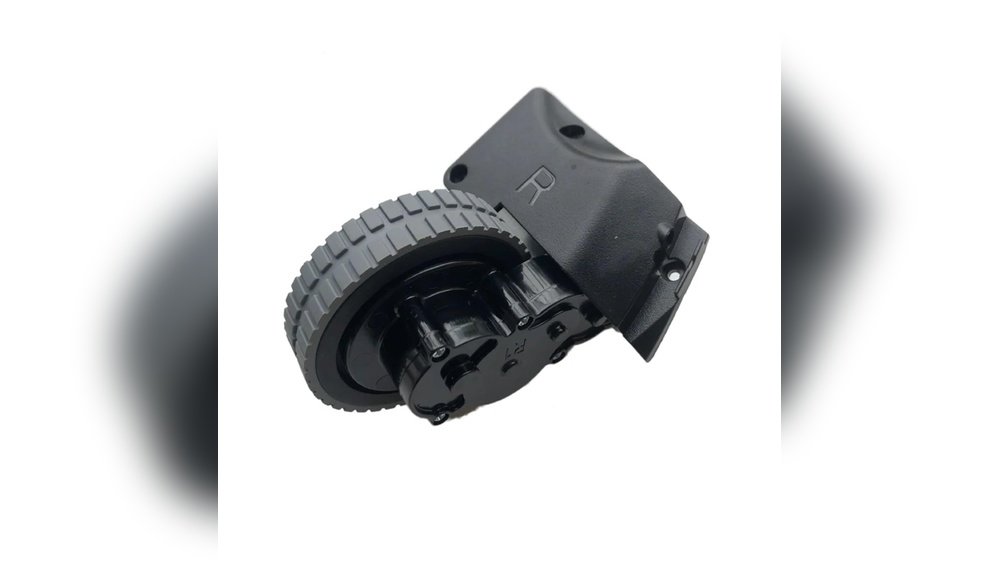
Your robot vacuum is a handy helper, but have you ever thought about its wheels? Keeping your vacuum’s wheels clean and well-maintained is key to smooth movement and longer life.
If your vacuum is sticking, wobbling, or missing spots, the wheels might be the problem. In this guide, you’ll discover simple steps to care for your robot vacuum wheels so it can glide effortlessly across your floors. Ready to keep your cleaning companion in top shape?
Let’s dive in!
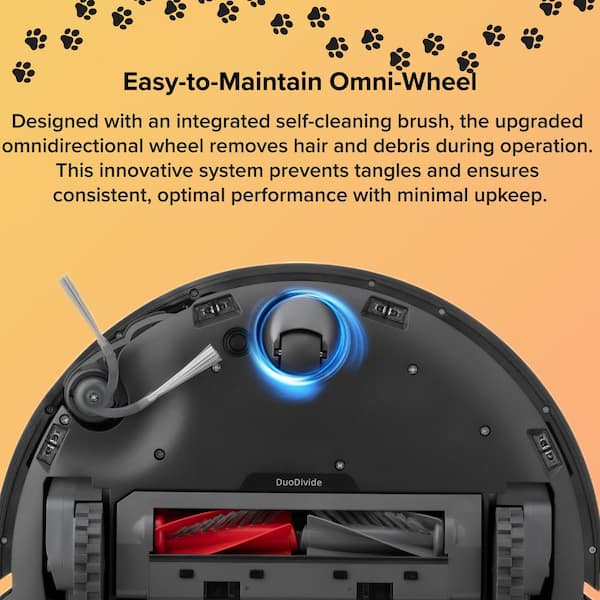
Common Wheel Issues
Robot vacuum wheels face regular use and can develop common problems over time. These issues can stop your vacuum from moving smoothly and cleaning well. Spotting and fixing wheel problems early keeps your robot working longer.
Signs Of Wear And Tear
Wheels may show cracks or worn-out rubber. Dirt and hair can wrap around the wheels. Loose wheels might wobble or make noise. Uneven wheel surfaces cause poor grip on floors. Check wheels often for these signs. Clean and replace parts as needed.
Impact On Performance
Damaged wheels slow down the vacuum’s movement. The robot may get stuck or fail to climb small obstacles. Uneven wheels cause poor cleaning paths. Battery life can shorten due to extra strain. Regular wheel care ensures smooth, efficient cleaning every time.
Routine Cleaning Tips
Routine cleaning keeps your robot vacuum wheels working well. Dirt and hair can stop wheels from moving smoothly. Regular care helps your vacuum last longer and clean better.
Removing Debris And Hair
Check the wheels for hair and debris often. Use scissors or tweezers to pull out tangled hair. Clear away dirt stuck around the wheels. Clean wheels spin freely and do not get stuck.
Cleaning Wheel Axles
Look at the wheel axles for dust and grime. Wipe them gently with a soft cloth. Use a cotton swab for tight spaces. Clean axles reduce friction and help wheels turn easily.
Lubrication Techniques
Lubricating the wheels of your robot vacuum keeps it running smoothly. Proper lubrication reduces friction and wear. This simple step can extend the life of your device. Understanding the right techniques makes the task easier and safer.
Choosing The Right Lubricant
Select a lubricant designed for small mechanical parts. Silicone-based lubricants work well for plastic and rubber wheels. Avoid oil-based products that attract dust and dirt. A dry lubricant spray can also prevent buildup. Check the vacuum’s manual for recommended products.
How To Apply Lubricant Safely
Turn off and unplug the robot vacuum before starting. Remove the wheels carefully if the model allows. Apply a small amount of lubricant to the wheel axles. Rotate the wheels to spread the lubricant evenly. Wipe off any excess to stop dust from sticking. Reassemble the parts and test the vacuum.

Inspection And Replacement
Inspection and replacement of robot vacuum wheels are key steps for smooth operation. Regular checks help find problems early. This keeps the vacuum moving well and cleans better.
When To Inspect Wheels
Check wheels every two weeks or after heavy use. Look for dirt, hair, or debris stuck around the wheels. These can slow down movement. Also, watch for cracks or worn-out parts on the wheels. If the vacuum struggles on floors, inspect wheels immediately. Clean wheels improve battery life and performance.
Replacing Damaged Wheels
Replace wheels if they are cracked or worn. Damaged wheels affect cleaning and may cause noise. Use original parts for best fit and function. Turn off the vacuum before removing wheels. Follow the user manual to avoid damage. After replacement, test the vacuum on different floors. Properly replaced wheels help the vacuum run like new.
Preventive Measures
Taking good care of your robot vacuum’s wheels helps it work longer. Simple steps can stop damage before it starts. Preventive measures keep wheels clean, smooth, and free from problems. This saves time and repair costs later.
Avoiding Rough Surfaces
Rough floors can wear down wheels quickly. Avoid letting your robot vacuum run over gravel or thick carpets. These surfaces cause scratches and slow down movement. Smooth floors like hardwood or tile are best. If rough areas exist, block them off or clean the floor often.
Proper Storage Tips
Store your robot vacuum in a dry, clean place. Moisture can cause rust or damage wheel parts. Keep it on a flat surface to avoid bending wheels. Do not leave it in direct sunlight for long hours. Proper storage keeps wheels in good shape and ready to clean anytime.

Tools And Accessories
Maintaining robot vacuum wheels needs the right tools and accessories. These help keep wheels clean and working well. Using proper tools saves time and prevents damage. Regular care extends the robot’s life and performance.
Essential Maintenance Tools
A small screwdriver helps open the wheel compartments. Tweezers remove hair and dirt stuck in tight spaces. A soft brush cleans dust without scratching parts. Cotton swabs reach narrow gaps for detailed cleaning. A microfiber cloth wipes off grime gently. These tools keep wheels free from blockages.
Helpful Accessories For Care
Replacement wheel covers protect wheels from wear. Silicone grease lubricates wheel axles for smooth movement. Cleaning gel removes dust from hard-to-reach areas. Small vacuum attachments pick up loose dirt easily. Spare wheels are useful for quick swaps. These accessories support regular and deep maintenance.
Frequently Asked Questions
How Often Should I Clean Robot Vacuum Wheels?
Clean robot vacuum wheels at least once a week. Regular cleaning removes hair, dust, and debris. This prevents wheel blockage and ensures smooth movement. Frequent maintenance prolongs wheel life and improves vacuum efficiency.
What Tools Are Best For Cleaning Vacuum Wheels?
Use a soft brush, microfiber cloth, and tweezers for cleaning. These tools help remove dirt and tangled hair gently. Avoid harsh tools that may damage wheel components. Proper tools keep wheels in optimal condition.
Can I Lubricate Robot Vacuum Wheels?
Yes, lightly lubricate wheels with silicone-based lubricant. Avoid using oil-based lubricants that attract dust and dirt. Proper lubrication reduces friction and ensures smooth wheel rotation. Apply sparingly to prevent excess buildup.
Why Do Robot Vacuum Wheels Stop Moving?
Wheels may stop due to hair entanglement or debris buildup. Mechanical faults or low battery can also cause stoppage. Regular cleaning and inspection prevent such issues. Replace damaged wheels to restore functionality.
Conclusion
Keeping robot vacuum wheels clean helps your device work well. Check wheels often for dirt or hair. Remove any stuck debris gently. Regular care prevents damage and keeps movement smooth. Small efforts save time and money later. Your vacuum will last longer and clean better.
Simple steps make a big difference in performance. Stay consistent with wheel maintenance for best results.