Are you tired of your manual pool vacuum not picking up dirt like it should? Poor suction can turn a simple cleaning task into a frustrating chore.
But don’t worry—improving your vacuum’s suction is easier than you think. You’ll discover practical tips and simple tricks to boost your vacuum’s power. By the end, you’ll be able to clean your pool faster and more efficiently, saving time and effort.
Ready to get your pool sparkling clean? Let’s dive in!
Common Suction Issues
Many pool owners face suction problems with manual vacuums. These issues reduce cleaning power and make the task harder. Understanding common suction problems helps fix them fast. It also keeps the pool clear and inviting.
Clogged Filters And Skimmers
Filters and skimmers trap dirt and debris from pool water. When they get clogged, water flow slows down. This reduces suction force on the vacuum head. Clean or replace filters regularly to maintain strong suction. Check skimmers for leaves and debris often.
Leaky Hoses And Connections
Leaks in vacuum hoses or connections let air in. Air breaks the suction and lowers cleaning power. Inspect hoses for cracks or holes before use. Tighten all connections firmly. Replace damaged hoses to restore proper suction.
Improper Vacuum Setup
Wrong vacuum setup causes poor suction and wasted effort. Make sure the vacuum head is fully submerged. Avoid kinks in the hose that block water flow. Position the vacuum pipe correctly for smooth water movement. Follow the manufacturer’s setup steps carefully.
Choosing The Right Equipment
Choosing the right equipment makes a big difference in pool vacuum suction. Good tools help clean faster and easier. Poor gear can reduce suction and waste your time. Focus on quality hoses, vacuum heads, and poles that fit well together.
Selecting Quality Hoses
Hoses connect your vacuum to the pool’s pump. Choose hoses that are strong and flexible. Avoid hoses with cracks or holes. Long hoses can lose suction, so pick the shortest length you need. Check hose diameter; wider hoses often offer better suction flow.
Picking The Best Vacuum Head
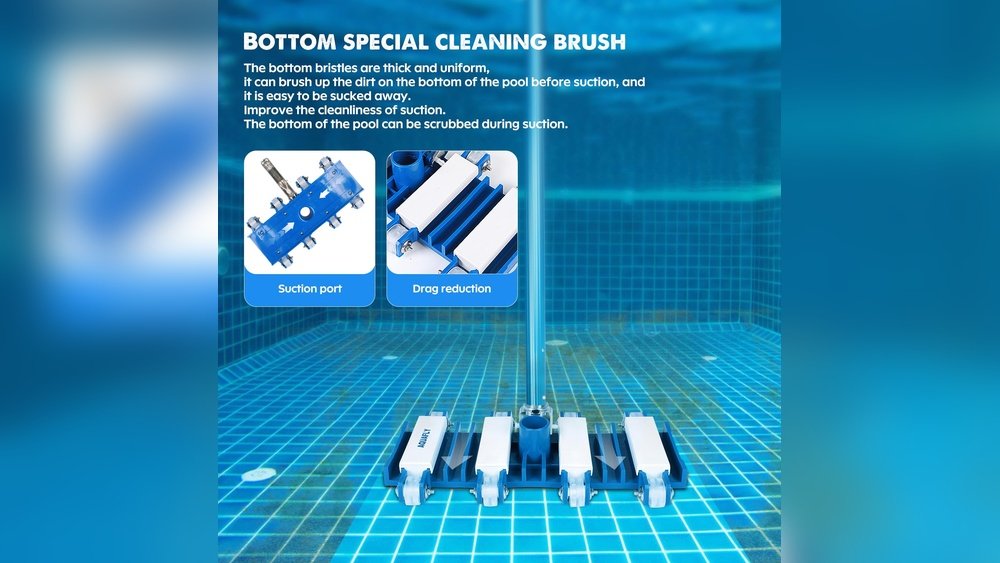
Vacuum heads come in many shapes and sizes. Pick one that matches your pool type and floor surface. Heads with brushes or wheels can help loosen dirt. A lightweight vacuum head moves easily across the pool. Ensure it seals well against the pool floor to keep suction strong.
Using Compatible Poles And Attachments
Poles connect to your vacuum head for reach and control. Select poles that fit your vacuum head snugly. Strong, lightweight poles reduce arm strain during cleaning. Avoid loose or wobbly attachments to keep suction steady. Use attachments designed for your vacuum model for best results.
Optimizing Vacuum Assembly
Optimizing the vacuum assembly plays a key role in improving suction for a manual pool vacuum. A well-assembled vacuum ensures strong water flow and effective debris removal. Small mistakes during setup can cause weak suction and wasted effort. Taking time to check each part helps get the best cleaning results.
Securing Tight Hose Connections
Make sure all hose connections fit tightly. Loose joints let air in, reducing suction. Push the hose firmly onto the vacuum head and skimmer or suction port. Use hose clamps if needed to hold the connection secure. Check each joint before starting to clean.
Avoiding Air Leaks
Air leaks weaken vacuum power. Look for cracks or holes in the hose and fittings. Replace damaged parts right away. Submerge the hose in water to spot escaping air bubbles. Seal any weak spots with waterproof tape. Keep the system airtight for strong suction.
Properly Attaching Vacuum Head And Pole
Attach the vacuum head firmly to the pole. Loose fittings cause wobbling and poor contact with the pool floor. Use the right size pole for your vacuum head. Push the pole fully into the vacuum head’s connector. Test the connection by gently pulling before use.
Enhancing Suction Performance
Improving suction on a manual pool vacuum makes cleaning easier and faster. Strong suction pulls dirt and debris from the pool floor effectively. Small changes in setup and maintenance boost suction power. Focus on three key areas to enhance suction performance.
Priming The Vacuum Hose
Priming the hose removes air pockets that block suction. Submerge the hose fully in the pool water. Let water fill the hose completely before attaching it. Avoid trapping air inside the hose. This ensures smooth water flow and better suction.
Maintaining Pump And Filter System
Clean the pump basket and filter regularly. Debris buildup reduces water flow and suction strength. Check for cracks or leaks in pump parts. Replace worn seals to keep the system airtight. A well-maintained pump and filter support strong suction.
Balancing Water Flow And Pressure
Adjust the pool’s water flow to match vacuum needs. Too much flow weakens suction at the vacuum head. Too little flow limits debris removal. Use the valve controls to find the right balance. Proper water pressure keeps suction steady and efficient.
Regular Maintenance Tips
Regular maintenance keeps your manual pool vacuum working well. It helps maintain strong suction for cleaner water. Simple care routines prevent common issues and extend the life of your equipment. Follow these easy steps to keep everything in top shape.
Cleaning Filters And Baskets
Dirty filters and baskets block water flow. This reduces suction and cleaning power. Remove them from the vacuum regularly. Rinse with a garden hose to clear dirt and debris. Let them dry fully before putting them back. Clean parts improve suction and make vacuuming easier.
Inspecting Hoses For Damage
Check hoses often for cracks or holes. Damaged hoses let air in, lowering suction. Look along the entire length for any weak spots. Replace any damaged sections right away. Keeping hoses intact ensures strong suction and better vacuum performance.
Storing Equipment Properly
Store your vacuum and accessories in a dry, shaded place. Avoid leaving them in direct sunlight or near chemicals. Heat and sun can crack plastic parts and weaken hoses. Hang hoses loosely to prevent kinks. Proper storage protects your equipment and keeps suction strong.

Frequently Asked Questions
How Do I Increase Suction On A Manual Pool Vacuum?
Check for blockages in the hose and clean the filter regularly. Use a properly sized vacuum head and ensure the pump is running efficiently. Tighten all connections to prevent air leaks that reduce suction power.
Why Is My Manual Pool Vacuum Losing Suction?
Loss of suction often results from clogged hoses, dirty filters, or air leaks in the system. Inspect the vacuum hose for cracks or holes. Clean the pump basket and ensure the pump impeller is free of debris.
Can Hose Length Affect Manual Vacuum Suction?
Yes, longer hoses can reduce suction due to increased resistance. Use the shortest possible hose length for your pool size to maintain strong suction and improve vacuum performance.
How Often Should I Clean The Pool Vacuum Filter?
Clean the filter after every vacuuming session or when you notice reduced suction. Regular cleaning ensures maximum water flow and prevents clogging, enhancing the vacuum’s suction efficiency.
Conclusion
Improving suction on a manual pool vacuum takes some simple steps. Clean the filter and check for blockages often. Make sure the hose has no leaks or cracks. Use the right vacuum head for your pool type. Keep the water level proper for better suction.
Regular maintenance keeps your vacuum working well. These tips help you enjoy a cleaner pool with less effort. Try them and see the difference in your pool cleaning routine.