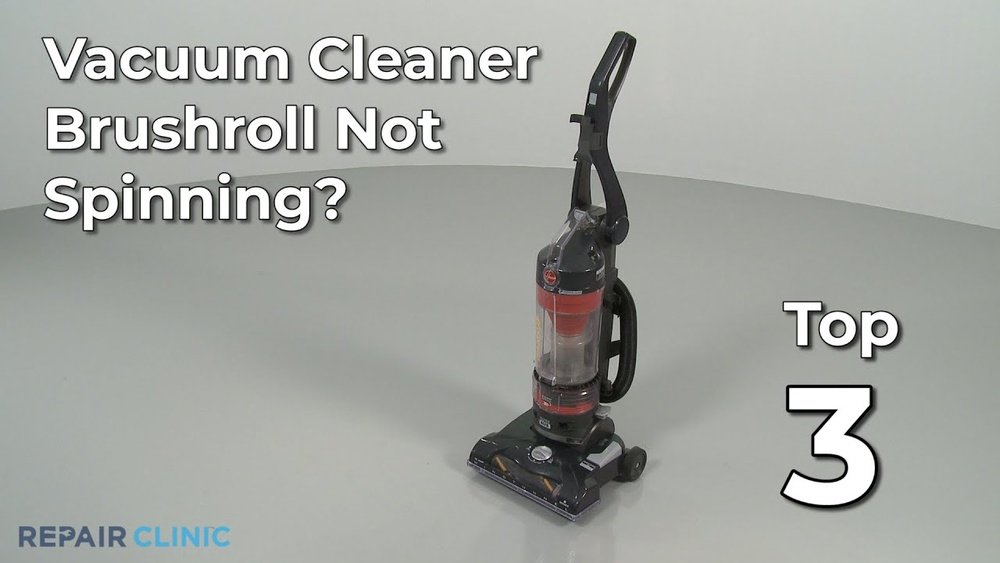
Is your vacuum cleaner brush roll refusing to spin? This small problem can stop your vacuum from picking up dirt and dust effectively, leaving your floors less clean than they should be.
But don’t worry—you don’t need to buy a new vacuum just yet. Fixing a brush roll that won’t spin is easier than you might think. You’ll discover simple, step-by-step solutions to get your vacuum working like new again. Keep reading, and you’ll save time, money, and frustration with quick fixes you can do yourself.
Common Causes Of Brush Roll Issues
The brush roll of a vacuum cleaner plays a key role in picking up dirt and debris. When it stops spinning, cleaning becomes less effective. Understanding the common causes of brush roll issues helps you fix the problem quickly.
Several factors can stop the brush roll from spinning. These problems range from simple blockages to more complex motor or electrical faults. Identifying the cause guides you to the right solution.
Obstructions And Debris
Hair, string, and dirt often wrap around the brush roll. These blockages stop the brush from turning freely. Removing debris regularly keeps the brush roll spinning smoothly. Check the ends of the brush roll for trapped materials.
Worn Or Broken Belt
The belt connects the brush roll to the motor. Over time, belts can wear out or break. A loose or snapped belt means the brush roll won’t spin. Replacing the belt is usually an easy fix to restore function.
Motor Problems
The motor powers the brush roll. If the motor fails, the brush stops turning. Motors can burn out or get stuck. Listen for unusual sounds or no sound at all. Motor issues might need professional repair or replacement.
Electrical Issues
Faulty wiring or a damaged switch can cut power to the brush roll. Check for loose connections or broken wires. Electrical problems may prevent the motor from running. Testing the vacuum with a multimeter helps find these faults.
Tools Needed For Repair
Fixing a vacuum cleaner brush roll that won’t spin requires the right tools. Having these tools ready makes the repair easier and faster. This section lists the essential tools you need to complete the job successfully.
Screwdrivers And Wrenches
Screwdrivers and wrenches help open the vacuum cleaner casing. Different models need different sizes, so keep a small set of both. A Phillips head screwdriver often works for most screws. A wrench helps remove bolts or nuts holding parts together.
Replacement Belts And Parts
Replacement belts are key for brush roll movement. Check your vacuum’s model number to buy the correct belt. Sometimes, you may need new brush rolls or bearings. Having spare parts ready avoids delays during repair.
Cleaning Supplies
Cleaning supplies remove hair, dust, and debris from the brush roll area. Use a soft brush or cloth to clean tight spaces. Mild soap and water work well for cleaning parts. Dry everything before reassembling to prevent damage.
Removing The Brush Roll
Removing the brush roll is the first step to fix a vacuum cleaner brush roll that won’t spin. This part often gets tangled with hair, strings, or debris. Cleaning or replacing it can help your vacuum work better again. Follow these simple steps carefully to take out the brush roll safely.
Unplugging The Vacuum
Always unplug the vacuum before starting any repair. This stops the vacuum from turning on by mistake. Safety first. No electricity means no risk of shock or injury. Make sure your hands are dry when unplugging.
Accessing The Brush Compartment
Turn the vacuum upside down to find the brush compartment. Usually, there is a cover or plate held by screws or clips. Use a screwdriver if needed. Remove the screws or release the clips gently. Lift the cover off to see the brush roll inside.
Taking Out The Brush Roll
Look for the ends of the brush roll. They often fit into slots or holders. Gently pull or lift the brush roll out. Sometimes you may need to slide it sideways. Check for any belts connected to the brush roll and remove them carefully. Keep the parts safe for reassembly.

Cleaning And Inspecting The Brush Roll
Cleaning and inspecting the brush roll is a key step to fix a vacuum cleaner brush roll that won’t spin. Dirt and hair often get stuck around the brush roll. This can stop it from turning properly. Checking the brush roll closely helps find problems early. This keeps the vacuum working well and lasts longer.
Removing Hair And Debris
Start by turning off and unplugging the vacuum. Use scissors or your fingers to cut and pull out hair wrapped around the brush roll. Remove any dust or debris stuck between the bristles. Clearing all clogs helps the brush roll spin freely. Clean the area around the brush roll too.
Checking For Damage
Look closely at the brush roll for cracks or broken bristles. Check if the brush roll bends or feels loose. Damaged parts can stop it from spinning or cleaning well. Replace the brush roll if you see serious damage. Small problems can cause big issues over time.
Cleaning The Bearings
Bearings allow the brush roll to spin smoothly. Dirt or hair can block them. Use a cloth to wipe the bearings clean. Apply a drop of light oil if they look dry. Make sure the bearings turn without resistance. Clean bearings help the brush roll spin easily.
Replacing The Belt
Replacing the belt is a common fix for a vacuum cleaner brush roll that won’t spin. The belt connects the motor to the brush roll and helps it turn. Over time, the belt can wear out, stretch, or break. This stops the brush roll from spinning properly. Changing the belt can bring your vacuum back to life quickly and cheaply.
Identifying The Correct Belt
Find the right belt for your vacuum model. Check the user manual for belt size and type. You can also look for a model number on the vacuum or the old belt. Purchase a belt that matches these details. Using the wrong belt can cause damage or poor performance.
Removing The Old Belt
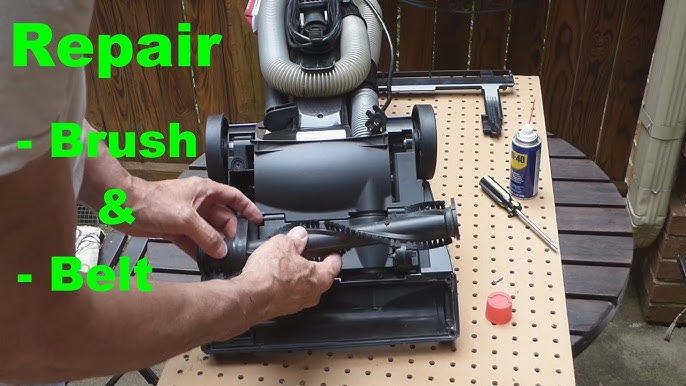
Unplug the vacuum before starting. Lay it down to access the brush roll. Remove the cover or plate holding the brush roll in place. Gently pull out the brush roll. Slide the old belt off the brush roll and motor shaft. Dispose of the old belt carefully.
Installing The New Belt
Loop the new belt around the motor shaft first. Then stretch it over the brush roll. Place the brush roll back into its slot. Make sure the belt is tight and aligned. Replace the cover or plate. Test the vacuum to ensure the brush roll spins well.
Testing The Brush Roll Motor
Testing the brush roll motor is important to fix a vacuum cleaner brush roll that won’t spin. The motor powers the brush roll and makes it spin fast. If the motor is not working, the brush roll will not turn. This section guides you through checking the motor and its connections. It also explains when to replace the motor.
Checking Motor Function
First, unplug the vacuum from the power source. Remove the brush roll cover to access the motor. Use a multimeter to test the motor’s electrical resistance. A normal reading shows the motor is working. If the reading is zero or infinite, the motor may be faulty. You can also listen for a humming sound when the vacuum is on. No sound could mean the motor is dead.
Inspecting Electrical Connections
Check the wires connected to the motor. Look for loose or broken wires. Tighten any loose connections carefully. Clean any dirt or debris on the contacts. Dirty connections can stop the motor from working. Make sure the wires are not burnt or damaged. Replace any bad wires before testing the motor again.
When To Replace The Motor
Replace the motor if it does not work after testing. Signs include no spinning and no humming sound. A burnt smell or visible damage means replacement is needed. Use a motor that matches the vacuum model. Installing a new motor can bring the brush roll back to life. This step saves time and avoids further damage.
Reassembling The Vacuum Cleaner
After cleaning and inspecting the brush roll, it is time to put the vacuum cleaner back together. Reassembling the vacuum cleaner needs care and attention. This step ensures your brush roll spins smoothly and the vacuum works well again.
Securing The Brush Roll
Place the brush roll back into its slot carefully. Make sure it fits snugly and lines up with the belt. Check if the belt is tight around the brush roll and motor pulley. A loose belt stops the brush from spinning properly. Press the brush roll gently until it clicks or locks in place.
Closing The Brush Compartment
Put the cover or plate over the brush compartment. Align the screws or clips with their holes. Tighten the screws evenly to avoid gaps or loose parts. A securely closed compartment prevents dust and debris from escaping. It also protects the brush roll from damage.
Final Checks Before Use
Turn the vacuum cleaner on briefly to test the brush roll. Watch if the brush spins smoothly and without noise. If it does not spin, check the belt and brush placement again. Make sure no parts are loose or stuck. A quick test saves time and avoids future problems.
Preventing Future Brush Roll Problems
Preventing future brush roll problems helps keep your vacuum working well longer. Small habits can stop dirt build-up and wear. This saves time and money on repairs. Follow these simple steps to keep the brush roll spinning smoothly.
Regular Cleaning Tips
Remove hair and threads from the brush roll often. Use scissors to cut tangled debris carefully. Clean the brush roll after every few uses. Wipe the brush housing and belt area with a dry cloth. This stops blockages that slow down the brush roll.
Routine Maintenance Schedule
Check the brush roll and belt every month. Look for cracks, tears, or signs of wear. Replace the belt if it feels loose or worn out. Lubricate moving parts if your vacuum manual suggests it. Keep a simple calendar reminder for these checks.
Using The Vacuum Properly
Push the vacuum slowly to let the brush roll catch dirt. Avoid vacuuming over large objects or hard debris. This protects the brush roll and belt from damage. Store your vacuum in a dry place to prevent rust. Gentle use extends the life of your vacuum parts.
Frequently Asked Questions
Why Won’t My Vacuum Brush Roll Spin?
A brush roll may not spin due to hair or debris tangling. Check for blockages, belt damage, or motor issues. Cleaning and replacing worn parts often resolves this problem quickly.
How Do I Fix A Broken Vacuum Brush Roll Belt?
Turn off and unplug the vacuum first. Remove the brush roll and check the belt. If it’s loose, cracked, or broken, replace it with a new, compatible belt to restore brush roll function.
Can A Clogged Vacuum Brush Roll Cause It To Stop Spinning?
Yes, clogged hair and debris can jam the brush roll. Clean the brush and remove obstructions regularly. This helps maintain proper rotation and vacuum efficiency.
How Often Should I Clean My Vacuum Brush Roll?
Clean your brush roll every 1-3 months, depending on usage. Frequent cleaning prevents hair buildup and extends the vacuum’s life. Regular maintenance keeps the brush roll spinning smoothly.
Conclusion
Fixing a vacuum cleaner brush roll that won’t spin is easier than it seems. Check for hair, dirt, or debris blocking the brush. Make sure the belt is tight and not broken. Clean and replace parts when needed. Regular care helps the brush roll work well longer.
A spinning brush roll improves your vacuum’s cleaning power. Keep these tips handy to solve the problem fast. Your vacuum will feel like new again, ready to clean every corner. Simple steps save time and money.