Have you ever struggled with a messy car vacuum that just won’t clean properly anymore? If your vacuum is full and clogged, it can lose power and leave dirt behind.
Knowing how to empty a car vacuum properly can save you time, keep your car spotless, and make your cleaning routine easier. You’ll discover simple steps to empty your car vacuum the right way, so it works like new every time.
Keep reading, and you’ll never have to deal with a weak vacuum again!
Choosing The Right Vacuum
Choosing the right vacuum for your car can save you time and frustration when it’s time to empty it. Not all car vacuums are built the same, and picking one that fits your specific needs makes cleaning easier and more effective. Think about how often you clean your car and the types of messes you usually face to guide your choice.
Types Of Car Vacuums
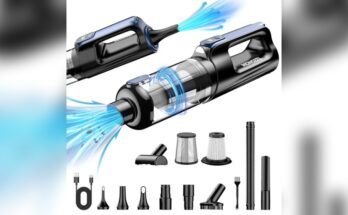
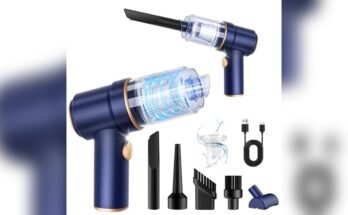
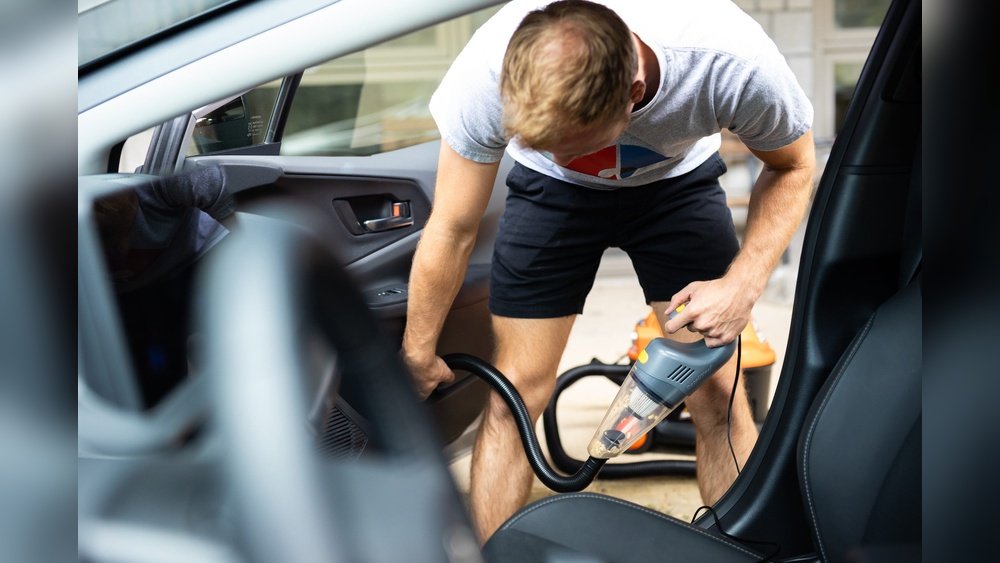
There are three main types of car vacuums: handheld, cordless, and wet/dry. Handheld vacuums are lightweight and easy to maneuver, perfect for quick cleanups. Cordless models give you freedom of movement without worrying about finding an outlet.
Wet/dry vacuums handle both liquid spills and dry debris, making them versatile for more serious messes. If you often deal with muddy shoes or spilled drinks, this type might be your best bet. Ask yourself which type fits your cleaning habits and car size.
Features To Look For
Look for a vacuum with strong suction power—this is key for picking up stubborn dirt. A long cord or good battery life means you won’t have to stop midway to recharge or find a new plug. Also, check if the vacuum has easy-to-remove and clean filters; this makes emptying the vacuum much less of a hassle.
Some models come with special nozzles designed for tight spaces and crevices in cars. If you want to reach under seats or between cushions, these attachments can be game changers. How much effort are you willing to put into cleaning your car’s hard-to-reach spots?
Preparing For Cleaning
Preparing to clean your car vacuum is key for a smooth process. It saves time and keeps your space tidy. Simple steps before you start make a big difference.
Gathering Supplies
Collect all items needed for cleaning first. A trash bag helps to throw away dirt easily. Use a soft brush to remove dust from filters. Have a cloth ready to wipe the vacuum’s outside. If needed, keep a small screwdriver for opening parts.
Setting Up A Cleaning Area
Pick a place that is easy to clean after. A garage or outdoors works well. Lay down old newspapers or a cloth to catch dirt. Good lighting helps you see all vacuum parts clearly. Keep the area free of distractions for better focus.
Step-by-step Emptying Process
Emptying a car vacuum properly keeps it working well and lasts longer. Follow these clear steps to remove dirt safely and quickly. Keep your car clean without any mess.
Turning Off And Unplugging
First, switch off the vacuum. Make sure it is not running. Then, unplug the vacuum from the power source. This stops electricity from flowing. It keeps you safe while emptying.
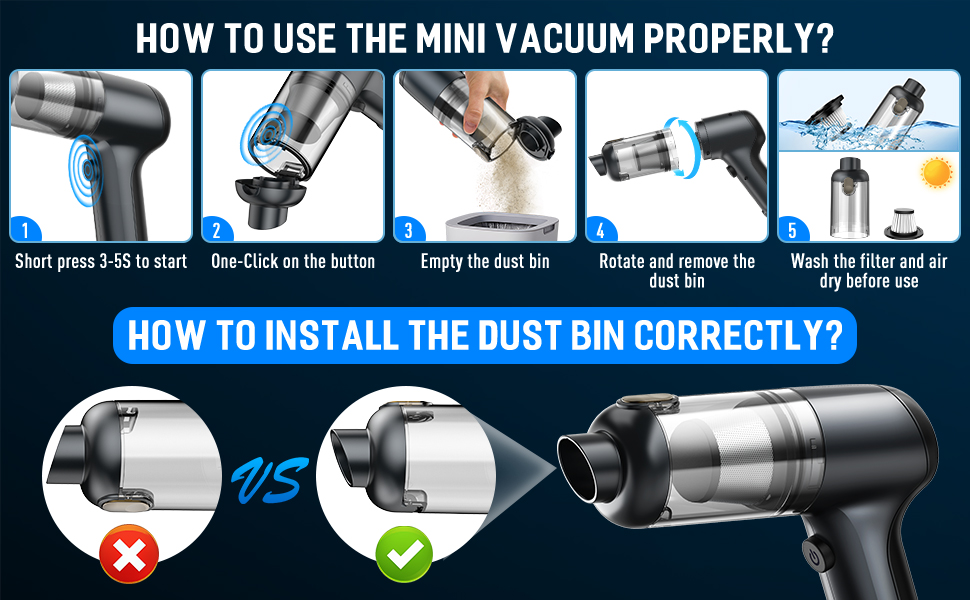
Removing The Dust Container
Next, find the dust container on your vacuum. This part holds all the dirt and dust. Carefully detach it from the vacuum body. Handle it gently to avoid spilling dirt.
Disposing Of Dirt And Debris
Take the dust container to a trash bin. Open the container lid slowly. Pour out all the dirt and debris inside. Tap the container lightly to remove stubborn dust. Close the container and reattach it to the vacuum.
Cleaning The Vacuum Components
Cleaning the vacuum components is key for a car vacuum’s good performance. Dirt and dust can build up in parts like filters and tubes. This buildup can block airflow and reduce suction power. Taking time to clean these parts helps the vacuum work well and last longer. Follow these steps to clean the main components carefully.
Washing Filters
Filters catch dust and small debris inside the vacuum. Remove the filters gently. Rinse them under cold water to wash away dirt. Avoid using soap unless the manual says it is safe. Rinse until water runs clear. Do not scrub hard to prevent damage. Clean filters keep air flowing freely.
Checking For Blockages
Look inside the vacuum’s hose and nozzle. Use a flashlight to find stuck debris. Remove any clogs carefully with your fingers or a small tool. Blockages stop the vacuum from sucking properly. Clear airways make cleaning easier and faster.
Drying And Reassembling
Allow all parts to dry fully before putting them back. Damp filters or parts can cause mold and damage. Leave components in a warm, dry place for several hours. Once dry, fit all parts back carefully. Secure everything tightly for best performance.
Maintenance Tips For Longevity
Keeping your car vacuum clean and working well takes regular care. Small steps can make your vacuum last longer. Proper maintenance helps avoid damage and keeps suction strong. This section shares easy tips to maintain your vacuum for years of use.
Regular Emptying Schedule
Empty the vacuum after every use or when it is half full. This stops dirt from building up and blocking airflow. A clean dustbin lets the vacuum work at full power. Set a reminder to check the vacuum often. This simple habit protects the motor and filters.
Avoiding Common Mistakes
Never wait until the vacuum is completely full before emptying. Overfilled dustbins reduce suction and strain the motor. Avoid using water to clean inside parts unless the manual says so. Don’t ignore filter cleaning; clogged filters lower performance. Use only recommended bags or containers to prevent damage.
Troubleshooting Common Issues
Troubleshooting common problems with your car vacuum helps keep it working well. Fixing small issues early saves time and money. This guide covers simple solutions to frequent troubles. Follow these tips to maintain strong suction and fresh air.
Loss Of Suction
Weak suction means the vacuum can’t clean well. Start by checking the dust container. Empty it if full. Look for blockages in the hose or nozzle. Remove any dirt or debris stuck inside. Check the filter and clean or replace it if dirty. A clogged filter reduces airflow and suction power. Also, inspect the vacuum motor for damage. If the motor sounds strange, it may need repair.
Unpleasant Odors
Bad smells come from trapped dirt or mold inside the vacuum. Empty the dust container after each use. Wash washable filters with warm water and mild soap. Let filters dry completely before putting them back. Use baking soda to absorb odors in the dust container. Avoid vacuuming wet debris to prevent mold growth. Regular cleaning stops smells from building up.
:strip_icc()/bhg-dyson-car-boat-handheld-vacuum-emily-williams-13-0eb70a71873941e2af832abae87d3974.jpeg)
Frequently Asked Questions
How Often Should I Empty A Car Vacuum?
Empty your car vacuum after each use or when it’s half full. This prevents clogs and maintains strong suction for effective cleaning.
What Is The Best Way To Empty A Car Vacuum?
Turn off and unplug the vacuum first. Open the dustbin or bag compartment carefully, then dispose of the dirt in a trash bin.
Can I Use Water To Clean The Car Vacuum Filter?
Yes, most filters can be rinsed with water. Ensure the filter is fully dry before reinstalling to avoid damage or mold growth.
Why Is Regular Car Vacuum Emptying Important?
Regular emptying prevents dust build-up, keeps suction strong, and extends the vacuum’s lifespan. It also improves overall cleaning performance.
Conclusion
Emptying your car vacuum keeps it working well. Clean the dust container or bag carefully. Avoid letting dirt build up inside the vacuum. Regular cleaning helps the vacuum last longer. Take small steps to keep your car clean. A clean vacuum means a cleaner car interior.
Follow these simple tips for easy maintenance. Your car and vacuum will thank you. Keep cleaning simple and effective every time.