Are your laminate floors looking dull and covered in stubborn dirt? You want them clean and fresh, but harsh chemicals worry you.
What if there was a simple, natural way to restore their shine without damaging the surface? Cleaning very dirty laminate floors with vinegar might be the easy solution you’ve been searching for. In this guide, you’ll discover step-by-step tips that make your floors sparkle again, using ingredients you probably already have at home.
Keep reading, and you’ll learn how to bring your floors back to life quickly and safely.
Why Choose Vinegar For Laminate Floors
Choosing the right cleaner for very dirty laminate floors is important. Vinegar is a top choice for many reasons. It cleans deeply without harming the floor’s surface. It also removes stains and grime effectively. Using vinegar saves money and avoids harsh chemicals.
Natural Cleaning Properties
Vinegar is a natural acid that breaks down dirt and grease. It disinfects floors by killing many germs and bacteria. This helps keep your home healthier. Vinegar does not leave behind toxic residues. It cleans and freshens with no artificial scents.
Safe For Laminate Surfaces
Laminate floors need gentle care to avoid damage. Vinegar’s mild acidity cleans without stripping the floor’s finish. It does not cause swelling or warping like water or strong cleaners. Use a diluted vinegar solution for safe and effective cleaning. It keeps floors shiny and smooth.
Cost-effective Solution
Vinegar is inexpensive and easy to find in stores. A small bottle goes a long way for multiple cleanings. It replaces costly commercial floor cleaners. Making your own vinegar solution at home is simple. This saves money while maintaining clean, fresh floors.
:max_bytes(150000):strip_icc()/GettyImages-2190065747-88e93bc1c0db48edb4d1a313e521e5a3.jpg)
Preparing Your Floor For Cleaning
Preparing your laminate floor before cleaning is very important. It helps the vinegar solution work better and makes the cleaning faster. Taking time to prepare ensures you remove all dirt and dust that can scratch the floor during cleaning.
Start by clearing the area. Remove furniture and rugs to reach every corner. This step makes sure no spots get missed and protects your belongings from water damage.
Removing Dust And Debris
Use a broom or vacuum to get rid of loose dust and dirt. Focus on corners and edges where dust collects. Avoid using a vacuum with a beater bar, as it can scratch the floor.
After sweeping, check for sticky spots or crumbs. Wipe them with a dry microfiber cloth. This stops dirt from mixing with the cleaning solution and creating a mess.
Gathering Cleaning Supplies
Collect all items before starting to clean. You will need white vinegar, warm water, a bucket, and a microfiber mop or cloth. Avoid using harsh chemicals that can damage laminate.
Prepare the vinegar solution by mixing one cup of vinegar with one gallon of warm water. This mix is safe and effective for deep cleaning. Keep a clean towel nearby to dry wet areas quickly.
Mixing The Vinegar Cleaning Solution
Mixing the vinegar cleaning solution correctly is key to cleaning very dirty laminate floors. Too strong vinegar can damage the floor. Too weak will not clean well. The right mix helps remove dirt and grime without causing harm. This section shows the best vinegar to water ratio and some optional additives to boost cleaning power.
Correct Vinegar To Water Ratio
Use one cup of white vinegar for every gallon of warm water. This ratio cleans well without harming laminate floors. Avoid using undiluted vinegar. It can strip the protective layer on the floor. Mix vinegar and water in a bucket. Stir gently to combine. The solution is now ready for mopping very dirty floors.
Optional Additives For Extra Power
Add a few drops of dish soap to the vinegar solution for better grease removal. Use mild soap to avoid residue buildup. For a fresh scent, add 5-10 drops of essential oil like lemon or lavender. Avoid harsh chemicals or bleach. These can damage laminate floors. These simple additives improve cleaning without risk.
Step-by-step Cleaning Process
Cleaning very dirty laminate floors can seem tough. A clear plan makes it easier. Follow these simple steps to get your floors clean and shiny again. Vinegar works well as a natural cleaner and is safe for laminate floors.
Applying The Solution
Mix one cup of white vinegar with one gallon of warm water. Use a mop or a soft cloth to apply the solution. Wring out the mop so it is damp, not wet. Too much water can damage laminate floors. Mop the floor in small sections, rinsing the mop often.
Scrubbing Stubborn Stains
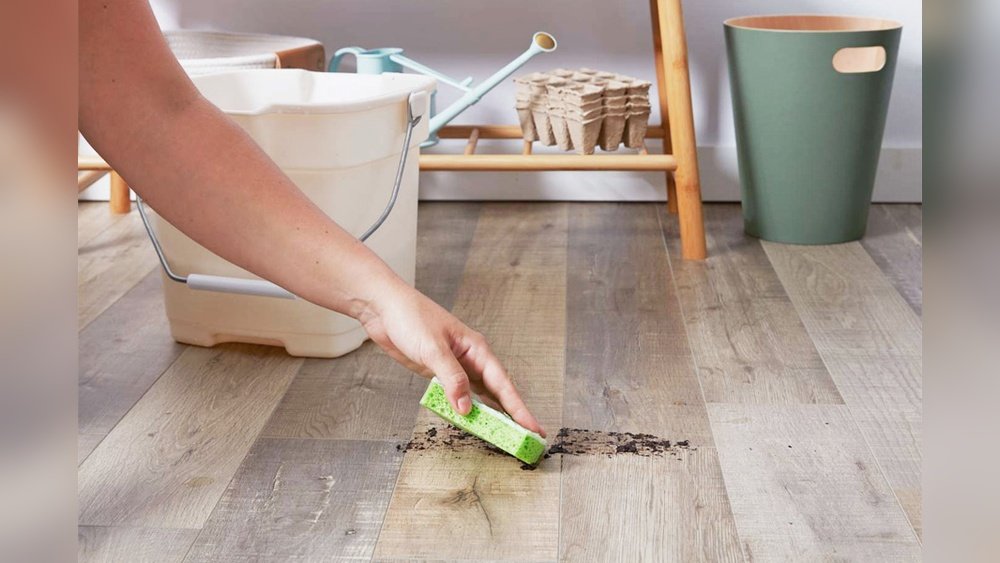
For tough spots, dip a soft brush in the vinegar solution. Gently scrub the stain in a circular motion. Do not use hard brushes or abrasive tools. They can scratch the floor surface. Repeat as needed until the stain fades.
Drying The Floor Properly
Use a clean, dry towel to wipe the floor after cleaning. This step removes extra moisture and prevents damage. Open windows or turn on fans to help the floor dry fast. Avoid walking on the floor until it is fully dry.
Tips To Avoid Damage
Cleaning very dirty laminate floors with vinegar can be effective. Care must be taken to avoid damage. Laminate floors are sensitive to water and harsh tools. Protect your floors by following simple tips. These tips help keep your floors shiny and durable.
Avoiding Excess Water
Never soak laminate floors with water or vinegar solution. Use a damp mop or cloth instead. Excess water can seep into seams and cause swelling. Wring out the mop well before cleaning. Quick drying helps prevent water damage. Use small amounts of vinegar mixed with water for cleaning.
Using The Right Tools
Choose soft microfiber mops or cloths for cleaning. Avoid abrasive scrubbers or brushes that can scratch floors. Use gentle pressure when scrubbing dirty spots. A spray bottle helps apply vinegar solution evenly and lightly. Do not use steel wool or rough pads on laminate floors.
Testing In Small Areas First
Test vinegar solution on a hidden corner before cleaning the whole floor. Watch for any discoloration or damage after a few minutes. This step ensures the vinegar mix is safe for your floor type. Adjust the vinegar concentration if needed. Small tests prevent costly mistakes on large floor areas.
Maintaining Clean Laminate Floors
Keeping laminate floors clean takes regular care. Dirt and spills can build up and damage the surface. Vinegar is a safe and natural cleaner for laminate floors. It cuts through grime without harming the finish. Consistent cleaning protects your floors and keeps them looking fresh.
Regular Cleaning Routine
Sweep or vacuum floors daily. Dirt and dust scratch the surface over time. Use a damp mop with a vinegar-water mix once a week. Avoid soaking floors with too much liquid. Dry floors quickly to stop water damage.
Quick Spot Cleaning
Wipe spills right away to prevent stains. Use a cloth dampened with vinegar solution for sticky spots. Do not scrub too hard to avoid scratches. For tough spots, let the vinegar sit a minute, then wipe clean.
Preventive Measures
Place mats at doors to catch dirt outside. Use felt pads under furniture to stop scratches. Avoid walking on floors with high heels or cleats. Keep pet nails trimmed to reduce damage. Regular care extends the life of laminate floors.
:strip_icc()/The-Best-Way-to-Clean-Laminate-Floors-to-Protect-Their-Shiny-Finish_sourcefile-92515000195c411994b06e5b23599fb4.jpg)
Frequently Asked Questions
Can Vinegar Damage Laminate Floors?
No, vinegar is safe for laminate floors when diluted properly. Use a mixture of one cup vinegar to one gallon of warm water. Avoid undiluted vinegar to prevent surface damage or dullness. Always test a small area first before full application.
How Often Should I Clean Laminate Floors With Vinegar?
Clean laminate floors with vinegar once every 1-2 weeks. Frequent cleaning removes dirt without harming the finish. Avoid over-wetting the floor to prevent water damage. Spot clean spills immediately for best results.
Can Vinegar Remove Tough Stains On Laminate Floors?
Yes, vinegar can help remove tough stains on laminate floors. Apply a vinegar-water solution to the stain and let it sit for a few minutes. Gently scrub with a soft cloth or sponge. Rinse with clean water and dry immediately.
Is Vinegar Better Than Commercial Cleaners For Laminate Floors?
Vinegar is a natural, cost-effective cleaner for laminate floors. It avoids harsh chemicals found in many commercial products. Vinegar effectively cleans dirt and grime without leaving residue. However, some commercial cleaners offer specialized protection and shine.
Conclusion
Cleaning very dirty laminate floors with vinegar is simple and effective. Vinegar removes grime without harming your floor’s shine. Use a gentle approach and avoid soaking the floor. Regular cleaning helps keep floors looking fresh and clean. This method saves money and uses natural ingredients.
Enjoy a bright, clean floor with easy steps anyone can follow. Try it today and see the difference yourself.