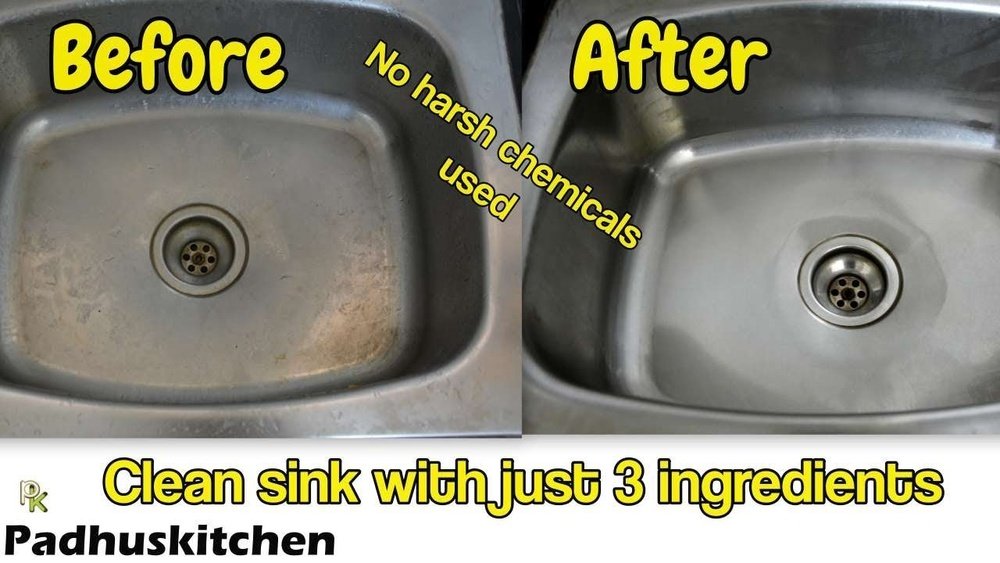
Are you tired of staring at those stubborn stains ruining the shine of your stainless steel sink? You’re not alone.
These marks can make your kitchen look dull and unclean, even if you scrub every day. But here’s the good news: getting your sink sparkling again is easier than you think. You’ll discover simple, effective ways to remove those tough stains and restore your sink’s natural shine.
Keep reading, and you’ll learn how to make your stainless steel sink look brand new—without harsh chemicals or expensive tools. Your kitchen deserves to shine, and so do you.
:max_bytes(150000):strip_icc()/GettyImages-1459148344-645c05b13bad49e58baca93d1eac1f35.jpg)
Causes Of Stains On Stainless Steel Sinks
Stains on stainless steel sinks can spoil their shiny look. Understanding what causes these stains helps keep sinks clean and fresh. Different types of stains come from water, food, and other sources. Each type needs special care to remove.
Water Spots And Mineral Deposits
Water spots form when water droplets dry on the sink surface. Minerals like calcium and magnesium in water leave white marks. These spots make the sink look dull and dirty. Hard water areas often see more mineral deposits.
Rust And Corrosion Marks
Rust can appear from metal objects left in the sink. Corrosion happens if the protective layer on the steel breaks down. These marks are usually orange or brown. Rust weakens the steel and stains the surface permanently.
Food And Chemical Stains
Certain foods like coffee, tea, and tomato sauce cause stains. Strong chemicals from cleaning products can also discolor the sink. These stains may look dark or leave a film. They can damage the steel if not cleaned quickly.
Essential Tools And Materials
Cleaning stainless steel sink stains needs the right tools and materials. Using suitable products helps protect the sink’s surface. It also makes cleaning easier and more effective. Below are key items to prepare before starting your cleaning task.
Common Household Cleaners
Many household items can remove stains from stainless steel sinks. Baking soda is gentle but effective for scrubbing. White vinegar works well to dissolve mineral deposits. Dish soap combined with warm water cleans grease and dirt. These items are easy to find and safe to use.
Specialized Stainless Steel Products
Special cleaners made for stainless steel can improve results. They remove tough stains without scratching the surface. These products often include polish to restore shine. Choose ones labeled safe for kitchen use. Follow product instructions carefully for best effects.
Cleaning Tools And Accessories
Soft cloths or microfiber towels prevent scratching during cleaning. Non-abrasive sponges help remove stains gently. Old toothbrushes reach small corners and edges. Rubber gloves protect your hands from chemicals. A spray bottle can help apply cleaners evenly.
Simple Daily Cleaning Tips
Keeping a stainless steel sink clean daily helps avoid tough stains. Simple habits protect the surface and keep it shiny. A small effort each day saves time later. Follow easy steps to maintain your sink’s look and function.
Rinsing And Wiping Techniques
Rinse the sink after every use to remove food and soap. Use warm water to wash away dirt easily. Wipe the sink with a soft cloth or sponge. Dry the sink with a clean towel to stop water spots. This routine prevents stains and keeps the sink fresh.
Avoiding Harsh Chemicals
Harsh chemicals can damage stainless steel’s finish. Skip bleach, ammonia, and abrasive cleaners. Use mild dish soap or natural cleaners instead. These safe options clean without scratching or dulling. Protect the sink’s surface by choosing gentle products.
Maintaining Shine And Finish
Use a microfiber cloth to polish the sink after cleaning. Buffing brings out the steel’s natural shine. Apply a small amount of olive oil or baby oil for extra glow. Wipe in the direction of the grain for best results. Regular polishing keeps your sink looking new.
Removing Stubborn Stains
Removing stubborn stains from a stainless steel sink can be tricky. These marks often resist regular cleaning and need special care. The right methods restore shine and keep your sink looking new. Below are three easy ways to tackle tough stains safely.
Using Baking Soda And Vinegar
Sprinkle baking soda over the stained area. Baking soda acts as a gentle abrasive. Then, pour white vinegar over the baking soda. The mixture will fizz and help lift stains. Let it sit for 10 minutes. Scrub gently with a soft cloth or sponge. Rinse thoroughly with warm water. This method is safe and eco-friendly.
Applying Lemon And Salt
Cut a lemon in half and sprinkle salt on the cut side. Use the lemon to scrub the stain. The acid in lemon breaks down mineral deposits. Salt works as a mild abrasive to remove grime. Rub the stain in a circular motion. Let the mixture sit for 5 minutes. Rinse the sink with water. This natural method also leaves a fresh scent.
Commercial Stain Removers
Choose a cleaner made for stainless steel. Read the instructions carefully before use. Apply the product directly to the stain. Use a soft cloth to rub the area gently. Avoid steel wool or harsh brushes. Rinse the sink well after cleaning. Commercial removers can be very effective on tough stains.
Preventing Future Stains
Preventing future stains on your stainless steel sink is easier than removing old marks. A few simple habits can keep your sink shiny and clean. Small changes protect the surface and save time on deep cleaning later.
Regular Maintenance Habits
Clean your sink daily with a soft cloth and mild soap. Avoid abrasive sponges that scratch the surface. Rinse well to remove soap residue. Wipe the sink dry after each use. Remove food particles quickly to stop stains from forming. Use baking soda occasionally to scrub gently. This keeps the sink looking new and fresh.
Proper Drying Methods
Water left on the sink can cause stains. Dry the sink with a soft towel or microfiber cloth. Focus on corners and edges where water gathers. Avoid air drying as it leaves water spots. Drying regularly stops mineral deposits and rust marks. Make drying a habit after every use. This simple step keeps the sink spotless for longer.
Protective Coatings And Sealants
Applying a protective coating can guard your sink. Use a stainless steel polish or sealant made for kitchen use. These products create a thin barrier against stains and scratches. Apply the coating once a month or as needed. Follow product instructions for best results. Protective layers make cleaning easier and keep the sink bright.

Troubleshooting Common Issues
Stainless steel sinks are strong but can face problems like stains, scratches, and rust. These issues make sinks look old and dirty. Fixing these problems helps keep the sink shiny and new. Simple steps can solve many common problems at home.
Dealing With Scratches
Scratches can happen from pots, pans, or knives. Use a soft cloth and baking soda paste. Rub gently along the grain of the steel. Avoid harsh scrubbing that can make scratches worse. For deep scratches, try a stainless steel polish made for sinks.
Handling Rust Spots
Rust spots appear if water sits too long or from metal tools. Use white vinegar on a cloth to rub the rust gently. Let it sit for a few minutes before wiping clean. For tough rust, use a paste of baking soda and water. Rinse well and dry the sink to stop rust from coming back.
When To Call A Professional
Some problems need expert help. Large rust areas or deep scratches may require special tools. If stains do not come off after cleaning, call a professional. Experts can restore the sink without damage. This keeps your sink safe and looking great for years.
Frequently Asked Questions
How Do I Remove Stains From A Stainless Steel Sink?
Use a mixture of baking soda and water to scrub stains gently. Rinse with warm water and dry with a soft cloth for best results.
What Household Items Clean Stainless Steel Sink Stains Effectively?
Baking soda, white vinegar, and lemon juice are excellent natural cleaners for stainless steel sink stains. They are safe and eco-friendly.
Can I Use Bleach To Clean Stainless Steel Sink Stains?
Avoid using bleach as it can damage the sink’s finish. Opt for mild cleaners like baking soda or vinegar instead.
How Often Should I Clean My Stainless Steel Sink To Avoid Stains?
Clean your sink weekly to prevent stains and water spots. Regular cleaning keeps it shiny and hygienic.
Conclusion
Cleaning stainless steel sink stains is simple with the right steps. Use gentle cleaners and soft cloths to avoid scratches. Regular cleaning keeps your sink shiny and stain-free. Quick action stops stains from setting deep. Small daily habits make a big difference over time.
Keep your sink looking fresh and new every day. A clean sink adds beauty to your kitchen space. Try these tips and enjoy a spotless sink easily.