Are you worried about the cleanliness of your PVC water pipes? Dirty pipes can affect the water quality in your home and even cause blockages.
But cleaning them doesn’t have to be a difficult or expensive task. You’ll discover simple, effective ways to clean your PVC water pipes yourself. By following these easy steps, you’ll ensure cleaner water and a healthier home. Keep reading to learn how to protect your pipes and improve your water flow today!
Signs Your Pvc Pipes Need Cleaning
Knowing when your PVC pipes need cleaning helps avoid costly repairs. Pipes can get clogged or dirty over time. Early signs show your plumbing needs attention. Watch for these common signals to keep water flowing smoothly.
Common Pipe Blockages
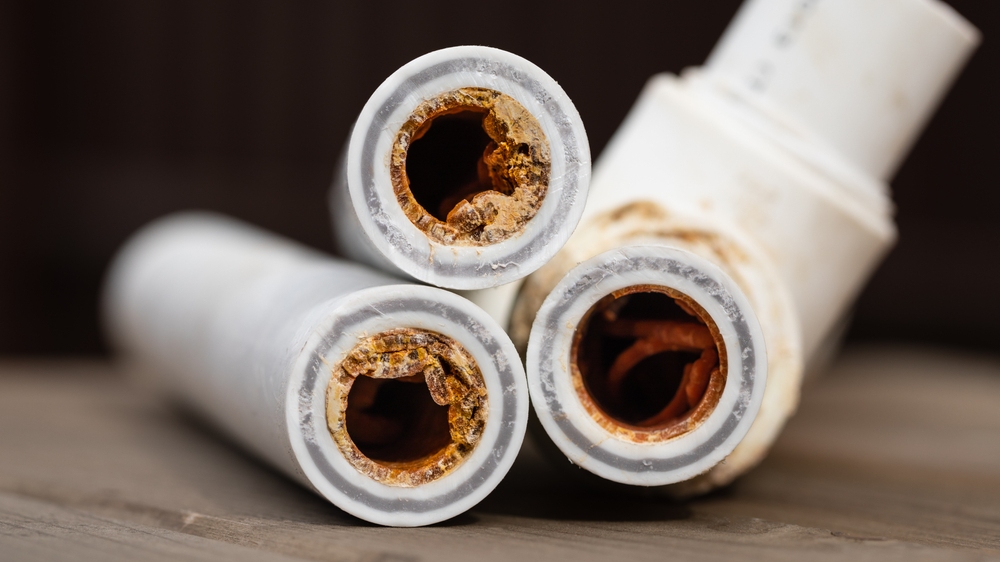
Blockages occur from dirt, grease, or hair buildup. Food scraps and soap can also cause clogs. Pipes feel slow or stop draining completely. Small blockages grow bigger if not cleaned fast.
Water Flow Issues
Water pressure drops when pipes get dirty. Faucets may drip or sputter air. Showers might spray unevenly or weakly. These signs mean pipes need clearing soon.
Unpleasant Odors
Bad smells near sinks or drains signal pipe problems. Stuck debris creates foul odors inside pipes. The smell worsens if cleaning is delayed. Fresh, clean pipes stop bad smells fast.

Essential Tools And Materials
Cleaning PVC water pipes requires the right tools and materials. These help you do the job safely and effectively. Having everything ready saves time and avoids mistakes.
Choose cleaning agents that do not damage PVC. Use basic plumbing tools to open and close pipes. Wear safety gear to protect yourself during the process.
Cleaning Agents Suitable For Pvc
Use mild detergents or soap solutions to clean PVC pipes. Avoid harsh chemicals like bleach or strong acids. These can weaken the pipes and cause leaks. Vinegar mixed with water also works well to remove buildup. Use a soft brush to scrub the inside gently.
Basic Plumbing Tools
Keep these tools handy: pipe wrench, adjustable pliers, and a pipe cutter. A bucket helps catch any water during cleaning. Use a flexible brush to reach inside pipes. A flashlight helps see inside dark pipe sections.
Safety Gear
Wear gloves to protect your hands from dirt and cleaning agents. Safety glasses keep your eyes safe from splashes. Use a mask if you work with dust or strong smells. Dress in old clothes to avoid stains and damage.
Step-by-step Cleaning Process
Cleaning PVC water pipes in your house helps keep water fresh and clear. Dirt, minerals, and buildup can block pipes over time. A simple cleaning process can clear these problems. Follow these easy steps to clean your pipes safely and effectively.
Shutting Off Water Supply
Turn off the main water valve. This stops water flow during cleaning. Open nearby faucets to drain water from pipes. Make sure no water remains inside. This step prevents spills and helps cleaning agents work better.
Flushing With Hot Water
Boil water and pour it slowly into the pipes. Hot water loosens dirt and grease inside pipes. Let the hot water sit for a few minutes. This softens buildup, making it easier to remove.
Using Vinegar And Baking Soda
Pour half a cup of baking soda into the pipe. Follow with one cup of white vinegar. You will see fizzing and bubbling. This reaction breaks down mineral deposits and grime. Wait 15 minutes before flushing the pipe with water.
Applying Commercial Cleaners
Use a cleaner made for PVC pipes if needed. Follow instructions on the product label. Avoid harsh chemicals that can damage pipes. Use gloves and work in a well-ventilated area. These cleaners remove tough stains and buildup quickly.
Rinsing And Drying Pipes
Flush pipes with plenty of clean water. This removes all cleaning agents and loosened debris. Open all faucets to let water run freely. Allow pipes to dry completely before turning water back on. Dry pipes prevent mold and mildew growth.
Preventing Future Blockages
Preventing blockages in PVC water pipes keeps water flowing smoothly. Blockages cause slow drainage and costly repairs. Regular care helps avoid these problems and extends pipe life.
Regular Maintenance Tips
Check pipes often for leaks or cracks. Flush pipes with warm water monthly. Use a pipe brush to clear minor buildup. Keep drains clean and free of debris. Schedule professional inspections yearly to catch issues early.
Avoiding Harmful Substances
Do not pour grease or oil down drains. Avoid flushing hair, food scraps, or large particles. Use drain screens to catch solids. Keep chemicals like paint or solvents away from pipes. These substances damage pipes and cause clogs.
Installing Filters And Strainers
Add filters to faucets to catch dirt and rust. Use strainers in sinks and showers to trap hair and debris. Clean filters and strainers regularly to keep water flowing. These simple tools reduce pipe blockages and protect plumbing.
When To Call A Professional
Knowing when to call a professional for cleaning PVC water pipes is important. Some issues need expert care to avoid more damage. Simple clogs can be handled at home, but serious problems should not be ignored. Here are key signs that show you need a plumber’s help.
Signs Of Serious Damage
Cracks or leaks in PVC pipes need quick attention. Water stains or damp spots on walls may mean hidden leaks. Strange noises like banging or gurgling in pipes can signal damage. Slow water flow or frequent blockages might also point to serious pipe issues.
Complex Blockages
Some blockages are too tough for home tools. Grease buildup, tree roots, or hard mineral deposits may block pipes deep inside. When plungers and simple cleaners fail, a professional with special tools can clear the pipes safely. Avoid using harsh chemicals that may harm PVC pipes.
Pipe Replacement Considerations
Old or broken PVC pipes might need replacement rather than repair. A plumber can check pipe condition and suggest the best option. Replacing pipes ensures long-term water flow and prevents future leaks. DIY replacement can be risky without proper skills and tools.
Frequently Asked Questions
How Often Should I Clean Pvc Water Pipes At Home?
Clean PVC water pipes every 6 to 12 months. Regular cleaning prevents buildup and maintains water flow. Frequent checks help spot issues early and keep pipes in good condition.
What Is The Safest Method To Clean Pvc Pipes?
Use a mixture of vinegar and baking soda for safe cleaning. Avoid harsh chemicals that can damage PVC. This natural method removes deposits without harming pipes or water quality.
Can I Use Bleach To Clean Pvc Water Pipes?
Bleach can be used sparingly but with caution. It disinfects pipes but may degrade PVC over time. Always dilute bleach and rinse thoroughly after cleaning to protect pipes.
How Do I Remove Hard Water Deposits From Pvc Pipes?
Soak affected areas with vinegar to dissolve mineral buildup. Let it sit 30 minutes, then scrub gently with a brush. This method effectively removes deposits without damaging the pipe surface.
Conclusion
Cleaning PVC water pipes keeps your home’s water safe and fresh. Regular care stops blockages and bad smells. Use gentle cleaning tools and safe solutions only. Avoid harsh chemicals that can harm the pipes. A clean pipe system helps water flow well every day.
Take a little time now to avoid big problems later. Simple steps bring lasting benefits to your plumbing. Keep your pipes clean, and enjoy clear water always.