Keeping your inground pool sparkling clean can feel like a tough job. But choosing the right pool vacuum can make all the difference.
You want a tool that saves you time, works efficiently, and fits your specific pool needs. If you’re not sure where to start, don’t worry—this guide will help you find the best pool vacuum for your inground pool. By the end, you’ll feel confident making the right choice and enjoy a cleaner, more inviting pool without the hassle.
Keep reading to discover what really matters when picking your perfect pool vacuum.
:strip_icc()/bhg-suction-pool-cleaners-test-pentair-360042-kreepy-krauly-rob-roszkowski-03-3523a97280c94384976fdf1978c83bce.jpeg)
Types Of Pool Vacuums
Choosing the right pool vacuum is key to keeping your inground pool clean. Different types of vacuums offer unique features. Knowing these types helps pick the best one for your needs. Each type has pros and cons. Consider your pool size, debris type, and budget before deciding.
Manual Pool Vacuums
Manual pool vacuums require hands-on work. You connect them to your pool’s filtration system. Then, move the vacuum head across the pool floor. This type is affordable and simple. It works best for small pools or light debris. It takes time and effort but gives good control.
Automatic Pool Cleaners
Automatic pool cleaners connect to your pool pump. They move around the pool on their own. These vacuums clean floors and walls. They save time and reduce manual work. Some models use suction, while others use pressure. They are good for medium to large pools. Regular maintenance is needed for best performance.
Robotic Pool Vacuums
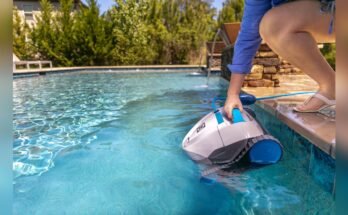
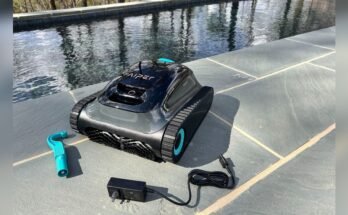
Robotic pool vacuums are the most advanced option. They run independently without using your pool pump. These vacuums have built-in filters and sensors. They clean floors, walls, and waterline efficiently. They are energy-efficient and easy to use. Robotic vacuums suit all pool sizes but cost more upfront.
:max_bytes(150000):strip_icc()/spr-zodiac-mx8-elite-suction-pool-cleaner-jeremy-laukkonen-after-2104a1a4bcdc40a1897059c33ce985b1.jpeg)
Key Features To Consider
Choosing the best pool vacuum for inground pools means checking some key features first. These features help you pick a vacuum that cleans well and lasts long. A good vacuum saves time and keeps your pool clean and safe.
Focus on power, ease, fit, and build quality. These points make a big difference in your cleaning experience and results.
Suction Power And Efficiency
Suction power is the main factor for good cleaning. Strong suction picks up dirt, leaves, and small debris fast. Efficient vacuums use less energy but still clean deeply. Check the vacuum’s flow rate and pressure specs. These tell you how well it cleans your pool floor and walls.
Ease Of Use And Maintenance
Choose a vacuum that is easy to handle. Lightweight models reduce fatigue during cleaning. Simple controls help you start and stop quickly. Also, look for vacuums with easy-to-clean filters or bags. This saves effort and keeps the vacuum working well over time.
Compatibility With Pool Type
Not all vacuums fit every inground pool. Some work better with concrete pools, others with vinyl or fiberglass. Check if the vacuum fits your pool’s shape and surface. Also, see if it works with your pool’s filtration system. Proper fit means better cleaning and less damage.
Durability And Build Quality
Strong materials make vacuums last longer. Look for models made with sturdy plastic or metal parts. Waterproof and rust-resistant features add to durability. Good build quality means your vacuum can handle frequent use and harsh pool chemicals.
Size And Pool Surface
Choosing the right pool vacuum depends a lot on the size of your pool and the type of surface it has. These two factors affect how well the vacuum cleans and how easy it is to use. Understanding your pool’s size and surface helps you pick a vacuum that works best for your inground pool.
Matching Vacuum Size To Pool Size
Small pools need smaller vacuums that are easier to handle. Large pools require bigger vacuums with strong suction. Using a vacuum too small for a large pool means more cleaning time. Too big for a small pool can be hard to control. Choose a vacuum size that fits your pool size for the best cleaning results.
Handling Different Pool Surfaces
Pool surfaces vary. Some are smooth like plaster, while others are rough like concrete. Soft surfaces need gentle suction to avoid damage. Rough surfaces need strong suction to remove dirt from crevices. Some vacuums come with adjustable suction settings. Others have brushes designed for certain surfaces. Pick a vacuum that matches your pool’s surface to keep it clean and safe.
Energy Consumption And Cost
Energy consumption and cost are key factors when choosing a pool vacuum for inground pools. A vacuum that uses less energy saves money on electricity bills. It also helps reduce your pool’s overall maintenance cost. Understanding both initial and ongoing costs is essential for smart buying.
Initial Purchase Price
The first cost of a pool vacuum varies widely. Basic models cost less but may lack features. Advanced vacuums tend to be more expensive but offer better cleaning. Consider your budget and the vacuum’s durability. A higher price can mean longer life and fewer repairs.
Operating Costs And Energy Use
Operating costs include electricity and maintenance. Some vacuums use more power, raising energy bills. Look for energy-efficient models with low wattage motors. Robotic vacuums often use less energy than suction or pressure types. Regular maintenance keeps energy use low and extends vacuum life.
Additional Features And Accessories
Choosing the right pool vacuum involves more than just suction power. Additional features and accessories can make cleaning easier and faster. These extras help save time and keep your pool cleaner for longer. Understanding these features helps you pick the best vacuum for your inground pool.
Timers And Programmable Settings
Some pool vacuums come with timers. Timers allow you to set cleaning times. The vacuum runs automatically and stops when done. Programmable settings let you choose cleaning modes. This makes the vacuum work efficiently for different pool sizes. You can relax while the vacuum cleans on its own.
Debris Capacity And Filtration
Vacuum debris capacity matters. A larger capacity means fewer emptying stops. Good filtration traps small particles and dirt. Some vacuums have fine filters to catch tiny debris. This keeps your pool water clear and clean. Check the filter type before buying a vacuum.
Remote Control And Smart Features
Remote control adds convenience. You can guide the vacuum from a distance. Some models connect to smartphone apps. Smart features allow scheduling and monitoring cleaning progress. This helps maintain your pool without extra effort. Smart vacuums offer better control and ease of use.
Tips For Maintenance And Care
Proper maintenance and care keep your pool vacuum working well. It saves time and money by avoiding repairs. Simple habits help your vacuum last longer and clean better. Follow easy steps for daily and seasonal care.
Regular Cleaning Routines
Clean the vacuum after each use. Remove debris from the filter and brushes. Check the hose for blockages or cracks. Rinse parts with fresh water to stop dirt build-up. Regular cleaning stops damage and keeps suction strong.
Storage And Winterizing
Store the vacuum in a dry, shaded area. Avoid direct sunlight to protect plastic parts. In cold weather, drain all water from the vacuum. Remove batteries or unplug electric models before storing. Proper storage prevents cracks and damage from freezing.
Troubleshooting Common Issues
If suction drops, check for clogs in the hose or filter. Replace worn brushes or belts quickly. Listen for strange noises that could mean a problem inside. Test the power supply or batteries regularly. Fix small issues early to avoid bigger repairs.
:max_bytes(150000):strip_icc()/spr-zodiac-mx8-elite-suction-pool-cleaner-jeremy-laukkonen-after-1-498a346061e74069a4fb119403b1e2ba.jpeg)
Frequently Asked Questions
What Factors Matter In Choosing A Pool Vacuum?
Consider pool size, debris type, and vacuum power. Choose a vacuum that fits your inground pool’s shape. Also, check ease of use and maintenance features for convenience.
Are Robotic Pool Vacuums Good For Inground Pools?
Yes, robotic vacuums offer efficient cleaning and save time. They work independently and handle various debris types well. They are ideal for regular maintenance.
How Often Should I Vacuum My Inground Pool?
Vacuum your pool weekly or after heavy use. Regular vacuuming prevents algae buildup and keeps water clear. Adjust frequency based on pool usage and debris accumulation.
Can Manual Pool Vacuums Clean Large Inground Pools?
Manual vacuums can clean large pools but require effort. They are cost-effective but less convenient than automatic models. Choose based on your cleaning frequency and physical capacity.
Conclusion
Choosing the right pool vacuum keeps your inground pool clean and safe. Focus on ease of use, power, and compatibility with your pool type. Consider your budget and how often you clean the pool. A good vacuum saves time and effort.
Clean water means more fun and less worry. Take your time to pick the best one for your needs. Your pool will thank you with crystal-clear water all season.