Does your dog seem restless, shaky, or overly nervous? If your furry friend struggles with anxiety, you’re not alone—and there are simple ways you can help.
Imagine your dog feeling calm, relaxed, and happy again. You’ll discover practical tips that really work to soothe your anxious dog. Keep reading, because your dog’s peace of mind is closer than you think.
Signs Of Canine Anxiety
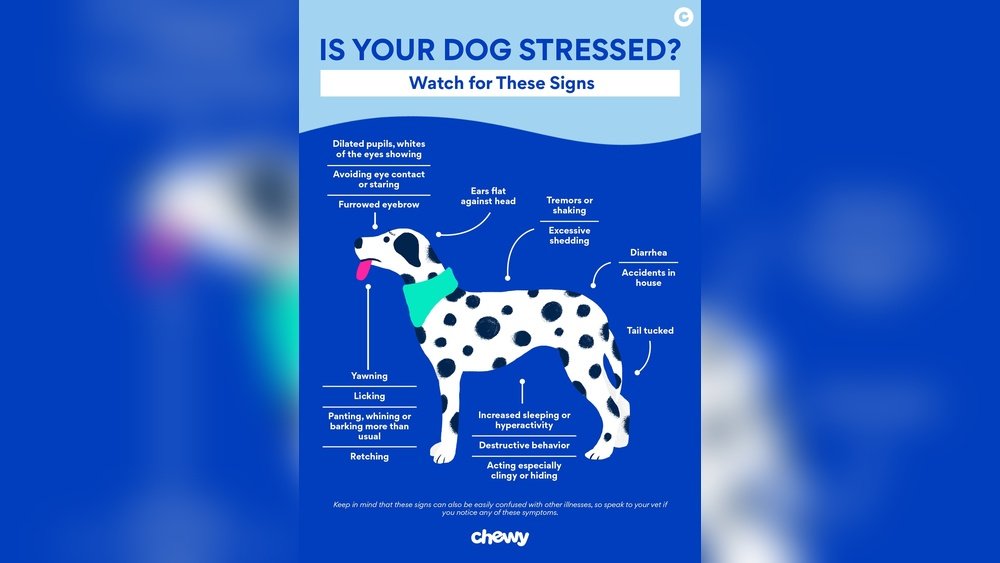
Recognizing signs of anxiety in dogs helps you provide comfort fast. Dogs cannot tell us how they feel. Instead, they show it through their body and actions. Knowing these signs makes calming your dog easier. Watch closely for changes in how your dog looks and acts. These clues reveal their inner stress.
Physical Symptoms
An anxious dog may shake or tremble often. Panting more than usual is another sign. Some dogs drool or lick their lips a lot. Ears pinned back or tail tucked low shows fear. Restlessness or pacing can mean your dog feels uneasy. Sometimes, dogs freeze or avoid eye contact. Changes in breathing, like rapid breaths, happen too. These physical signs are clear signals of anxiety.
Behavioral Changes
Look for sudden changes in your dog’s behavior. Barking or whining more than normal is common. Some dogs try to hide or stay away from people. Chewing on furniture or destructive behavior may start. Loss of appetite or refusing treats can occur. Your dog may also show signs of clinginess. These behavioral shifts help identify stress early. Acting quickly can reduce your dog’s anxiety.
Common Triggers
Dogs can feel anxious for many reasons. Understanding common triggers helps calm your dog faster. Knowing what causes stress allows you to act with care. This section covers typical triggers that make dogs uneasy.
Environmental Factors
Changes in the environment often upset dogs. New places, strange smells, or unfamiliar people can cause worry. Dogs rely on routine and familiar surroundings. Sudden changes may confuse or scare them. Keeping a stable environment helps reduce anxiety.
Separation Anxiety
Many dogs stress when left alone. They feel lonely and scared without their owners. This anxiety shows as barking, whining, or destructive behavior. Dogs need gradual training to feel safe alone. Comfort items and short absences build their confidence.
Loud Noises
Thunderstorms, fireworks, and traffic noises frighten many dogs. Loud sounds startle their sensitive ears. They may hide, shake, or try to escape. Creating a quiet, safe space lowers their fear. Soft music or calming sounds can also help.
Immediate Calming Techniques
When a dog feels anxious, acting quickly can help calm them down. Immediate calming techniques work fast to reduce stress. These methods create a safe space and comfort your dog. They are simple to use anytime your dog feels uneasy.
Gentle Touch And Massage
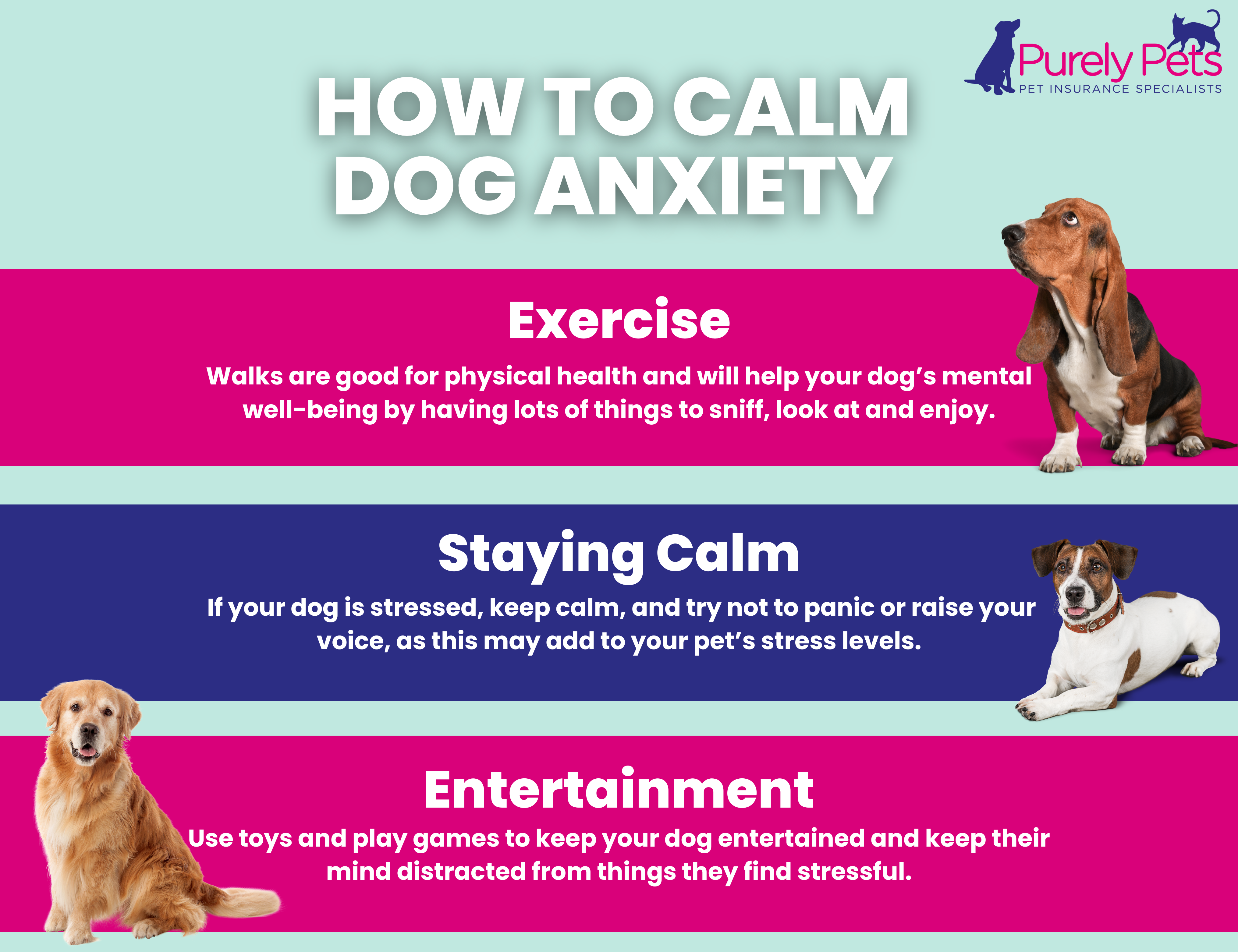
Softly pet your dog in slow, gentle strokes. Focus on areas like the chest, shoulders, and behind the ears. Use calm and steady pressure to relax their muscles. A light massage can lower their heart rate and ease tension. This touch shows your dog they are safe and loved.
Soothing Voice
Speak to your dog in a calm and quiet tone. Use short, soft words or a gentle hum. Your voice can help them feel less scared. Avoid loud or fast talking as it may increase anxiety. A steady voice builds trust and brings calm quickly.
Distraction Methods
Offer a favorite toy or treat to shift their focus. Play a simple game like fetch or hide and seek. These activities take their mind off stress. You can also try giving a chew toy to keep them busy. Distractions work well to reduce anxious feelings fast.
Creating A Safe Space
Creating a safe space helps calm an anxious dog. Dogs feel more secure in a spot they know is theirs. This place should be quiet, cozy, and free from stress. It becomes a refuge when your dog feels nervous or scared. A safe space supports your dog’s emotional health and comfort.
Comfortable Bedding
Soft bedding gives your dog a cozy spot to rest. Choose materials that are gentle on their skin. Add blankets or cushions that your dog likes. Clean the bedding often to keep the area fresh. A comfy bed invites your dog to relax and feel safe.
Quiet Environment
Noise can increase your dog’s anxiety. Pick a quiet corner in your home for the safe space. Avoid places near loud appliances or busy rooms. Soundproof the area if possible with rugs or curtains. A calm environment helps your dog stay peaceful and calm.
Use Of Calming Aids
Calming aids can reduce stress for your dog. Use pheromone diffusers or sprays designed for dogs. Soft music or white noise may also help calm nerves. Offer chew toys or treats that soothe anxiety. These aids support the safe space and comfort your dog.
Exercise And Mental Stimulation
Exercise and mental stimulation play a key role in calming an anxious dog. Physical activity helps burn off nervous energy. It also keeps your dog’s mind busy. A tired dog is a happy dog. Mental challenges reduce stress and prevent boredom. Together, these methods improve your dog’s overall mood and behavior.
Daily Physical Activity
Regular walks are essential for anxious dogs. They provide exercise and new sights and smells. Running, playing fetch, or swimming also works well. Exercise releases natural chemicals that calm your dog. Try to keep a consistent routine. This creates a sense of security and predictability. Even short sessions help reduce anxiety.
Interactive Toys
Interactive toys stimulate your dog’s brain. Puzzle feeders make your dog think and work for treats. Chew toys help relieve tension and focus energy. Rotate toys often to maintain interest. These toys keep your dog engaged and distracted. Mental stimulation lowers stress and stops destructive behavior.

Training And Behavior Modification
Training and behavior modification play a key role in calming an anxious dog. These methods help dogs feel safe and build trust. You teach your dog how to stay calm in stressful situations. This process takes time and patience. Consistency is important for the best results.
Positive Reinforcement
Positive reinforcement means rewarding good behavior. This encourages your dog to repeat calm actions. Use treats, praise, or toys as rewards. For example, reward your dog when it stays calm during loud noises. This helps the dog link calmness with positive outcomes. Avoid punishment, which can increase anxiety. Focus on small steps and celebrate progress.
Desensitization Techniques
Desensitization reduces fear by exposing your dog to triggers slowly. Start with low levels of the trigger, like soft sounds or distant sights. Gradually increase the intensity over time. Watch your dog’s reactions carefully. Stop if your dog shows stress. This method helps your dog get used to fears in a safe way. Pair it with positive reinforcement for better success.
Diet And Supplements
Diet plays a key role in managing a dog’s anxiety. What your dog eats affects their mood and behavior. Certain foods and supplements can help soothe anxious feelings. A balanced diet supports overall health and calmness. Choosing the right treats and natural supplements can make a big difference.
Calming Treats
Calming treats often contain ingredients like chamomile or valerian root. These herbs have mild relaxing effects. Treats with L-theanine or tryptophan help increase serotonin levels. Serotonin is a brain chemical that promotes calmness. Giving these treats before stressful events can ease anxiety. Always pick treats made for dogs, with safe ingredients.
Natural Supplements
Natural supplements can support your dog’s nervous system. Omega-3 fatty acids found in fish oil reduce stress. Probiotics improve gut health, which links to mood regulation. CBD oil is popular for its calming effects, but check with a vet first. Magnesium supplements may help relax muscles and nerves. Use supplements as part of a broader calming plan for your dog.
When To Seek Professional Help
Knowing when to seek professional help is key to calming an anxious dog. Some signs show that your dog needs more than home care. Professionals can offer guidance and treatments beyond basic calming methods. Acting early can improve your dog’s well-being and prevent worse problems.
Veterinarian Consultation
Visit a veterinarian if your dog shows severe anxiety signs. These include shaking, hiding, or sudden aggression. Your vet can check for medical issues causing anxiety. Sometimes pain or illness leads to nervous behavior. The vet may suggest medications to ease anxiety symptoms. This step ensures your dog’s health is fully checked.
Behavioral Specialist
A behavioral specialist helps when anxiety affects daily life. They study your dog’s habits and triggers carefully. Specialists create plans for training and behavior modification. This personalized approach targets the root of anxiety. They teach you how to handle stressful situations. This support makes calming your dog easier and more effective.
Frequently Asked Questions
How Can I Recognize Anxiety In My Dog?
Signs of anxiety include trembling, barking, pacing, and excessive licking. Watch for changes in behavior or appetite. Early detection helps manage your dog’s stress effectively.
What Are Quick Ways To Calm An Anxious Dog?
Use soothing tones, gentle petting, and provide a safe space. Try calming treats or toys. Avoid loud noises and sudden movements to reduce anxiety quickly.
Can Exercise Reduce My Dog’s Anxiety?
Yes, regular exercise releases endorphins that improve mood. Walks, playtime, and training sessions help burn excess energy. Exercise also strengthens your bond and builds confidence.
Are Calming Products Effective For Anxious Dogs?
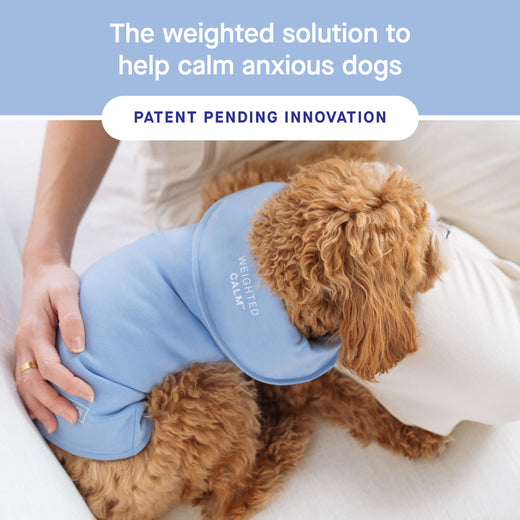
Calming products like pheromone diffusers, anxiety wraps, and supplements can help. Results vary per dog. Consult your vet before using any new products to ensure safety.
Conclusion
Calming an anxious dog takes patience and gentle care. Consistent routines help your dog feel safe. Simple actions, like soft talking and slow petting, ease stress. Exercise and play can also reduce anxiety. Watch your dog’s signals to understand needs better.
Remember, small steps lead to big improvements. Stay calm and supportive every day. Your dog will thank you with trust and happiness. Keep trying, and you will see progress soon.