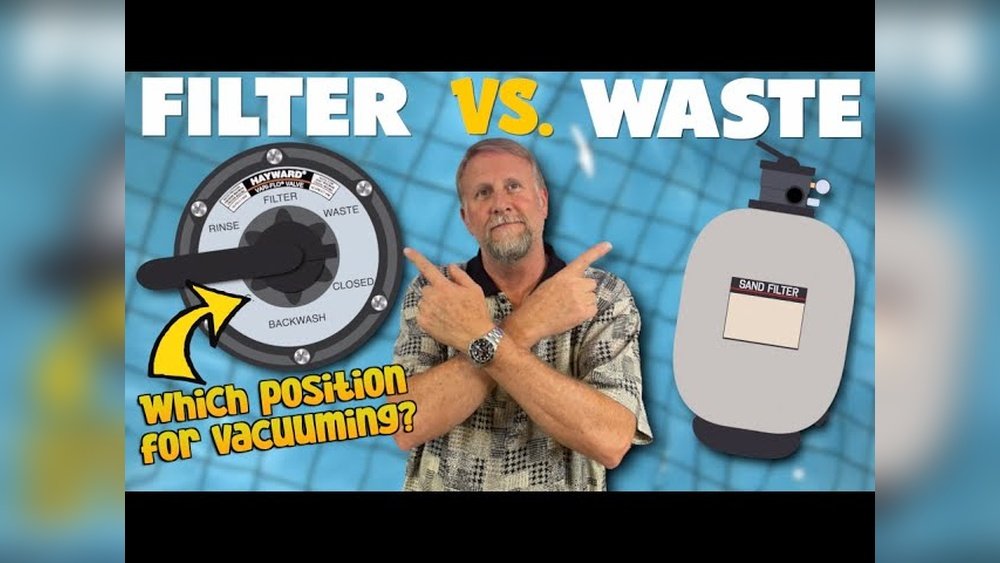
If you own a pool, you know how important it is to keep the water clean and clear. After vacuuming your pool, one crucial step many people overlook is backwashing the filter.
Skipping this can reduce your filter’s efficiency and leave your pool less sparkling than it should be. But don’t worry—this process is easier than you think. You’ll learn exactly how to backwash your pool filter the right way, so your water stays fresh and inviting all season long.
Keep reading to make sure you’re doing it correctly every time.
Why Backwash Matters
Backwashing the pool filter is a key step after vacuuming. It clears out dirt and debris trapped inside. Without backwashing, the filter clogs and stops working well. This reduces water flow and pool cleanliness. Regular backwashing helps keep the pool water clear and healthy.
Role Of Filter In Pool Cleaning
The pool filter removes dirt, leaves, and tiny particles. It traps debris that cloud the water. Clean water passes through the filter and returns clear. The filter keeps the pool safe and pleasant to swim in. A dirty filter cannot clean properly and lowers water quality.
When To Backwash
Backwash the filter when the pressure gauge rises 8-10 psi above normal. High pressure means the filter is full of debris. Backwashing resets the pressure and clears the filter. Vacuuming adds dirt to the filter, so backwash right after. Regular backwashing prevents damage and keeps the pool sparkling.
Tools Needed
Knowing the tools needed for backwashing your pool filter is important. These tools help you clean the filter effectively and keep your pool water clear. Having the right equipment makes the job easier and faster. It also ensures your pool system stays in good condition.
Essential Equipment
First, you need a backwash hose. It directs dirty water away from your pool area. A garden hose can work but a backwash hose is better. Next, have a wrench or pliers ready. These tools help open the filter’s drain plug. Also, keep a bucket nearby to catch any water spills.
Wear gloves to protect your hands from dirt and chemicals. A pool vacuum is also necessary for cleaning before backwashing. Finally, keep a clean towel to wipe any spills or water drops.
Safety Precautions
Always turn off the pool pump before starting. This prevents damage and keeps you safe. Avoid touching the filter parts with wet hands. Chemicals in the pool water can irritate your skin. Use gloves to protect your hands during the process.
Keep children and pets away while backwashing. The water flow can be strong and messy. Make sure the backwash hose is securely connected. This stops water from leaking onto the ground or walkways.
Pre-backwash Setup
Before you start backwashing the pool filter, some preparation is important. The pre-backwash setup helps protect your pool system. It also makes the cleaning process smooth and effective.
Following these simple steps ensures your filter works well after vacuuming. Proper setup saves time and avoids damage to your equipment.
Turn Off The Pump
Always switch off the pool pump before changing the filter setting. This stops water flow and prevents pressure build-up. Turning off the pump keeps the system safe.
Do not try to move the valve while the pump runs. It may cause leaks or damage inside the filter. Wait a few seconds after turning off the pump before proceeding.
Position The Multiport Valve
Next, move the multiport valve handle to the “Backwash” position. This valve controls where the water flows inside the filter system. Setting it correctly directs water to clean the filter media.
Make sure the handle locks firmly in place. A loose valve can cause water to leak or flow the wrong way. Check the valve label to confirm the right position.
Backwashing Steps
Backwashing the filter after vacuuming keeps your pool clean and clear. It removes dirt trapped in the filter. Follow these simple steps to backwash correctly. Each step helps maintain your pool system’s health.
Start The Pump
Turn off the pool pump first. Set the filter valve to the backwash position. Switch the pump back on. This sends water in reverse through the filter. Dirt and debris move out through the waste line.
Monitor The Waste Water
Watch the water flowing out of the waste line. It should look dirty at first. Keep an eye on the color of the water. When it runs clear, the filter is clean. This means most trapped dirt is gone.
Duration To Backwash
Backwash for about two to three minutes. Stop sooner if the water clears quickly. Avoid backwashing too long to save water. Turn off the pump after backwashing. Set the valve back to the filter setting. Restart the pump to resume normal filtering.
Rinse Cycle
The rinse cycle is a key step after backwashing your pool filter. It helps clear leftover dirt and resets the filter’s sand or cartridge. Skipping this step can cause dirty water to flow back into the pool. This reduces water clarity and may damage the filter system.
Rinsing only takes a minute but makes a big difference. It cleans the filter system without wasting water. Knowing how to rinse properly keeps your pool water fresh and safe for swimming.
Why Rinse After Backwash
Backwashing pushes dirt out of the filter. Some dirt stays inside the filter tank. Rinsing moves this dirt out of the system. It prevents dirty water from going back into the pool. Rinsing also helps settle the filter media, like sand. This stops the filter from loosening or moving during the next run.
Without rinsing, the pool pump might suck in dirt again. This can make the pool cloudy or dirty quickly. Rinsing protects your pool’s clarity and keeps the filtration system working well.
How To Rinse Properly
Turn the filter valve to the “Rinse” position right after backwashing. Turn on the pool pump and let water run for 30 seconds to 1 minute. Watch the water in the sight glass or discharge line. It should run clear and steady.
Stop the pump and turn the valve to the “Filter” setting. This resets the filter for normal use. Rinsing once each time you backwash is enough. Avoid running rinse for too long to save water. Proper rinsing keeps your pool clean and your filter healthy.

Reset Filter System
Resetting the filter system is a key step after backwashing the pool filter. It ensures the system works correctly and keeps the water clean. This step prepares your pool for normal operation again. Follow these simple actions to reset your filter system safely.
Return Valve To Filter Mode
Turn the multiport valve back to the filter setting. This position allows water to flow through the filter properly. Make sure the valve is firmly in place. A loose valve can cause leaks or poor filtration. Check the valve handle and lock it securely.
Restart Pump
Switch the pump back on after setting the valve. The pump pushes water through the filter. Listen for any strange noises that might mean a problem. Watch the pressure gauge; it should be normal. Restarting the pump completes the reset process effectively.
Post-backwash Tips
After backwashing your pool filter, some steps help keep the system working well. These post-backwash tips ensure clean water and a longer filter life. Simple checks and regular care make a big difference.
Check Pressure Gauge
Look at the filter’s pressure gauge after backwashing. The pressure should be lower than before. This shows the filter is clean and water flows freely. If pressure stays high, the filter might need more cleaning. Watch this gauge often to spot problems early.
Maintain Regular Backwashing Schedule
Backwash your filter regularly based on use and pool size. A set schedule keeps dirt from building up inside the filter. Too much dirt makes the filter work harder and wastes energy. Write down the dates and stick to your routine for best results.

Frequently Asked Questions
How Long Should I Backwash The Filter After Vacuuming?
Backwash your pool filter for 2 to 3 minutes after vacuuming. This clears out debris and restores proper water flow. Stop when the water runs clear in the sight glass. Avoid over-backwashing to prevent wasting water and filter damage.
When Is The Best Time To Backwash A Pool Filter?
Backwash your pool filter immediately after vacuuming or when the pressure gauge rises 8-10 psi. This ensures efficient cleaning and maintains water clarity. Regular backwashing keeps the filter working well and extends its lifespan.
Can I Skip Backwashing After Vacuuming The Pool?
Skipping backwashing can clog the filter and reduce efficiency. Vacuuming stirs up debris that clogs the filter media. Always backwash after vacuuming to remove trapped dirt and maintain clean, clear pool water.
What Happens If I Backwash Too Often?
Over-backwashing wastes water and may damage the filter media. It can also reduce the filter’s effectiveness over time. Only backwash when necessary, such as after vacuuming or when pressure rises significantly.
Conclusion
Backwashing the filter after vacuuming keeps your pool clean and clear. It removes dirt trapped in the filter quickly. Always follow the right steps to avoid damage. Clean filters help water flow better and save energy. Regular backwashing extends the life of your pool system.
Remember to check the pressure gauge often. This simple task protects your pool investment. Keep your pool water fresh and inviting all season long. Easy care means more time for fun in the water.