You rely on your robot vacuum to keep your floors spotless without lifting a finger. But have you ever wondered how often you should replace its parts to keep it running smoothly?
Ignoring worn-out components can lead to poor cleaning performance and even damage your device. You’ll discover exactly when and why you need to swap out key parts of your robot vacuum. Keep reading to make sure your cleaning companion stays in top shape, saving you time, money, and hassle.
Robot Vacuum Lifespan
Robot vacuums help keep floors clean with little effort. Their lifespan depends on how well you care for them. Understanding how long parts last helps you maintain your device. This way, you avoid unexpected breakdowns and save money.
Average Lifespan Of Parts
Brushes usually need replacement every 6 to 12 months. Filters last about 3 to 6 months before they clog. Batteries often work well for 1 to 2 years. Sensors and wheels can last several years with proper care. Knowing these timelines helps plan maintenance easily.
Factors Affecting Durability
Usage frequency impacts how fast parts wear out. Cleaning more often causes parts to wear quicker. Floor type matters; carpets wear brushes faster than hard floors. Dust and pet hair clog filters sooner than clean spaces. Proper cleaning and storage extend parts’ life. Regular checks catch problems early, saving costs.
Main Parts To Replace
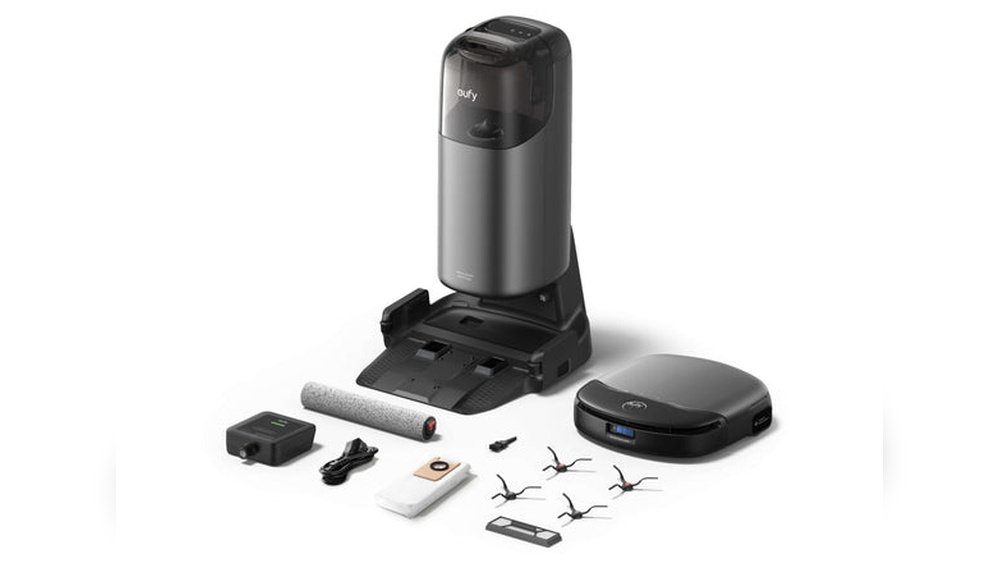
Robot vacuums need parts replaced to keep working well. Some parts wear out faster. Knowing the main parts to replace helps your vacuum last longer. Regular checks and changes keep your home cleaner.
Focus on parts that get dirty, wear down, or lose power. These parts affect cleaning performance the most. Replace them on time for the best results.
Filters
Filters catch dust and tiny dirt from the air. Over time, they fill up and block airflow. Dirty filters reduce suction and cleaning power. Change filters every 2 to 3 months. Use the right filter for your model.
Brushes And Rollers
Brushes and rollers pick up dirt and hair from floors. They get tangled or worn out quickly. Worn brushes clean poorly and may damage floors. Replace brushes every 6 to 12 months. Clean them often to last longer.
Batteries
Batteries power your robot vacuum. They lose charge capacity over time. A weak battery shortens cleaning time and may stop working. Replace batteries every 1 to 2 years. Use original or compatible batteries for safety.
Sensors
Sensors help the vacuum navigate your home. Dust or damage can make sensors fail. Faulty sensors cause bumps or missed spots. Clean sensors regularly with a soft cloth. Replace sensors if the vacuum moves oddly or errors appear.
Signs Parts Need Replacement
Knowing when to replace robot vacuum parts saves time and money. Parts wear out with use. Early signs help you act before damage grows. Watch your robot closely. Small changes tell a big story.
Check these common signs to know if parts need replacement.
Decreased Cleaning Efficiency
The robot misses dirt and dust more often. It takes longer to clean the same area. Brushes may look worn or broken. Sensors might not detect obstacles well. This drop shows parts are tired.
Unusual Noises
Listen for strange sounds during operation. Grinding, squeaking, or rattling are red flags. These noises mean parts like wheels or motors may fail. Ignoring sounds can cause bigger problems.
Battery Life Drops
The robot runs shorter than before. Charging takes longer or stops early. Batteries lose capacity over time. A weak battery reduces cleaning time and efficiency. Replace it to keep your vacuum working well.
Error Messages
Robots show error codes or alerts on the app or screen. These messages point to specific parts failing. Ignoring errors risks total breakdown. Use the manual or app guide to understand the alerts.

Replacement Frequency Guidelines
Knowing how often to replace robot vacuum parts helps keep your device working well. Regular changes prevent problems and keep cleaning strong. Different parts wear out at different rates. Follow these guidelines to maintain your robot vacuum properly.
Filters Replacement Schedule
Filters trap dust and dirt from the air. Replace them every 2 to 3 months. If you have pets or allergies, change filters more often. Clean filters regularly to help them last longer.
Brushes And Rollers Replacement
Brushes and rollers pick up hair and debris. Replace them every 6 to 12 months. Check for wear or damage monthly. Clean brushes often to stop clogs and keep them spinning well.
Battery Replacement Timing
Batteries lose power over time. Replace the battery every 1 to 2 years. If your vacuum runs shorter than usual, it may be time. Use only the recommended battery for your model.
Sensor Maintenance And Replacement
Sensors guide the vacuum around your home. Clean them gently every month with a soft cloth. Replace sensors only if they stop working or get damaged. Proper sensor care ensures smooth operation.
Tips To Extend Part Lifespan
Extending the lifespan of your robot vacuum parts saves money and improves cleaning performance. Proper care keeps the device working longer and avoids frequent replacements. Simple habits make a big difference.
Regular Cleaning Routine
Clean brushes, filters, and sensors often. Remove hair and dust from brushes after each use. Wash or replace filters as the manual suggests. Wipe sensors gently with a soft cloth. Dirt buildup causes parts to wear out faster.
Proper Storage
Store your robot vacuum in a dry, cool place. Avoid areas with extreme heat or moisture. Keep it on its charging dock when not in use. Proper storage prevents damage to batteries and electronic parts. This helps maintain battery life and overall function.
Using Genuine Parts
Choose original parts from the manufacturer. Genuine parts fit better and last longer. Cheap alternatives may cause damage or reduce cleaning efficiency. Investing in real parts protects your vacuum and keeps it running smoothly.

Cost Considerations
Cost plays a big role in deciding when to replace robot vacuum parts. Small repairs can save money. But sometimes, new parts work better and last longer. Knowing the price of parts helps plan your budget. It also guides you to make smart choices about fixing or replacing parts.
Price Range For Common Parts
Brushes usually cost between $10 and $30. Filters range from $15 to $40. Batteries can be pricier, often $40 to $100. Wheels and sensors often cost around $20 to $50. Prices vary by brand and model. Buying original parts can cost more but may last longer.
When To Repair Vs Replace
Repair small parts when the cost is less than half of new parts. Replace parts if repairs cost nearly the same as new ones. Replace batteries every 1 to 2 years for best performance. Replace brushes and filters every few months. Sensors and wheels last longer but check for damage often.
Frequently Asked Questions
How Often Should Robot Vacuum Brushes Be Replaced?
Robot vacuum brushes should be replaced every 6 to 12 months. Frequent use or pet hair may require earlier replacement. Regular cleaning extends brush life and maintains optimal cleaning performance.
When To Replace Robot Vacuum Filters?
Replace robot vacuum filters every 2 to 3 months. Dirty filters reduce suction power and can cause motor strain. Check manufacturer guidelines for specific filter types and replacement schedules.
How Long Do Robot Vacuum Batteries Last?
Robot vacuum batteries generally last 1 to 2 years. Battery life depends on usage frequency and charging habits. Replace batteries when runtime significantly decreases or the vacuum won’t hold charge.
Can Worn Robot Vacuum Parts Affect Cleaning Quality?
Yes, worn parts like brushes and filters reduce cleaning efficiency. Replace parts timely to ensure strong suction and thorough dirt pickup. Regular maintenance improves robot vacuum performance and longevity.
Conclusion
Replacing robot vacuum parts regularly keeps your device working well. Brushes and filters wear out fastest and need checking often. Batteries usually last longer but still need attention. Clean parts help your vacuum pick up dirt better. Pay attention to noise or poor cleaning as signs.
Routine care extends your vacuum’s life and performance. Small efforts prevent big problems later. Stay on top of maintenance for a cleaner home.