Keeping your swimming pool clean is key to enjoying every swim without worries. But how often should you vacuum your swimming pool to keep it sparkling clear?
If you’re like most pool owners, you want to spend less time cleaning and more time relaxing. The answer isn’t the same for everyone—it depends on several factors that affect your pool’s cleanliness. You’ll discover the simple guidelines to follow so you can keep your pool inviting all season long.
Ready to make your pool care easier and more effective? Let’s dive in!
Factors Affecting Vacuum Frequency
Several factors affect how often you should vacuum your swimming pool. Each pool is unique. Cleaning needs change based on use and environment. Knowing these factors helps keep your pool clean and safe.
Regular vacuuming removes dirt, leaves, and debris. Skipping this step can cause algae and stains. Let’s explore what influences vacuum frequency.
Pool Usage And Size
More swimmers mean more dirt and oils in the water. Larger pools have more surface area to clean. Smaller pools may need less frequent vacuuming. A busy pool needs vacuuming at least once a week. A pool used rarely can be cleaned every two weeks.
Surrounding Environment
Trees drop leaves and twigs into the pool. Nearby plants shed pollen and dust. Pools near dusty roads collect more dirt. Pools in clean, open areas stay cleaner longer. Check your pool often if surrounded by lots of plants.
Weather Conditions
Wind blows leaves and dirt into the pool. Rain washes debris into the water. Storms can bring heavy dirt and branches. Hot weather encourages algae growth. Vacuum more after windy or rainy days to keep water clear.
Recommended Vacuuming Schedules
Keeping your pool clean depends on a good vacuuming schedule. Regular vacuuming helps keep water clear and safe. It also stops dirt and algae from building up. Different pools need different vacuuming routines. This section explains the best schedules for various pool types and conditions.
Weekly Routine For Regular Pools
Vacuum your pool once every week for normal use. This keeps dirt and leaves from settling. Spend about 30 to 45 minutes on the task. Focus on corners and steps where debris hides. Regular vacuuming saves time later and keeps water fresh.
Adjustments For High Traffic Pools
Pools used often need vacuuming twice or three times weekly. More swimmers bring more dirt and oils. Check the pool floor daily for visible debris. Increase vacuuming if algae or dirt appears fast. This keeps the water clear and swimmers safe.
Vacuuming After Storms Or Debris
Storms can blow leaves and dirt into your pool. Vacuum as soon as possible after heavy rain or wind. This prevents debris from sinking and staining pool surfaces. Remove all visible debris to avoid water contamination. Quick vacuuming helps keep the pool water clear and healthy.
Choosing The Right Vacuum Method
Choosing the right vacuum method is key to keeping your pool clean and clear. Different vacuum types work best for different pools and needs. Understanding each option helps you pick the best fit. This saves time and effort while maintaining pool hygiene.
Manual Vs. Automatic Vacuums
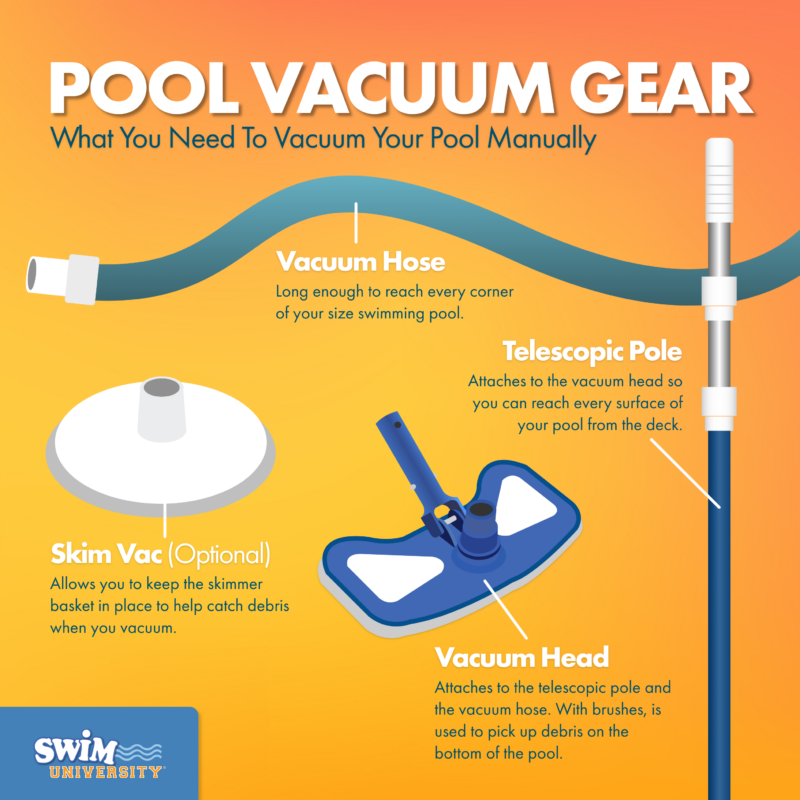
Manual vacuums require you to push and guide them across the pool floor. They give you full control and work well for small pools. These vacuums are affordable and simple. Automatic vacuums move on their own using the pool’s filtration system. They save time but may miss some spots. Ideal for regular maintenance in medium to large pools.
Robotic Vacuum Benefits
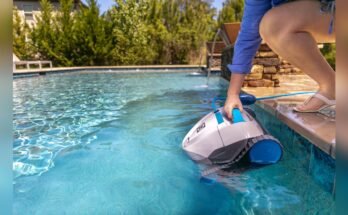
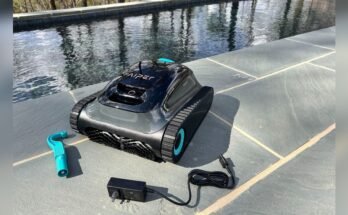
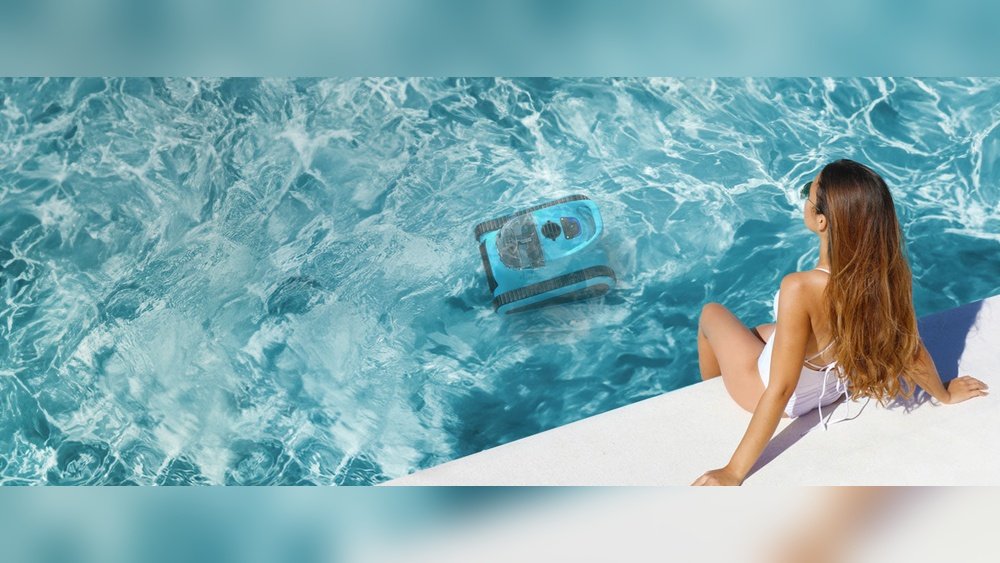
Robotic vacuums operate independently with their own power. They scrub and vacuum the pool floor and walls effectively. These vacuums save energy from your pool pump. Easy to use and maintain, they clean deeply and quickly. Suitable for busy pool owners who want hassle-free cleaning.
Vacuum Attachments And Tools
Vacuum attachments improve cleaning power and reach. Brushes, extension poles, and leaf baskets make tasks easier. Choose tools that fit your vacuum type and pool size. Proper attachments help remove dirt from corners and stairs. This ensures a thorough clean every time.
Signs Your Pool Needs Vacuuming
Knowing when your pool needs vacuuming can save time and keep water clean. Watching for certain signs helps maintain your pool’s health. These signs show that dirt and debris build up and need removal.
Visible Debris And Dirt
Leaves, dirt, and small twigs settle at the pool bottom. Seeing these clearly means it is time to vacuum. Floating debris can also sink and pollute the water. Vacuuming removes this buildup and keeps the pool clean.
Water Clarity Issues
Cloudy or murky water often signals dirt in the pool. Fine particles may not float but reduce water clarity. Vacuuming pulls these particles off the floor and walls. Clear water shows that the pool is well cared for.
Filter Performance Drop
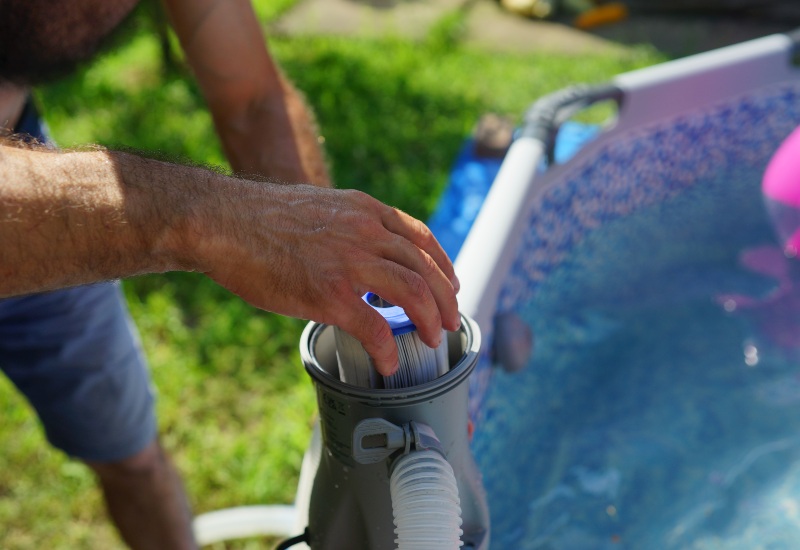
A dirty pool makes the filter work harder. Notice if your filter cleans slower or clogs fast. This indicates more dirt in the pool than the filter can handle. Vacuuming helps reduce the load on the filter and improves its function.
Maintenance Tips To Reduce Vacuuming
Keeping your pool clean takes effort. Regular vacuuming helps, but there are ways to cut down on how often you need to vacuum. Simple maintenance can keep your pool looking great and save you time.
Regular Skimming And Brushing
Skimming removes leaves, bugs, and debris from the water surface daily. It stops dirt from sinking to the pool floor. Brushing the walls and floor once a week helps prevent algae buildup. This makes vacuuming easier and less frequent.
Proper Chemical Balance
Maintaining the right chemical levels keeps water clear and safe. Balanced pH and chlorine stop algae and bacteria from growing. Test your water regularly and adjust chemicals as needed. Clean water reduces dirt and grime that settle at the bottom.
Filter Cleaning And Replacement
Filters trap dirt and small particles in the pool water. Clean your filter every few weeks to keep it working well. Replace the filter as recommended by the manufacturer. A clean filter helps keep the pool water clear and lowers the need for vacuuming.
Frequently Asked Questions
How Often Should I Vacuum My Swimming Pool?
Vacuum your pool at least once a week to maintain cleanliness. Increase frequency during heavy use or after storms to remove debris effectively.
What Factors Affect Pool Vacuuming Frequency?
Pool size, usage, weather, and surrounding environment impact vacuuming needs. More leaves, dirt, or swimmers require more frequent vacuuming to keep water clear.
Can I Vacuum My Pool Too Often?
Vacuuming too often can disturb pool chemicals and waste filters. Stick to weekly vacuuming unless extra cleaning is necessary after heavy debris or dirt buildup.
Is Manual Or Automatic Vacuuming Better For Pools?
Automatic vacuums save time and maintain consistent cleaning. Manual vacuums offer precise control but require more effort. Choose based on your pool size and maintenance preference.
Conclusion
Vacuuming your pool keeps the water clean and clear. Aim to vacuum at least once a week. Pools with many leaves or dirt may need more cleaning. Regular vacuuming helps prevent algae and buildup. It also saves you money on chemicals later.
Check your pool’s condition often to adjust vacuuming frequency. Clean pools are safer and more fun to swim in. Stick to a routine that fits your pool’s needs. Simple steps lead to a sparkling, inviting swimming pool.