Are you sure your HEPA filter is working at its best? Knowing how often to replace your HEPA filter can make a big difference in the air you breathe every day.
If you wait too long, dust, allergens, and pollutants can build up and reduce its effectiveness. But replace it too soon, and you might be wasting money. You’ll discover the simple signs to watch for and the ideal replacement schedule to keep your air fresh and clean.
Keep reading to protect your health and get the most from your HEPA filter.

Hepa Filter Basics
Understanding HEPA filters is key to knowing how often to replace them. HEPA filters keep air clean by trapping tiny particles. They help reduce dust, allergens, and other pollutants in the air. This section explains the basics of HEPA filters.
What Is A Hepa Filter
A HEPA filter is a special type of air filter. It stands for High Efficiency Particulate Air. These filters catch at least 99.97% of particles that are 0.3 microns in size. This makes them very effective at cleaning the air.
How Hepa Filters Work
HEPA filters work by forcing air through a fine mesh. This mesh traps harmful particles like dust, pollen, and pet dander. The air that passes through is much cleaner. The filter’s fibers catch particles of different sizes using several methods.
Types Of Hepa Filters
HEPA filters come in different types. True HEPA filters meet strict standards and capture most small particles. HEPA-type or HEPA-like filters do not meet these standards but still filter some particles. Choose the right type for your needs.
Factors Influencing Replacement
Knowing when to replace your HEPA filter depends on many factors. These factors affect how long the filter stays effective. Understanding them helps keep your air clean and your device working well.
Usage Frequency
The more you use your air purifier, the faster the HEPA filter gets dirty. Daily use means the filter collects more dust and particles. Filters in heavy-use devices need changing more often. Less frequent use allows the filter to last longer.
Air Quality Impact
Air quality affects how quickly the filter fills up. Homes with pets, smokers, or pollution have dirtier air. This causes the filter to clog faster. Cleaner environments let the filter work longer before replacement.
Device Type Differences
Different devices use different HEPA filters. Some have larger or higher-quality filters. These last longer before needing replacement. Smaller or cheaper filters may need changing more often. Always check your device’s guidelines for best results.
Signs To Replace Your Filter
Knowing when to replace your HEPA filter helps keep your air clean and fresh. Filters do not last forever. They get clogged with dust, pollen, and other particles over time. Recognizing the signs of a tired filter can save your health and your air purifier’s performance.
Reduced Airflow
Notice less air coming from your purifier? A clogged filter blocks airflow. The machine works harder, but air movement slows down. This means the filter is full and needs changing.
Increased Allergies
More sneezing or coughing indoors? Allergens may pass through an old filter. HEPA filters catch pollen, dust, and pet dander. If allergy symptoms rise, the filter might not be doing its job.
Visible Dirt And Damage
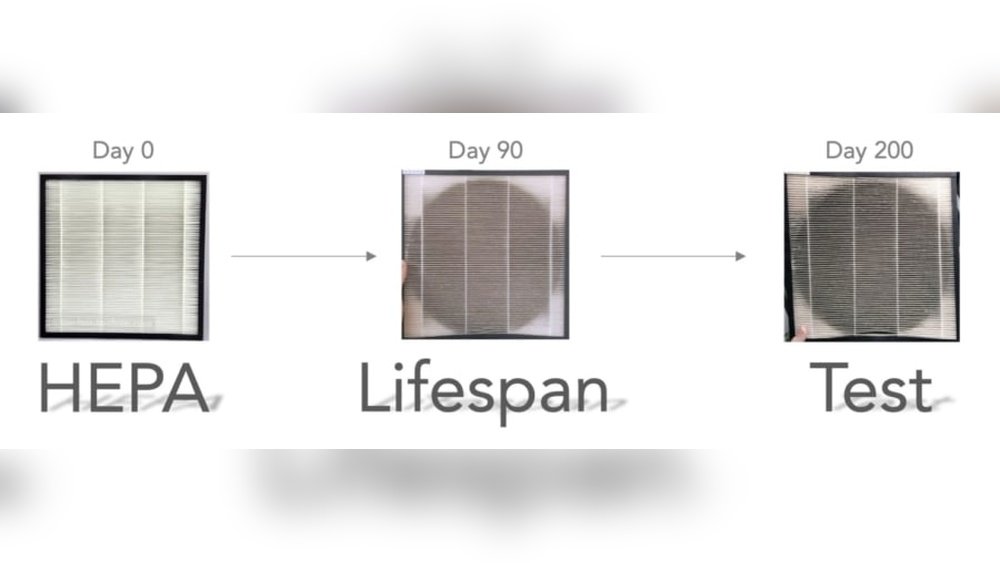
Look at your filter closely. Dark spots or dust layers show it is dirty. Tears or holes damage the filter’s ability to trap particles. Replace the filter if you see these signs.
Recommended Replacement Intervals
Knowing the right time to replace your HEPA filter helps keep your air clean and fresh. Using a filter too long can reduce its effectiveness. Changing it regularly keeps your air purifier working well and protects your health.
Manufacturer Guidelines
Check the instructions from your filter’s maker. They often give the best advice on how long your filter lasts. Follow these guidelines for the safest and most effective use. These instructions consider the filter’s design and materials.
Typical Timeframes
Most HEPA filters last between 6 to 12 months. Some may work longer in clean environments. Others might need changing sooner in dusty or smoky areas. Regular checks help you decide the right time to replace your filter.
Situations Requiring Early Replacement
Change your filter sooner if you notice poor air quality. A strong smell or dust build-up means it’s time. Homes with pets or smokers need frequent filter changes. Allergies or asthma also call for quicker replacements.
Maintaining Your Hepa Filter
Maintaining your HEPA filter is key to keeping your air purifier working well. A clean filter improves air quality and extends the filter’s life. Regular care saves you money and keeps your home fresh.
Cleaning Tips
Check the filter’s instructions before cleaning. Some HEPA filters can be gently vacuumed to remove dust. Use a soft brush or low suction to avoid damage. Never wash a non-washable HEPA filter with water. Let the filter dry completely if it gets damp.
Storage Advice
Store spare HEPA filters in a dry, cool place. Keep them in their original packaging to avoid dirt. Avoid storing filters in direct sunlight or humid areas. Proper storage prevents mold and damage to the filter fibers.
Avoiding Common Mistakes
Do not reuse a heavily clogged filter. Changing filters late reduces air purifier efficiency. Avoid using harsh chemicals on the filter. Do not bend or crush the filter during cleaning or storage. Follow the manufacturer’s replacement schedule strictly.
Choosing The Right Replacement Filter
Choosing the right replacement HEPA filter is key to keeping your air purifier working well. A proper filter ensures cleaner air and protects your health. Understanding what to look for helps avoid mistakes and saves money.
Focus on compatibility, filter ratings, and your budget. These factors guide you to the best filter for your needs. Each point matters for a smooth replacement process and good air quality.
Compatibility Checks
Start by checking if the filter fits your air purifier model. Different brands use different sizes and shapes. Using the wrong filter can harm the device or lower its efficiency. Always find the exact model number in your manual or on the purifier itself. Some sellers list compatible models clearly. Confirm before buying.
Filter Ratings And Certifications
Look for filters with high-quality ratings. HEPA filters should capture at least 99.97% of particles 0.3 microns in size. Certifications from trusted bodies prove the filter meets standards. This ensures it removes dust, pollen, and allergens well. Avoid cheap filters without proper ratings. They may not clean the air effectively.
Budget Considerations
Set a budget before choosing a filter. Higher price often means better quality and longer life. But some affordable filters also work well. Balance cost and performance. Check how often you must replace the filter. Frequent replacements can add up. Spending a bit more upfront might save money later.
Benefits Of Timely Filter Replacement
Replacing your HEPA filter on time brings many benefits. It keeps your air cleaner and your device working well. Regular replacement stops dust and allergens from building up. This helps your home stay fresh and healthy. Let’s look at the key benefits of timely filter replacement.
Improved Air Quality
A clean HEPA filter traps more dust, pollen, and pet dander. It reduces allergens and tiny particles in the air. This leads to fresher and healthier indoor air. Timely replacement keeps the filter from clogging. A clogged filter lets dirt pass through, lowering air quality.
Enhanced Device Efficiency
A new filter helps your device run smoothly. It reduces strain on the motor and parts. This saves energy and cuts electricity bills. A clogged filter makes the device work harder. This can cause overheating and shorten its lifespan.
Health Advantages
Clean air means fewer breathing problems and allergies. People with asthma or sensitivities feel better. Timely filter changes reduce the risk of mold and bacteria growth. This supports overall well-being and comfort in your home.

Frequently Asked Questions
How Often Should I Replace A Hepa Filter In Air Purifiers?
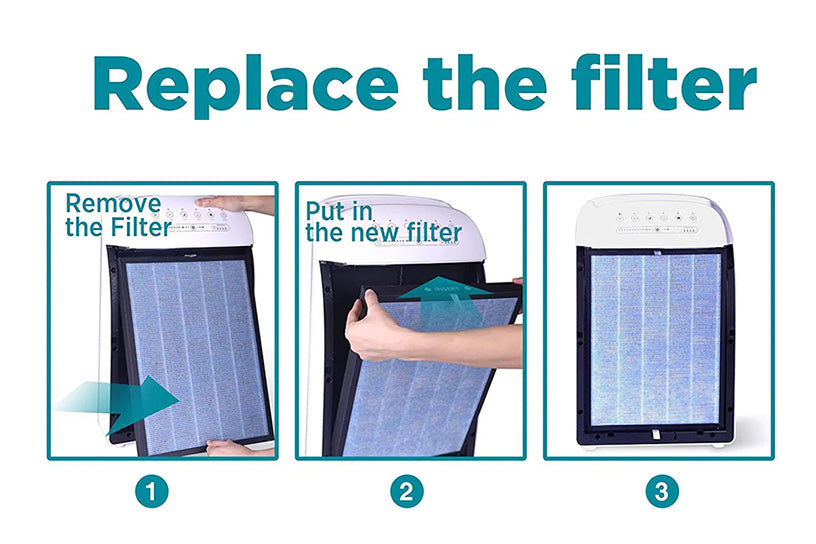
HEPA filters typically need replacement every 6 to 12 months. Usage frequency and air quality affect this timing. Check the manufacturer’s guidelines for best results. Regular replacement ensures optimal filtration and air quality.
Can I Clean And Reuse A Hepa Filter?
Most true HEPA filters are not washable or reusable. Cleaning can damage the filter’s fibers and reduce efficiency. Some models have washable pre-filters, but the main HEPA filter usually requires replacement.
What Signs Indicate It’s Time To Replace A Hepa Filter?
Reduced airflow, unusual odors, and visible dirt on the filter suggest replacement. If your device alerts you or performance drops, it’s time to change the filter to maintain air quality.
Does Frequency Of Filter Replacement Affect Indoor Air Quality?
Yes, replacing HEPA filters regularly keeps air free from allergens and pollutants. Neglecting replacement leads to clogged filters, reduced efficiency, and poor indoor air quality.
Conclusion
Replacing your HEPA filter regularly keeps your air clean and fresh. Check the filter every few months for dust and dirt. Change it when it looks dirty or airflow slows down. This helps your device work well and lasts longer.
Clean air means better health for you and your family. Don’t wait too long to swap the filter. Small steps like this make a big difference in your home’s air quality. Simple and smart care keeps your space healthier every day.