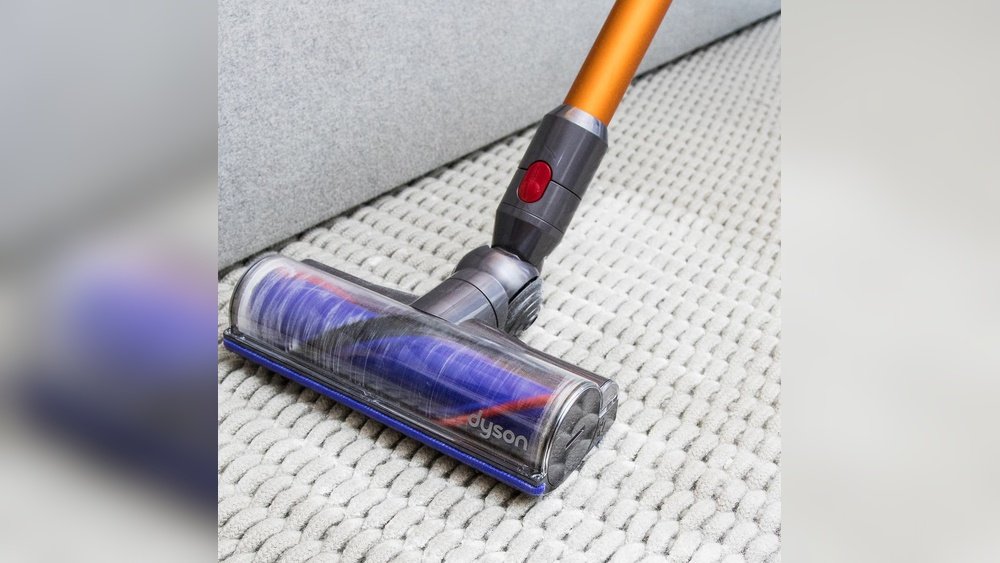
Your vacuum cleaner brush works hard to keep your floors spotless. But when was the last time you gave it a deep clean?
If you don’t clean your vacuum brushes regularly, dirt and hair can build up, making your vacuum less effective. Wondering how often you should deep clean those brushes to keep your vacuum running like new? Keep reading—this simple habit can save you time, money, and hassle in the long run.
Importance Of Cleaning Vacuum Brushes
Keeping your vacuum cleaner brushes clean is more important than many realize. These brushes do the hard work of loosening dirt and debris from carpets and floors. If they get clogged or dirty, your vacuum’s ability to clean well drops significantly.
Impact On Vacuum Performance
Dirty brushes slow down your vacuum. Hair, threads, and dust wrapped around the bristles reduce their movement and effectiveness. You might notice your vacuum struggling or needing multiple passes to pick up dirt.
Regularly cleaning the brushes helps maintain strong suction and efficient dirt pickup. Have you ever felt like your vacuum wasn’t working like before, only to find a tangle of hair wrapped around the brush? Removing that buildup immediately improves performance.
Hygiene And Allergy Prevention
Dirty vacuum brushes can harbor bacteria, mold, and allergens. When you use the vacuum, these unwanted particles can be released back into the air, affecting your indoor air quality.
If you or someone in your home has allergies, this can trigger symptoms like sneezing or coughing. Cleaning the brushes prevents this by removing trapped dust and allergens before they circulate again.
:strip_icc()/bhg-hoover-cleanslate-xl-deep-clean-spot-cleaner-ahuang-353-42abd7b2741847b7a67f5facd21a1cb0.jpeg)
Signs Your Vacuum Brushes Need Deep Cleaning
Knowing when to deep clean your vacuum brushes helps keep your cleaner working well. Dirt and hair can get stuck in the brushes over time. This build-up affects how well your vacuum cleans floors and carpets. Watch for signs that your vacuum brushes need a good deep cleaning.
Reduced Suction Power
Your vacuum may lose suction if brushes are clogged. Dust and hair can block the brush roll. This makes it harder for the vacuum to pick up dirt. If your vacuum picks up less dirt than before, the brushes might need cleaning.
Unusual Noises
Strange sounds coming from your vacuum often mean a problem. Brushes tangled with hair or debris can cause grinding or squeaking noises. These sounds show the brushes are stuck and not spinning freely. Clean brushes will help your vacuum run quietly again.
Visible Dirt And Hair Build-up
Look closely at the vacuum brushes for dirt and hair. Thick layers of hair wrapped around the brush can block it. Dirt stuck to the bristles reduces cleaning power. Regularly removing this build-up keeps your vacuum working well and protects the motor.
Recommended Cleaning Frequency
Vacuum cleaner brushes should be deep cleaned every 1 to 3 months. This keeps them working well and removes trapped dirt and hair. More frequent cleaning may be needed if you vacuum a lot or have pets.
Keeping your vacuum cleaner brushes clean is important for its performance. Dirt, hair, and dust can get stuck in the brushes. This buildup lowers suction power and can damage the vacuum. Cleaning frequency depends on use and environment. Regular maintenance extends the life of your vacuum.
Daily And Weekly Maintenance
Check the brushes daily if you use the vacuum often. Remove visible hair and threads after every use. This stops clogs and keeps the brushes spinning freely. Weekly, do a more detailed check. Use scissors to cut away tangled hair. Clear any dust stuck in the brush bristles. This simple routine prevents big problems later.
Monthly Deep Cleaning
Deep clean the brushes at least once a month. Remove the brush roll from the vacuum. Wash it gently with warm water and mild soap. Let it dry completely before putting it back. Inspect the brush for wear or damage. Cleaning deeply removes hidden dirt and keeps the vacuum working well. This step is vital for heavy users.
Factors Affecting Cleaning Schedule
How often you clean depends on many things. Homes with pets need more frequent cleaning. Pet hair gets trapped quickly in the brushes. Carpets that collect a lot of dirt need more care too. If you vacuum daily, clean more often. If used less, monthly cleaning might be enough. Adjust your cleaning schedule based on your home’s needs.

Step-by-step Deep Cleaning Process
Deep cleaning your vacuum cleaner brushes keeps them working well. It removes dust, hair, and dirt that block performance. Follow these clear steps to clean the brush roll properly. This care extends the life of your vacuum and boosts suction power.
Tools Needed
Gather a few simple tools first. You need scissors or a seam ripper to cut tangled hair. Use a small brush or an old toothbrush to scrub dirt. A cloth and mild soap help wash the brush. Have a screwdriver ready to remove parts if needed.
Removing The Brush Roll
Unplug the vacuum before starting. Turn it upside down to see the brush roll. Some models have a cover held by screws. Use the screwdriver to take off the cover. Gently pull out the brush roll from its place.
Removing Debris And Hair
Check the brush roll for hair and threads. Use scissors to cut tangled hair carefully. Pull out all debris stuck around the brush. Use your fingers or a small brush to clear hard-to-reach spots.
Washing And Drying The Brush
Mix mild soap with warm water. Dip the brush roll and scrub with a toothbrush. Avoid soaking parts with bearings or electronics. Rinse the brush roll under running water. Let it dry completely before putting it back.
Reassembling The Vacuum
Place the dry brush roll back into the vacuum. Secure the cover with screws if removed. Check if the brush spins freely. Plug in the vacuum and test it on a small area. Enjoy improved cleaning performance.
Expert Tips For Maintaining Vacuum Brushes
Maintaining your vacuum cleaner brushes keeps your machine working well. Clean brushes pick up dirt better. They also last longer. Follow expert tips to keep brushes in top shape. These tips prevent damage and save money on repairs.
Avoiding Damage During Cleaning
Use gentle tools like a soft brush or cloth. Avoid sharp objects that can cut bristles. Always turn off the vacuum before cleaning. Pull out hair and threads carefully. Do not use water unless the manual says it’s safe.
Using Protective Accessories
Consider brush covers to protect bristles when not in use. Use vacuum bags or filters that trap dust well. These accessories reduce dirt buildup on brushes. They also help keep the vacuum cleaner parts clean.
Regular Inspections
Check your vacuum brushes every few weeks. Look for worn or missing bristles. Remove tangled hair and debris promptly. Early care stops bigger problems later. Routine checks help keep your vacuum efficient.
When To Replace Vacuum Brushes
Vacuum brushes play a key role in cleaning your floors well. Over time, they wear out and lose their power to pick up dirt. Knowing when to replace these brushes helps keep your vacuum working at its best. Replacing worn brushes keeps your floors cleaner and your machine healthy.
Check your vacuum brushes regularly. Watch for signs that show they need changing. This saves you from poor cleaning and possible damage to your vacuum.
Wear And Tear Indicators
Brushes lose their stiffness with time. Bent or broken bristles reduce cleaning power. If brushes look thin or uneven, they need replacement.
Listen for strange noises. A buzzing or grinding sound can mean brush damage. Dirt stuck tightly in bristles also signals wear.
Cost Vs. Repair Considerations
New brushes usually cost less than vacuum repairs. Replacing brushes early prevents motor damage. Check prices before fixing other parts.
Sometimes, cleaning brushes deeply can extend their life. But if damage is severe, replacement is better. Think about cost and effort before deciding.
Frequently Asked Questions
How Often Should I Deep Clean Vacuum Brushes?
Deep clean vacuum brushes every 1 to 3 months. This prevents hair and debris buildup, ensuring optimal performance and longer brush life.
What Happens If Vacuum Brushes Aren’t Cleaned?
Dirty brushes reduce suction and cleaning efficiency. They can also damage floors and strain the vacuum motor, shortening its lifespan.
Can I Clean Vacuum Brushes Myself?
Yes, you can clean vacuum brushes at home. Use scissors to remove hair, and wash with mild soap if removable.
Does Brush Type Affect Cleaning Frequency?
Yes, brush type and usage affect cleaning frequency. High-pile carpet brushes need more frequent cleaning than hard floor brushes.
Conclusion
Cleaning vacuum cleaner brushes often keeps your machine working well. Dirt and hair can build up quickly. This slows down cleaning and can cause damage. Aim to clean brushes every one to two months. Check them more often if you have pets or lots of dust.
Regular care saves money and extends vacuum life. A clean brush means better dirt pickup. Stay on top of cleaning to keep your home fresh. Simple steps make a big difference. Keep your vacuum ready for any mess.