Are you wondering how often you should change your dog’s food? It’s a question many dog owners ask but don’t always find clear answers to.
The right timing can make a big difference in your dog’s health, energy, and happiness. Changing food too often or not enough might cause problems you want to avoid. You’ll discover simple, practical advice to help you decide when and why to switch your dog’s food, keeping your furry friend feeling their best every day.
Keep reading to learn what experts recommend and how to make the best choice for your pet.
Signs To Change Dog Food
Knowing when to change your dog’s food can keep them healthy and happy. Dogs cannot tell us when something is wrong. Watching for signs helps you decide if a new food is needed. Changes in behavior, health, or allergies often signal a need for new food.
Behavioral Changes
Watch for sudden changes in eating habits. A dog refusing food or eating less may dislike the current food. Excessive licking or chewing at the mouth can mean discomfort. Low energy or unusual tiredness might link to poor nutrition. These signs suggest it might be time to try a different food.
Health Indicators
Look closely at your dog’s coat and skin. Dull, dry fur or excessive shedding can mean poor diet. Digestive issues like diarrhea or vomiting often relate to food problems. Weight loss or gain without reason is a red flag. Regular vet checks can confirm if food change is needed.
Allergy Symptoms
Scratching, redness, or swelling around the face and paws can show allergies. Ear infections or bad odor might also point to food allergies. Watch for vomiting or diarrhea after meals. Allergies may require a special diet to ease symptoms. Changing to hypoallergenic food can improve your dog’s comfort.
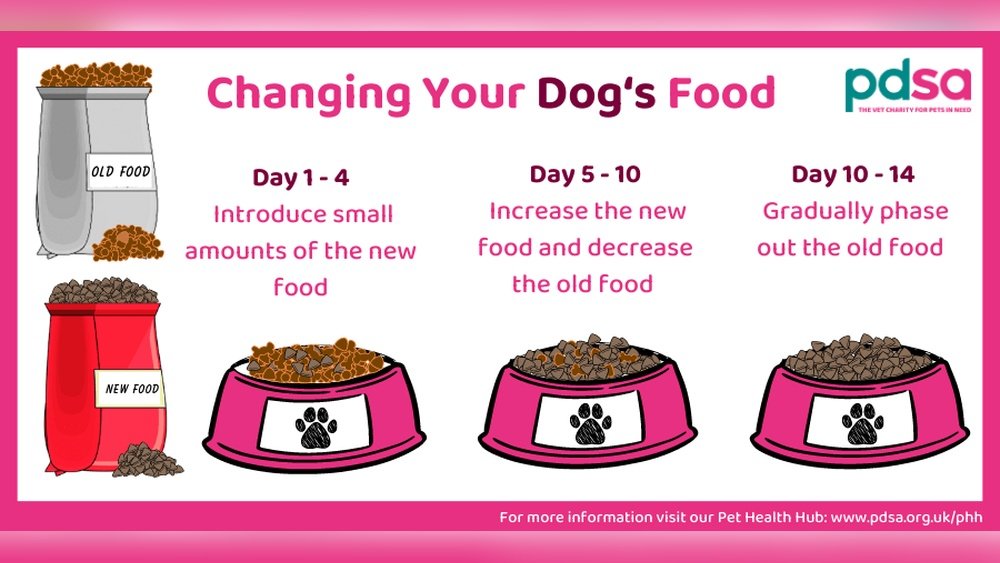
Credit: www.pdsa.org.uk
Factors Influencing Food Change
Changing your dog’s food depends on many factors. These factors help decide the best time and type of food to offer. Understanding these can keep your dog healthy and happy. Each dog is unique, so food choices vary widely.
Age And Life Stage
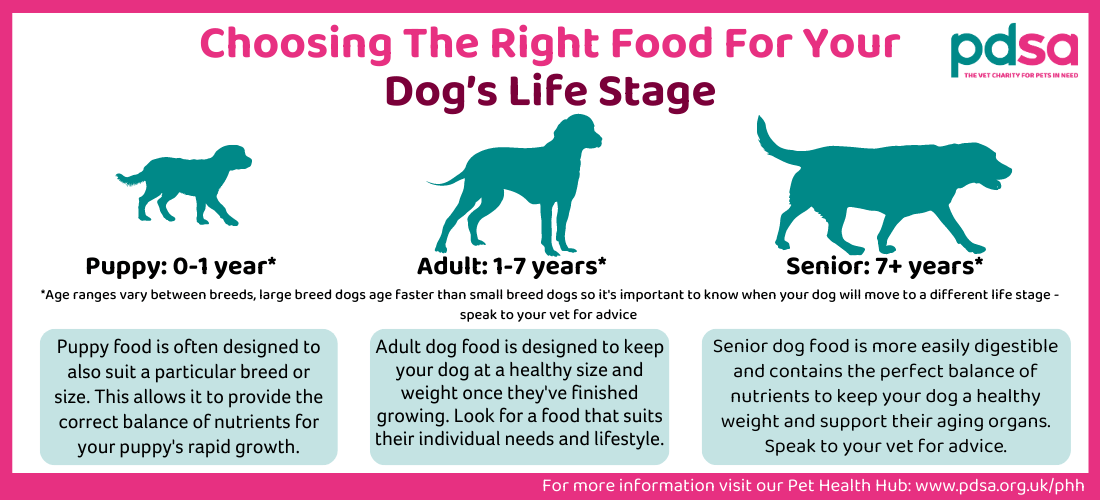
Dogs need different food at different ages. Puppies require food rich in nutrients for growth. Adult dogs need balanced food to maintain health. Senior dogs benefit from food that supports joints and digestion. Changing food according to age helps meet these needs.
Breed And Size
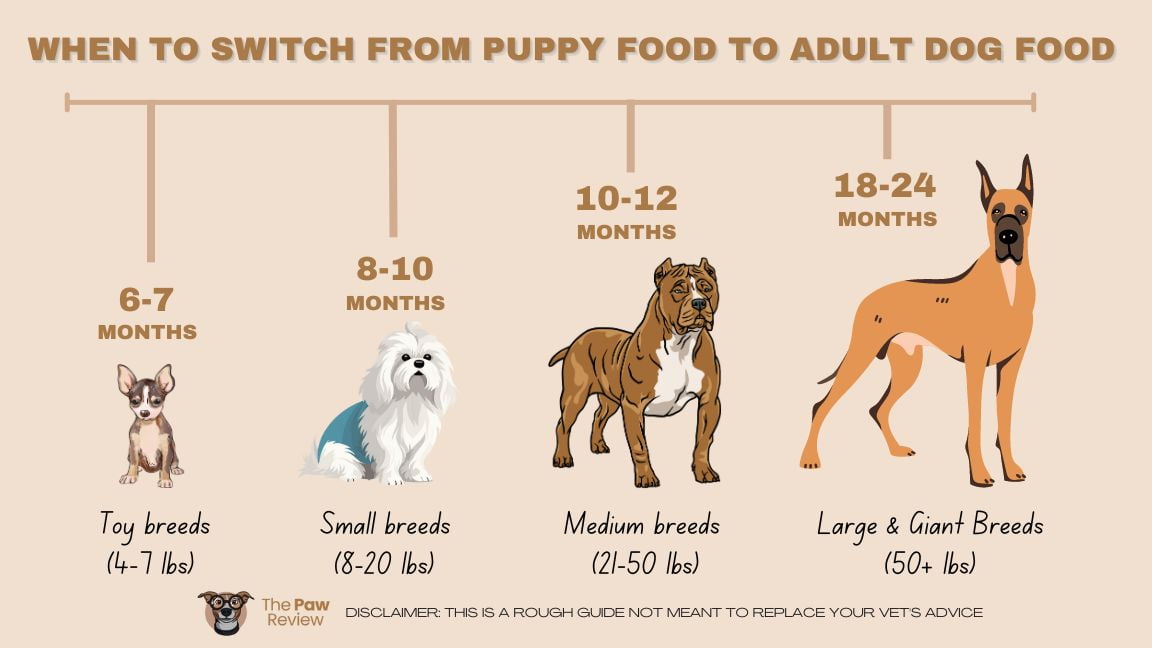
Small and large breeds have different dietary needs. Large breeds often need food that supports bone health. Small breeds need calorie-dense food to match their energy use. Breed-specific formulas are available to suit these differences. Size also affects how often you should change food.
Health Conditions
Health issues can require special diets. Dogs with allergies need hypoallergenic food. Dogs with kidney problems may need low-protein food. Weight issues call for low-calorie or weight management food. Always consult a vet before changing food for health reasons.
Types Of Dog Food
Choosing the right food for your dog can feel confusing. Dogs need different kinds of nutrition depending on their age, size, and health. Understanding the types of dog food helps you decide how often to change their diet. Each type has its benefits and limits.
Dry Vs Wet Food
Dry dog food, also called kibble, is popular and easy to store. It helps clean teeth and lasts long after opening. Wet food has more moisture, which helps dogs drink less water. It is softer and often more flavorful. Some dogs prefer wet food, especially picky eaters or those with dental problems.
Specialty Diets
Specialty diets support dogs with health issues. These include foods for allergies, kidney problems, or weight control. They have specific ingredients and nutrients. Your vet can recommend the best specialty food for your dog’s needs. Changing specialty diets should happen carefully and with advice.
Homemade And Raw Options
Some owners choose homemade meals or raw food diets for their dogs. These meals are fresh and free from preservatives. Homemade food allows control over ingredients, but it needs careful planning to be balanced. Raw diets include uncooked meat, bones, and vegetables. Always research and consult a vet before starting these options.
Credit: finuniverblg.ru.net
Transitioning Foods Safely
Changing your dog’s food requires care to avoid stomach problems. Sudden changes can upset their digestion. A smooth transition helps your dog adjust to new food easily.
Safe switching keeps your dog healthy and happy. Watch your dog closely during this time. Small steps make a big difference.
Gradual Switching Method
Start by mixing 25% new food with 75% old food. Do this for three days. Then increase new food to 50% for the next three days. After that, try 75% new food and 25% old food. By day ten, your dog should eat only the new food.
Monitoring Your Dog
Check your dog’s stool daily. Look for diarrhea or constipation signs. Watch for vomiting or loss of appetite. If problems occur, slow down the transition. Give your dog more time to adjust. Contact your vet if issues continue beyond a week.
Common Mistakes To Avoid
Do not switch food suddenly. Avoid mixing too much new food at once. Don’t ignore your dog’s reactions. Skipping the transition can cause stomach upset. Avoid changing food too often. Give your dog time to settle on one diet.
Expert Recommendations
Changing your dog’s food is a common question for many pet owners. Experts give clear advice to help keep dogs healthy and happy. Their tips focus on the dog’s health, diet needs, and how often changes should happen.
Vet Advice
Veterinarians suggest checking your dog’s health before changing food. Sudden changes can cause stomach upset. A vet can recommend the best food type for your dog’s age and health. Regular vet visits help catch food issues early.
Nutritionist Tips
Dog nutritionists say to choose food based on your dog’s lifestyle and breed. They advise slowly mixing new food with old food over several days. This helps the dog’s digestive system adjust. Nutritionists also stress balanced diets to avoid nutrient gaps.
Frequency Guidelines
Experts recommend changing dog food only when needed. Changes may be necessary for health reasons or allergies. Typically, dogs do not need frequent food changes. A slow and steady transition is best to keep your dog comfortable.
Benefits Of Regular Food Changes
Changing your dog’s food regularly offers many benefits for their health and happiness. It helps keep their diet balanced, prevents problems, and makes mealtime fun. Dogs can enjoy different tastes and textures. This variety supports overall well-being.
Regular food changes can improve digestion and reduce the risk of allergies. It also stops your dog from getting bored of their meals. A healthy, happy dog is a joy to care for.
Nutritional Balance
Different dog foods have different nutrients. Changing food ensures your dog gets a wide range of vitamins and minerals. This variety helps fill any gaps in their diet. It supports strong bones, shiny coats, and good energy. A balanced diet keeps your dog healthy and active.
Preventing Food Sensitivities
Dogs can develop sensitivities to one food type. Changing foods often lowers this risk. It gives their immune system a break from the same ingredients. This can reduce allergies, itching, and upset stomachs. Rotating foods keeps your dog comfortable and healthy.
Maintaining Interest In Meals
Dogs may get bored eating the same food daily. Changing food keeps mealtime exciting and fresh. New flavors and textures make your dog eager to eat. A interested dog is more likely to eat well. This helps maintain a healthy weight and good nutrition.

Credit: finuniverblg.ru.net
Frequently Asked Questions
How Often Should I Change My Dog’s Food?
Change your dog’s food every 6 to 12 months or when their health needs change. Regular updates support better nutrition and digestion.
Can I Switch Dog Food Abruptly?
No, switch dog food gradually over 7 to 10 days. This helps prevent stomach upset and allows your dog to adjust smoothly.
What Signs Indicate A Need To Change Dog Food?
Look for allergies, digestive issues, weight changes, or lack of energy. These signs suggest your dog may need a different diet.
Does Age Affect How Often To Change Dog Food?
Yes, puppies, adults, and senior dogs have different nutritional needs. Adjust food type and frequency based on your dog’s life stage.
Conclusion
Changing your dog’s food depends on their health and needs. Watch for signs like upset stomach or low energy. Talk to your vet before making any changes. Switch foods slowly to help your dog adjust. Every dog is different, so stay patient and observant.
Keeping your dog happy and healthy is the goal. Choose quality food that fits their age and lifestyle. Regular checkups help you decide when to change food. Small steps lead to better care for your furry friend.