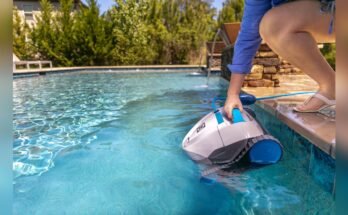
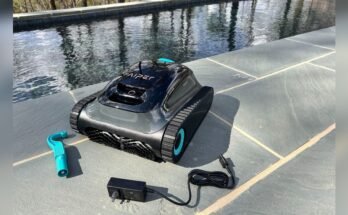
Are you wondering how long you should run your pool vacuum to keep your water sparkling clean? It’s a common question that many pool owners face.
Running your vacuum for too little time might leave dirt behind, while running it too long could waste energy and increase your bills. You’ll discover the ideal vacuuming time tailored to your pool’s needs. By the end, you’ll know exactly how to get your pool spotless without any guesswork.
Keep reading to save time, energy, and enjoy a crystal-clear pool all season long!

Ideal Vacuuming Duration
Knowing the ideal vacuuming duration helps keep your pool clean without wasting time or energy. Running the pool vacuum for the right amount of time ensures all dirt and debris are removed. Too short might leave the pool dirty. Too long can wear out the equipment and increase energy bills. Finding the right balance is key.
Factors Influencing Vacuum Time
Several factors affect how long to run a pool vacuum. The pool size plays a big role. Larger pools need more time to clean. The amount of debris also matters. A heavily soiled pool takes longer to vacuum. The vacuum type impacts cleaning speed. Some vacuums work faster than others. Water clarity is another factor. Cloudy water may require extra vacuuming. Finally, the vacuum’s power and suction affect how quickly it cleans.
Typical Vacuuming Timeframes
Most pools need 1 to 3 hours of vacuuming per session. Small pools usually take about 1 hour. Medium pools require around 2 hours. Large pools may need 3 hours or more. For pools with heavy debris, add 30 minutes to the time. Regular maintenance vacuuming might only take 30 to 45 minutes. Running the vacuum consistently helps reduce overall cleaning time.
Pool Size And Shape Impact
Pool size and shape affect how long to run a pool vacuum. Different pools need different cleaning times. Size controls how much area the vacuum covers. Shape impacts how easily the vacuum moves around. Both factors matter for effective cleaning.
Small Vs Large Pools
Small pools take less time to clean. You can run the vacuum for 1 to 2 hours. The surface area is smaller and easier to cover. Large pools need longer vacuum sessions. Running the vacuum for 3 to 4 hours works best. More water and surface require extra time to clean well.
Complex Pool Designs
Pools with curves, stairs, or multiple levels need more care. The vacuum must reach all corners and edges. This takes extra time compared to simple shapes. Complex designs often trap dirt in hidden spots. Running the vacuum longer helps reach those areas. Plan for 3 to 5 hours depending on the layout.
Debris Type And Amount
How long you run your pool vacuum depends a lot on the type and amount of debris in the pool. Different debris needs different cleaning times. Small particles need less time, while heavy debris needs more. Knowing this helps you save energy and keep your pool clean.
Light Dust And Dirt
Light dust and dirt settle at the bottom of the pool. These small particles usually float around and are easy to clean. Running the vacuum for 30 to 45 minutes is enough. This time clears most fine dirt and keeps your pool sparkling. Over-cleaning wastes energy and time.
Heavy Leaves And Algae
Heavy leaves and algae are harder to remove. They stick to the pool surface and can clog the filter. Run the vacuum for 60 to 90 minutes to remove them well. This longer time breaks down algae and picks up leaves. Regular cleaning prevents build-up and keeps the water fresh.
Vacuum Types And Efficiency
Choosing the right pool vacuum affects cleaning time and results. Different vacuums clean in different ways. Understanding types helps decide how long to run them. Efficiency also varies by type. Some need more time but clean deeper. Others save time but may miss spots.
Manual Vacuums
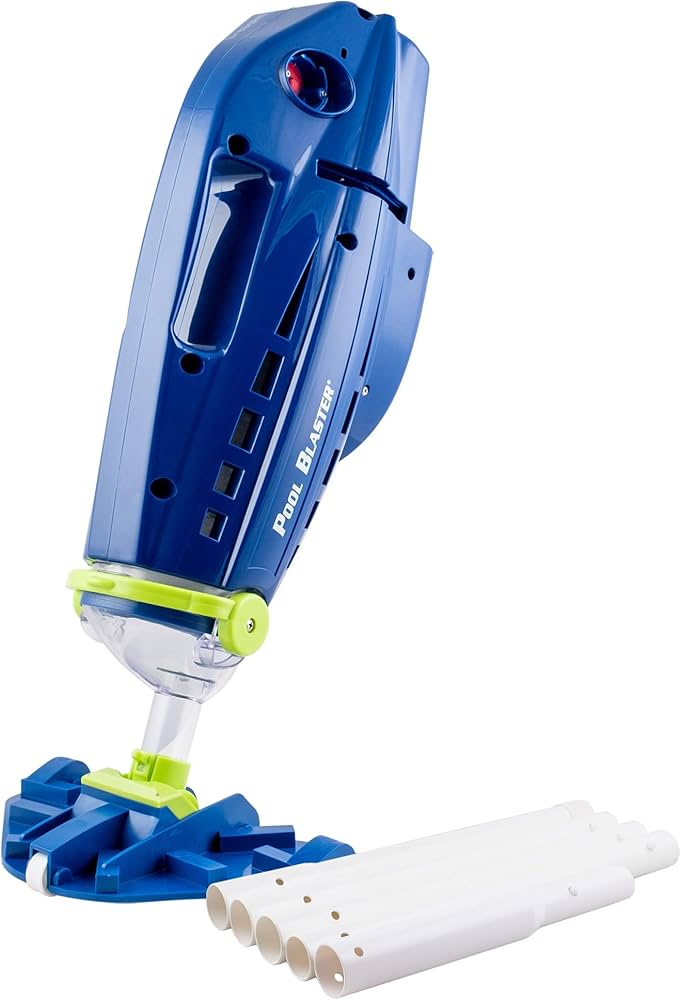
Manual vacuums require you to move the vacuum head by hand. You control the speed and direction. This gives precise cleaning but takes more effort. Running time depends on pool size and dirt level. Usually, 30 to 60 minutes is enough. Manual vacuums work well for small pools or spot cleaning. They are simple and cost-effective.
Automatic Pool Cleaners
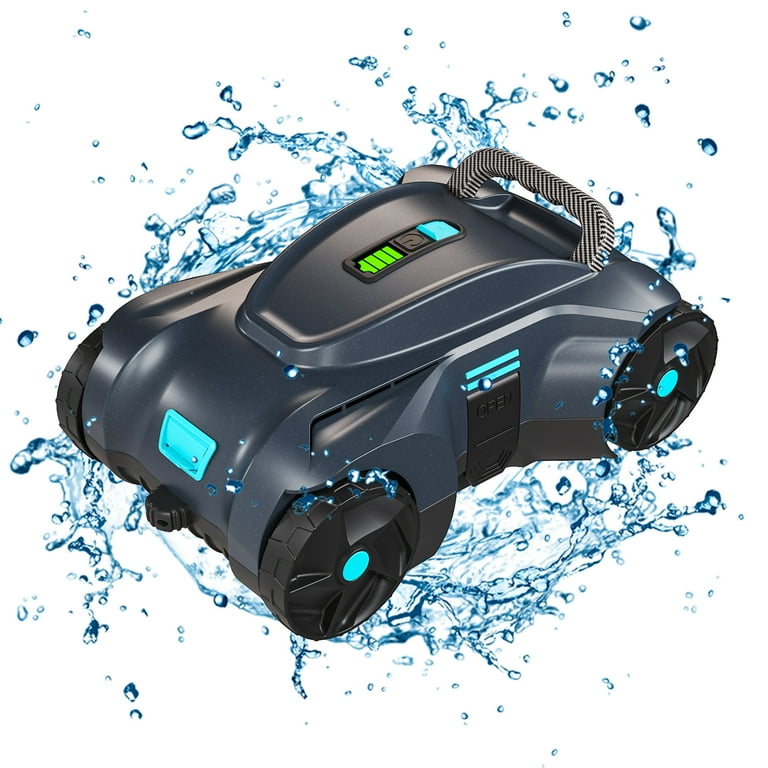
Automatic pool cleaners work on their own. They move across the pool floor and walls. These vacuums save time and require less effort. Running time is often set by the machine. Most run 2 to 4 hours per session. They clean the entire pool evenly. Efficiency depends on the model and pool size. Automatic cleaners suit larger pools or regular maintenance.
Timing Tips For Energy Savings
Knowing when to run your pool vacuum can save energy and reduce costs. Timing your vacuum sessions smartly keeps your pool clean without wasting electricity. Small changes in your schedule make a big difference in your energy bill.
Best Time Of Day To Vacuum
Vacuum your pool during off-peak hours. Early morning or late evening are ideal times. Electricity rates are usually lower then. The pool pump works better with cooler water temperatures. Vacuuming at these times reduces strain on your equipment.
Balancing Cleanliness And Cost
Run your vacuum long enough to clean well but not too long. About 1 to 2 hours per session often works best. Regular short sessions keep the pool clear and save energy. Avoid running the vacuum all day, which wastes power and may damage your pump.
Maintaining Pool Equipment
Maintaining pool equipment is key to keeping your pool clean and safe. Proper care helps your vacuum work well and lasts longer. It also protects your pool’s water quality. Regular checks and cleaning prevent issues before they start. Simple steps keep everything running smoothly.
Filter Cleaning Frequency
Clean your pool filter often to keep it effective. A dirty filter reduces water flow and strains the pump. Check the filter every two weeks during heavy use. Remove debris and rinse it with a hose. Replace the filter cartridge or clean the sand as needed. Clean filters help your vacuum pick up dirt better.
Pump Maintenance And Settings
Check your pool pump regularly for any problems. Make sure the pump basket is free of leaves and debris. Run the pump long enough to circulate all pool water, usually 8 to 12 hours daily. Use the right speed setting to save energy and keep suction strong. Proper pump care improves vacuum performance and extends equipment life.
Frequently Asked Questions
How Long Should I Vacuum My Pool Each Session?
Vacuum your pool for 15 to 30 minutes per session. This duration effectively removes dirt without overworking your equipment. Adjust time based on pool size and debris amount for optimal cleaning results.
Can I Run A Pool Vacuum Overnight?
Running a pool vacuum overnight is not recommended. It may cause equipment wear and increase energy costs. Instead, vacuum during daylight hours for safety and efficiency, ensuring proper supervision.
How Often Should I Vacuum My Pool?
Vacuum your pool once a week to maintain cleanliness. Frequent vacuuming prevents debris buildup and algae growth. Increase frequency during heavy use or after storms for best results.
Does Running A Pool Vacuum Longer Improve Cleaning?
Running a vacuum longer doesn’t always improve cleaning. Over-vacuuming wastes energy and can damage your pool system. Stick to recommended vacuum times for efficient, effective cleaning.
Conclusion
Running a pool vacuum long enough keeps your pool clean and safe. Most pools need about 8 to 12 hours of vacuuming each week. This helps remove dirt, leaves, and small debris. Shorter times may leave some dirt behind. Too long can waste energy and wear out parts.
Watch your pool’s condition to find the best timing. Clean water means more fun and less work. Simple care keeps your pool ready for swimming anytime.